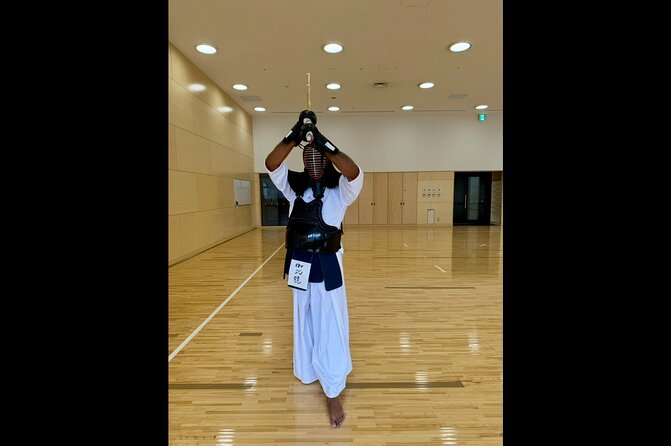
Kendo is not a stage show here. You enter a real Japanese martial arts hall, learn the basic movements, and finish by striking the instructor’s armor. Takeru leads the lesson with care, drawing on 25 years of practice and national tournament experience. Even if your only sword experience is watching samurai films, you can take part.
In This Article
- Key points at a glance
- Entering Nakashibetsu Budokan for a hands-on lesson
- Takeru’s introduction to Japanese do culture
- Learning the bamboo sword basics
- The armored strike that brings the lesson together
- Writing your name in Japanese calligraphy
- Optional hard training for a stronger workout
- Is $3.27 good value?
- Getting there and planning your timing
- Who should book this Nakashibetsu experience?
- Should you book it?
- FAQ
- How long does the Nakashibetsu kendo class last?
- Where does the experience begin?
- Where does the activity end?
- Is equipment included?
- Can beginners participate?
- Can I wear kendo protective equipment?
- Is cancellation free?
I like two things right away: the lesson gives you both physical practice and cultural context, and the small private format keeps the attention on your group. The added calligraphy session is a nice touch, too. The main consideration is that the standard session lasts about two hours, so anyone wanting a full kendo course will find this an introduction rather than serious long-term training.
Key points at a glance
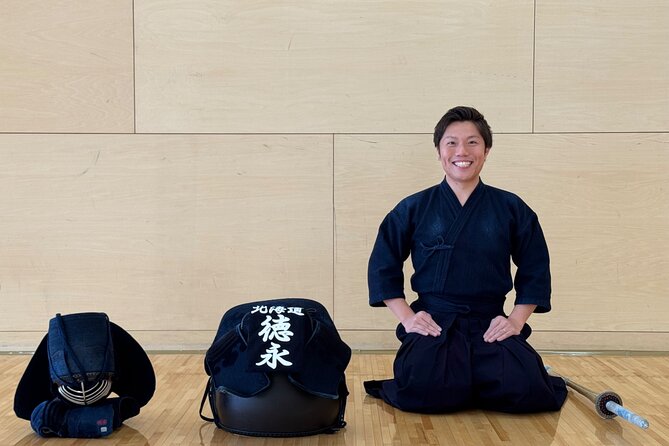
- Practice in a real budokan: The session takes place at Nakashibetsu Budokan, a Japanese martial arts facility with marked areas for practice.
- Takeru teaches beginners patiently: He explains the Japanese do culture and guides you through basic kendo movements.
- Finish with an armored target: You get the chance to strike Takeru’s kendo armor, a memorable end to the lesson.
- Calligraphy is included: Write your own name as part of the cultural experience.
- Up to two people can wear protectors: Tell Takeru when booking if you want to try the protective equipment.
- Airport pickup can simplify east Hokkaido travel: Free pickup is offered from Nemuro Nakashibetsu, Kushiro, and Memanbetsu airports.
Entering Nakashibetsu Budokan for a hands-on lesson
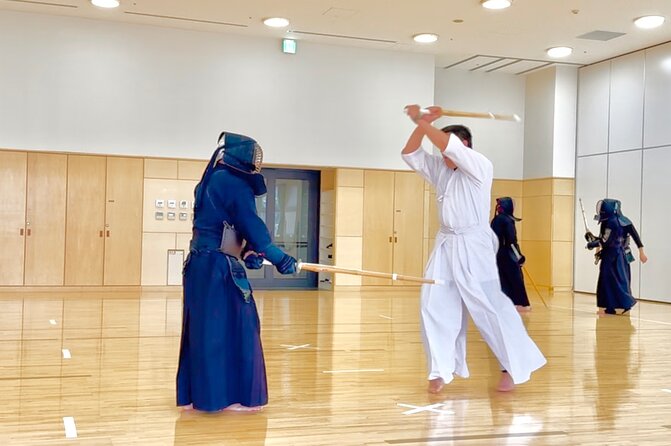
The experience begins at Nakashibetsu Budokan, at 1-chōme-6 Maruyama in Nakashibetsu. This is not simply a room prepared for tourists. It is a martial arts hall, with separate areas laid out for practice. That setting helps you understand kendo as a living discipline, not just a costume or sword demonstration.
I like that the venue gives the class a sense of place before the first strike. You see how practice is organized, and you get a clearer idea that kendo depends on order, repetition, and respect. One participant described the venue as interesting because each practice area was set out separately, a detail that adds something to the visit.
The class is private, meaning only your own group takes part. That matters if you are shy about trying unfamiliar movements. You do not have to perform in front of a large audience, and Takeru can adjust his explanations to your group. The activity also accepts group bookings and lists group discounts, so it may work well for two friends or a small family group.
Our other Hokkaido reviews may also help you decide
Takeru’s introduction to Japanese do culture
Takeru begins with a short talk about the Japanese idea of do, including the role of kendo. In simple terms, this helps frame the martial art as more than hitting a target with a bamboo sword. The practice trains the body, but it also asks for attention, control, and respect.
I find this opening useful because it gives the physical exercises a reason. Without it, the class could feel like a quick sports lesson. With it, you have some cultural background before you start copying the movements.
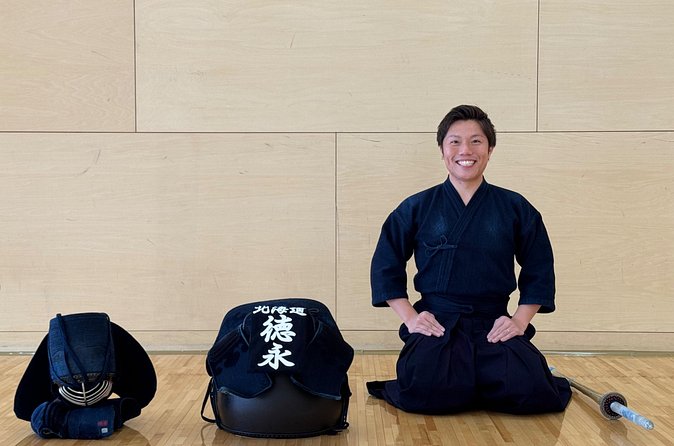
Takeru has about 25 years of kendo experience and has competed in national tournaments. That does not mean you need to match his level. The lesson is designed so beginners can learn the basics without prior experience. A participant specifically praised his patience while learning the movements, which is important in a class where posture and timing may feel unfamiliar at first.
The introduction is also a good point to explain what you want from the session. If you prefer a calm first lesson, the basic program should suit you. If you want harder exercise, ask about the optional high-intensity additions before or during booking.
Learning the bamboo sword basics
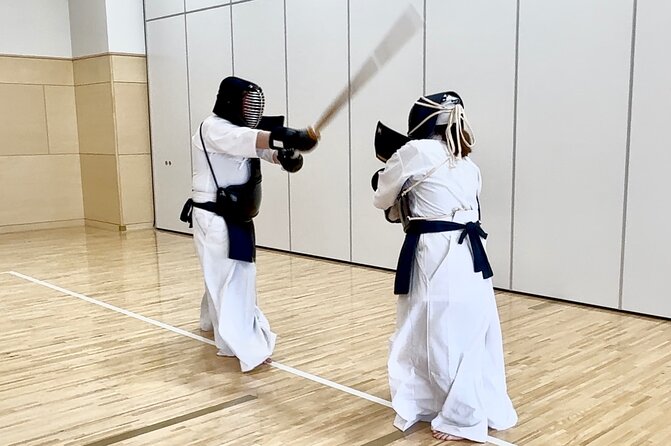
Each person receives a bamboo sword, known as a shinai, for the practice. Kendo clothing is also provided, though you should bring or wear comfortable clothes underneath or for the session. The activity information does not list meals, so plan to eat before or after the class if needed.
The exact sequence of every drill is not specified, but you can expect instruction in basic kendo movements before putting them into practice. A previous participant described the lesson as well structured and varied, with movement through different practice areas. That suggests a useful rhythm rather than one repeated exercise for two hours.
For you, the value is in trying the movements yourself. Watching a demonstration cannot tell you how much coordination is needed. Holding the bamboo sword, following Takeru’s directions, and repeating the form gives you a better feel for the discipline.
Do not expect the bamboo sword to feel like a light toy. Kendo depends on controlled motion, and even a simple strike asks you to coordinate your stance, arms, and attention. Takeru’s role is to keep the session accessible, so beginners should not worry about arriving with the correct technique.
The activity is suitable for most participants, according to the supplied participation information. Still, it is a physical class, and the optional exercises can be demanding. If you are unsure about the pace, start with the standard lesson and ask before adding anything strenuous.
The armored strike that brings the lesson together
Near the end, you strike Takeru’s armor. This is likely to be the moment you remember most clearly because it turns the earlier instruction into a direct, physical exchange. You are not simply posing with equipment. You use the basic movement you have just learned and make contact with a properly protected instructor.
Up to two people can wear kendo protectors during the activity. If that appeals to you, tell Takeru while booking. The information does not say that every participant can wear full protection, so do not assume the protective equipment is available for an entire large group.
This limit is worth noting for families or groups. The class itself is private, but the protector option is limited to two people. You can still take part with the bamboo sword if you do not wear the armor, but ask ahead if this is central to your plans.
I like the way the armored strike gives the two-hour session a clear finish. You begin with an explanation, move through basic practice, and end with a goal. It also gives you a simple measure of progress: you understand enough of the form to try it against Takeru’s protection.
Writing your name in Japanese calligraphy
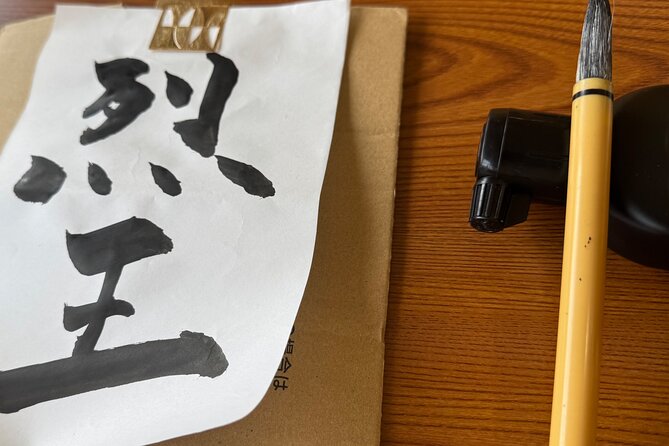
Calligraphy is included, and you write your own name. This shifts the pace from physical training to a quieter cultural activity. It also gives you something personal to take away in memory, though the information does not specify whether the finished work is mounted or formally presented.
The calligraphy portion helps make the activity broader than a martial arts workout. You get a look at two different forms of discipline: controlled movement with the bamboo sword and controlled brushwork on paper. Both require attention, though the class does not present calligraphy as a separate long workshop.
If you have only two hours in Nakashibetsu, this combination is efficient. You get exercise, instruction, a cultural talk, and a creative task without booking several separate activities. I would still treat the calligraphy as a short extra rather than the main reason to book.


Optional hard training for a stronger workout
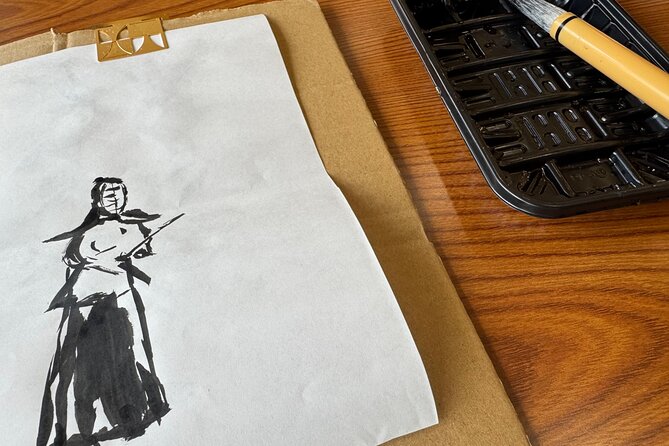
The standard class covers the basic techniques and spirit of kendo. If you want more intensity, Takeru can arrange additional exercises, including 100 continuous strikes or work with a heavy sword. These options are not required, and you should request them if you want a tougher physical challenge.
This flexibility is useful because the same booking can suit different kinds of visitors. A first-time participant can focus on form and culture. Someone already comfortable with exercise can ask for a more demanding session.
The optional work also changes the value of the class for you. At the listed price of $3.27 per person, the basic experience is unusually inexpensive. If you add a harder program, you are getting more physical training from the same appointment, though you should confirm the details with Takeru when arranging it.
I would not choose the heavy sword option without asking exactly how it will be used and what clothing or fitness level is appropriate. The supplied information confirms that it can be arranged, but it does not provide a full description of the exercise. Start with clear expectations and let the instructor set a safe pace.
Is $3.27 good value?
At $3.27 per person, the price is strikingly low for a private, two-hour activity that includes equipment, clothing rental, entrance, instruction, and calligraphy. The bamboo sword is provided for each participant, so you do not need to buy or bring specialist gear.
The value becomes even better if you need transport from one of the listed eastern Hokkaido airports. Free pickup is available from Nemuro Nakashibetsu, Kushiro, and Memanbetsu airports, with free drop-off inside Nakashibetsu town after the lesson. That can remove a separate transfer cost and some planning work.
Prices and availability can change, so check the current amount before paying. The supplied rate should be treated as the price provided for this experience, not a promise that it will remain fixed.
There are limits to what the low price tells you. This is not a long kendo school course, and the standard session is only about two hours. You are paying for a compact introduction, not a complete education in swordsmanship. For a visitor curious about Japanese martial arts, that is a strong bargain. For someone seeking advanced instruction, it is only a first step.
Getting there and planning your timing
The meeting point is Nakashibetsu Budokan, 1-chōme-6 Maruyama, Nakashibetsu, Shibetsu District, Hokkaido 086-1164. The activity ends at the same meeting point unless you use the stated drop-off option inside Nakashibetsu town.
The site is listed as near public transportation, but the information does not name a specific station or route. If you are not using the airport pickup, check your local transport plan before the day of the class.
Airport pickup is available only from the eastern Hokkaido airports named in the details: Nemuro Nakashibetsu, Kushiro, and Memanbetsu. The vehicle is air-conditioned. If you need a pickup, give the provider your flight and timing details at booking so the arrangement is clear.
The experience is commonly booked about 21 days ahead. That is a useful planning clue, especially if your Hokkaido schedule is tight. I would reserve before building the rest of your east Hokkaido route around the class.
Free cancellation is available when you cancel at least 24 hours before the local start time. Changes or cancellations inside that window are not accepted for a refund. The activity also requires good weather, and if poor weather causes cancellation, you are offered another date or a full refund.
Who should book this Nakashibetsu experience?
I would recommend it to you if you want a direct introduction to Japanese culture and do not want to spend several days studying martial arts. The class works especially well for first-time participants, couples, small private groups, and anyone passing through eastern Hokkaido.
It is also a practical choice if you are flying into Nemuro Nakashibetsu, Kushiro, or Memanbetsu and can use the free pickup. The combination of transport, equipment, instruction, and calligraphy makes the booking easy to fit into a regional itinerary.
Families and friends should note the protector limit. Only two people can wear the kendo protectors, so decide in advance who wants that part. Everyone can still use a bamboo sword, but the full protective experience is not available to unlimited participants.
I would be more cautious if your main goal is advanced kendo training. Takeru’s experience is substantial, but the session is built around basic movements, cultural explanation, and a first armored strike. It gives you a taste of the discipline, not a substitute for regular practice.
Should you book it?
Book this class if you want to do something active, personal, and distinctly Japanese in Nakashibetsu. Takeru’s patient teaching, the real budokan setting, the calligraphy, and the chance to strike armor make the two hours feel varied rather than like a simple photo stop.
The low listed price and airport pickup add real value. Just keep your expectations in line: this is a beginner-friendly introduction, and the more demanding exercises must be arranged rather than assumed. If that sounds like the right pace, it is an easy activity to add to an eastern Hokkaido trip.
FAQ
How long does the Nakashibetsu kendo class last?
The experience lasts approximately two hours.
Where does the experience begin?
It begins at Nakashibetsu Budokan, 1-chōme-6 Maruyama, Nakashibetsu, Shibetsu District, Hokkaido 086-1164, Japan.
Where does the activity end?
The activity ends back at the meeting point. Free drop-off inside Nakashibetsu town is also provided after the lesson.
Is equipment included?
Yes. A bamboo sword is provided for each participant, and kendo clothing is available to rent. You should bring or wear comfortable clothes.
Can beginners participate?
Yes. The instructor guides beginners through the basic techniques and movements, and most participants can take part.
Can I wear kendo protective equipment?
Up to two people can wear kendo protectors. You need to tell Takeru when booking if you want to use them.
Is cancellation free?
You can receive a full refund if you cancel at least 24 hours before the experience start time. Cancellations or changes made less than 24 hours ahead are not accepted for a refund. If poor weather causes the activity to be canceled, you are offered another date or a full refund.
More Workshops & Classes in Hokkaido
More Tour Reviews in Hokkaido
Other Hokkaido tours worth your shortlist






Workshops, side by side.
 ★ 5.0Wagashi traditional japanese sweets classFrom $59.3149 reviews
 ★ 5.02 hours sushi classFrom $20.0840 reviews
 ★ 5.0Private Japanese Cooking Class in Sapporo with Local Chef ShioriFrom $108.0034 reviews
 ★ 5.0Private Market Tour and Cooking Class with Kanae, a Sapporo LocalFrom $82.0029 reviews
The lists this tour appears in