Niseko is synonymous with powder snow. The ski resort area on the slopes of Mt. Niseko-Annupuri receives an average of 15 metres of snowfall per season, much of it the dry, light powder that skiers travel across the world to find. The consistent Siberian weather systems pushing moisture over the Sea of Japan and dumping it on these mountains create conditions that are genuinely world-class — Niseko regularly appears on lists of the snowiest ski resorts on earth, alongside places like Alta and Myoko.
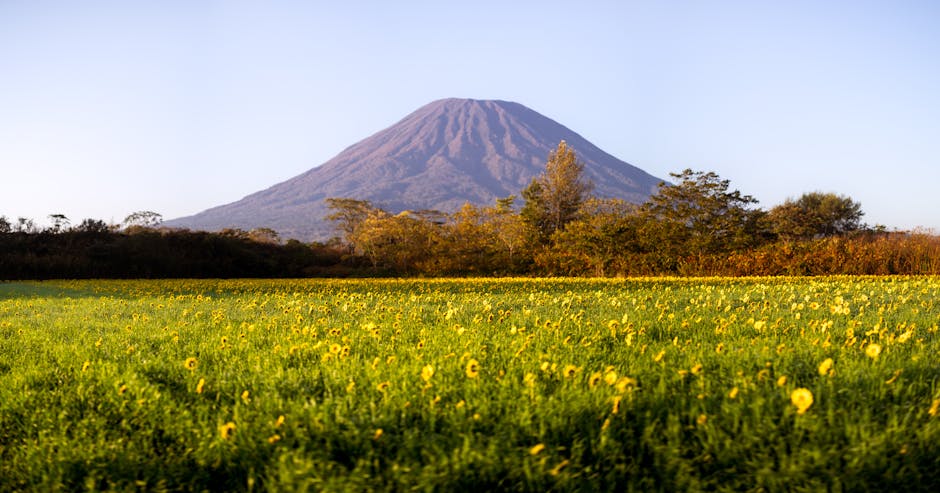
But Niseko is more than winter. The summer season has been growing steadily, with cycling, white-water rafting, hiking, and golf drawing visitors from June through October. The food scene — driven by the international community that has settled here permanently — is surprisingly strong for a mountain town. And the views of Mt. Yotei, the symmetrical volcanic cone that dominates the landscape from every angle, give the area a visual identity that sticks with you.
The Four Villages
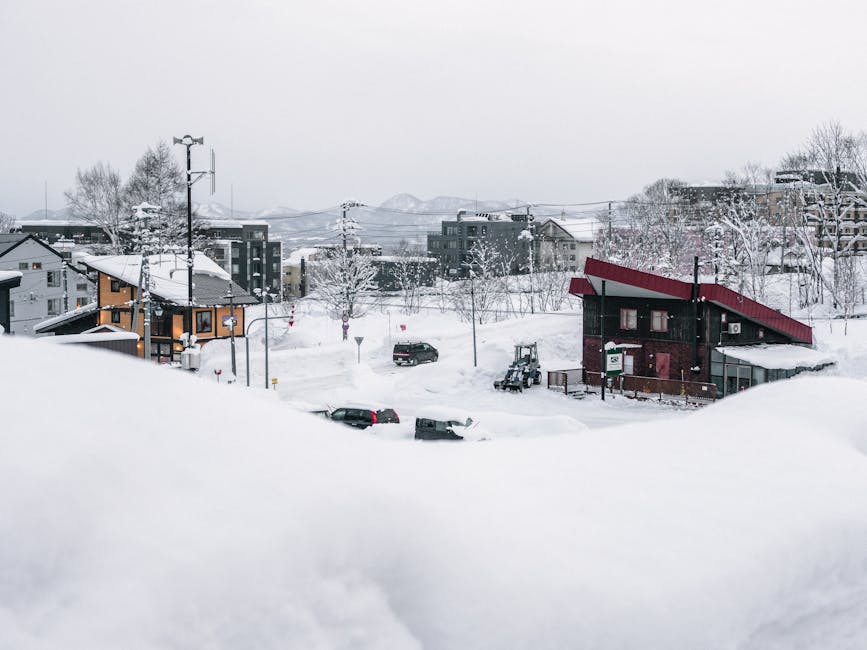
Niseko United is made up of four interconnected ski areas, each with its own base village. They share the same mountain and are linked by lifts and free shuttle buses, but the character of each village is distinct enough that your choice of base determines the feel of your trip.
Hirafu is the main village and where most international visitors stay. It has the greatest concentration of restaurants, bars, rental shops, and accommodation in the area. The main street climbs steeply from the lower village toward the gondola base station, and after dark in peak season the atmosphere is lively — izakayas, cocktail bars, and ramen shops serving a crowd that skews heavily Australian, Singaporean, and increasingly Chinese. The drawback is price and crowds, particularly during the Christmas-through-February peak.
Niseko Village is a self-contained resort zone anchored by the Hilton and the Ritz-Carlton Reserve. It is quieter, more manicured, and designed around the resort hotel experience rather than a village street scene. The skiing here suits beginners and intermediates particularly well, with wide groomed runs through birch forest. Families with young children tend to prefer Niseko Village for its flat walkways and ski school access.
Hanazono is the newest development, home to the Park Hyatt and the EDGE outdoor adventure centre. The terrain is known for tree runs and powder bowls. Outside of the Park Hyatt complex there is very little — no independent restaurants, no convenience stores — which makes it feel exclusive but also isolated.
Annupuri is the quietest village and the most Japanese in character. Lower prices, fewer international visitors, gentler terrain, and a calmer evening atmosphere. Limited dining is the trade-off. If you want Hirafu’s restaurant scene, you will be taking the shuttle.
For detailed hotel recommendations in each village, see our where to stay in Niseko guide.
Skiing and Snowboarding
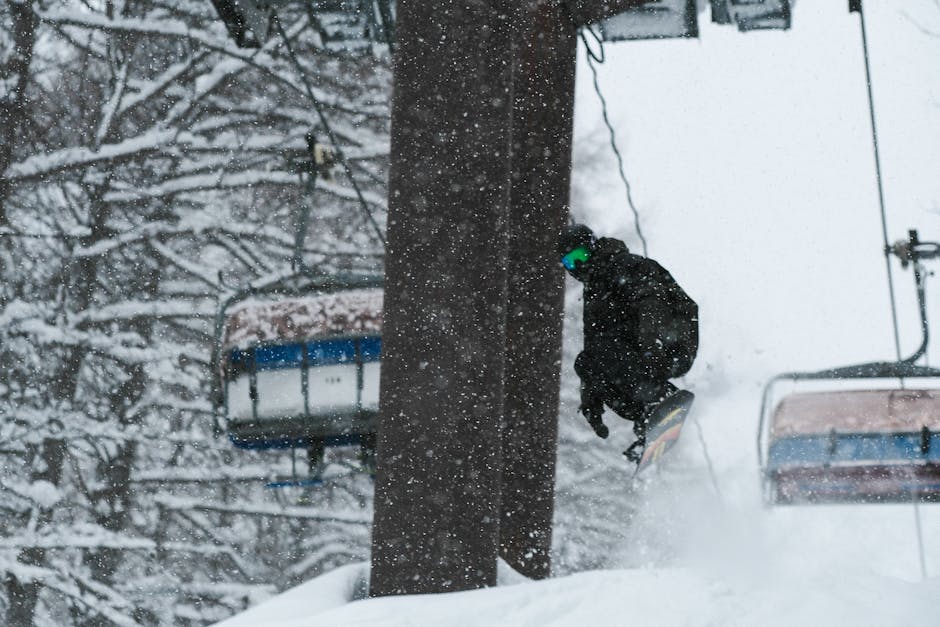
The season runs from late November to early May, with peak powder conditions typically January through March. The Niseko United all-mountain pass covers all four areas and costs approximately ¥8,100/day (~$55) for adults. Multi-day passes bring the per-day cost down considerably.
The snow quality is the main draw. Dry, light powder accumulates overnight and creates fresh conditions most mornings during peak season. The average annual snowfall of 14-15 metres means that even after a week without a storm, there is usually rideable powder in the trees. First tracks on a powder morning here are as good as skiing gets anywhere in the world.
The terrain covers all abilities. Annupuri has gentle cruisers through birch forest for beginners. Hirafu and Hanazono have steeper pitches, mogul fields, and accessible backcountry gates. The resort officially opens backcountry gates when conditions permit, giving advanced skiers and riders access to ungroomed terrain without needing a guide — though hiring one is recommended if you don’t know the mountain.
Night Skiing
Hirafu and Annupuri offer night skiing until 20:30 (Hirafu) or 20:00 (Annupuri). Skiing powder under floodlights with snow falling is a uniquely Niseko experience. The night skiing ticket is separate from the day pass (approximately ¥2,600/~$18) and is often uncrowded even when the daytime slopes are busy.
Backcountry and Off-Piste
Niseko’s backcountry gate system is one of the more progressive in Japan. When avalanche conditions are assessed as safe, gates open to marked exit points that lead into off-piste terrain. The most popular gate zones are on the Hirafu and Hanazono sides. Local guide companies offer half-day and full-day tours for those who want to explore further — Niseko Xtreme, Black Diamond Tours, and Hokkaido Backcountry Club are well-established operators. Expect to pay ¥15,000-30,000 (~$100-200) per person for a guided day.
Avalanche equipment (beacon, shovel, probe) is required beyond the gates. Rental sets are available from shops in Hirafu. Do not go beyond the gates without proper equipment and knowledge — people die in Niseko’s backcountry most seasons.
See our ski resorts guide for a detailed comparison of all Hokkaido resorts including Furano, Rusutsu, and Tomamu.
Food and Drink
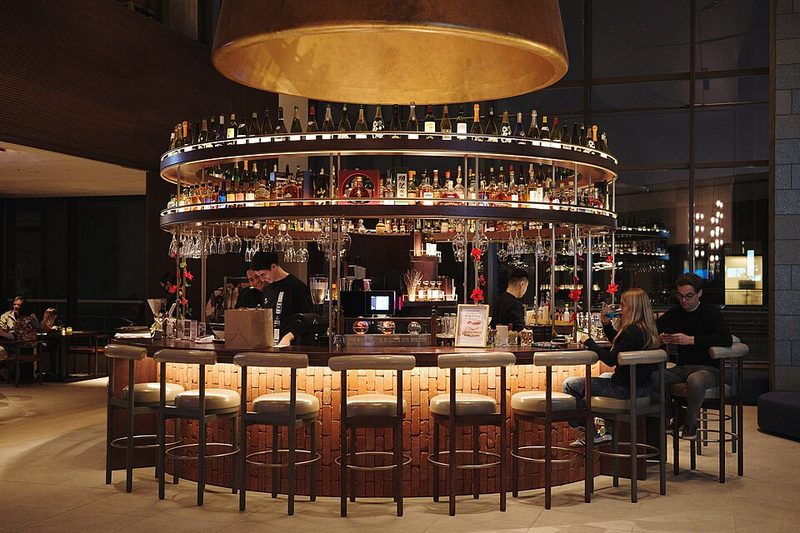
Niseko’s dining scene punches well above its weight for a mountain town. The international community that has settled here — chefs, entrepreneurs, and long-term residents from Australia, the UK, France, and elsewhere — has created a restaurant culture that mixes Hokkaido ingredients with global cooking techniques.
In Hirafu, options range from high-end Japanese kaiseki to Neapolitan pizza, from craft cocktail bars to late-night ramen. Kamimura is the fine-dining standout, serving French-Japanese tasting menus using Hokkaido produce (budget ¥15,000-20,000/~$100-135 per person). At the other end, Niseko Ramen Kazahana does a rich miso ramen for about ¥1,000 (~$7) that is exactly what you want after a cold day on the mountain.
The craft beer scene has grown noticeably. Niseko Brewing Company produces a range of ales that you can find on tap at several Hirafu bars. Lupicia Boutique sells Niseko-roasted coffee and tea blends.
Eating out in Niseko is expensive by Hokkaido standards. A dinner for two at a mid-range restaurant runs ¥8,000-15,000 (~$54-100) before drinks. Self-catering in an apartment with a kitchen (available at AYA, Ki, and many independent rentals) can save a significant amount, especially for families. The Lawson and Seicomart convenience stores in Hirafu stock basics, and a small supermarket in Kutchan (15 minutes by car) has a fuller range.
See our food guide for Hokkaido-wide eating recommendations.
Summer Activities
The green season (June through October) has been growing year on year as Niseko positions itself as a year-round destination. Hotel prices drop 40-60% from winter rates, and the pace is relaxed.
Rafting
White-water rafting on the Shiribetsu River is the most popular summer activity. The rapids are grade 2-3, suitable for beginners and families with children over 6. Half-day tours run about ¥5,500 (~$37) per person. The Hanazono EDGE outdoor centre is the main operator, with a base right in the Hanazono resort area. See our rafting guide.
Hiking Mt. Yotei
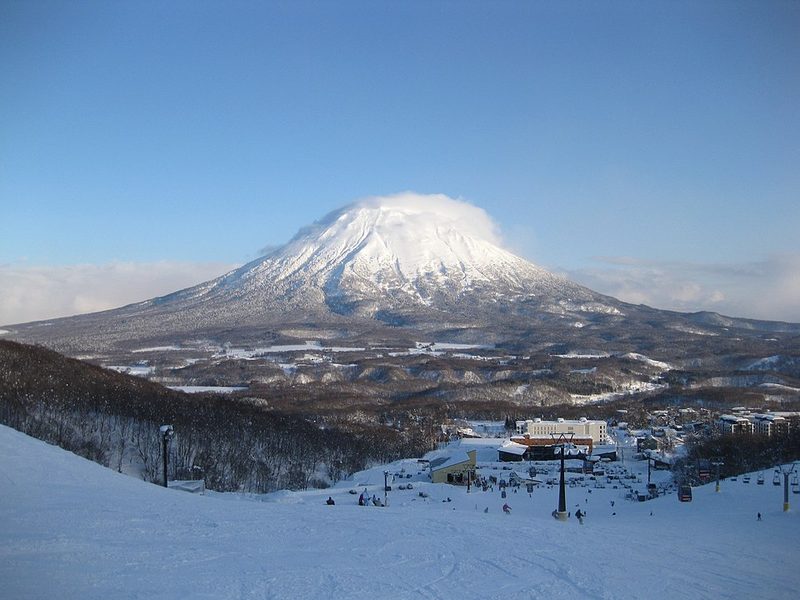
The symmetrical volcanic cone that dominates the Niseko skyline can be hiked in a long day. The Hirafu trail to the summit and back takes 8-10 hours and gains about 1,500m of elevation. It is a strenuous hike on a well-marked but steep trail — no technical difficulty, but you need fitness and early start (5:00-6:00 AM recommended). The crater at the top and the 360-degree views are the reward. See our hiking guide.
Cycling
The rolling farmland around Niseko, with Mt. Yotei as a constant backdrop, makes for excellent cycling. Road cycling routes loop through Kutchan, Kyogoku (where a famous natural spring produces some of the cleanest water in Japan), and the surrounding agricultural areas. Mountain biking trails have been developed on the ski slopes, with lift-accessed downhill runs in summer. Bike rental is available in Hirafu from about ¥3,000/day (~$20). See our cycling guide.
Golf
Several courses operate in the Niseko area from May to October. Niseko Village Golf Course and Hanazono Golf are the most popular, with mountain views from every hole. Green fees run ¥8,000-15,000 (~$54-100) depending on the course and day.
Onsen
Niseko sits on geothermally active ground, and several natural hot springs are within easy reach. Yukichichibu, about 20 minutes from Hirafu by car, is a no-frills outdoor bath in a forest setting with milky sulphur water and no entrance fee — just a donation box. It is mixed bathing and swimwear is acceptable. Goshiki Onsen, on the road toward Iwanai, has a rustic indoor bath with strongly acidic water (pH 2) in a remote mountain setting. Several of the resort hotels have their own onsen — Ki Niseko, the Hilton, and Northern Resort Annupuri all have natural hot spring baths open to guests. See our onsen guide.
Getting There
From Sapporo: Direct buses run from Sapporo Station and Sapporo New Chitose Airport to Hirafu and the other villages. The journey takes 2.5-3 hours and costs approximately ¥2,600 (~$18) from Sapporo or ¥4,500 (~$30) from the airport. In ski season, multiple operators run these routes with frequent departures. Book ahead during peak weeks.
By car: About 2 hours from Sapporo via Otaru and Route 5. Winter driving requires snow tyres (standard on all Hokkaido rental cars). The road is well-maintained but can be slow in heavy snowfall. See our car rental guide.
By train: JR to Kutchan Station (2.5 hours from Sapporo via Otaru), then local bus to the villages (15-20 minutes). The train is scenic but slower than the direct bus, and the Kutchan-to-village connection adds time. Covered by the JR Hokkaido Rail Pass.
See our transport guide for all options.
When to Go
January–February: Peak powder. Deepest snow, most consistent conditions, biggest crowds, highest prices. Book accommodation months ahead.
December and March: Excellent snow with fewer crowds and lower prices. Early December can be thin coverage; late March still delivers powder days more often than not.
April–May: Spring skiing. Warmer temperatures, corn snow in the afternoons, and the mountain is nearly empty. Some terrain closes but the main runs stay open into early May most years.
June–October: Green season. Rafting, hiking, cycling, golf. Prices at their lowest. July and August are warmest (20-25°C). September brings autumn colour to the lower slopes.
How Long
Ski trip: 3-5 days is the sweet spot. Enough time to explore all four areas and have a rest day if the weather turns. A week is not too long if you are a dedicated skier.
Summer visit: 2-3 days covers the main activities. Combine with Furano (1 hour east) and Otaru (1.5 hours north) for a multi-day central Hokkaido circuit.