Hakodate spreads along a narrow peninsula between two bays, with most visitor accommodation concentrated in three distinct areas. Where you stay determines what you wake up to, what you can walk to for dinner, and whether you need the streetcar. Each area has a different character and a different price point.
The station area is practical and connected. The Bay Area and Motomachi put you in the historic heart of the city. Yunokawa Onsen is a hot spring resort 30 minutes out by streetcar. All three connect by a single tram line, so you are never more than 30 minutes from anywhere regardless of where you base yourself.
Quick Comparison
| Area | Best For | Vibe | Price Range |
|---|---|---|---|
| Hakodate Station | Morning market, transport hub, first-timers | Practical, commercial | 5,000-15,000 yen/night |
| Bay Area / Motomachi | Night view, history, couples | Historic, atmospheric, romantic | 8,000-25,000 yen/night |
| Yunokawa Onsen | Hot springs, relaxation, traditional experience | Resort, traditional Japanese | 10,000-40,000 yen/night |
Hakodate Station Area
The most practical base for a first visit. Hakodate Station sits at the centre of the city’s transport network: limited express trains from Sapporo (3.5 hours), connecting services to the Shinkansen at Shin-Hakodate-Hokuto (18 minutes by Hakodate Liner), airport shuttles, highway buses, and the streetcar that runs to the Bay Area and Yunokawa. Everything radiates from here.
The immediate draw is the Hakodate Morning Market (Asaichi), which opens at 5 AM directly adjacent to the station’s south exit. Walk two minutes from your hotel lobby and you are standing in front of stalls selling fresh uni-don, grilled scallops, crab legs, and the famous squid fishing game where you hook your own squid and the chef prepares it on the spot. Having the market on your doorstep means you can visit before most of the city wakes up, eat a seafood breakfast that would cost three times as much in Tokyo, and still be back at your hotel by 8 AM.
The area around the station is functional rather than beautiful. Chain restaurants, convenience stores, and business hotels cluster along the main road. The historic charm is in Motomachi, a streetcar ride away. But if your priorities are transport connections and the morning market, this is the right area.
OMO5 Hakodate by Hoshino Resorts
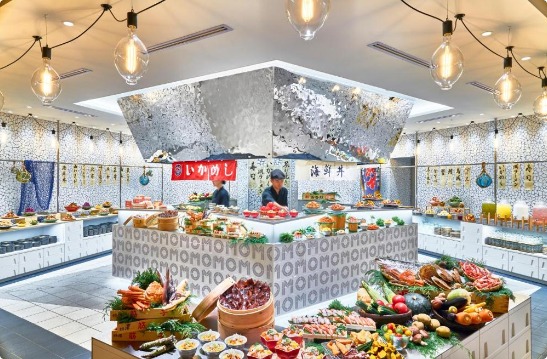
A design-forward hotel from Japan’s Hoshino Resorts group, positioned between a hostel’s social energy and a hotel’s comfort. The public spaces are deliberately lively: local craft beer on tap, Hakodate-themed decor and artwork, communal tables designed to encourage conversation. Staff organize free guided walks to the morning market each day, pointing out stalls and explaining what is in season.
Rooms are compact (this is the trade-off for the lower price point within the Hoshino family) but thoughtfully designed with good beds, reading lights, and enough storage to not feel cramped. The brand targets younger travelers and couples who want more personality than a business hotel but are not looking for luxury.
- Pros: Design and atmosphere, morning market walks, Hoshino service quality at mid-range prices, craft beer in the lobby
- Cons: Compact rooms, the social atmosphere is not for everyone, can feel crowded during peak season
- Price: From approximately 8,000-15,000 yen/night
- Distance to station: 3-minute walk
JR Inn Hakodate
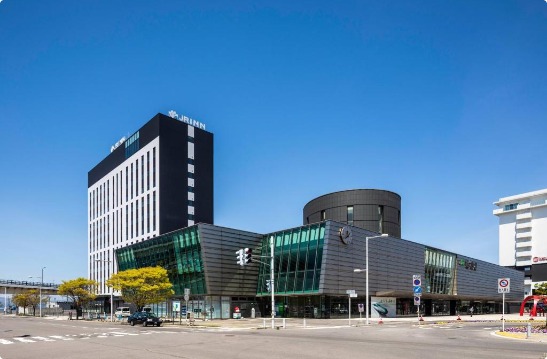
Connected directly to Hakodate Station via a covered walkway. Step off the train from Sapporo and walk to your room without going outside, which matters in January when the wind chill makes the short walk to other hotels less appealing. The hotel’s main selling point beyond location is the top-floor onsen bath with views over the harbour and Mount Hakodate. After a day of sightseeing, soaking in the bath while watching the city lights come on is a genuine highlight.
The breakfast buffet deserves mention: unlike most business hotel breakfasts, JR Inn features Hakodate seafood including ikura (salmon roe), squid sashimi, and local dairy. Rooms are standard business hotel quality with clean lines, firm beds, and reliable climate control. No design flair, but everything works.
- Pros: Direct station connection (no outdoor walk), rooftop onsen with harbour views, excellent seafood breakfast, JR group reliability
- Cons: Business hotel aesthetics, rooms are functional rather than charming
- Price: From approximately 7,000-14,000 yen/night
- Distance to station: Direct connection (0 minutes)
La’gent Stay Hakodate Ekimae
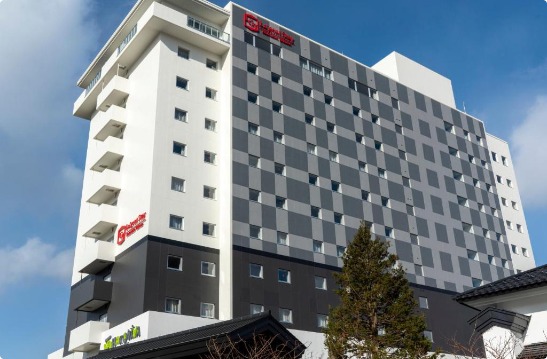
A newer budget option that competes on value rather than character. Clean, modern rooms with proper beds and blackout curtains. Coin laundry on-site. The building is recent enough that everything still feels new: no worn carpets, no mysterious stains, no rattling air conditioning units. For travelers who just need a clean, functional base and plan to spend their time outside the hotel, this delivers without unnecessary cost.
- Pros: New building, good value, station proximity, coin laundry
- Cons: Basic amenities, compact rooms, no onsen or notable facilities
- Price: From approximately 5,000-9,000 yen/night
- Distance to station: 2-minute walk
Bay Area and Motomachi
The historic heart of Hakodate and the most atmospheric area to stay. Red brick warehouses from the port-trading era line the waterfront, converted into shops, restaurants, and event spaces. Above them, the hillside neighbourhood of Motomachi climbs steeply through streets of Western-style buildings, churches with onion domes, and former consulate residences from the 1850s when Hakodate was one of the first Japanese ports opened to foreign trade.
The Mt. Hakodate Ropeway base station sits at the top of Motomachi. The night view from the summit, looking down at the narrow peninsula outlined by lights from two bays, is consistently rated among the top three night views in Japan. Staying in this area means the ropeway is a short walk from your hotel, which matters because the last ropeway runs at 22:00 (21:00 in winter) and taxi availability is limited.
The trade-off for atmosphere is distance from the station and morning market (about 10 minutes by streetcar, or a 20-minute walk). If the night view and historic architecture matter more to you than morning market convenience, this is where to stay.
La Vista Hakodate Bay
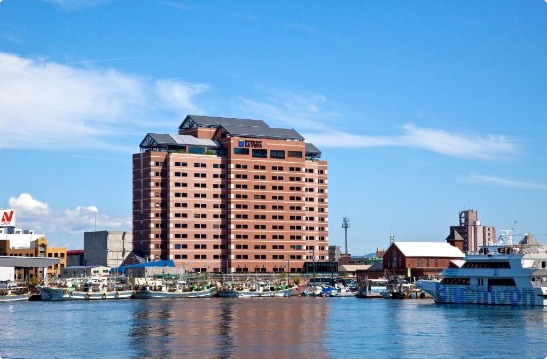
The most popular hotel in the Bay Area and possibly in all of Hakodate. Two things make it exceptional: the rooftop onsen overlooking the harbour, and a breakfast buffet that has been rated among the best hotel breakfasts in Japan for multiple years running.
The breakfast features a build-your-own seafood donburi station where you pile fresh ikura, uni, crab, shrimp, squid, and salmon onto a bowl of rice. The quality of ingredients is restaurant-grade, not hotel-buffet-grade, and you can return as many times as you want. Guests have been known to plan their entire Hakodate trip around this breakfast. The rooftop onsen, meanwhile, gives panoramic views of the bay, the mountains, and on clear days, the shimmer of the Tsugaru Strait.
Rooms are Western-style with a warm, lodge-like aesthetic. Upper floors offer bay views worth requesting at booking. The hotel sits in the red brick warehouse district, putting evening strolls along the illuminated waterfront at your doorstep.
- Pros: Legendary breakfast buffet (build-your-own seafood don), rooftop onsen with harbour views, red brick warehouse location, consistently excellent reviews
- Cons: Extremely popular and often fully booked, premium pricing, breakfast crowds during peak season
- Price: From approximately 15,000-30,000 yen/night
- Distance to station: 15 minutes by streetcar or taxi
Check prices on Booking.com | Agoda
Hakodate Kokusai Hotel
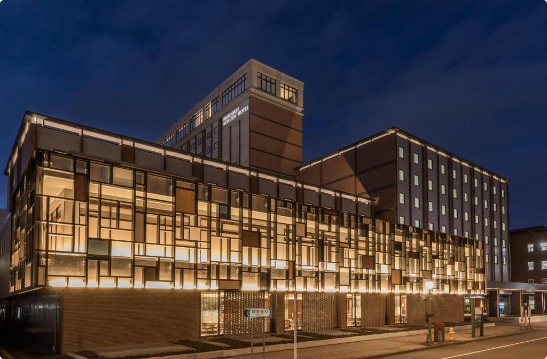
A large, established hotel occupying a central position between the Bay Area warehouses and the station district. Rooms are spacious by Japanese hotel standards, and upper floors offer harbour views. Multiple dining options include a seafood buffet. The hotel has been operating for decades and maintains a level of service that comes from experience rather than trendiness.
The location splits the difference between the station area’s convenience and the Bay Area’s atmosphere. You are 10 minutes from both by foot, which makes it a practical compromise for travelers who want a bit of both without committing fully to either area.
- Pros: Spacious rooms, central location between station and bay, established service quality, harbour views
- Cons: Older building shows its age in places, not as stylish as newer competitors
- Price: From approximately 10,000-20,000 yen/night
HakoBA (THE SHARE HOTELS)
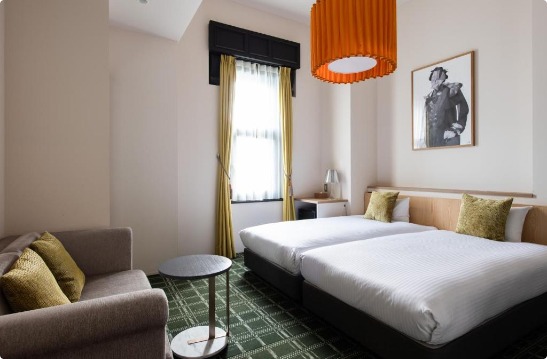
A converted bank building reimagined as a design hotel with shared spaces. The former bank vault serves as a lounge, the high ceilings of the original architecture create dramatic public areas, and the overall aesthetic is industrial-meets-Scandinavian. A mix of private rooms and dormitory beds makes it accessible across budget levels.
The Bay Area location puts you steps from the warehouses. The rooftop terrace (seasonal) offers views toward Mt. Hakodate. This is the choice for design-conscious travelers and solo visitors who want more social atmosphere than a standard hotel provides.
- Pros: Stunning converted building, Bay Area location, range of room types from dorm to private, social atmosphere
- Cons: Sound carries in converted buildings, dorm rooms lack privacy, limited facilities
- Price: From approximately 3,000 yen (dorm) to 12,000 yen (private room)
Yunokawa Onsen
A hot spring resort district along the coast, 30 minutes from central Hakodate by streetcar (line 2 or 5 to the terminus). Yunokawa has been an onsen town for over 360 years, and the concentration of ryokans and resort hotels along the seafront gives it an atmosphere entirely different from the city centre.
This is where you come for the traditional Japanese accommodation experience: tatami-matted rooms, kaiseki multi-course dinners served in your room or a private dining area, yukata robes for wandering between bath and dinner, and the sound of waves if your room faces the ocean. The onsen water here is sodium chloride-based, good for warming the body and soothing muscle fatigue.
Yunokawa is also known for its monkey onsen at the Tropical Botanical Garden (winter only), where Japanese macaques bathe in a hot spring pool while visitors watch from behind a fence. It has become one of Hakodate’s most photographed attractions.
The trade-off for the onsen experience is distance from Hakodate’s main sightseeing. The morning market, warehouses, and Motomachi are 30 minutes away by tram. Most guests treat Yunokawa as a one-night immersion: arrive in the afternoon, bathe, eat kaiseki for dinner, bathe again, sleep, bathe once more in the morning, then head back to the city. It works well as the final or first night of a Hakodate visit.
Kappo Ryokan Wakamatsu
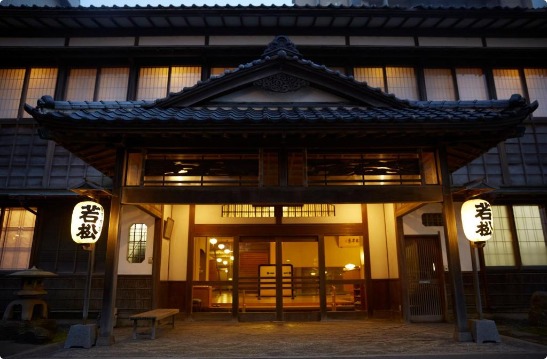
The most food-focused ryokan in Yunokawa. The name “kappo” (a style of Japanese haute cuisine where the chef prepares food in front of guests) signals the priority: dining comes first. The kaiseki dinner uses Hakodate’s seafood prepared with the kind of precision that earns restaurant guide recognition. Each course arrives timed to the previous one, the presentation is meticulous, and the quality of ingredients reflects direct purchasing from the morning market.
Rooms are traditional tatami with ocean views from the upper floors. The onsen includes private baths bookable by the hour, which suits couples and those uncomfortable with communal bathing. Service follows the formal ryokan tradition: attentive, anticipatory, and conducted with a level of ceremony that may feel unfamiliar to first-time ryokan guests but becomes part of the experience.
- Pros: Exceptional kaiseki cuisine (the reason to stay here), private onsen baths, traditional luxury, ocean views
- Cons: Premium pricing (25,000-50,000+ yen with dinner), formal atmosphere, limited English (though staff make every effort), traditional rooms may not suit all preferences
- Price: From approximately 25,000-50,000 yen/night (includes dinner and breakfast)
Yunokawa Prince Hotel Nagisatei
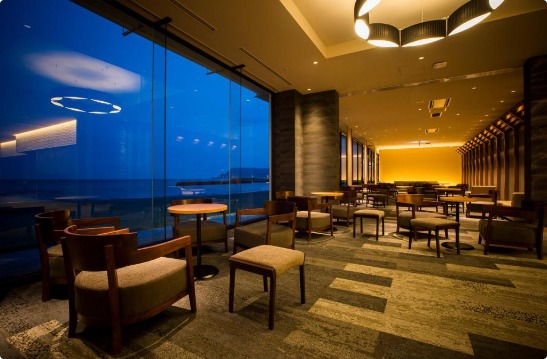
A large onsen resort hotel that bridges the gap between traditional ryokan and international hotel. The main attraction is the ocean-facing outdoor rotenburo (open-air bath): soaking in hot mineral water while watching the sun set over the Tsugaru Strait is one of those experiences that justifies the entire trip to Yunokawa. The indoor baths are extensive too, with multiple pools at different temperatures.
Dinner is buffet-style rather than kaiseki, featuring Hokkaido seafood, grilled meats, and a range of Japanese and Western dishes. Less refined than a ryokan dinner but more accessible for international visitors and families. Rooms are available in both Japanese (tatami) and Western styles.
- Pros: Outstanding ocean-view outdoor onsen, accessible for non-Japanese speakers, family-friendly, buffet dinner with Hokkaido ingredients, reasonable for an onsen resort
- Cons: Large resort feel (less intimate than a ryokan), buffet rather than kaiseki, can feel busy during peak periods
- Price: From approximately 12,000-25,000 yen/night (with dinner)
Hanabishi Hotel
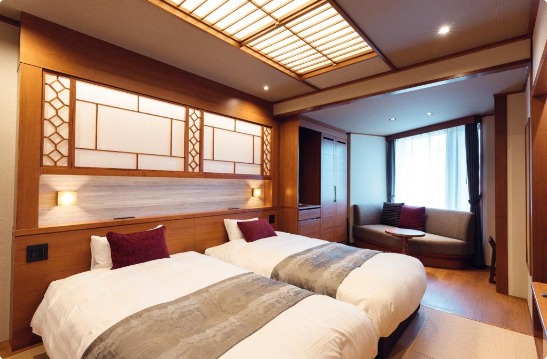
One of Yunokawa’s grand old hotels, operating since the 1920s. The building has been renovated multiple times but retains the sense of a seaside resort from a different era. Multiple bath types including a large communal onsen and smaller private options. Both Japanese and Western room styles available. The hotel occupies a prime oceanfront position with direct beach access.
- Pros: Historic property, oceanfront position, extensive onsen facilities, both room styles available
- Cons: Shows its age in some areas, service can be inconsistent
- Price: From approximately 10,000-20,000 yen/night
Getting Around Hakodate
The streetcar (tram) connects all three accommodation areas on a single system. A one-day pass costs 600 yen and covers unlimited rides. Key journey times:
- Hakodate Station to Bay Area (Jujigai stop): approximately 5 minutes
- Hakodate Station to Motomachi (Suehirocho stop): approximately 8 minutes
- Hakodate Station to Yunokawa: approximately 30 minutes
The streetcar runs from approximately 06:00 to 23:00. After hours, taxis are available but not abundant. If you plan to use the Mt. Hakodate Ropeway for the night view and stay in Yunokawa, check the last streetcar time to ensure you can get back.
See our Hakodate city guide for full transport details, food recommendations, and the complete guide to the Mt. Hakodate night view.
When to Book
- Cherry blossom (late April to early May): Goryokaku Fort draws large crowds for sakura viewing. The star-shaped moat outlined in pink cherry blossoms is one of Japan’s most distinctive hanami spots. Book 2-3 months ahead for this period.
- Summer (July to August): Comfortable weather and domestic tourists. Hakodate Port Festival in early August adds atmosphere. Book 1-2 months ahead.
- Christmas Fantasy (December): The Bay Area warehouses host a Christmas-themed illumination event with a large tree. Hotels in the Bay Area see increased demand.
- Best value: March, June, and November offer lower rates and easier availability. The city is quieter but no less interesting.