Furepe Fall becomes a wall of blue ice in winter, with the Sea of Okhotsk opening out beyond it. The best part is the contrast: a quiet snow trail leads to a wide, wild view that can include drift ice from February through March.
In This Article
- Key points
- Why Furepe Fall is worth seeing in winter
- A three-hour route made for first-time snowshoers
- Furepe Waterfall, frozen from spray to icicle
- Wildlife watching without turning the hike into a safari
- How the small group improves the walk
- What the $44.30 price includes in practical terms
- Weather, clothing, and physical demands
- Who should book this Shiretoko snowshoe walk
- Booking timing and cancellation flexibility
- Should you book the Furepe Fall snowshoe hike?
- FAQ
- Where does the snowshoe hike start?
- Where does the activity end?
- How long does the experience last?
- Is the hike suitable for beginners?
- Is snowshoe equipment provided?
- What will I see at Furepe Fall?
- Can I see drift ice?
- Will I definitely see wildlife?
- How many people can join the activity?
- Is pickup available?
- Can I cancel for a full refund?
I like the beginner-friendly pace and the fact that snowshoes and suitable deep-snow gear are loaned to you. I also like the small maximum of eight people, which helps the guide keep an eye on everyone. The main consideration is weather: this is an outdoor hike in northern Hokkaido, and poor conditions can force a new date or cancellation.
Key points
- Blue winter ice at Furepe Fall: Frozen water and windblown spray create unusual shapes around the falls.
- Sea of Okhotsk views: From above the waterfall, you can look toward the open sea and, in February and March, seasonal drift ice.
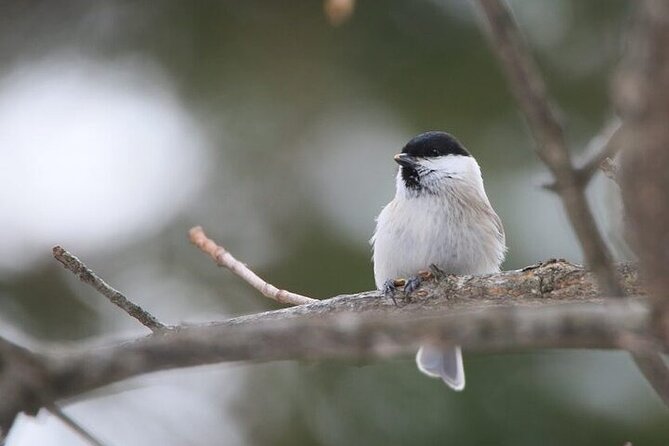
- Wildlife possibility: Deer may appear along the route, even in rough weather.
- Snow gear provided: You can borrow equipment suited to walking through deep snow.
- Small group size: The outing is limited to eight people.
- Three-hour return walk: You start and finish at the Utoro-Shiretoko roadside rest area.
Why Furepe Fall is worth seeing in winter
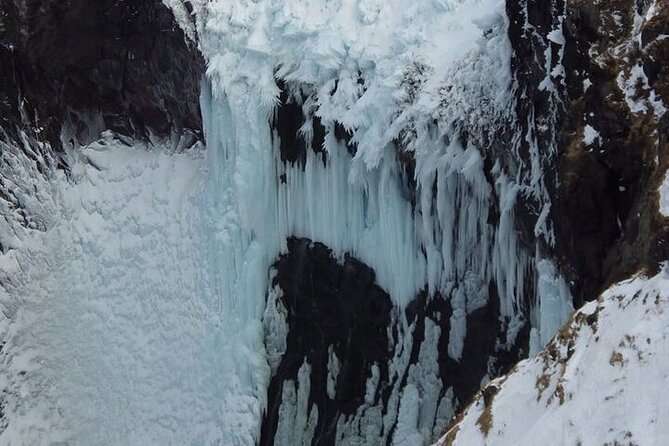
Furepe Fall is not just a summer waterfall with snow added around the edges. In winter, the water freezes into blue icicles, and spray carried by the north wind forms strange shapes on the ice. The effect is quiet and otherworldly without needing a long or technical expedition.
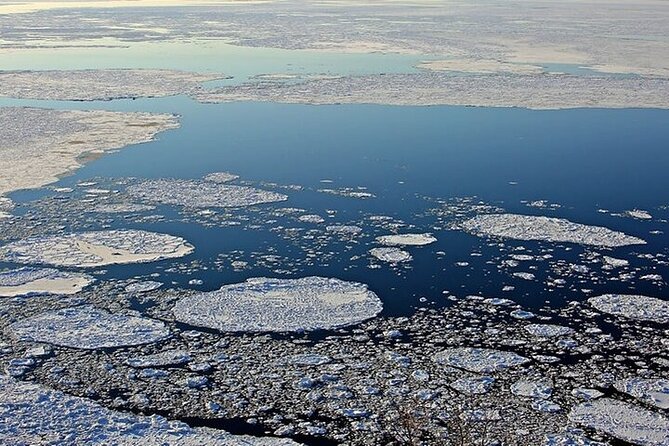
Behind the falls, the Shiretoko mountain range rises in silvery white. Turn the other way and the view reaches across the Sea of Okhotsk. If you come between February and March, drift ice may cover the sea below, changing the view from dark open water to a broad sheet of white and blue.
That seasonal change is the reason to time this outing carefully. The waterfall remains the main sight, but the drift ice gives the trip an extra layer that you will not get at every point in winter. Conditions vary, so the presence of ice cannot be promised. Still, the possibility makes late winter especially appealing.
Our other Hokkaido reviews may also help you decide


A three-hour route made for first-time snowshoers
You meet at the Roadside Rest Area Utoro-Shiretoku, at 186-8 Utoronishi in Shari, Hokkaido. The walk begins and ends there, so you do not need to arrange a separate return transfer after the hike.
The route is designed for beginners, but beginner-friendly does not mean effortless. You should have a moderate level of physical fitness and be comfortable spending about three hours outside in winter conditions. Snowshoes make deep snow easier to cross, yet you will still be walking over uneven ground and through a cold, changing environment.
The guide sets the pace, and the small group limit of eight matters here. A guide can respond more easily when someone needs a slower rhythm, a short pause, or help using the snow equipment. One particularly useful detail is that the gear is loaned to you, including equipment appropriate for deep snow. That saves you from buying or packing specialized gear for one outing.
Do not expect a fast march from one photo stop to the next. The appeal is the route itself: quiet snow, possible animal tracks or sightings, and changing views as you approach the falls. Your guide will also be managing safety, especially if wind or falling snow reduces visibility.
Furepe Waterfall, frozen from spray to icicle
The one formal stop is Furepe Waterfall, and it deserves the attention it receives. In winter, the waterfall freezes into blue columns and icicles. Wind from the north blows mist from the falls onto nearby surfaces, where it can freeze into irregular forms.
You may find the waterfall more striking from a distance than up close. The setting puts the ice against the white Shiretoko mountains, giving the scene depth and scale. The waterfall is the detail that draws your eye first, but the mountain backdrop is what makes the stop feel expansive.
This is also the point where you look out toward the Sea of Okhotsk. On a clear day, the sea provides a strong horizontal contrast to the vertical ice and mountains. During the February to March drift ice period, the view can include a broad field of floating ice below the cliffs.
Weather will shape the experience. Snowfall, wind, and cloud can soften or hide the distant view. That does not make the walk pointless, but you should book it for the chance to see a winter scene rather than for a guaranteed postcard view. The activity requires good weather, and the operator may offer another date or a full refund if conditions are poor.
Wildlife watching without turning the hike into a safari
The wildlife part is a welcome bonus rather than a promise. Deer live in the wider Shiretoko area, and you might see them along the route. A sighting can be brief, especially in snow or a blizzard, so keep your attention on the forest and open areas instead of looking only at the waterfall.
One report from this experience describes seeing deer during a blizzard. That detail says something useful about the outing: wildlife may appear even when the weather is far from ideal. It also shows why a guide adds value. You are not simply walking through snow alone and hoping to notice something.
Still, you should not book this as a guaranteed animal encounter. The main purpose is the snowshoe walk and the frozen falls. If deer appear, they make the day better. If they do not, the ice, mountains, sea, and possible drift ice remain the core experience.
How the small group improves the walk
The maximum group size is eight people. That is small enough to feel more controlled than a large coach-style excursion, especially on a snowy route where people naturally move at different speeds.
The guide can keep the pace comfortable for first-time snowshoers. A published account of the activity describes an accommodating guide and a rhythm that worked well for beginners. That is important because confidence on snowshoes often comes from having time to learn the movement rather than being pushed to keep up.
The small group also helps with wildlife watching. Eight people create less noise and make it easier to stop briefly if an animal appears. It does not guarantee a closer sighting, but it is a better setup than a crowded group moving in a long line.
No guide names are provided for this experience, so you should not expect to request a particular guide. The useful point is the operating style: a small group, an adjustable pace, and equipment support for deep snow.
You can also read our reviews of more hiking tours in Hokkaido


What the $44.30 price includes in practical terms
At $44.30 per person, this is a fairly accessible way to see winter Shiretoko with a guide. The price is not simply paying for a viewpoint. It covers a three-hour guided outing, snowshoe support, access to a route that can be difficult to judge alone, and a chance to understand the winter setting safely.
The gear loan is a major part of the value. Buying snowshoes or arranging a full winter kit would add cost and hassle if this is your only snow walk in Hokkaido. The value is stronger if you are already staying near Utoro and can reach the roadside meeting point without paying for a long private transfer.
The price is less attractive if you want a quick, guaranteed attraction with no physical effort. This is an active outdoor experience, and the main sights depend on visibility, snow, wind, and the seasonal drift ice. You are paying for access and guidance in a wild winter setting, not a guaranteed wildlife show.
The activity has a 5 out of 5 rating based on nine published ratings, with the most positive points focused on gear, safety, a manageable pace, and the fun of seeing deer. That matches the features that matter most here.
Weather, clothing, and physical demands
You need a moderate level of physical fitness. The route is beginner-friendly, but snowshoeing uses more effort than ordinary walking, particularly in deep snow or after fresh snowfall.
Wear warm winter clothing and plan for changing conditions. The supplied information confirms that appropriate gear for deep snow is loaned, but it does not specify every item included. Ask the provider what is supplied if you are unsure about boots, outer layers, gloves, or other personal clothing.
Good weather is important enough to affect operation. Strong wind, heavy snow, or poor visibility can lead to a different date or a full refund. That policy protects you from being sent onto a route when the conditions are unsafe, but it also means you should leave some flexibility in your Hokkaido schedule if this walk is a priority.
A report of deer sightings during a blizzard may sound thrilling, but do not treat severe weather as a benefit. The guide’s job is to keep the group safe, and the activity can be canceled when conditions are unsuitable.
Who should book this Shiretoko snowshoe walk
I would choose this outing if you want a manageable introduction to winter Shiretoko rather than a demanding mountain trip. It suits first-time snowshoers, couples, solo visitors who prefer a guide, and small groups that want a scenic outdoor activity near Utoro.
It is also a good match if frozen waterfalls interest you more than a long list of stops. There is one main destination, but the route, wildlife possibility, mountain backdrop, and Sea of Okhotsk views give the three hours enough variety.
You may want to skip it if you dislike cold-weather activity, have limited mobility, or need a fully predictable schedule. The activity requires moderate fitness, depends on weather, and ends at the same meeting point rather than continuing to another attraction.
The mobile ticket and nearby public transportation make the meeting point relatively simple to manage. Pickup is offered, but the supplied details do not explain the pickup area or schedule, so confirm those specifics before booking if you need door-to-door transport.
Booking timing and cancellation flexibility
This experience is booked an average of 59 days in advance, which suggests that winter dates can fill well ahead of time. If you are visiting Shiretoko during the drift ice season, reserving early is sensible, particularly if your schedule has little spare time.
Confirmation is sent within 48 hours, subject to availability. That timing matters if you are building a tight travel plan around a specific day.
You can cancel for a full refund up to 24 hours before the local start time. Changes or cancellations inside that 24-hour window are not accepted for a refund. If the operator cancels because of poor weather, you are offered another date or a full refund.
Should you book the Furepe Fall snowshoe hike?
Book it if you want a short, well-supported winter walk with a real scenic payoff. The combination of frozen blue falls, Shiretoko mountains, the Sea of Okhotsk, and possible February to March drift ice gives this modestly priced outing more visual variety than its three-hour length suggests.
The strongest reasons to choose it are the loaned deep-snow gear, beginner-friendly pace, and group limit of eight. Those details reduce the usual stress of trying snowshoes for the first time.
Skip it if you need guaranteed wildlife, guaranteed clear views, or an indoor activity that runs in any weather. For everyone else, this is a practical way to experience Shiretoko in winter without committing to a full-day trek.
FAQ
Where does the snowshoe hike start?
It starts at the Roadside Rest Area Utoro-Shiretoku, located at 186-8 Utoronishi, Shari, Shari District, Hokkaido 099-4354, Japan.
Where does the activity end?
The activity ends back at the same meeting point where it begins.
How long does the experience last?
The snowshoe hike lasts approximately three hours.
Is the hike suitable for beginners?
Yes. The course is described as beginner-friendly, and the guide can maintain a pace suitable for first-time snowshoers. You should still have a moderate level of physical fitness.
Is snowshoe equipment provided?
Yes. Appropriate gear for walking through deep snow is loaned for the activity.
What will I see at Furepe Fall?
In winter, Furepe Fall can appear as blue icicles, with frozen shapes formed by spray blown by the north wind. You can also see the Shiretoko mountain range and the Sea of Okhotsk.
Can I see drift ice?
You may see drift ice from February through March. Its presence depends on the season and conditions.
Will I definitely see wildlife?
No. Wildlife sightings are possible, and deer may be seen along the route, but encounters are not guaranteed.
How many people can join the activity?
The maximum group size is eight people.
Is pickup available?
Yes, pickup is offered. The provided details do not specify the pickup area or exact schedule, so confirm those arrangements before the activity.
Can I cancel for a full refund?
Yes. You must cancel at least 24 hours before the local start time for a full refund. If poor weather causes the operator to cancel, you are offered a different date or a full refund.
More Hiking & Trekking Tours in Hokkaido
More Tour Reviews in Hokkaido


More Snowshoe Tours in Hokkaido
Other Hokkaido tours worth your shortlist



Snowshoe Tours, side by side.
 ★ 5.0Snowshoeing and Onsen Adventures in a Winter Wonderland -Sapporo.From $224.0230 reviews
 ★ 5.0Snowshoe Hike Tour from Sapporo include hotel p/up & drop offFrom $308.7316 reviews
 ★ 5.03.5hours Primeval Forest Snowshoe hike and Wildlife Watching TourFrom $55.5214 reviews
 ★ 5.0Snowshoe Adventures and Onsen Bliss Winter Escape in FuranoFrom $78.3812 reviews
The lists this tour appears in