Otaru is a port city 30 minutes west of Sapporo by train, built around a canal district that was once the commercial heart of Hokkaido’s herring trade. In the early 20th century, Otaru was the financial capital of Hokkaido — banks, trading houses, and shipping companies lined the streets, and the stone warehouses along the canal handled cargo from across the Sea of Japan. The herring industry collapsed in the 1950s, the banks moved to Sapporo, and Otaru quietly reinvented itself around its old architecture and its proximity to good fishing grounds.
Today the canal warehouses have been converted into shops, restaurants, and glass studios, and the waterfront draws day-trippers from Sapporo year-round. The city is compact enough to cover on foot in a day, though staying overnight lets you see the canal at its best — lit by gas lamps in the evening with far fewer people than the daytime crowds.
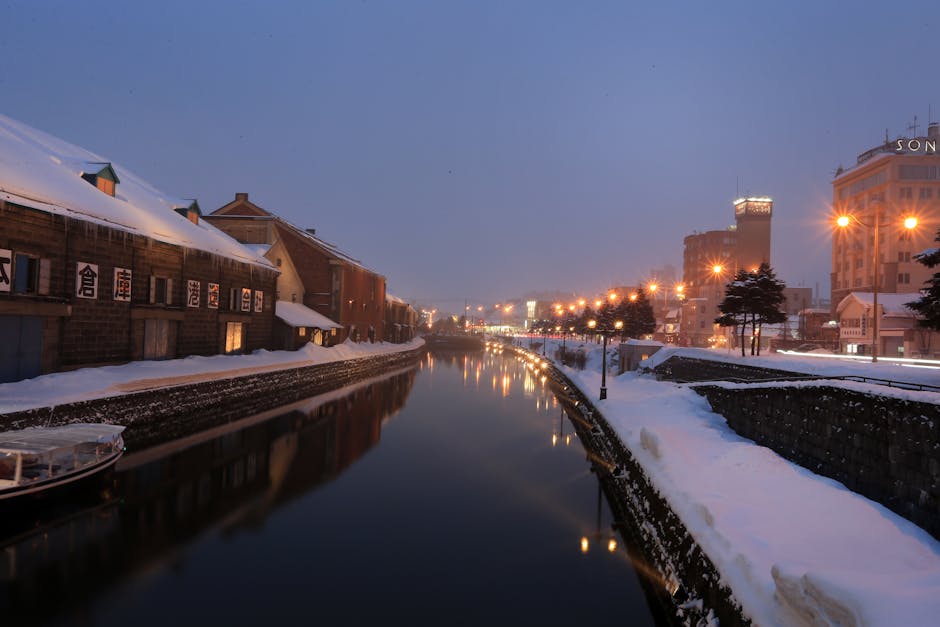
Otaru Canal
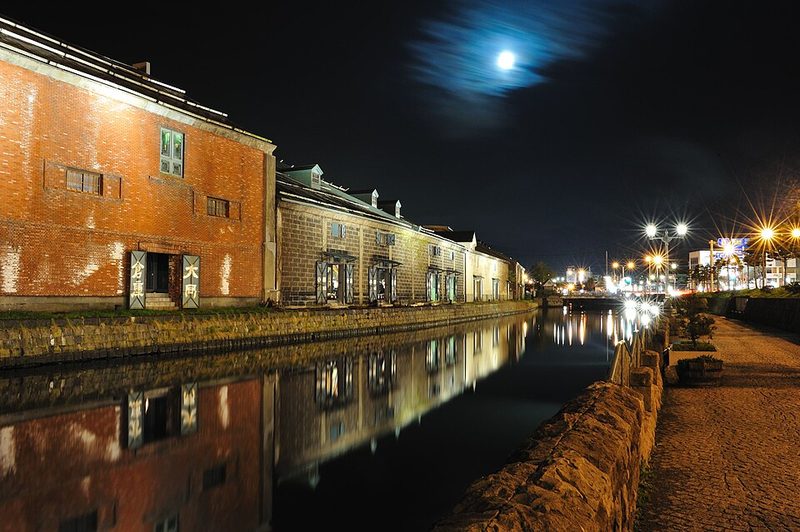
The signature image of Otaru. The canal was built in 1923 for loading and unloading cargo ships — goods were transferred from large vessels offshore to smaller boats that could navigate the shallow canal to the warehouses. The stone warehouses along the south bank have been preserved and repurposed as restaurants, bars, and shops, while a walking path runs along the north bank.
Gas lamps light the canal at dusk, and in winter the Snow Light Path festival (mid-February, about 10 days) lines the canal and surrounding streets with candles and snow lanterns. The winter version of the canal — snow on the warehouse roofs, warm light reflecting off the water, steam rising from restaurants — is the more atmospheric experience. Summer is pleasant but busier and less distinctive.
The canal is short, about 1.1 km, and takes 15 minutes to walk end to end. The atmosphere is the point, not the distance. The south section near the Otaru Museum is quieter and has some of the better-preserved warehouses. A short canal cruise runs in summer (¥1,500/~$10, about 40 minutes) and gives you a different perspective from water level.
Sushi and Seafood
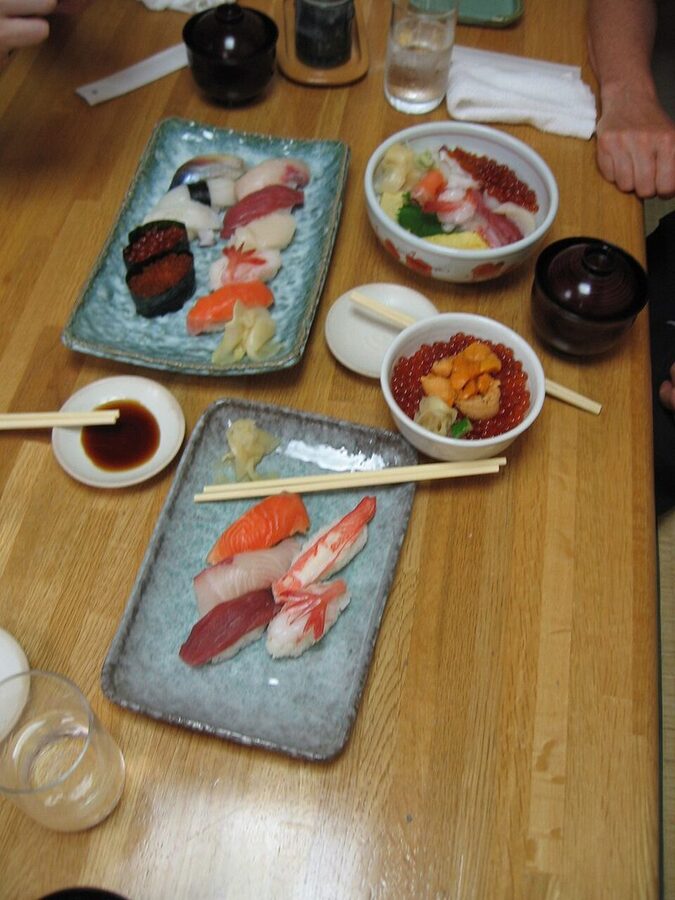
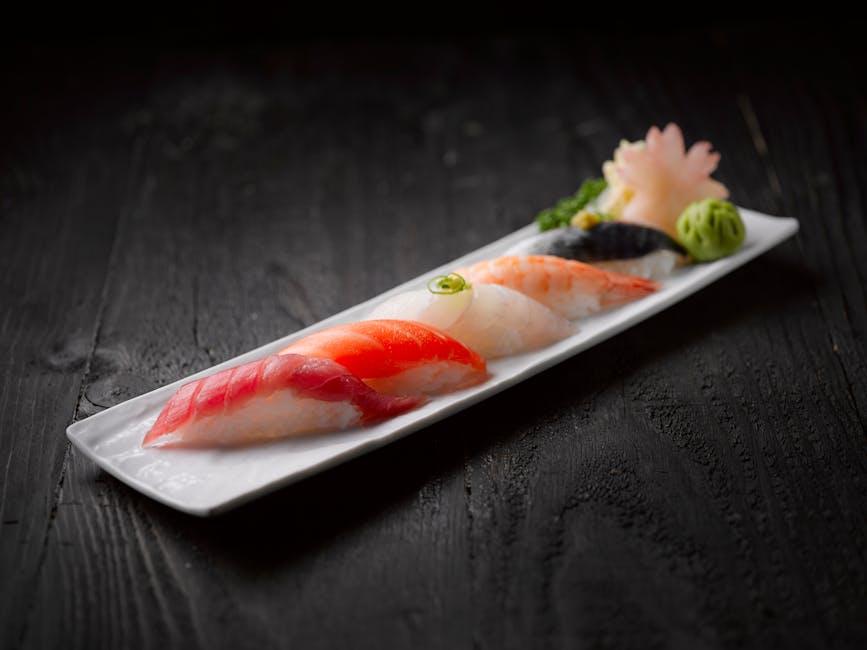
Otaru’s proximity to fishing grounds — the Sea of Japan is right there — means the seafood is fresh, and the city has built a reputation around sushi that draws visitors specifically to eat. The concentration of sushi restaurants along Miyako-dori (commonly called “Sushi Street”) near the canal is the main draw, with roughly a dozen sushi shops competing for attention.
Quality varies. The general rule: the less aggressive the touting outside, the better the food inside. The restaurants that station staff on the sidewalk to wave you in tend to be the weaker options. The ones with a queue and no one outside tend to be worth waiting for.
A sushi lunch at a mid-range restaurant runs ¥2,500-4,000 (~$17-27) for a set of 8-10 pieces. Higher-end omakase runs ¥5,000-8,000 (~$34-54). Prices are higher than equivalent quality in Sapporo due to the tourist premium, but the fish is the same grade — much of it comes from the same Otaru port auction.
Masazushi is one of the more reliable options on Sushi Street, with a counter where you can watch the chef work. Iseezushi, slightly off the main strip, tends to attract more locals. For uni (sea urchin), the season is June through August, and Otaru is one of the better places in Hokkaido to eat it fresh. See our sushi guide for more detail on what to order and what is in season.
Sankaku Market
A smaller, less tourist-oriented market near Otaru Station. The stalls sell fresh fish, seafood donburi (rice bowls with toppings you choose), and prepared foods at slightly lower prices than the sushi street restaurants. A seafood donburi runs about ¥1,500-2,500 (~$10-17). Worth a stop on arrival or departure — the market opens early (from 08:00) and closes by mid-afternoon.
Ankake Yakisoba
Otaru’s lesser-known local dish: thick stir-fried noodles covered in a savoury, slightly viscous sauce loaded with vegetables and seafood. It doesn’t photograph well and nobody outside Hokkaido has heard of it, but it is comfort food at its best. Multiple restaurants in the city centre serve it; Koharu has been doing it since 1954. About ¥800-1,100 (~$5-7) per serving.
Glass Studios and Music Boxes
Otaru has a tradition of glass-making that predates the tourist era. The fishing industry needed glass floats for nets, and the oil lamp industry needed glass chimneys — both were manufactured here from the late 1800s. When those industries declined, the glassworkers pivoted to decorative and artistic glass. Today several studios offer glassblowing workshops (¥1,500-3,000/~$10-20, about 20 minutes) and sell handmade pieces.
Kitaichi Glass is the most prominent, occupying several restored warehouse buildings near the canal. Their signature piece is a kerosene lamp with a globe shade — the same design they have been making for over a century. The No. 3 building is the main showroom; the canal-side cafe serves drinks in their own glassware.
The LeTAO music box museum (Otaru Orgel-do) sits at the corner of Sakaimachi-dori, the main shopping street. The building is an attractive stone-and-brick structure from 1912, and the collection includes antique European music boxes alongside modern Japanese ones. Entry is free. The steam clock outside, imported from Vancouver, whistles on the hour and has become an unofficial Otaru landmark.
Tenguyama
A ropeway (¥1,400/~$9.50 round trip) climbs to the 532m summit of Mt. Tengu for panoramic views of the city, harbour, and the coastline stretching toward Shakotan Peninsula. On a clear day you can see across to the mountains of central Hokkaido. The view is less famous than Mt. Hakodate or Mt. Moiwa in Sapporo, but it is equally scenic and far less crowded.
The shrine at the top houses a collection of tengu masks — long-nosed mythical creatures from Japanese folklore. The observation deck is free once you reach the top. In winter, a small ski area operates on the slopes (day pass about ¥2,500/~$17), offering surprisingly good skiing within city limits.
The ropeway base station is a 20-minute walk from the canal area, uphill. It runs year-round but check hours, especially in winter when it closes earlier.
Other Things to Do
Nikka Whisky Yoichi Distillery
Not technically in Otaru, but Yoichi is one stop further on the JR line (25 minutes from Otaru, 55 minutes from Sapporo) and the distillery is one of the most popular day trips from either city. Founded in 1934 by Masataka Taketsuru — the father of Japanese whisky — who chose Yoichi for its climate similarity to Scotland. Free self-guided tours of the stone distillery buildings, a museum, and a paid tasting bar. See our drinks guide.
Otaru Beer
A German-style brewery in a canal-side warehouse, brewing pilsner, dunkel, and weiss according to the Reinheitsgebot (German purity law). The beer hall serves full meals alongside the beer in a spacious warehouse interior. A tasting set of three glasses runs about ¥900 (~$6). The dunkel is the standout. See our craft beer guide.
LeTAO Cheesecake
LeTAO’s double fromage cheesecake — a two-layer combination of baked and rare (no-bake) cheesecake — is one of Hokkaido’s most famous sweets. The main shop on Sakaimachi-dori serves it fresh, and the texture when eaten within an hour of purchase is noticeably better than the boxed version sold in airport shops. A whole cake costs about ¥1,800 (~$12). See our sweets guide.
Getting There
By train: JR Rapid Airport from Sapporo Station takes 32 minutes (¥750/~$5). Trains run every 20-30 minutes throughout the day. Covered by the JR Hokkaido Rail Pass. From New Chitose Airport, the same line runs direct to Otaru (about 75 minutes, ¥1,910/~$13).
By car: About 40 minutes from central Sapporo via the expressway. Parking in the canal area can be difficult on weekends — several paid lots are available for ¥600-800 per day.
Otaru sits on the route between Sapporo and Niseko, making it easy to combine. The JR line continues from Otaru through Yoichi toward Kutchan (for Niseko), though the service is infrequent beyond Yoichi.
How Long
Half day: Canal walk, sushi lunch, a quick look through Sakaimachi-dori’s glass shops. Enough for most visitors, and easily combined with an afternoon in Sapporo.
Full day: Add Tenguyama ropeway, Otaru Beer brewery, Sankaku Market breakfast, and time to wander the back streets away from the tourist core. The residential areas south of the canal have old merchant houses and a quieter atmosphere.
Overnight: Recommended in winter. The canal lit by gas lamps and snow lanterns without the daytime crowds is Otaru at its best. Several ryokans and hotels near the canal offer evening atmosphere within walking distance. The Snow Light Path festival in February is worth planning around if your dates are flexible.
Otaru + Yoichi: A natural full-day combination. Morning in Otaru for the canal and sushi, train to Yoichi for the Nikka distillery in the afternoon, back to Sapporo by evening.