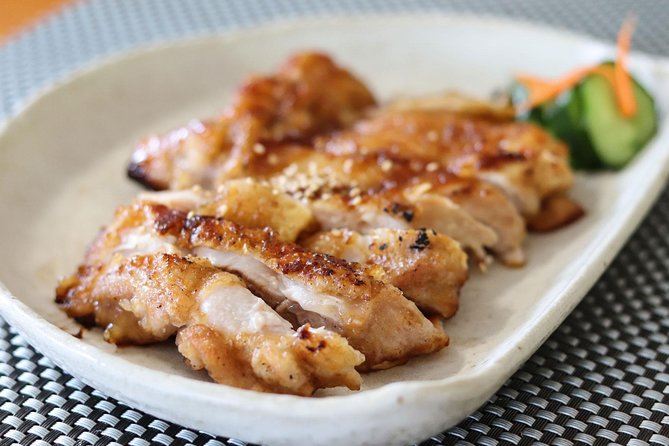
Sapporo’s best food lesson may begin far from a classroom. Kanae meets you at Maruyama Koen Station, takes you through local markets, then brings the ingredients to her home for a private Hokkaido cooking class. You finish by eating the meal together, with lunch and one or two local drinks included.
In This Article
- Key points at a glance
- Starting at Maruyama Koen Station at 9:00 a.m.
- Seeing Sapporo through its morning markets
- Choosing ingredients with Kanae
- The 15-minute ride to Kanae’s home
- Cooking for 1 to 1.5 hours
- Lunch at Kanae’s table
- Why the private format matters
- Kanae as host and teacher
- What to know before booking
- Who will enjoy this Sapporo food experience
- Should you book Kanae’s market tour and cooking class?
- FAQ
- Where does the experience begin?
- What time does the tour start?
- How long does the activity last?
- What markets will I visit?
- Are the markets open every day?
- How many people can ride in Kanae’s car?
- What happens if my group has five or more guests?
- Is lunch included?
- Are alcoholic drinks included?
- Can I request vegetarian or vegan food?
I like the market stop because you see the fish, vegetables, seafood, and regional products that shape Sapporo cooking. I also like the small-group setting: Kanae can adjust the pace, answer questions, and change the menu for dietary needs or for travelers who want more Hokkaido specialties.
The main consideration is transport for larger groups. Kanae’s car holds four guests plus the driver, so groups of five or more must take a taxi behind her car after meeting at the station. The morning markets also close on Wednesdays and Sundays.
Key points at a glance
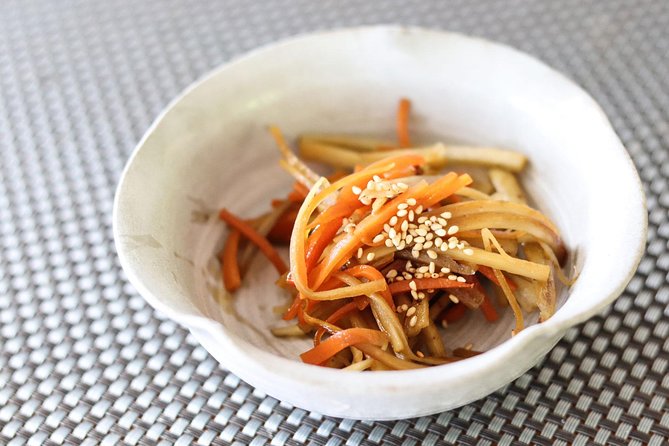
- Market shopping before cooking: Explore the Sapporo Morning Market and nearby Jogai Market with Kanae, then choose fresh ingredients for the meal.
- A real home kitchen: Cook in Kanae’s open kitchen rather than in a formal cooking school.
- Hokkaido flavors: Ask for regional dishes instead of a standard Japanese home menu.
- Private attention: Only your party takes part, making it easier to ask questions and work at your own pace.
- Lunch and drinks included: Eat the food you prepare and enjoy one or two glasses of local alcohol.
- Four hours from station to station: The experience starts at 9:00 a.m. and ends back at the meeting point.
Starting at Maruyama Koen Station at 9:00 a.m.
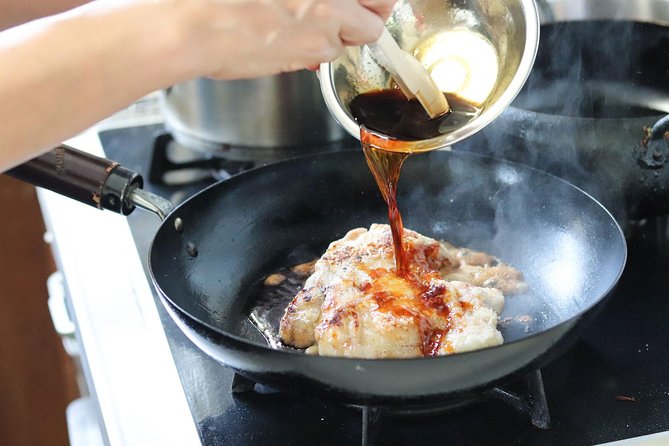
Your morning begins at Maruyama Koen Station, at 26 Chome-2 Odorinishi in Sapporo’s Chuo Ward. Hotel pickup and drop-off are not included, so you need to reach the station yourself.
This meeting point matters because the activity is built around a morning market visit. You are not simply walking into a cooking class after breakfast. You begin with the sights and sounds of food shopping, then carry that context into the kitchen.
Plan to arrive ready for a four-hour outing. The exact timing can shift with the market visit and cooking, but the general pattern is clear: market first, a roughly 15-minute drive to Kanae’s home, 1 to 1.5 hours of cooking, then lunch.
The experience is private, so you do not need to match the pace of a large tour group. If you want to linger over an unfamiliar fish or ask about a Japanese ingredient, this format gives you room to do so.
Our other Sapporo reviews may also help you decide


Seeing Sapporo through its morning markets
Kanae takes you to the Sapporo Morning Market and Jogai Market, which is next to Sapporo Central Wholesale Market. The information for the experience uses both market areas, so the precise stop may depend on the day and arrangements.
This is useful for anyone who wants more than a restaurant meal. You can look at local fish, vegetables, seafood, and other products while Kanae explains what you are seeing. The market is also where you purchase some of the ingredients that later appear on your table, giving the cooking lesson a clear beginning and end.
Seafood is a major part of the appeal. You may learn about different Hokkaido crabs and edible seaweeds, and you might see products such as fresh fish, vegetables, fishcake, and salmon. The market visit is not just a photo stop. It helps you connect a finished Japanese dish with the raw ingredients used to make it.
The timing needs attention. The Sapporo Morning Market is closed Wednesdays and Sundays. If your available day falls on one of those days, confirm the market plan before booking, especially since the market visit is a central part of the experience.
Choosing ingredients with Kanae
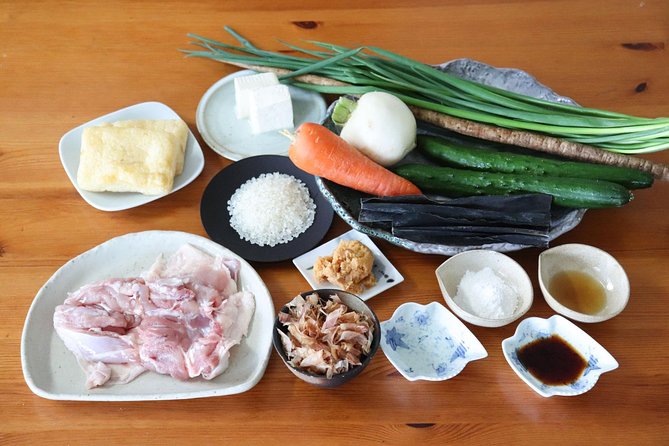
The shopping portion gives Kanae a chance to shape the meal around your interests. The menu changes with the season, and you can tell her at booking time about allergies, dietary restrictions, or cooking preferences.
This flexibility is one of the strongest reasons to choose a private class. A fixed group lesson often follows one menu for everyone. Here, Kanae can respond to requests, and she is happy to introduce Hokkaido dishes instead of only typical home-style food.
The available examples show how broad the menu can be. One cooking session included gomae, agedashi tofu, mushroom miso soup, and two fish preparations. Other meals featured fresh salmon purchased at the market, while another focused on Hokkaido seafood.
You should not book expecting one guaranteed menu. The dishes depend on the season and market ingredients. That is a benefit if you like food to reflect place and time, but it may be less suitable if you need a fixed list of recipes before you go.
The 15-minute ride to Kanae’s home
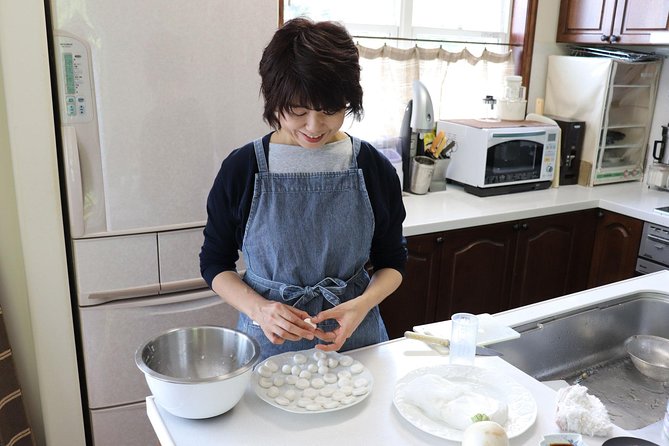
After shopping, Kanae drives you about 15 minutes to her home. This short ride shifts the experience from public market to private kitchen.
For groups of up to four guests, Kanae’s car can carry everyone with her as the driver. Groups of five or more need a taxi to follow her car after meeting at the station. That arrangement adds a little coordination and an extra transport cost, since hotel transfers and taxi rides are not included.
The home setting is important. You are not cooking in a staged restaurant space or a teaching kitchen built for large groups. You enter Kanae’s open kitchen and prepare food with her in a more personal setting.
A home visit also means you should be comfortable with a relaxed, conversational format. The point is not a polished demonstration where you watch from the side. You take part, ask questions, and help prepare the meal.
Cooking for 1 to 1.5 hours
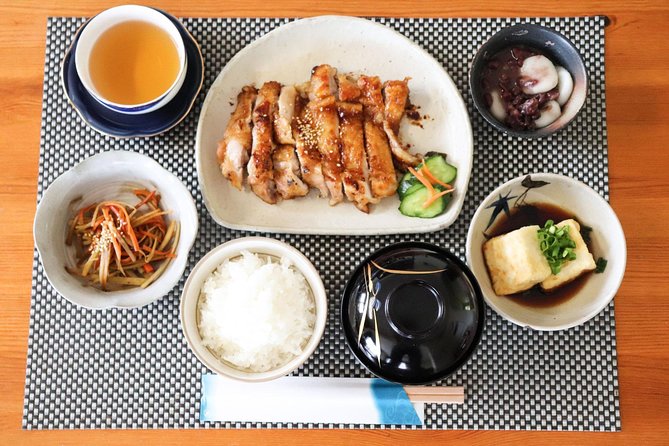
The cooking section lasts about one to one and a half hours. Kanae teaches you how to prepare a traditional homemade Japanese meal, with the dishes shaped by the ingredients bought earlier.
This length feels right for a half-day food activity. You have enough time to learn several steps without giving up the whole day. You also avoid the rushed feeling that can come from a short demonstration followed by a quick tasting.
The class suits people with different levels of kitchen experience. You can learn the basics of Japanese home cooking, ask about ingredients, and work at a comfortable pace because the activity is private. If you already cook, ask Kanae to focus on Hokkaido dishes or preparation methods rather than only simple household staples.
The meal examples suggest a good mix of dishes. Gomae gives you a vegetable preparation, agedashi tofu adds a fried tofu dish, mushroom miso soup brings a familiar Japanese comfort food, and fish preparations connect directly to the morning market.
You also receive the recipes for the dishes you make, according to the experience details in the feedback. That adds practical value after the trip. You are not limited to remembering a few steps from the kitchen. You can try to recreate the meal at home.
You can also read our reviews of more private tours in Sapporo


Lunch at Kanae’s table
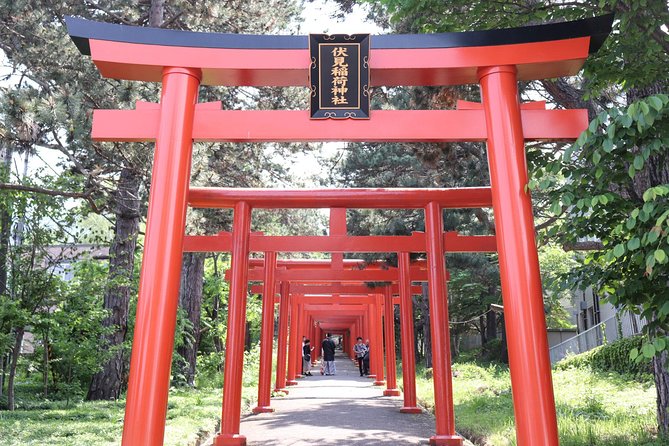
After cooking, you eat the meal you helped prepare. Lunch is included, along with one or two glasses of local alcohol.
That setup gives the class a satisfying finish. You see an ingredient at the market, prepare it in the kitchen, and then taste the result as part of a shared meal. It is a simple chain, but it makes the food lesson easier to remember.
The alcohol inclusion is useful for adults who want to pair the meal with a local drink, though you should not expect an extended tasting session. The stated amount is one or two glasses. If you do not drink, the activity information does not say what nonalcoholic alternatives are provided, so ask when booking if that matters to you.
The food itself may be the highlight. Fresh salmon, seafood, fish, vegetables, tofu, mushrooms, and seasonal products can make the meal feel tied to Hokkaido rather than interchangeable with a cooking class anywhere in Japan.
Why the private format matters
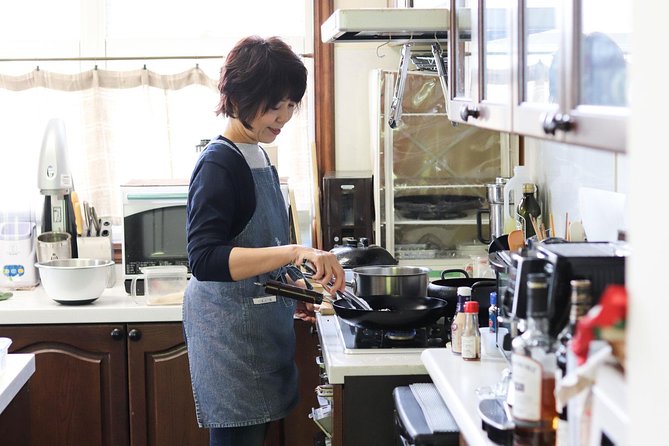
The private arrangement is more than a smaller head count. It changes how the morning works.
If you are the only participant, Kanae can spend the market walk answering your questions and explaining ingredients at your pace. If you are traveling with family or friends, you can share the kitchen without strangers at the table.
This format is especially helpful if you have a food allergy, follow a vegetarian or vegan diet, or have a strong cooking preference. You must provide those details at booking, but the activity specifically offers vegetarian and vegan options.
It is also a good fit for curious eaters who want to ask basic questions without worrying about holding up a group. You can ask how a fish is used, why an ingredient matters in Hokkaido cooking, or how to prepare the dish again at home.
There is a trade-off. A private experience costs more than a large group class in some cases, and the advertised price is $82 per person. Still, that price includes the market tour, private instruction, ingredients, lunch, one or two glasses of alcohol, and gratuities. For someone who values direct attention and a meal in a local home, the package offers solid value.
Kanae as host and teacher
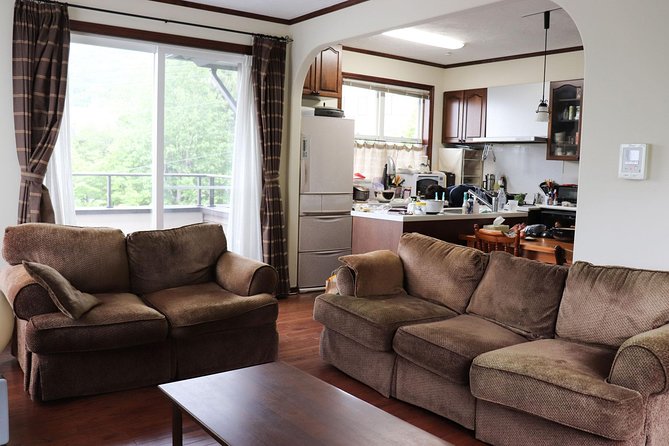
The tone of the experience depends heavily on Kanae. The available details describe her as an English-speaking host who is friendly, personable, and willing to adapt the menu.
That combination matters because the market can be difficult to understand without help. Fish, shellfish, seaweed, and Japanese produce may look familiar but carry unfamiliar names or uses. Kanae gives you a way to connect what you see with what you later cook.
Her home also adds a personal side to the experience. You are not only learning a recipe. You are spending part of the day with a Sapporo local and seeing how regional food can fit into a home meal.
The class is likely best for people who enjoy conversation as much as instruction. If you want a fast, technical lesson with exact measurements and a professional training-kitchen setup, this may feel informal. If you want food, culture, and time with a local host, the format makes good sense.
What to know before booking
A few practical details can prevent disappointment.
First, check the day. The Sapporo Morning Market is closed Wednesdays and Sundays. Since the experience begins at 9:00 a.m., it is not a late-morning activity you can fit in after sleeping in.
Second, share dietary information when you book. Vegetarian and vegan options are available, and allergies or cooking preferences can be considered, but Kanae needs advance notice.
Third, think about group size. Four guests can ride with Kanae. Five or more must arrange a taxi to follow her vehicle, and that taxi is not included.
Fourth, remember that the tour ends where it begins, at the meeting point. You arrange your own way to and from Maruyama Koen Station.
Finally, the menu changes with the season. That is part of the appeal, but you should choose this experience for the chance to cook local food, not for one guaranteed recipe.
Free cancellation is available up to 24 hours before the start time for a full refund. Cancellations or changes made less than 24 hours before the 9:00 a.m. start are not accepted for a refund.
Who will enjoy this Sapporo food experience
I would choose this activity for food-focused visitors who want a personal introduction to Hokkaido cooking. It works well for couples, families, friends, and solo visitors, since the class can operate as a private booking and even a single participant can receive individual attention.
It also suits anyone who wants to see a local market but feels unsure about how to read the products on display. Kanae helps turn an unfamiliar market into part of the lesson.
The experience may be a good choice for first-time visitors who want a gentle introduction to Japanese home food. It also has something for repeat visitors, especially those who have already seen Sapporo’s main sights and now want a more personal half-day.
I would think twice if your schedule is tight, your group has more than four people, or you want a fully fixed menu. The taxi arrangement for larger groups takes extra planning, and the seasonal menu means the meal is not completely predictable.
Should you book Kanae’s market tour and cooking class?
Book it if you want to connect Sapporo’s markets with a homemade meal, and if you value time with a local host more than a formal cooking-school setting. The strongest parts are the market shopping, the private attention, the chance to request Hokkaido dishes, and the included lunch with local alcohol.
At $82 per person, the price is reasonable for a four-hour private experience that covers ingredients, instruction, food, drinks, and gratuities. Just confirm the market day, tell Kanae about dietary needs, and plan carefully if your group has five or more people.
For an authentic food-focused morning in Sapporo, this is a thoughtful choice. For a quick class with a guaranteed menu and no transport wrinkles, choose something more structured.
FAQ
Where does the experience begin?
It begins at Maruyama Koen Station, at 26 Chome-2 Odorinishi, Chuo Ward, Sapporo.
What time does the tour start?
The experience starts at 9:00 a.m.
How long does the activity last?
The full experience lasts about four hours.
What markets will I visit?
Kanae takes you to the Sapporo Morning Market and Jogai Market, which is next to Sapporo Central Wholesale Market.
Are the markets open every day?
The Sapporo Morning Market is closed on Wednesdays and Sundays.
How many people can ride in Kanae’s car?
Kanae’s car can carry up to five people including the driver, so it can take a maximum of four guests.
What happens if my group has five or more guests?
Your group must use a taxi and have it follow Kanae’s car to her home after meeting her at the station.
Is lunch included?
Yes. You eat the meal you prepare together, and lunch is included.
Are alcoholic drinks included?
Yes. One or two glasses of local alcohol are included.
Can I request vegetarian or vegan food?
Yes. Vegetarian and vegan options are available, but you should advise Kanae at the time of booking. You should also provide details about allergies, dietary restrictions, or cooking preferences.
More Tours in Sapporo


More Tour Reviews in Sapporo


More Private Tours in Sapporo
Other Sapporo tours worth your shortlist



Cooking Classes, side by side.
 ★ 5.0Private Japanese Cooking Class in Sapporo with Local Chef ShioriFrom $108.0034 reviews
 ★ 5.0Private Japanese Cooking Class in Sapporo with Local Host KanaeFrom $72.0020 reviews
 ★ 5.0Japanese Cooking Class in the Heart of Sapporo with SakuraFrom $72.0010 reviews
 ★ 5.0Kushiro: Japanese Bento Cooking Class with a Local HostFrom $612 reviews
The lists this tour appears in