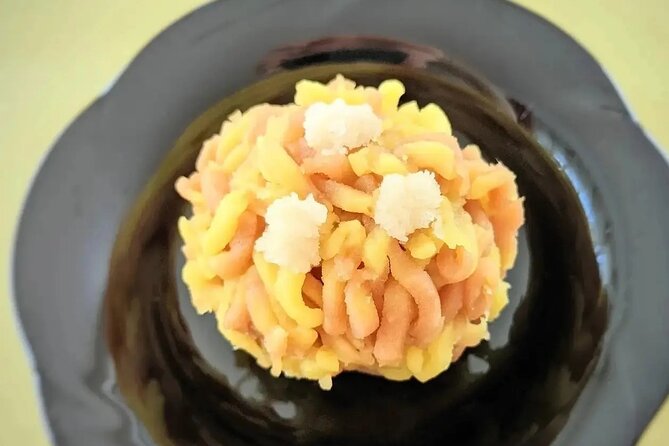
Making wagashi in Yuki’s home gives you something most Sapporo sightseeing does not: a close look at an everyday Japanese art form. In about two hours, you learn to shape nerikiri, delicate bean-paste sweets designed to reflect flowers and the seasons, then sit down to enjoy what you made with matcha.
In This Article
- Key points to know before booking
- Why nerikiri makes a good Sapporo activity
- Meeting Yuki at Makomanai Station
- Entering a traditional Japanese home
- Tea, introductions, and the start of the lesson
- Shaping nerikiri, one careful step at a time
- Tasting your work with matcha
- What makes Yuki a good host
- Is the location worth the extra trip?
- Price, group size, and overall value
- Who should book this wagashi class?
- Other activities from the same host
- Practical booking advice
- Should you book it?
- FAQ
- Where does the wagashi class meet?
- Where does the activity end?
- How long does the class last?
- How much does the wagashi class cost?
- Is pickup offered?
- What type of Japanese sweets do you make?
- Is the class taught in English?
- How many people can join the class?
- Is the class suitable for children?
- Can I cancel for a full refund?
I like the personal welcome, especially the station pickup and local restaurant advice. I also like the setting, a quiet part of Sapporo where the class feels more like a visit with a local than a standard group activity. The main consideration is location: Makomanai is away from central Sapporo, so you need to allow time to reach the meeting point.
Key points to know before booking
- Meet at Makomanai Station: Pickup is offered from the meeting point, and the class ends back there.
- Learn nerikiri by hand: You shape one of Japan’s most refined traditional sweets using guided techniques.
- A small, personal setting: The maximum group size is 12 people, with the class held in Yuki’s home.
- Matcha and conversation included: The experience combines sweet-making with tea, Japanese culture, and local recommendations.
- A quiet change from downtown: The suburban location can include mountain and river views on the way to the house.
- Budget about $59.31: For a two-hour class with instruction, ingredients, tea, and pickup support, the price is fair for a hands-on cultural activity.
Why nerikiri makes a good Sapporo activity
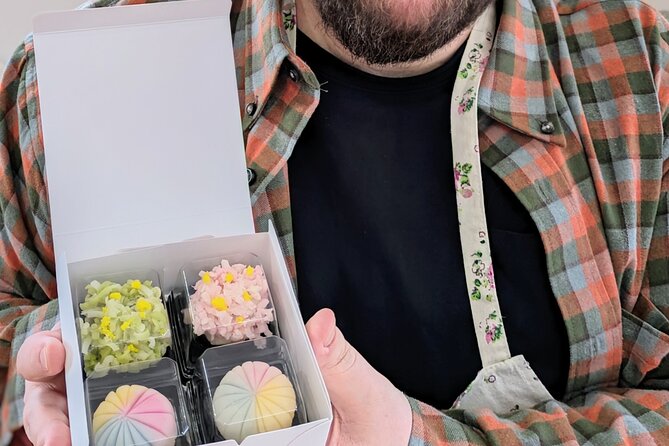
Wagashi means traditional Japanese sweets, and the tradition reaches back more than 1,000 years. These sweets are not simply snacks. Their colors and shapes often connect to the season, such as flowers, leaves, or other natural forms.
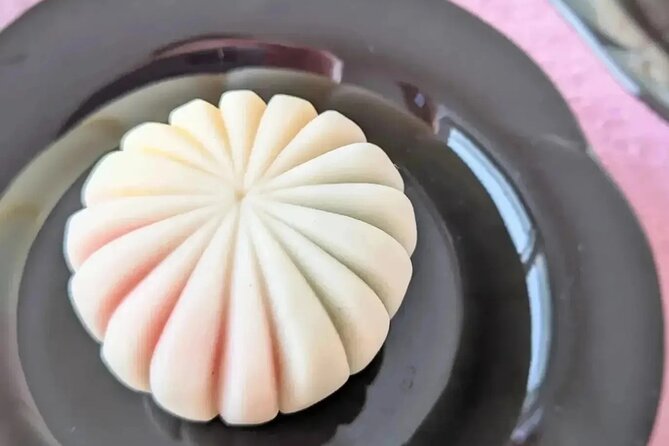
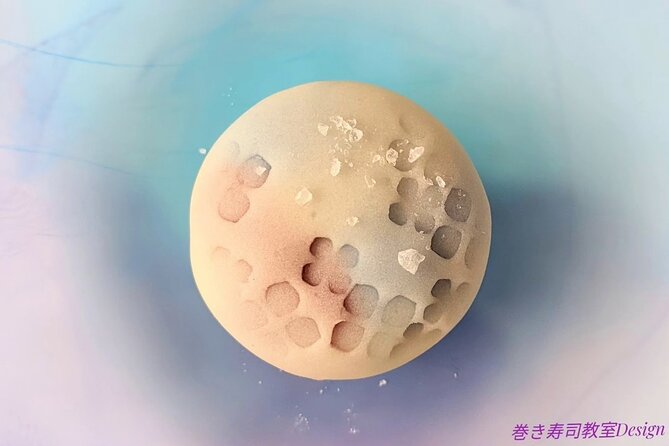
Nerikiri is one of the most delicate types. It is usually made from sweet bean paste and shaped into small works of art. The flavor is gently sweet rather than sugary, which makes it a natural match for green tea.
That balance between appearance and flavor is what makes this class worthwhile. You are not just assembling a souvenir treat. You are learning why Japanese confectionery pays such close attention to color, shape, texture, and the time of year.
The class also gives you a slower view of Japanese life. Sapporo is famous for food, shopping, beer, and winter sights, but a quiet lesson in a local home shows another side of the city. You get time to sit, listen, work with your hands, and ask questions.
Our other Sapporo reviews may also help you decide
Meeting Yuki at Makomanai Station
The activity begins at Makomanai Station in Sapporo’s Minami Ward. This is an important detail when planning your day. The station is near public transportation, but it is not in the heart of the main downtown sightseeing area.
Yuki offers pickup from the station, a service that makes the first step much easier. She has also helped visitors with directions and remained available before the activity, which matters when you are navigating an unfamiliar part of Sapporo.
From the station, the trip to her home can take you through a quieter suburban area. Some bookings have included views of mountainous surroundings and a beautiful river near the house. Those details are not the main event, but they help explain why this class feels different from an activity in central Sapporo.
Allow extra time around the meeting point, especially if you have a tight schedule afterward. The experience lasts about two hours, but you should not treat it as a quick stop between major attractions. The pickup, drive, introductions, tea, class, tasting, and return to the station all form part of the visit.
Entering a traditional Japanese home
The class takes place in Yuki’s cozy home rather than a commercial cooking studio. That setting is one of the strongest reasons to book it, but it also shapes the experience.
You will see a more personal side of Sapporo and have the chance to talk with a local host in a relaxed environment. The home has been described as traditional and peaceful, with a river nearby. One family also met a gorgeous cat during the visit, though you should not book the class solely expecting an animal encounter.
The home setting makes the activity feel intimate. You can ask about Japanese customs, Hokkaido, food, and places to visit in Sapporo. Yuki also gives restaurant and cafe suggestions, including options away from the main tourist areas.
That advice can be useful at the end of a busy sightseeing day. Still, remember that a private home is not the same as a polished attraction. The appeal is the personal atmosphere, not a large classroom with displays and formal staging.
Tea, introductions, and the start of the lesson
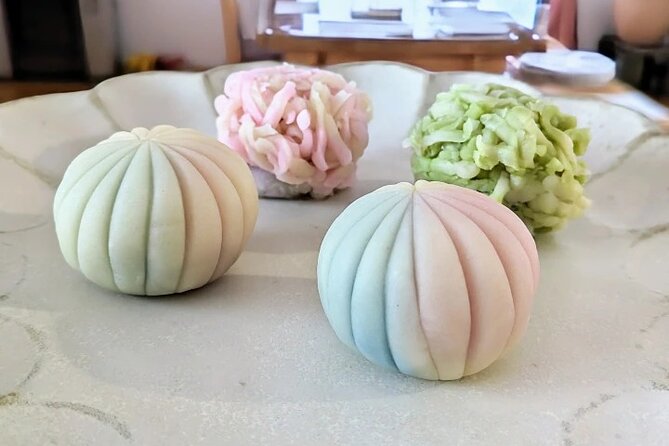
The experience includes Japanese green tea, with matcha served in Japanese teacups. This creates a natural introduction to wagashi, since these sweets are traditionally enjoyed with tea.
The tea service also gives you a little time to settle in before working. If you have children or family members who enjoy Japanese culture, this opening helps make the class feel like a special occasion rather than a rushed craft session.
Yuki teaches in English and provides clear instructions. Written English directions have also been provided for participants to keep, which is helpful once you return home and want to try making wagashi again.
The lesson includes background on the sweets, not just instructions on what to do with your hands. You learn about the role of wagashi in Japanese tradition and why the finished pieces are made to look so carefully shaped.
Shaping nerikiri, one careful step at a time
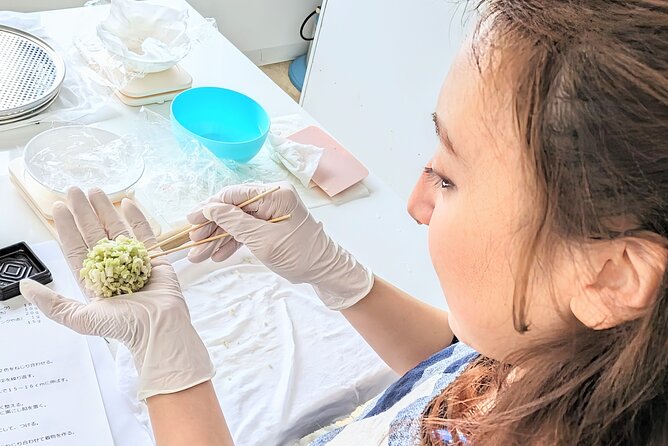
The hands-on part is the center of the class. Yuki prepares the materials in advance, then guides you through the techniques needed to shape the sweets.
Nerikiri looks simple when finished, but the process requires focus. You work with soft bean paste and shape it into small, decorative forms. The challenge is not physical. It is the precision needed to create clean lines, balanced colors, and a recognizable flower-like design.
This is where patient instruction matters. Yuki demonstrates the techniques and helps you correct the shape as you work. The activity is suitable for beginners, but you should expect to concentrate. Your first sweet may not look exactly like the example, and that is part of the fun.
One useful feature is the mix of making and tasting. You are not producing an object that sits on a shelf. The sweets are meant to be eaten, so you can appreciate both the visual work and the soft, elegant sweetness.
The class generally includes two kinds of sweets, with two of each made during the session. The exact designs may vary, but the format gives you enough practice to learn more than one style without turning the class into a long workshop.
Our other Sapporo reviews may also help you decide


Tasting your work with matcha
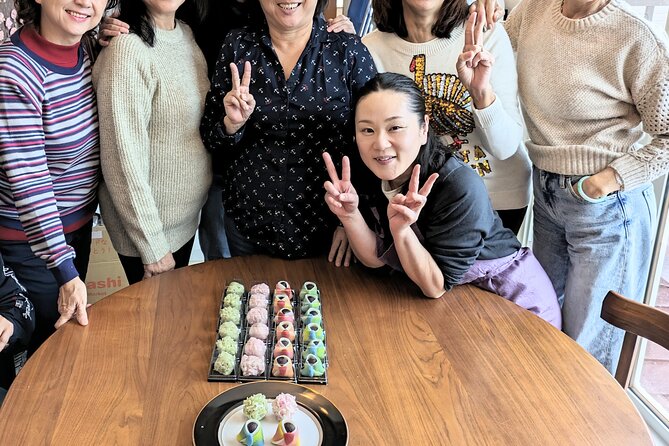
After shaping the sweets, you can taste them with tea. This is more than a final snack. It shows how wagashi fits into Japanese food culture.
The mild sweetness pairs well with green tea, and the small size encourages you to pay attention to texture and flavor. Wagashi can look almost too pretty to eat, but these pieces are made for tasting as well as viewing.
Yuki has also packed finished sweets in containers for some participants to take away. This is a practical touch, particularly if you are continuing your trip in Japan and want to save a piece for later. The available packaging may vary, so do not assume every detail will be identical, but taking home your creations is part of the appeal.
If you are traveling with children, the class offers a clear sense of achievement. They can see the sweets change from prepared ingredients into finished designs, then enjoy the result. The activity has also worked well as a birthday experience.
What makes Yuki a good host
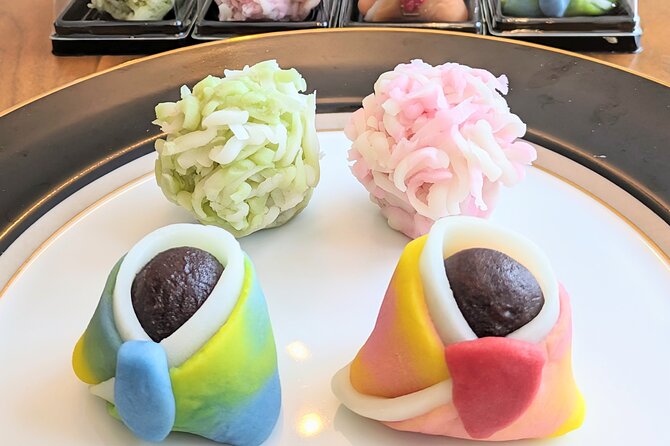
Yuki’s role is larger than that of a cooking instructor. She arranges the station pickup, explains the class in English, answers questions, and offers suggestions for things to do afterward.
Her teaching style is patient and clear. That matters because nerikiri techniques are delicate, and a hurried lesson would take away from the experience. She also keeps the atmosphere warm and conversational, which helps if you are nervous about working in an unfamiliar craft.
Yuki has appeared on television, radio, and in newspapers for her work. That public profile adds context, but her personal approach is the more important point for a visitor. You receive direct instruction from the person who runs the experience, rather than being passed between several staff members.
The host has also taught children and families. If you are booking with young participants, the creative work and short two-hour length should hold attention better than a long formal cultural lecture.
Is the location worth the extra trip?
For many people, yes. The Makomanai setting is a good fit if you want a quieter experience away from Sapporo’s main shopping and sightseeing streets.
The route to Yuki’s home can include mountain scenery, and the house is near a river. These surroundings add a sense of place and make the journey part of the visit. You see a residential side of Sapporo that you would likely miss if you stayed only around the city center.
The tradeoff is time. If your itinerary is built around Odori Park, Susukino, Sapporo Station, and the central market, Makomanai requires extra planning. Do not schedule the class immediately before an important train, flight, or timed attraction.
I would place this activity on a morning or afternoon when you can leave room around it. The class is best treated as a stand-alone cultural outing rather than something to squeeze into a crowded sightseeing day.
Price, group size, and overall value
The listed price is $59.31 per person. For roughly two hours, that includes the lesson, ingredients, tea, and the personal setting of Yuki’s home. Pickup from Makomanai Station is also offered.
That is not the cheapest food activity in Japan, but the value is reasonable if you want personal instruction and a cultural exchange rather than a simple dessert tasting. You are paying for a small-group lesson, preparation, guidance, and time with a local host.
The maximum group size is 12. A smaller booking should feel especially personal, while a full group may feel more like a standard class. The available information does not guarantee the exact number in your session, so check the booking details if group size matters to you.
Group discounts are offered. This could make the activity more attractive for families or friends traveling together, particularly when everyone wants to take part rather than watch one person cook.
Confirmation is sent within 48 hours of booking, subject to availability. Since the activity is often booked well in advance, around 46 days on average, it is sensible to reserve early if your Sapporo dates are fixed.
Who should book this wagashi class?
I would recommend it most strongly to people who enjoy food, crafts, and local conversation. You do not need prior cooking experience, but you should be willing to work carefully and accept that handmade sweets may not come out perfectly.
It is a good choice for:
- Couples wanting a quiet cultural activity
- Families with children interested in Japanese traditions
- Solo visitors looking for direct contact with a local host
- Food lovers who want more than a restaurant meal
- Repeat visitors who have already seen central Sapporo
- Anyone looking for a birthday or special occasion activity
It may be less suitable if you have very limited time in Sapporo or prefer a fast, central attraction. The setting is part of the experience, so the trip to Makomanai is not an inconvenience to ignore. It is one of the reasons to go, provided you have the time.
The class is also a better fit for people who enjoy making things with their hands. If you want a polished food demonstration with no participation, choose another activity. Here, the point is to shape the sweets yourself.
Other activities from the same host
Yuki also offers a flower sushi roll class. That class is described as easier than the wagashi lesson, so it may suit you if you prefer a simpler introduction to Japanese food design.
There are also other sushi roll instructors connected with the activity provider. This gives groups some choice, though the wagashi class itself is centered on Yuki and her teaching.
A separate snack experience is available in Susukino for visitors looking for an evening activity. It is not part of the wagashi class, but it may be useful to know if you want to combine a daytime cultural lesson with a night in Sapporo.
Practical booking advice
Book at least several weeks ahead if possible. The average advance booking period is 46 days, and confirmation depends on availability.
Use Makomanai Station as the anchor for your plans. Confirm the pickup details after booking and keep your phone available in case Yuki needs to contact you.
Wear something comfortable for sitting and working at a table. No special equipment is listed as necessary, and the materials are prepared for you.
The class ends back at the meeting point. That makes it easier to continue sightseeing afterward, but you should still leave a sensible buffer for the return to the station.
Free cancellation is available until 24 hours before the start time. Cancellations or changes made within 24 hours are not accepted for a refund, and the cut-off uses local Sapporo time.
Should you book it?
Book this class if you want a personal, hands-on look at Japanese culture and have time to travel beyond central Sapporo. Yuki’s patient English instruction, station pickup, matcha service, local advice, and welcoming home make the $59.31 price feel fair.
Skip it if you are rushing through the city or have little interest in crafts and sweets. For everyone else, this is a pleasant way to slow down, learn the meaning behind wagashi, and leave Sapporo with a skill and a few handmade treats rather than another ordinary souvenir.
FAQ
Where does the wagashi class meet?
The meeting point is Makomanai Station in Minami Ward, Sapporo, Hokkaido, Japan.
Where does the activity end?
The activity ends back at the meeting point, Makomanai Station.
How long does the class last?
The class lasts approximately two hours.
How much does the wagashi class cost?
The listed price is $59.31 per person.
Is pickup offered?
Yes. Pickup from the meeting point at Makomanai Station is offered.
What type of Japanese sweets do you make?
You learn to make nerikiri, a delicate traditional Japanese sweet made with sweet bean paste and shaped into decorative designs.
Is the class taught in English?
Yes. Yuki provides English instruction, and written English instructions have also been provided for participants to keep.
How many people can join the class?
The maximum group size is 12 travelers.
Is the class suitable for children?
The activity has been used as a family and birthday experience, and Yuki has taught children. The provided information does not state a specific minimum age.
Can I cancel for a full refund?
Yes. You can cancel at least 24 hours before the experience start time for a full refund. Cancellations or changes made less than 24 hours before the start time are not accepted for a refund.
More Workshops & Classes in Sapporo
More Dessert Tours in Sapporo
More Tour Reviews in Sapporo


Other Sapporo tours worth your shortlist





Workshops, side by side.
 ★ 5.02 hours sushi classFrom $20.0840 reviews
 ★ 5.0Private Japanese Cooking Class in Sapporo with Local Chef ShioriFrom $108.0034 reviews
 ★ 5.0Private Market Tour and Cooking Class with Kanae, a Sapporo LocalFrom $82.0029 reviews
 ★ 5.0Private Japanese Cooking Class in Sapporo with Local Host KanaeFrom $72.0020 reviews
The lists this tour appears in