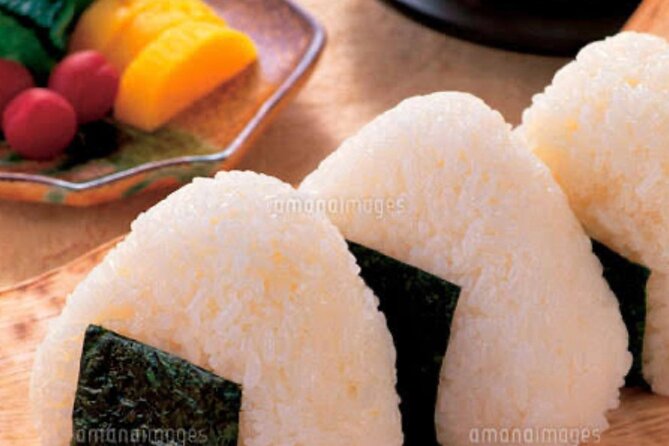
The best part of this Hokkaido experience is its simple focus: you learn to make two everyday Japanese dishes, then sit down and eat what you prepared. Onigiri and butajiru are familiar, practical foods, so this class gives you a useful look at home cooking rather than a formal restaurant meal.
In This Article
- Key points to know before booking
- Making Japanese comfort food in a Hokkaido kitchen
- What happens during the roughly four-hour class
- Why onigiri makes a good first Japanese cooking lesson
- Butajiru brings a heartier side of Japanese cooking
- Eating in a Japanese-style room
- A small group changes the feel of the experience
- Price, timing, and what you receive
- Important practical details before you commit
- Who will enjoy this cooking class most
- Should you book Japanese Cooking Class Onigiri and Butajiru?
- FAQ
- Where does the Japanese cooking class begin?
- What time does the activity start?
- How long does the cooking class last?
- Where does the activity finish?
- What dishes do you make?
- Is a meal included?
- How many people can join?
- Is the booking refundable or changeable?
I like the small maximum of four people, which should give the session a personal feel, and I like that the food is prepared in a Japanese kitchen before you enjoy it in a Japanese-style room. The main drawback is the price of $118.28 per person, especially since an apron is not included and the booking cannot be refunded or changed.
Key points to know before booking
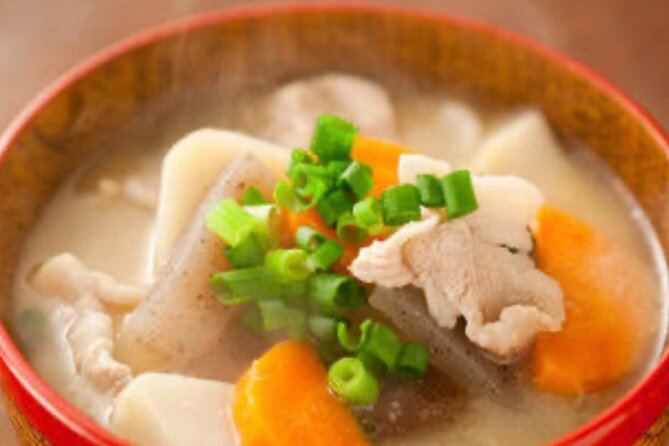
- Two classic dishes: You make onigiri rice balls and butajiru, a hearty pork miso soup.
- Small-group format: The activity accepts no more than four people.
- Home kitchen setting: Cooking takes place in a cozy Japanese kitchen rather than a large cooking school.
- Meal included: You eat the dishes prepared during the class.
- Four-hour schedule: The class starts at 1:00 pm and finishes back at the meeting point.
- Bring or wear your own apron: An apron is not included.
Making Japanese comfort food in a Hokkaido kitchen
This class centers on food that many people in Japan would recognize from ordinary home cooking. Onigiri are rice balls shaped by hand, often enjoyed as a snack, packed meal, or quick bite. Butajiru is pork miso soup, a filling soup that brings meat, miso, and vegetables together in one bowl.
That combination gives you two different lessons in one sitting. Onigiri teaches the feel and shape of cooked rice. Butajiru shows how miso can form the base of a warm, satisfying soup. You are not simply watching someone cook. You take part in preparing the meal and then eat it yourself.
The setting matters, too. The class takes place in a Japanese kitchen, followed by a meal in a Japanese-style room. That change from kitchen work to sitting down for the meal gives the afternoon a clear rhythm. You prepare food, share the finished dishes, and experience a familiar Japanese way of eating in a home-style setting.
The details are intentionally modest. There is no long list of dishes, no promise of a professional restaurant kitchen, and no mention of elaborate presentation. The appeal is the direct, hands-on nature of the activity.
We have reviewed more tours and experiences across Hokkaido; these are worth comparing before you book.


What happens during the roughly four-hour class
The meeting time is 1:00 pm, and the full activity lasts about four hours. You meet at Mitsui Outlet Park Sapporo-Kitahiroshima, at 3-chōme-7-6 Ōmagarisaiwaichō in Kitahiroshima, Hokkaido. The activity finishes at that same meeting point.
The available information does not give a minute-by-minute schedule, so you should expect the class to be paced around preparing and eating the two dishes rather than around a fixed public demonstration. The four-hour length leaves room for instruction, preparation, cooking, and the meal itself.
First comes the kitchen work. You learn how to prepare onigiri, the hand-shaped rice balls that are now popular with people from outside Japan as well as local diners. The key appeal is the physical process. You work with the rice directly and shape the food yourself.
The class also covers butajiru. This pork miso soup is more substantial than a light broth, making it a useful introduction to the role of miso in Japanese cooking. You prepare the soup as part of the session, then serve it with the onigiri for your meal.
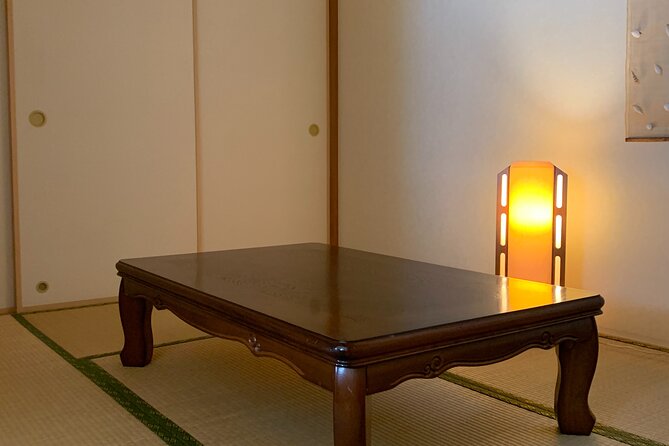
Once the cooking is complete, you eat in a Japanese-style room. This is an important part of the activity, not an afterthought. The food you eat is the food you have just helped prepare, and the room gives the meal a more traditional setting than a quick table in a teaching kitchen.
Because the activity is limited to four people, you should have a better chance to follow the preparation closely and ask questions than you would in a large class. Still, the exact amount of personal instruction depends on the host and the makeup of the group. No individual guide name is provided, but the experience is operated by Mai’s happy tour.
Why onigiri makes a good first Japanese cooking lesson
Onigiri is a smart choice for a short cooking class because the finished food is familiar, portable, and easy to understand. It is made from rice, but shaping it by hand gives you a better sense of its texture and structure than simply eating it from a bowl.
The dish also connects with daily life in Japan. Onigiri is not reserved for special occasions. It is the sort of food people may take along for a meal or snack, and it has become a common introduction to Japanese food for people visiting the country.
You should expect the class to focus on making the rice balls rather than on a large menu of fillings or styles. The provided details do not specify fillings, seaweed, seasoning, or the number of onigiri you make, so do not book this expecting a detailed study of every regional version.
The value lies in learning the basic idea and making your own portion. If you enjoy practical food activities, this part of the class should feel more rewarding than simply being served a finished rice ball.
Butajiru brings a heartier side of Japanese cooking
Butajiru gives the meal a different character. Pork and miso make it filling, while the soup format makes it feel like home cooking rather than a special-occasion dish.
Miso is one of the key flavors in Japanese cuisine, and preparing butajiru lets you encounter it in a warm soup rather than only as a dipping sauce or seasoning. The dish is also useful for showing how a few everyday ingredients can form a complete-feeling meal.
The details do not identify the vegetables, type of miso, or cooking method used in this particular class. That means you should treat the dish as a chance to learn the host’s version of butajiru, not as a guarantee of a specific regional recipe.
I like the pairing of soup and rice balls because it creates a proper meal without making the cooking session too ambitious. You get one hands-on rice dish and one cooked soup. That is enough variety to keep the class interesting while still allowing time to eat and talk.
Eating in a Japanese-style room
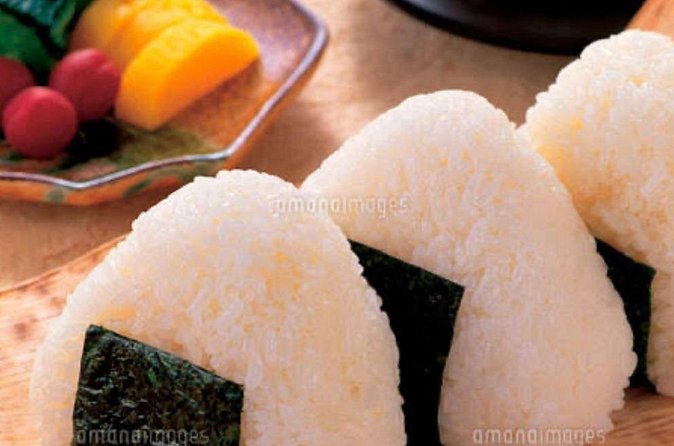
After cooking, you enjoy the meal in a Japanese-style room. The room is one of the more distinctive elements of the experience because it gives you a setting connected to the food and the household kitchen.
You should not expect a formal tea ceremony or a lesson in room etiquette. None is listed. Instead, the appeal is sitting down in a traditional-style space to eat the onigiri and butajiru you helped prepare.
This kind of setting can help you pay attention to the meal. You are not rushing through a snack between sightseeing stops. The schedule gives you time to enjoy the food as the final part of the class.
The room may also make the activity more appealing to people who want a cultural experience along with cooking. The food is the main subject, but the setting adds context without requiring a separate museum visit or lecture.
Our other Hokkaido reviews may also help you decide


A small group changes the feel of the experience
The maximum group size is four people. That is a real advantage for a hands-on class. With fewer people around the work area, you may have more space to follow the steps and more opportunity to ask the host for help.
A small group can also make the meal feel more like a shared home activity. You are not one person in a crowd watching a chef work at a distance. You are part of a compact group preparing and eating together.
There is a tradeoff. Small-group experiences often feel more personal, but they can also feel quieter and less social if you are the only booking or if the group does not naturally talk much. The supplied information does not promise a particular group mix.
The class is suitable for most people, according to the activity details. No special fitness requirement is listed. Since you will be cooking, standing, handling food, and eating, you should be comfortable taking part in those basic activities.
Price, timing, and what you receive
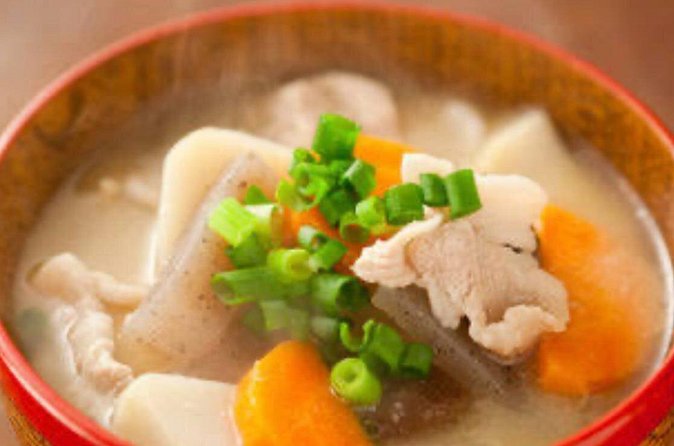
The cost is $118.28 per person. Meals are included, and the cooking session lasts about four hours. Group discounts are available, which could improve the value if you are booking with other people.
The price makes the most sense if you place a high value on personal instruction, a small group, and the home-kitchen setting. You are paying for more than the ingredients. You are also paying for the time spent learning, preparing, and eating the dishes in a Japanese-style room.
It is harder to justify the cost if you mainly want to eat onigiri and butajiru. Those dishes can be found in other settings, and the class does not list extra dishes, a market visit, a recipe booklet, or a broader cultural program.
The four-hour length is useful for a relaxed afternoon, but it is also a significant block of your Hokkaido schedule. Starting at 1:00 pm means the activity occupies much of the afternoon and ends around 5:00 pm if it runs close to the estimated duration. Plan your sightseeing around that timing rather than trying to squeeze in several distant attractions afterward.
The meeting point is near public transportation, which helps. Even so, check your route to Mitsui Outlet Park Sapporo-Kitahiroshima before booking, especially if you are staying outside Kitahiroshima. The activity begins and ends there, so you do not have to arrange a second pickup point afterward.
Important practical details before you commit
An apron is not included. Wear something you do not mind cooking in, or bring your own apron. This is a small point, but it matters because the class takes place in a working kitchen.
Confirmation is sent within 48 hours of booking, subject to availability. Do not treat your reservation as fully settled until you receive that confirmation.
The booking is non-refundable and cannot be changed for any reason. This is the biggest financial caution. Only reserve after you are confident about your date, start time, and ability to reach the meeting point.
The activity accepts a maximum of four people, and group discounts are offered. If you are booking for a small party, check how the discount applies before paying. The listed price is per person, so the total cost will depend on your group size and any available reduction.
No rating is currently available for this activity. That does not tell you that the class is good or bad. It simply means you have less public feedback to use when comparing it with other cooking experiences. Base your decision on the small group, the home kitchen, the two dishes, and the strict booking terms.
Who will enjoy this cooking class most
I would look closely at this class if you want a quiet, practical food activity in Hokkaido. It suits people who prefer making something themselves instead of watching a long demonstration.
It should also work well for couples, friends, and small families who want to share one activity. The four-person limit keeps the group compact, and the included meal means you finish with something substantial rather than leaving hungry.
Food-focused visitors will get the most from the class. You will learn about two dishes that connect with ordinary Japanese eating habits, not just restaurant specialties. The home kitchen and Japanese-style room add a sense of place.
This may be less suitable if you want a broad Japanese cooking course. Only onigiri and butajiru are specified, and no information is provided about sushi, noodles, desserts, knife skills, or a market component.
It may also be a poor fit for an uncertain schedule. The non-refundable policy leaves little room for last-minute changes. Because the activity begins at a fixed time and ends at the same meeting point, you should be sure that your transport and afternoon plans are solid.
Should you book Japanese Cooking Class Onigiri and Butajiru?
Book it if you want a small, home-based cooking activity built around two approachable Japanese dishes. The strongest reasons are the four-person limit, the included meal, and the chance to eat in a Japanese-style room after doing the preparation yourself.
Think twice if the $118.28 price feels high for a two-dish menu, or if you need flexible cancellation. The class offers a focused experience, not a full culinary tour. For the right person, that focus is the point: you spend an afternoon learning, cooking, and eating food that fits everyday Japanese life.
FAQ
Where does the Japanese cooking class begin?
It begins at Mitsui Outlet Park Sapporo-Kitahiroshima, 3-chōme-7-6 Ōmagarisaiwaichō, Kitahiroshima, Hokkaido 061-1278, Japan.
What time does the activity start?
The start time is 1:00 pm.
How long does the cooking class last?
The activity lasts approximately four hours.
Where does the activity finish?
It ends back at the meeting point at Mitsui Outlet Park Sapporo-Kitahiroshima.
What dishes do you make?
You make onigiri, Japanese rice balls, and butajiru, a pork miso soup.
Is a meal included?
Yes. Meals are included, and you eat the food prepared during the activity.
How many people can join?
The activity has a maximum of four travelers.
Is the booking refundable or changeable?
No. The experience is non-refundable and cannot be changed for any reason.
More Workshops & Classes in Hokkaido
More Tour Reviews in Hokkaido


Other Hokkaido tours worth your shortlist










Cooking Classes, side by side.
 ★ 5.0Private Japanese Cooking Class in Sapporo with Local Chef ShioriFrom $108.0034 reviews
 ★ 5.0Private Market Tour and Cooking Class with Kanae, a Sapporo LocalFrom $82.0029 reviews
 ★ 5.0Private Japanese Cooking Class in Sapporo with Local Host KanaeFrom $72.0020 reviews
 ★ 5.0Japanese Cooking Class in the Heart of Sapporo with SakuraFrom $72.0010 reviews
The lists this tour appears in