The best time to visit Hokkaido depends on what you want to do. Unlike mainland Japan, where summer is oppressively hot and humid, Hokkaido has four genuinely distinct seasons that each offer a different experience. Skiers come in January. Flower-seekers come in July. Foliage chasers come in September. Budget travellers come in the shoulder months when prices drop and crowds thin out. There is no single “best” time — there is only the right time for what you want.
The short version: July and February are the two peak months (lavender season and Snow Festival respectively), with the highest prices and most visitors. March, May, June, and October are the sweet spots for value and atmosphere. April and November are between-seasons and feel like it.
Month-by-Month Guide
January
Temperature: Sapporo avg. -4°C to -7°C. Eastern Hokkaido: -15°C to -20°C.
Snow: Deep. Sapporo has 1+ metre on the ground. Ski resorts are in full operation.
Peak ski season. The powder snow is at its driest and deepest. Niseko, Furano, Rusutsu, and Kiroro are all in excellent condition. Drift ice begins arriving on the Sea of Okhotsk coast near the end of the month. Red-crowned cranes are dancing at the Kushiro feeding stations. The Lake Shikotsu Ice Festival starts in late January.
It is cold. Genuinely cold. Daytime temperatures in Sapporo hover around -5°C, and eastern Hokkaido drops well below -15°C. Full winter gear is not optional — see our packing guide. Accommodation prices are moderate except at ski resorts, where peak-season premiums apply.
February
Temperature: Sapporo avg. -4°C to -7°C (coldest month).
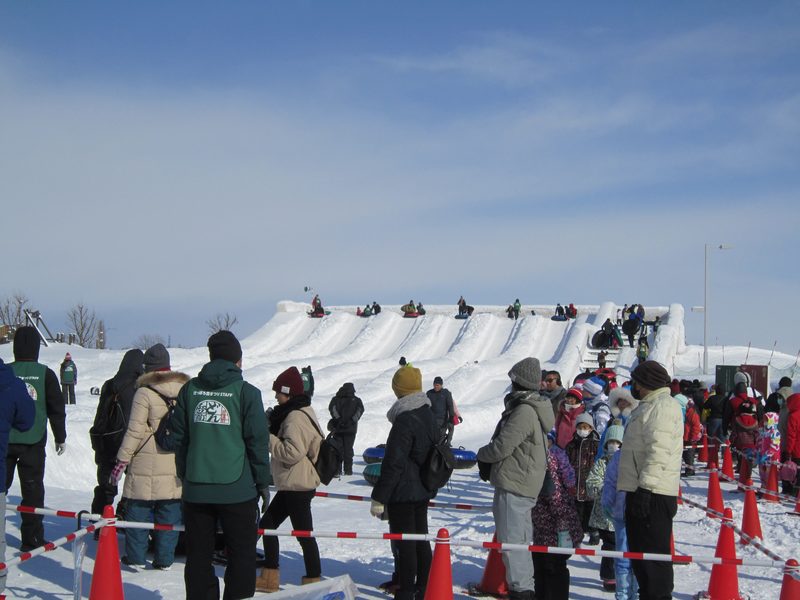
Events: Sapporo Snow Festival (early Feb), Asahikawa Winter Festival, Otaru Snow Light Path, Sounkyo Ice Waterfall Festival.
The busiest month in Hokkaido. The Sapporo Snow Festival draws over 2 million visitors, and hotel prices in the city double or triple during festival week. Book 3–6 months ahead for Snow Festival dates. Ski conditions remain excellent. Drift ice is at its most extensive along the Abashiri and Shiretoko coasts — the Aurora icebreaker cruises and Shiretoko drift ice walks are operating.
Outside Snow Festival week, February offers the same excellent winter conditions at lower prices. The second and third weeks of February are often the best-value window for winter Hokkaido — great snow, fewer crowds, and festival afterglow without the festival markup. See our festivals guide.
March
Temperature: Sapporo avg. 0°C to 4°C. Warming but still winter.
Snow: Still deep at resorts. City snow begins melting.
The underrated month. Ski resorts still have excellent snow — March powder days can rival mid-season — but prices drop 20–30% from peak, queues shorten, and the days are noticeably longer. Late March starts to feel like spring is approaching, though snow remains on the ground everywhere above 500m.
This is arguably the best-value ski month in Hokkaido. The snow is there, the crowds are not, and accommodation deals are genuine. Drift ice season is ending (usually gone by mid-March). Crane-watching is still possible at Kushiro. The main downside: Sapporo’s streets are slushy and grey as the melt begins, which is not the city at its most photogenic.
April
Temperature: Sapporo avg. 7°C to 12°C.
Character: Between-seasons. Snow melting, not yet green.
The honest assessment: April is not Hokkaido’s best month. The ski season is winding down (some resorts close mid-April, though Niseko and Kiroro run into May), the snow is melting into grey slush in the cities, and the spring greenery hasn’t arrived yet. Cherry blossoms haven’t started (they come in May here, a full month behind Tokyo).
That said, April has its uses. Accommodation prices are at their annual low. Late April sees cherry blossoms begin in Hakodate and Matsumae (southern Hokkaido), and the Shiretoko Pass and other mountain roads start reopening. If you’re on a tight budget and don’t mind the between-seasons feel, April works.
May
Temperature: Sapporo avg. 12°C to 17°C.
Events: Cherry blossoms in Sapporo (early May), shibazakura in eastern Hokkaido.
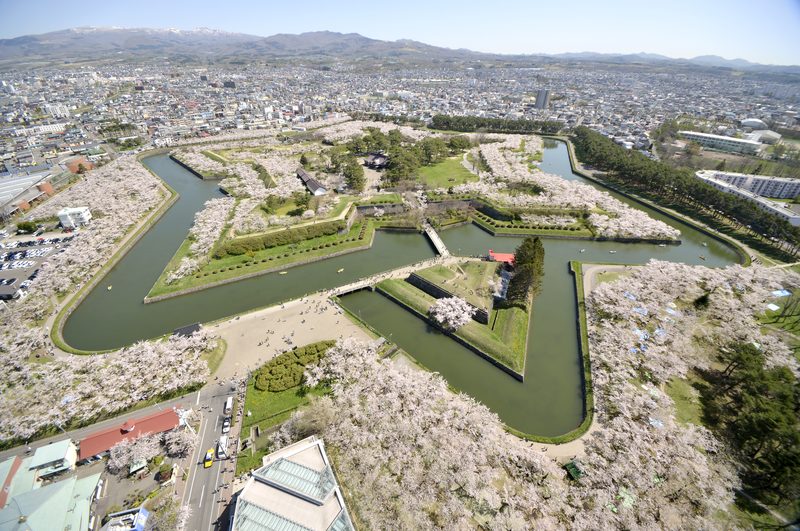
Hokkaido’s cherry blossom season. While the rest of Japan finished its sakura in late March, Sapporo’s Maruyama Park and Hokkaido Shrine bloom in early May. Hakodate’s Goryokaku Fort — the star-shaped fortress outlined in 1,600 cherry trees — peaks in late April to early May and is one of the most distinctive sakura views in Japan.
The weather is pleasant: 12–17°C, fresh spring air, and the landscape turning green after months of white. Visitor numbers are moderate — Golden Week (late April to early May) brings domestic Japanese tourists, but international visitors are few. Prices are reasonable. This is one of the better-value months for a Hokkaido trip that doesn’t involve skiing. See our spring itinerary.
June
Temperature: Sapporo avg. 16°C to 21°C.
Events: Yosakoi Soran Festival (early June), Hokkaido Shrine Festival (mid-June), Rebun wildflowers begin.
The beginning of summer, and one of Hokkaido’s best months overall. The weather is warm without being hot, the landscape is lush, and — crucially — Hokkaido largely skips the tsuyu (rainy season) that drenches the rest of Japan from mid-June through mid-July. While Tokyo is under umbrellas, Hokkaido is sunny and comfortable.
Early June brings the Yosakoi Soran Festival to Sapporo — 30,000 dancers in elaborate costumes competing across the city. Alpine wildflowers begin on Rebun Island. The lavender at Farm Tomita isn’t quite at peak yet (that’s July), but early-blooming varieties start to colour the fields. Hiking trails at lower elevations are open; higher routes (Daisetsuzan) may still have snow.
Accommodation prices are moderate. This is an excellent shoulder-season month — good weather, few crowds, and genuine value.
July
Temperature: Sapporo avg. 20°C to 25°C.
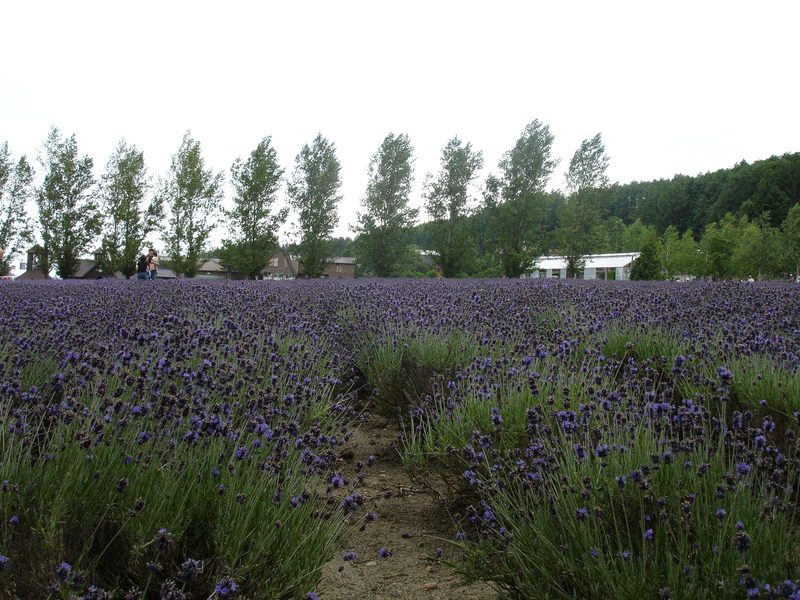
Events: Lavender peak at Farm Tomita (mid-July), Furano Flower Festival, alpine flowers in Daisetsuzan.
Peak summer season. The lavender fields in Furano turn purple, the flower parks in Biei are at full colour, and the alpine meadows in Daisetsuzan bloom with wildflowers. The weather is warm and comfortable (20–25°C, low humidity) while the rest of Japan suffocates in 35°C heat and humidity.
This is the busiest summer month. Tour buses fill Farm Tomita’s car parks by mid-morning, and accommodation in the Furano-Biei area books up. Prices are at their summer peak. But the conditions — warm weather, long daylight (15+ hours), everything in bloom — justify the crowds. All hiking trails are open, including high-altitude routes. Whale watching operates from Rausu (orcas). Sea urchin season is in full swing on Rishiri Island.
August
Temperature: Sapporo avg. 21°C to 26°C (warmest month).
Events: Hakodate Port Festival (early Aug), Obon holidays (mid-Aug).
Still warm and pleasant, though late August can bring rain. The lavender peak has passed but sunflowers, cosmos, and other summer flowers keep the Furano-Biei area colourful. Obon (mid-August) is a Japanese holiday week when domestic travel peaks and prices rise — avoid mid-August if possible. The last week of August brings the first hint of autumn at the highest elevations of Daisetsuzan, where early foliage begins on the Asahi-dake ropeway slopes.
Sperm whale watching from Rausu (Shiretoko) peaks in August–September. Summer hiking is at its best. The Shiretoko Five Lakes ground trail is open for self-guided walks (no guide required August onwards).
September
Temperature: Sapporo avg. 18°C to 22°C.
Events: Japan’s earliest autumn colour at Daisetsuzan (mid-Sept), Furano grape harvest festival.
One of the best months. The summer crowds have gone, the weather is stable and comfortable, and autumn colour begins at the highest elevations. The Asahi-dake ropeway area typically peaks in colour around September 15–30, making it the first autumn foliage display in Japan — a fact that Japanese weather broadcasts announce nationally.
Accommodation prices drop from the summer peak. The countryside is at its most productive — harvest season brings fresh corn, melon (late season), potatoes, and wine grapes. Hiking conditions are excellent across all elevations. For photographers, the combination of autumn colour, stable weather, and long golden-hour light makes September arguably the best month of the year. See our photography guide.
October
Temperature: Sapporo avg. 11°C to 16°C.
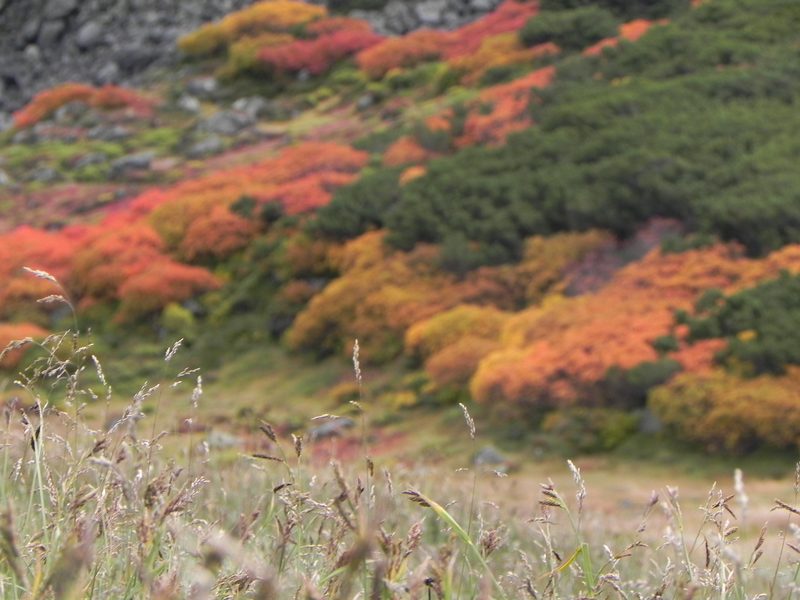
Events: Autumn colour at mid-elevations (Sounkyo, Jozankei), salmon run.
Autumn colour moves down the mountains through October. Sounkyo Gorge peaks in early October. Jozankei (Sapporo’s mountain onsen town) peaks in early to mid-October. Onuma Park near Hakodate and the Hokkaido University ginkgo avenue in Sapporo are other popular foliage spots. The combination of autumn colour and onsen bathing is one of Hokkaido’s defining experiences.
The salmon run brings chum salmon up Hokkaido’s rivers — the Chitose River near the airport has a famous underwater viewing window. Bears are active in the mountains, feeding before winter hibernation. Temperatures cool noticeably through the month; by late October, winter coats are not unreasonable in the mornings.
Accommodation prices are low. Crowds are thin. This is an excellent value month if you don’t need skiing or flowers.
November
Temperature: Sapporo avg. 4°C to 8°C.
Character: Between-seasons. Leaves fallen, snow not yet arrived (usually).
The other between-seasons month. The autumn colour is done, the landscape is bare, and the first snow hasn’t fallen consistently (it usually arrives in Sapporo in mid-to-late November). Ski resorts are preparing but not yet open (most open late November). It can feel bleak.
The upside: accommodation is at its cheapest, and the Biei Blue Pond winter illumination begins in early November, lighting up the frozen pond with coloured lights through March. If you’re on a tight budget and don’t mind grey weather, November works for a city-focused Sapporo trip. But it’s not a month we would specifically recommend for a first visit.
December
Temperature: Sapporo avg. -1°C to -4°C.
Snow: Arriving. Ski resorts open mid-to-late month.
Ski season begins. Most resorts open in mid-to-late December as snow accumulates. Early December can be thin — base depths are building and not all runs are open. By Christmas week, conditions are usually good. Christmas through New Year is peak season at ski resorts, particularly Niseko, where accommodation prices hit their annual high and availability becomes tight.
The Sapporo White Illumination lights up Odori Park from late November through late December, creating an atmospheric winter evening walk. Sapporo’s German-style Christmas Market runs alongside it.
Quick Decision Guide
| You Want | Best Months | Notes |
|---|---|---|
| Powder skiing | Jan–Feb (peak), Mar (value) | Niseko, Furano, Rusutsu, Kiroro |
| Lavender fields | Mid-July | Farm Tomita peak bloom ~July 10–25 |
| Cherry blossoms | Late Apr–early May | Hakodate first, Sapporo ~1 week later |
| Autumn colour | Mid-Sept (alpine), early Oct (gorges) | Daisetsuzan first, Jozankei/Sapporo later |
| Drift ice | Late Jan–early Mar | Abashiri Aurora icebreaker, Shiretoko walks |
| Wildlife | Jan–Mar (cranes, eagles), Jun–Jul (orcas, bears) | Kushiro in winter, Shiretoko in summer |
| Snow Festival | Early Feb (7 days) | Book Sapporo hotels 3–6 months ahead |
| Best value | Mar, May, Jun, Oct | Shoulder months: good conditions, lower prices |
| Best weather | Jun–Sep | 20–26°C, low humidity, no rainy season |
| Avoid crowds | Mar, May, Jun, Sep–Oct | Skip Feb (Snow Fest), mid-Jul (lavender), mid-Aug (Obon) |
Seasonal Temperature Reference
| Month | Sapporo Avg High | Sapporo Avg Low | Eastern Hokkaido |
|---|---|---|---|
| Jan | -1°C | -9°C | -5°C to -20°C |
| Feb | 0°C | -9°C | -5°C to -20°C |
| Mar | 4°C | -5°C | -2°C to -12°C |
| Apr | 12°C | 2°C | 5°C to -2°C |
| May | 17°C | 7°C | 12°C to 3°C |
| Jun | 21°C | 12°C | 16°C to 8°C |
| Jul | 25°C | 17°C | 20°C to 13°C |
| Aug | 26°C | 18°C | 22°C to 14°C |
| Sep | 22°C | 13°C | 18°C to 8°C |
| Oct | 16°C | 6°C | 12°C to 2°C |
| Nov | 8°C | 0°C | 4°C to -5°C |
| Dec | 1°C | -6°C | -2°C to -14°C |
For detailed weather patterns, rainfall, and what to pack each month, see our climate guide and packing guide.
Peak Periods to Avoid (or Plan Around)
- Snow Festival week (early February): Sapporo hotels 2-3x normal price. Book months ahead or stay outside the city.
- Golden Week (late April–early May): Domestic Japanese holiday. Transport is busy, accommodation in popular areas fills up.
- Obon (mid-August, typically Aug 13–16): Another domestic holiday. Roads are busy, accommodation prices spike, and popular destinations are crowded.
- Christmas–New Year (Dec 24–Jan 3): Ski resort peak. Niseko accommodation at its most expensive and least available.
- Chinese New Year (late Jan–mid Feb, varies): Major impact on Niseko specifically, which draws heavily from Hong Kong, Singapore, and mainland China.
See our itineraries for season-specific trip routes.