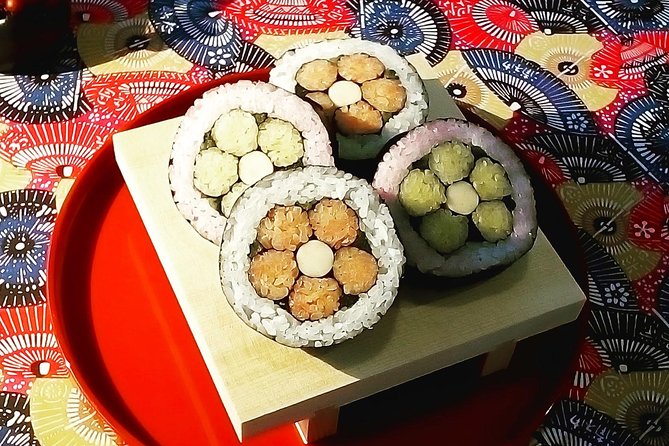
The clever part of this Sapporo experience is that you do not just eat sushi, you learn to build decorative flower-shaped rolls with Yuki, an experienced instructor who has demonstrated her work on television and for the mayors of Sapporo and Portland. The class takes place in a home setting, with tea, conversation, and a finished lunch you can carry away.
In This Article
- Key points to know before booking
- What the two-hour sushi class is really about
- Meeting Yuki at her Sapporo home
- Rolling a flower-shaped sushi design
- Tea, conversation, and a meal you made yourself
- Optional bento and Japanese cooking lessons
- The $20.08 price and what you receive
- The one communication issue to avoid
- Who will enjoy this most
- Should you book the Sapporo sushi class?
- FAQ
- How long does the sushi class last?
- Where does the activity start?
- Where does the activity end?
- Is pickup available?
- Is the class taught in English?
- Are ingredients included?
- Is an apron provided?
- Can I take the sushi home?
- Can I request dietary accommodations?
- How many people can join the class?
- Can I cancel for a full refund?
I like the small maximum of 12 people and the practical English recipe you receive afterward. I also like the free pickup from Makomanai subway station, which can make reaching the venue much easier. The main caution is simple: confirm the meeting details carefully before class, since one participant went to the wrong location and had trouble reaching the host.
Key points to know before booking
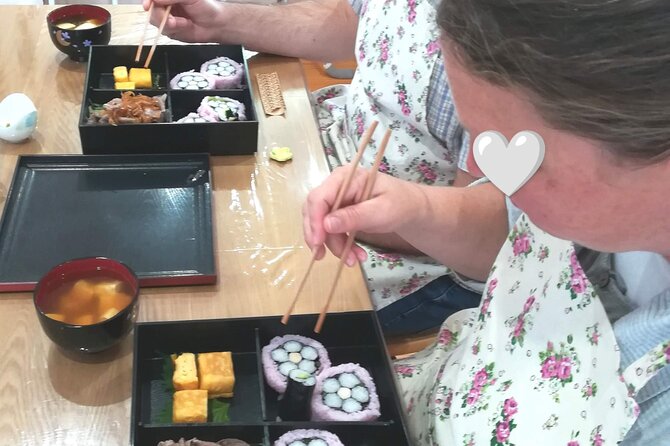
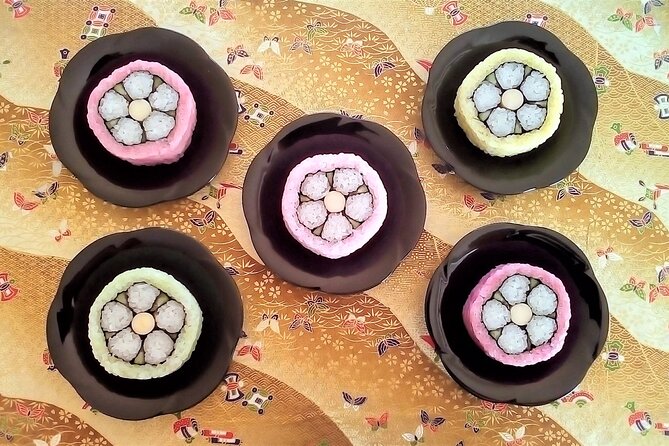
- Decorative sushi flowers: Learn how colored sushi rice and careful rolling create a flower pattern when sliced.
- Yuki’s personal teaching: Expect patient, hands-on guidance in a home workshop rather than a formal cooking school.
- Take-home results: You can bring your sushi rolls and English recipe home after the two-hour session.
- Free station pickup: Pickup is offered at Makomanai subway station if you request it.
- Optional Japanese cooking: Add lessons in bento decoration, dashi, homemade miso soup, steamed rice, rice balls, and other dishes.
- Dietary requests: Tell the host in advance about allergies, vegetarian or vegan needs, or other food concerns.
What the two-hour sushi class is really about
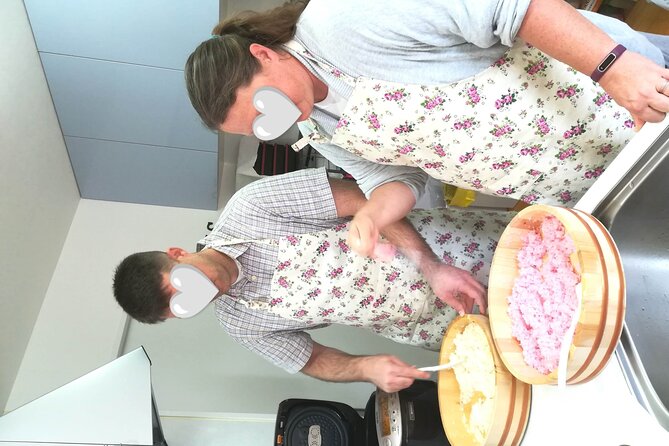
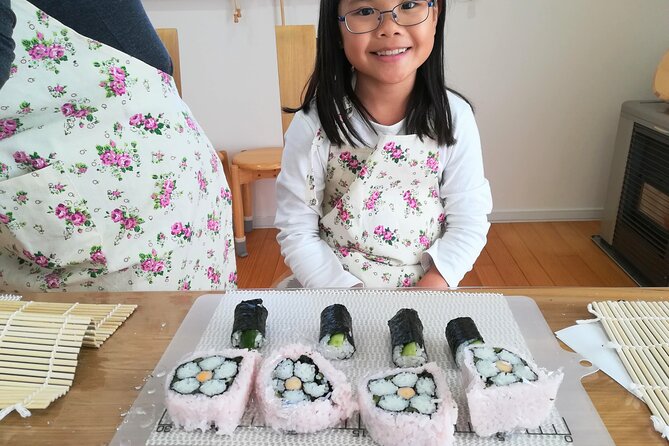
This is a hands-on lesson in decorative maki, not a restaurant meal and not a quick demonstration where you watch someone else work. Yuki guides you through the preparation of sushi rice, the placement of ingredients, and the rolling technique needed to create a flower or Sakura-style design inside the finished roll.
That distinction matters. Decorative sushi looks simple when a skilled cook slices it cleanly, but the pattern depends on order, pressure, and proportion. If one piece of rice is too large or one strip is placed poorly, the flower may look a little lopsided. That is part of the fun. You get to see how a beautiful Japanese lunch is assembled, one small decision at a time.
The class is presented in English, and ingredients are included. An apron is provided at no extra cost. You also receive a recipe in English, so the lesson has value after you leave Japan. This is the kind of souvenir that does not sit on a shelf. You can try making the rolls for friends and family at home.
Our other Sapporo reviews may also help you decide


Meeting Yuki at her Sapporo home
The listed meeting point is in Ishiyamahigashi, in Sapporo’s Minami Ward. The class ends at the same point, but free pickup is available from Makomanai subway station when requested. If you are staying in central Sapporo, check your route and allow enough time to reach the station.
The setting is part of the appeal. Instead of entering a large culinary studio, you are welcomed into Yuki’s home. The experience begins with tea and introductions, creating a relaxed start before the practical work begins. That home atmosphere also gives the class a personal feel. You have room for ordinary conversation about Japanese food, life in Hokkaido, and the instructor’s experiences.
One especially memorable detail is Yuki’s cat, TiTi, described affectionately as a large house panther. If you like animals, this may add charm to the visit. If you have allergies, it is sensible to ask about the home setting before booking, since the class takes place in a private residence and the cat is part of the household.
The host has welcomed families, couples, friends, and children. Several comments point to her patience with young cooks and beginners. You do not need prior sushi-making experience. The class is designed to explain the steps clearly and check your progress as you work.
Rolling a flower-shaped sushi design
The central task is making decorative sushi rolls. You will work with sushi rice and colored elements to create the internal design, then roll and slice the finished piece. The most satisfying moment comes when the roll is cut open and the flower appears. The result may not be perfectly symmetrical, but you will understand why the pattern looks the way it does.
Yuki’s teaching style is a strong reason to book. She explains not only what to do, but why each step matters. That helps you repeat the process later instead of simply copying hand movements during the class. Her patience is useful here, because rolling sushi neatly takes a little coordination.
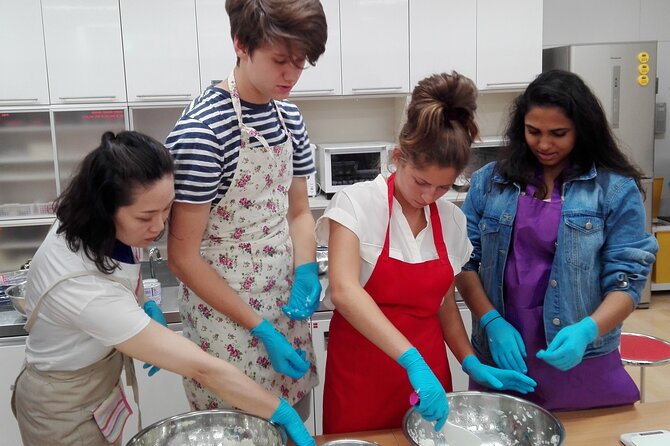
You can expect a social class rather than a silent cooking drill. The format leaves room for conversation while you prepare the food. A family can work together, and a couple or pair of friends can compare results. Since the maximum group size is 12, the atmosphere should remain more personal than a large commercial lesson, although the class is not private.
The class lasts about two hours. That is enough time for a focused introduction to decorative rolls without taking up an entire day in Sapporo. It also means the schedule is manageable alongside sightseeing. You should still avoid booking it too close to another fixed activity, especially if you need to travel across the city afterward.
Tea, conversation, and a meal you made yourself
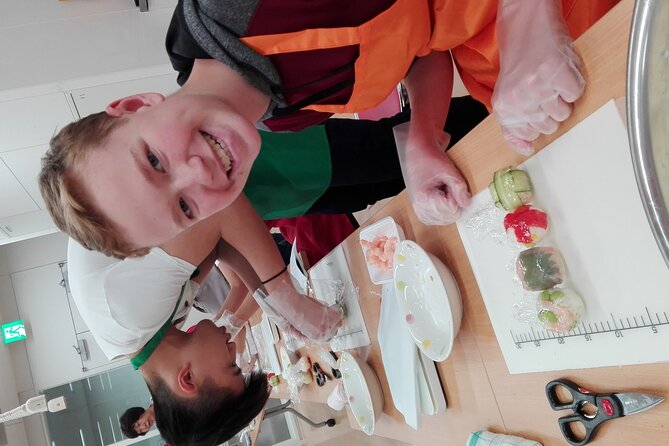
The tea at the beginning is a small touch, but it sets the tone. You are not rushed straight to a work surface. First, you meet the host and settle into the home environment. That is useful if you are cooking with children or if this is your first food class in Japan.
At the end, you can take your sushi rolls with you. The practical advantage is clear: you do not have to eat a large meal immediately, and you can enjoy the food later. The class therefore works well as a morning activity, especially if you want lunch ready for afterward.
The experience is also a nice choice for families seeking an activity that creates a shared result. A museum visit can be rewarding, but everyone may remember it differently. Here, you leave with the same recipe and a common story about how the roll was made. The finished sushi may become lunch, a photo subject, or a cooking project to repeat at home.
Optional bento and Japanese cooking lessons
If you want more than sushi, Yuki and Yui offer additional options. These are worth considering only if you want a broader cooking lesson, since the basic booking is centered on decorative sushi rolls.
One option teaches traditional Shokado-style bento decoration. You learn how to arrange a lunch box, then eat the bento you have prepared. This adds an important Japanese food lesson: presentation is not an afterthought. The layout of a meal, the balance of dishes, and the use of color all matter.
Other possible additions include Hokkaido-branded beef such as Biratori Wagyu or Shiraoi beef, rice balls, steamed rice, miso soup, and several combinations of side dishes. The menu options range from one additional dish with miso soup to three dishes with miso soup.
The miso soup option begins with dashi, the Japanese soup stock that forms the base of many dishes. You then make soup with homemade miso. This is a useful addition if you are interested in the building blocks of Japanese home cooking rather than only decorative presentation.
You can also learn how to prepare steamed rice without a rice cooker, if requested. That is a particularly practical skill for cooking Japanese food outside Japan, where you may not own the equipment found in many Japanese kitchens. Ask in advance about the option you want, since these additions are not part of the basic two-hour sushi lesson.
Our other Sapporo reviews may also help you decide


The $20.08 price and what you receive
At $20.08 per person, the base experience is priced as an accessible food activity. You receive ingredients, English instruction, a free apron rental, a recipe, the sushi you make, and possible pickup from Makomanai subway station. For a two-hour class, that is a useful amount of hands-on time for the money.
The value is strongest if you care about learning a technique rather than simply eating. A restaurant meal might cost more and teach you nothing about preparation. This class gives you a recipe and a skill you can attempt again. It is also a relatively low-cost way to add a personal activity to a Sapporo visit.
The optional dishes may change the total cost, so check the booking details for the add-on pricing before committing. If your main goal is flower sushi, the basic class should be enough. If you want a fuller meal and a broader look at Japanese home cooking, the additions may make the experience more satisfying.
The activity is often booked well ahead, with an average advance booking time of 41 days. That suggests you should not assume a last-minute place will be available, especially if your dates are fixed. Confirmation is provided within 48 hours, subject to availability.
The one communication issue to avoid
Most of the available feedback is highly positive, with a 4.9 rating from 40 reviews and 98 percent recommending the experience. The repeated strengths are clear: Yuki is patient, the instructions are easy to follow, the setting feels welcoming, and pickup or extra driving assistance may be offered in some situations.
There is one important warning. A participant arrived at a different location and waited in the rain for 30 minutes without reaching the host by phone. The host responded that the venue details had already been sent and that the participant had not confirmed correctly.
You can avoid this problem by checking the exact meeting point, reading every message from the host, and confirming the pickup plan before the day of the class. Do not rely on a general map pin or assume that the subway station is the class location. The station pickup is a service offered when requested, not the permanent end point for everyone.
This is especially important because the listed address is in Minami Ward, while Makomanai station is only the pickup point. Save the address and the host’s instructions offline. A few minutes of preparation can prevent a frustrating start.
Who will enjoy this most
I would recommend this class to families, couples, friends, and solo visitors who enjoy learning by doing. It is a good match for anyone who wants a slower, more personal activity than standard sightseeing. Children can take part, but an adult should be ready to help with careful food preparation and rolling.
It also suits people who like Japanese food but want context around it. The class introduces Washoku, traditional Japanese cuisine, through a very approachable dish. The decorative design makes the lesson more playful than a basic rice or knife-skills class.
You may want to skip it if you are seeking a private class, since the standard format is shared with other participants. A private class can be requested, but it is not the default. You should also ask ahead about any serious allergy, vegan, or vegetarian requirement. Dietary concerns are accommodated when communicated in advance, but they should not be left until the day of the activity.
Large groups should contact the provider before booking. The normal maximum is 12 people, and group travel may require separate planning.
Should you book the Sapporo sushi class?
Book it if you want a friendly, affordable activity that gives you something to do and something to take home. The flower-shaped sushi is visually appealing, the English recipe adds lasting value, and Yuki’s patient approach makes the class suitable for beginners and families.
The free Makomanai pickup is a real convenience, but only if you arrange it clearly. Confirm the address and transport plan in writing. Choose the optional bento or soup lessons if you want a fuller Japanese cooking session, and stick with the basic sushi class if you prefer a short, focused activity.
For the price, this is an unusually personal way to spend two hours in Sapporo. You leave with a new technique, a recipe, and a homemade lunch that connects your Japan visit to your own kitchen.
FAQ
How long does the sushi class last?
The class lasts approximately two hours.
Where does the activity start?
It starts at 7 Chome Ishiyamahigashi, Minami Ward, Sapporo, Hokkaido 005-0850, Japan.
Where does the activity end?
The activity ends back at the meeting point.
Is pickup available?
Yes. Free pickup is offered from Makomanai subway station if you request it.
Is the class taught in English?
Yes. English instruction and recipes in English are provided.
Are ingredients included?
Yes. Ingredients are included in the class.
Is an apron provided?
Yes. Apron rental is free.
Can I take the sushi home?
Yes. You can take away the sushi rolls you prepare during the class.
Can I request dietary accommodations?
Yes. You should inform the host in advance about food allergies, vegan needs, vegetarian needs, or other dietary concerns.
How many people can join the class?
The activity has a maximum of 12 participants. The standard class is not private, but a private class can be requested.
Can I cancel for a full refund?
Yes. You can cancel at least 24 hours before the local start time for a full refund. Cancellations or changes made less than 24 hours in advance are not refunded or accepted.
More Workshops & Classes in Sapporo
More Tour Reviews in Sapporo


More Sushi Making Classes in Sapporo

Other Sapporo tours worth your shortlist









Sushi Making Classes, side by side.
 ★ 5.0Hokkaido Seafood Sushi Rolls Experience with Matcha, in SapporoFrom $97.554 reviews
 ★ 5.0Taught by a professional! Making sushi with Hakodate’s Fresh FishFrom $86.823 reviews
 ★ 5.0Recommended for familiesExperience of casual sushi!!Hand-rolled sushi experience of Hokkaido ingredients!From $97.553 reviews
 Sushi Making experience in SapporoFrom $63.70
The lists this tour appears in