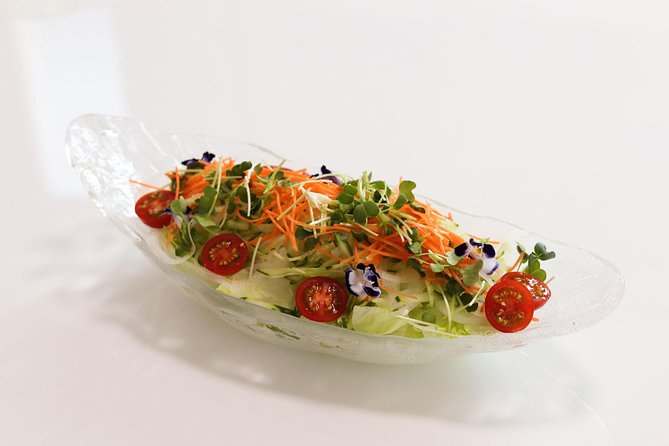
Sushi tastes different when you help make it in a local family home, not just order it at a restaurant. Chef Shiori welcomes you to her peaceful Sapporo neighborhood, teaches Japanese home cooking, and shares a meal built around seasonal Hokkaido ingredients.
In This Article
- Key points to know before booking
- Leaving central Sapporo for Sumikawa
- A private welcome in Shiori’s family home
- What you actually cook during the one-hour lesson
- Hokkaido flavors on the table
- Why the private format adds value
- The small details that shape the visit
- Who will enjoy this Sapporo cooking class most
- FAQ
- How long does the Sapporo cooking class last?
- Where do I meet Shiori?
- Does Shiori provide transportation to her home?
- What happens if my group has five or more people?
- What dishes might I prepare?
- Are vegetarian meals or allergy accommodations available?
- Is hotel pickup or drop-off included?
- Should you book it?
I like the private format, which lets Shiori adjust her teaching to your group. I also like the personal touch: she picks you up at Sumikawa Station, serves one or two glasses of local alcohol, and sends you home with recipes and useful kitchen techniques.
The main consideration is that the hands-on cooking lasts about one hour of the three-hour visit. Shiori prepares some vegetables and parts of the meal in advance, so this is as much a hosted food experience as a full cooking workshop.
Key points to know before booking
- Chef Shiori hosts you at home: You leave central Sapporo for a quiet residential neighborhood and cook in her newly built family home.
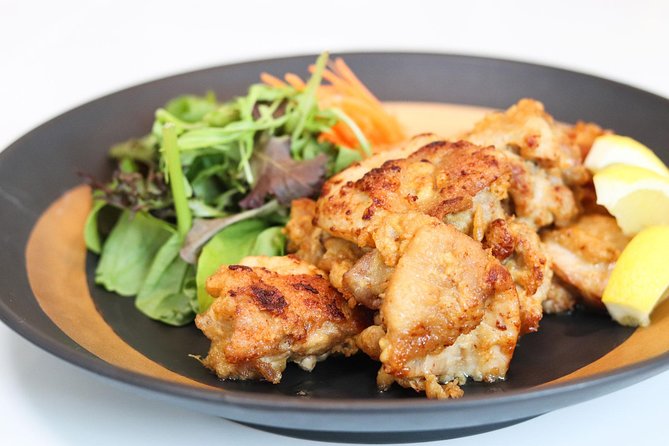
- Sushi is a central lesson: Depending on the menu, you may also prepare somen noodles, grilled chicken, starters, or side dishes.
- The class is private: Only your group participates, making it a good fit for families, couples, and small groups.
- Hokkaido ingredients shape the meal: Seasonal produce and seafood may feature, though the menu changes with the time of year.
- Station pickup is included: Shiori meets you at the north exit of Sumikawa Station and can drive up to four people to her home.
- Plan for about three hours: The cooking takes roughly one hour, followed by a home-cooked meal and conversation.
Leaving central Sapporo for Sumikawa
This experience begins at Sumikawa Station in Sapporo’s Minami Ward, rather than at a hotel or a major sightseeing landmark. That small change of scene is part of its appeal. You trade the city center for a quiet residential area where the focus shifts from sightseeing to ordinary Japanese home life.
Shiori meets you at the north exit of the station. Her car can carry up to four people, which keeps the transfer simple for couples and small families. If your group has five or more people, the extra members need to follow by taxi, at an estimated cost of about $10. Arrange this detail before you go, especially if your party includes children or anyone who would rather not make the short transfer independently.
Hotel pickup and drop-off are not included in the official arrangements. The activity ends back at the meeting point, so plan your return from Sumikawa Station rather than assuming you will be taken to your hotel.
The station meeting also makes this a practical choice if you are comfortable using Sapporo’s public transportation. You do not need to find an obscure private address on your own, and prior communication with Shiori helps you get to the right place.
Our other Sapporo reviews may also help you decide


A private welcome in Shiori’s family home
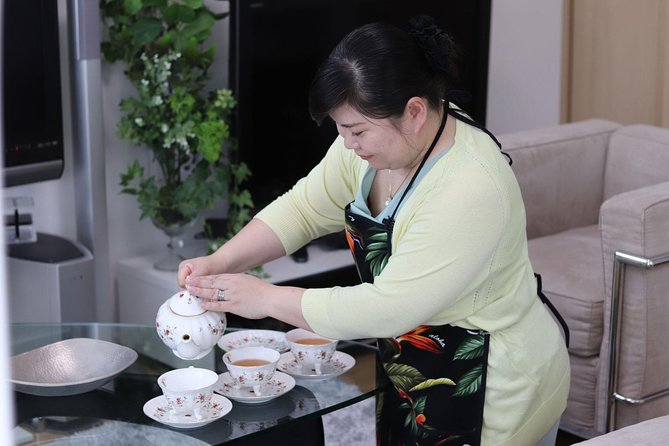
Shiori’s home is the setting, not a cooking school with rows of workstations. That matters. You see the meal prepared in a domestic space, with the relaxed pace and personal conversation that come with being welcomed into someone’s home.
The home is described as newly built and beautiful, but the more important point is the atmosphere. Shiori’s role is part chef, part host, and part cultural guide. She talks about Japanese cooking and food customs while helping you understand how the dishes fit together.
The private format gives you room to ask questions. If you are new to Japanese cooking, you can take your time with unfamiliar methods. If you already cook, you can ask about seasoning, knife work, sushi preparation, or how to adapt a dish outside Japan.
Communication has been especially important to solo visitors and people with limited Japanese. The experience includes advance contact about meeting at the station, and Shiori’s patient, clear teaching helps remove some of the worry about language.
Still, you should keep your expectations realistic. This is a home visit, not a formal culinary school lesson with a long technical syllabus. You get practical guidance and a warm meal, but the exact amount of instruction depends on the seasonal menu and the pace of your group.
What you actually cook during the one-hour lesson
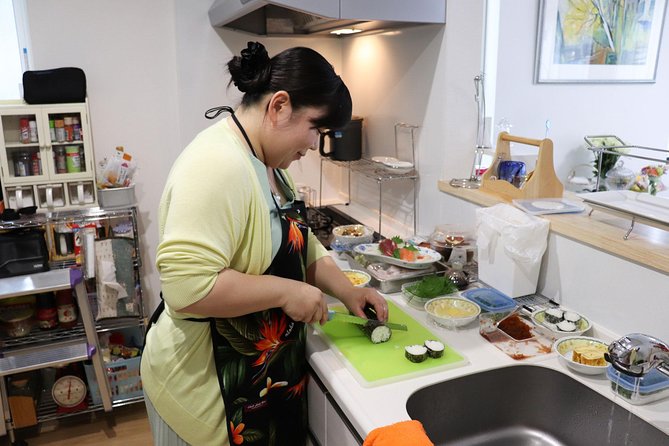
The cooking portion lasts about one hour. Shiori walks you through the preparation of one main dish and one side dish, while some peeling and cutting is done ahead of time. This advance preparation keeps the class moving, but it also means you will not perform every step from raw ingredients.
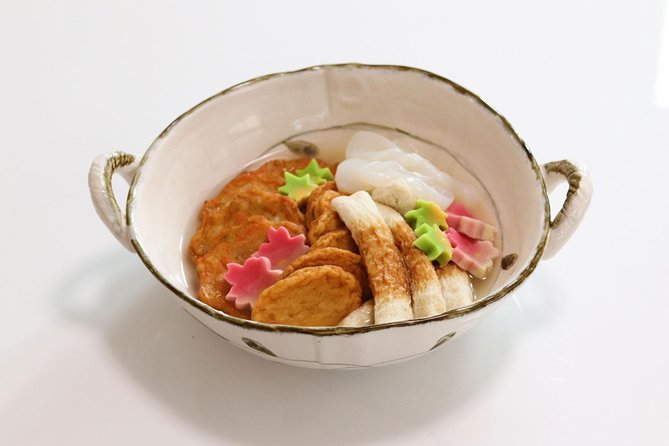
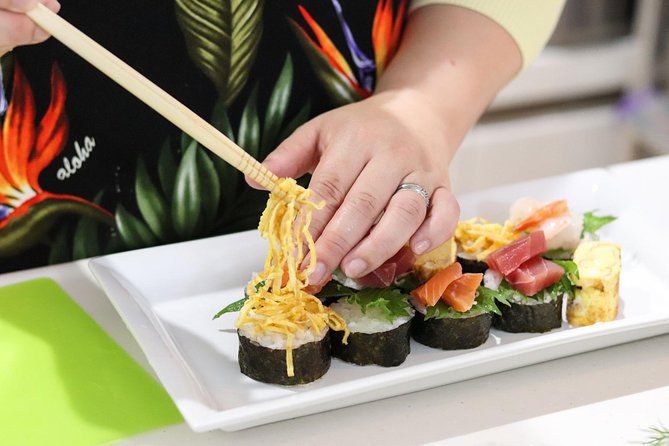
Sushi is one of the recurring highlights. You learn the basics of homemade sushi and the techniques needed to assemble it, rather than simply watching a chef prepare a finished plate. The class may also include somen noodles, grilled chicken, starters, or other side dishes.
The menu changes by season. In Sapporo, that can mean the meal reflects what is available from Hokkaido’s farms and waters, but you should not book expecting one fixed list of dishes. If a particular food matters to you, ask about the likely menu before confirming.
The lesson is best understood as a guided introduction to Japanese home cooking. You are not only learning a recipe. You are seeing how a Japanese meal combines a main dish, side dishes, noodles, and small starters into a balanced spread.
Shiori’s teaching style also appears suited to mixed-age groups. Families have used the experience, and a toddler enjoyed one visit. Young children may not want to follow every cooking step, but the private setting gives your family more flexibility than a shared class.
Hokkaido flavors on the table
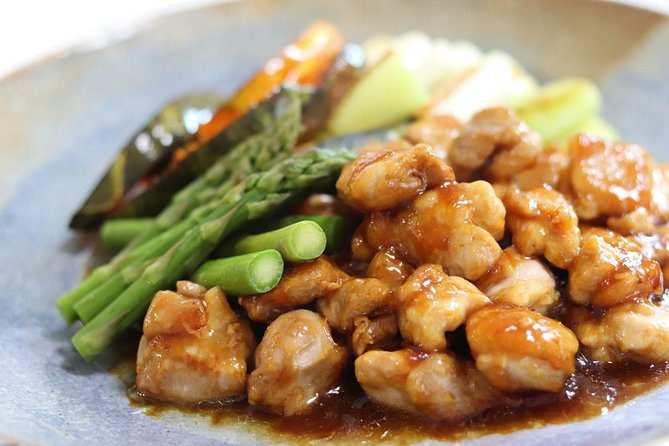
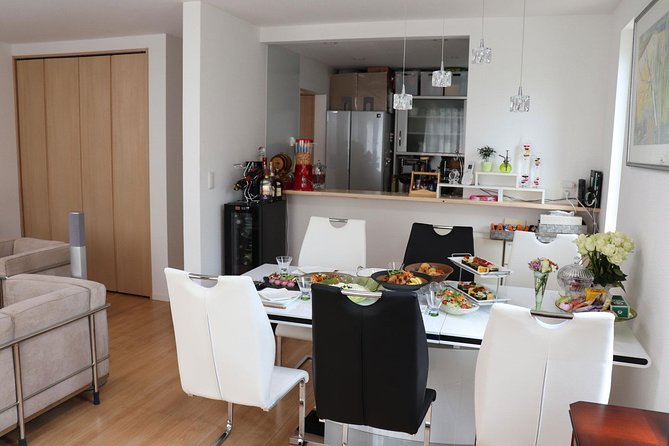
The meal is the payoff after the preparation. Your included home-cooked lunch or dinner may feature sushi and other dishes made with local produce or seafood. One of the strongest reasons to choose this experience is the chance to taste Hokkaido ingredients in a home-style setting rather than only through restaurant dishes.
You might sample a broad range of foods, particularly if Shiori prepares extra dishes for the table. The exact spread is seasonal, so the meal can vary from one booking to the next. That variety is a strength for curious eaters, though it makes the experience less predictable for anyone who wants a precise menu.
The included local alcohol is limited to one or two glasses. It is a small addition, but a pleasant one with a shared meal. If you do not drink, the cooking class and food remain the main event.
Dietary communication is important. Vegetarian options are available if requested at booking, and you should report allergies, dietary restrictions, and cooking preferences at that time. The care shown with allergies is a useful sign, but you should still explain your needs clearly before arriving.
If you are a serious food enthusiast, this is also a good chance to ask about Japanese supermarkets and household ingredients. One visit included a supermarket stop and a look at products used by Japanese families, though you should confirm whether that is part of your particular booking rather than assume it is included.
Why the private format adds value
At $108 per person, this is not a budget meal. You are paying for about three hours, a private instructor, station pickup, a home-cooked feast, local alcohol, and personal attention. For a private experience in Japan, the price can make sense, especially if you value conversation and cultural context as much as the food itself.
The value is weaker if you want three full hours of hands-on cooking. Only about one hour is devoted to preparing dishes, and Shiori handles some advance work. A standard group cooking class may offer more continuous kitchen time for less money, though it will not provide the same private home setting.
I would compare this with the cost of a good Sapporo meal plus a separate cultural activity. Here, the meal and instruction come together, and you leave with recipes and methods you can try at home. That practical after-trip value is easy to overlook when comparing prices.
The private arrangement is especially useful for families, couples, solo visitors, and groups with dietary needs. You are not sharing the kitchen with strangers, and the pace can be more comfortable for people who need clear, patient instruction.
The tour has received a 100 percent recommendation rate from 34 ratings, with a five-star overall score. That is a strong record, though the small sample means I would still judge the booking by your own priorities: food, conversation, and a local home visit rather than intensive chef training.
You can also read our reviews of more private tours in Sapporo


The small details that shape the visit
Allow roughly three hours from the station pickup through the return to the meeting point. Since the exact menu depends on the season, wear something comfortable for cooking and arrive ready for a meal that may not match the sample dishes exactly.
The activity is near public transportation, and the mobile ticket makes it easy to keep the booking details on your phone. Confirmation is sent within 48 hours, subject to availability, so do not leave the reservation until the last moment if your Sapporo schedule is tight.
Service animals are allowed. The activity is private, but the available information does not describe every accessibility feature of Shiori’s home, so ask in advance about mobility needs or other practical concerns.
Free cancellation is available up to 24 hours before the local start time. Cancellations or changes made inside that window are not refunded or accepted, so check your Sapporo plans before booking.
Who will enjoy this Sapporo cooking class most
You should consider booking if you want to meet a local host, eat Japanese home cooking, and learn a few techniques you can repeat at home. It is a strong choice for anyone who has already visited Sapporo’s main sights and wants a slower, more personal afternoon or evening.
Families can benefit from the private setting, especially when children need breaks. Couples and solo visitors also gain more conversation with Shiori than they would in a large class. The experience has worked well for people with limited Japanese, thanks to advance communication and patient instruction.
Food-focused visitors will appreciate the chance to discuss Hokkaido produce, seafood, local supermarkets, and home-style sushi. The menu variation is a plus if you like surprises, but less ideal if you need a fixed meal plan.
I would skip it if your main goal is a long, advanced cooking course. The limited hands-on period and advance preparation make this a gentle cultural cooking lesson, not a professional kitchen simulation.
FAQ
How long does the Sapporo cooking class last?
The experience lasts approximately three hours. The cooking portion takes about one hour, followed by the home-cooked meal and time with Shiori.
Where do I meet Shiori?
Meet Shiori at the north exit of Sumikawa Station, at 2 Chome-4 Sumikawa 4 Jo, Minami Ward, Sapporo, Hokkaido 005-0004, Japan.
Does Shiori provide transportation to her home?
Yes. Shiori picks you up at Sumikawa Station and drives you to her home. Her car can accommodate up to four people.
What happens if my group has five or more people?
Additional members are asked to follow by taxi. The estimated taxi cost is about $10 USD.
What dishes might I prepare?
Possible dishes include sushi, somen noodles, grilled chicken, starters, main dishes, and side dishes. The menu may change with the season.
Are vegetarian meals or allergy accommodations available?
A vegetarian option is available if requested at booking. You should also provide details about allergies, dietary restrictions, and cooking preferences when you reserve.
Is hotel pickup or drop-off included?
No. Hotel pickup and drop-off are not included. The activity ends back at the Sumikawa Station meeting point.
Should you book it?
Book this experience if you want a personal meal with a local host more than a long kitchen lesson. Shiori’s warmth, patient teaching, Hokkaido ingredients, and private home setting give the visit a human touch that a restaurant cannot match.
At $108 per person, it earns its price through the combination of instruction, food, drinks, pickup from Sumikawa Station, and time spent with Shiori. Just remember that the cooking itself is only about an hour, and the menu changes by season. If that balance suits you, this is one of the better ways to make a meal in Sapporo part of your cultural experience, not just a stop between sightseeing activities.
More Private Tours in Sapporo
More Tour Reviews in Sapporo


More Private Tours in Sapporo
Other Sapporo tours worth your shortlist







Cooking Classes, side by side.
 ★ 5.0Private Market Tour and Cooking Class with Kanae, a Sapporo LocalFrom $82.0029 reviews
 ★ 5.0Private Japanese Cooking Class in Sapporo with Local Host KanaeFrom $72.0020 reviews
 ★ 5.0Japanese Cooking Class in the Heart of Sapporo with SakuraFrom $72.0010 reviews
 ★ 5.0Kushiro: Japanese Bento Cooking Class with a Local HostFrom $612 reviews
The lists this tour appears in