Furano and Biei sit in the agricultural heart of central Hokkaido, about two hours from Sapporo by car or train. In July, the lavender fields draw tour buses by the dozen. But the area has more range than the lavender reputation suggests — rolling patchwork farmland, volcanic blue ponds, ski slopes that rival Niseko in snow quality, and a cheese and wine scene that has been growing quietly for decades. A rental car is the best way to explore, though the JR Furano Line connects the main stops.
Furano
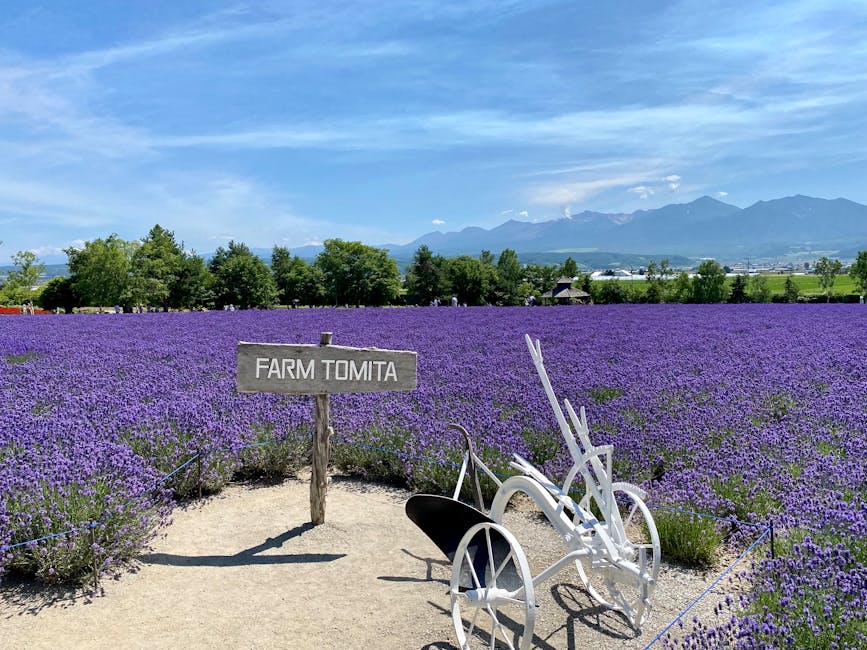
Farm Tomita
The most visited flower farm in Hokkaido, and for good reason. The lavender fields slope upward with the Tokachi mountain range behind them, and at peak bloom in mid-July the colour is genuinely striking. Entry is free. The farm has been growing lavender since 1958, long before it became a tourist attraction — the original fields were planted to supply the fragrance industry.
The main lavender season runs from late June to early August, with peak colour typically falling between July 10 and July 25. Outside of lavender season, the farm grows poppies, marigolds, salvia, and other flowers that keep the hillside colourful from June through September. Winter is bare fields and closed shops.
Arrive before 09:00 if you can. By mid-morning in July, tour buses from Sapporo fill the parking area and the paths between fields become congested. Early morning is also better for photography — the light is softer and the crowds are absent. The farm’s lavender soft serve (¥300/~$2) is genuinely good and not just a novelty. The dried lavender products in the shop make practical souvenirs that actually smell like something.
A second, smaller field called Lavender East sits about 4km from the main farm. It is the largest lavender field in Japan and far less crowded, though it only opens during peak season (July). Worth the short drive if you want photos without people in them.
Furano Cheese Factory
A working dairy that opens its doors for visitors. You can watch cheese being made through observation windows, and the workshops let you make your own butter (¥900/~$6) or cheese (¥1,000/~$7) — good for kids and surprisingly satisfying for adults. The shop sells fresh camembert, smoked cheese, and a wine-washed cheese that you won’t find elsewhere in Hokkaido. The pizza cafe on site uses the factory’s own mozzarella and is better than you would expect from a tourist facility.
Free entry to the factory and observation area. Workshops need advance booking in peak season.
Furano Wine Factory
Hokkaido’s wine industry is still young by global standards, but Furano has been at it since 1972. The municipal winery produces reds, whites, and a grape juice that sells out every year. The factory is open for free tastings and tours. The reds are light-bodied — don’t expect Burgundy — but the whites, particularly those made from the Kerner grape, can be genuinely good. A bottle runs ¥1,500-3,000 (~$10-20) and makes a distinctive souvenir.
The grape harvest festival in September brings locals out in numbers. Free wine tasting, food stalls, and a relaxed atmosphere.
Ningle Terrace
A collection of small log-cabin craft workshops in the birch forest behind the New Furano Prince Hotel, created by the Furano-based writer Soh Kuramoto (who also wrote the TV drama Kita no Kuni Kara that put Furano on the map). Each cabin houses a different artisan — candles, pressed flowers, leather, silverwork. The setting is charming in any season: snow-covered in winter, green and shaded in summer. Free to walk through; workshop items are priced individually.
It can feel a bit touristy, but the craftsmanship is genuine and the forest setting makes it a pleasant stop even if you don’t buy anything. Winter evenings, when the cabins are lit and snow is falling, are particularly atmospheric.
Furano Ski Resort
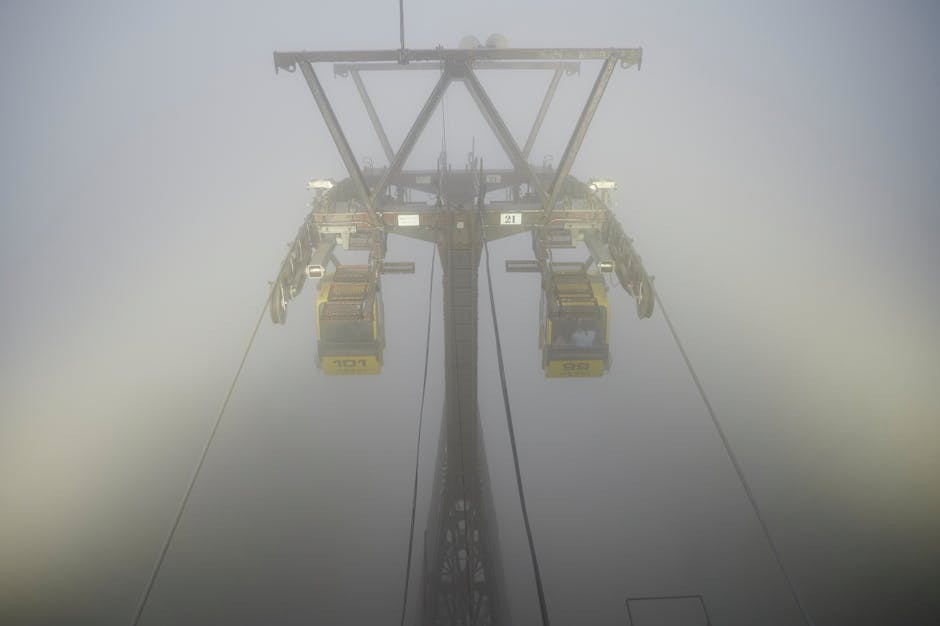
Comparable snow quality to Niseko — the same Hokkaido powder — but with fewer visitors, shorter lift queues, and lower prices. Furano hosted FIS World Cup events, so the terrain has genuine variety from beginner to advanced. Lift tickets run about ¥5,900/day (~$40), roughly 30% less than Niseko. The town-side base is within walking distance of shops and restaurants, unlike the more isolated resort setups. See our ski resorts guide.
The one drawback compared to Niseko is the apres-ski scene — Furano’s is quieter and more Japanese in character, which is either a positive or a negative depending on what you want from a ski trip.
Biei
Biei is a farming town 25 minutes north of Furano by car, spread across rolling hills that create one of the most photogenic agricultural landscapes in Japan. The appeal is simple: coloured crop fields — wheat, potatoes, beans, corn — divided into strips across undulating terrain, backed by the Tokachi mountains. In summer it looks like someone painted the hillsides. In winter the snow-covered fields and lone trees have their own stark beauty.
Blue Pond (Aoi Ike)
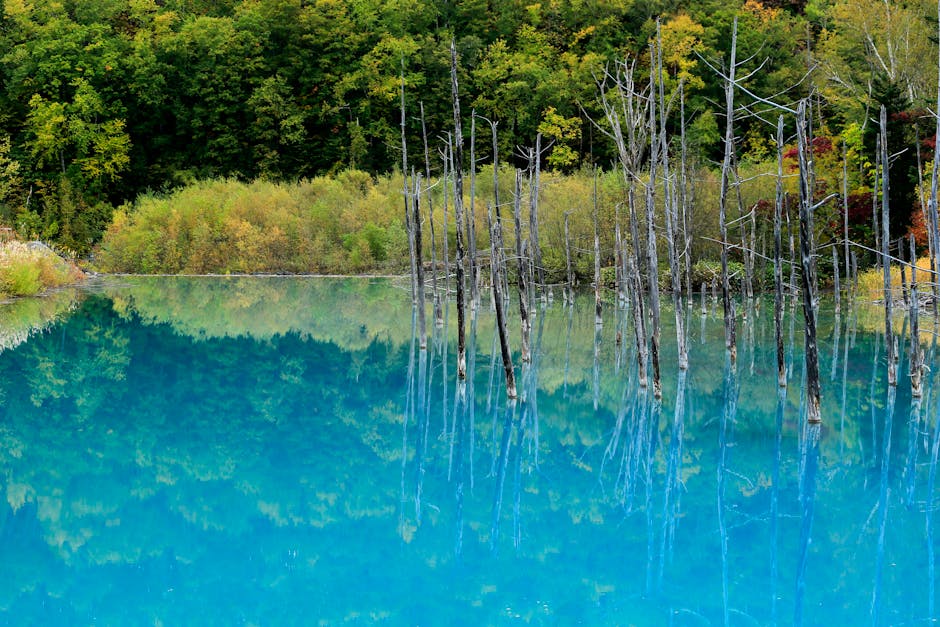
A man-made pond where dissolved volcanic minerals from Mt. Tokachi turn the water an intense cobalt blue. Dead birch trees standing in the blue water create a surreal landscape that went global after Apple used it as a default iPhone wallpaper. The colour is best on calm, overcast days when there is no wind to disturb the surface. Bright sunlight actually washes it out.
Parking is ¥500 (~$3.40). The pond is about a 5-minute walk from the car park along a gravel path. It is small — the loop trail takes about 15 minutes — and can feel crowded at midday in summer. Go before 09:00 or after 16:00 for the best experience. In winter, the pond freezes and is lit up at night with coloured lights (November through March); the effect is different but worth seeing if you are in the area.
The upstream Shirogane Falls (Shirahige no Taki) are a 5-minute drive further along the same road. Hot spring water cascades over volcanic rock into a blue-tinted river. Less famous than the pond, equally photogenic, and usually much less crowded.
Shikisai no Oka
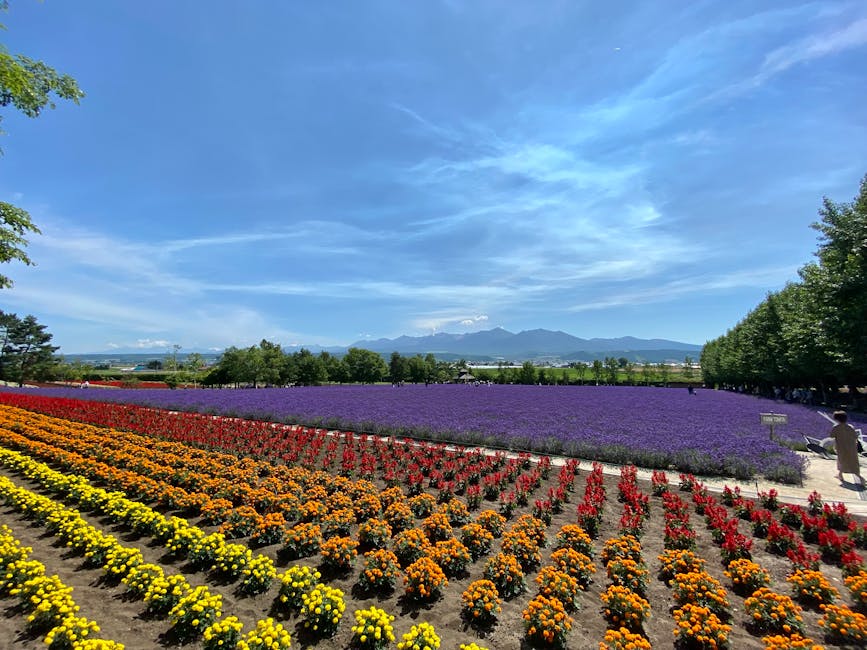
A flower park where strips of different varieties create rainbow bands across a sloping hillside, with the Tokachi mountains as a backdrop. More structured than Farm Tomita — this is a planted garden rather than a working farm — but the scale and colour are impressive. Entry approximately ¥500 (~$3.40). Open April to November. Peak colour is July through early September.
The park offers tractor-pulled carts, buggies, and a small alpaca farm. It is one of the more family-friendly stops in the area. See our flower guide for timing across all Hokkaido flower sites.
Patchwork Road and Panorama Road
Two driving routes through Biei’s agricultural hills that have become iconic photo spots. Patchwork Road runs through the western hills, passing lone trees that have become individually famous — the Christmas Tree, Ken and Mary’s Tree (from a 1970s Nissan commercial), the Mild Seven Hills (from a cigarette ad). Panorama Road covers the eastern side, with wider views toward the Tokachi mountains.
Both are best explored by car at a slow pace, stopping wherever the view catches you. In summer, roadside stalls sell fresh corn on the cob (¥200-300) and melon. The area is also popular with cyclists — the terrain is hilly but manageable, and the roads are quiet outside peak season. See our cycling guide.
A note: some of the famous trees are on private farmland. The fields are not public parks. Stay on the road and paths, and don’t walk into crops for a closer photo. This has been a genuine problem, and some farmers have cut down trees rather than continue dealing with trespassing tourists.
Food in Furano and Biei
The agricultural setting means the local food is unusually good. Furano curry is a local speciality — a rich Japanese curry made with local vegetables, often served in a baked cheese-topped rice dish called “omelette curry.” Kurumaya is the original and still the most popular restaurant for it (expect a queue at lunch, about ¥1,200/~$8).
Biei has several farm-to-table cafes that serve lunch using ingredients from the surrounding fields. Bi-ble is a standout, housed in a stone farmhouse with a wood-fired pizza oven. The melon from this region (Furano melon) is famous throughout Japan — in season (July-August), roadside stands sell half-melons for ¥500-800 that are as good as anything you will eat in Hokkaido. See our food guide and sweets guide for more.
Getting There
By car: About 2 hours from Sapporo via the Doto Expressway and Route 38. This is the most practical option for seeing both Furano and Biei, as the attractions are spread out.
By train: JR from Sapporo to Furano takes about 2 hours, changing at Takikawa or Asahikawa. The JR Furano Line between Furano and Biei is a scenic rural railway through the farmland — slow but atmospheric. Covered by the JR Hokkaido Rail Pass. The seasonal Furano-Biei Norokko sightseeing train (June to October) runs at reduced speed with large windows for the views.
Day tours from Sapporo: Multiple operators run day tours covering Farm Tomita, Blue Pond, and Shikisai no Oka. Available through Klook from approximately ¥5,800 (~$39). Tours are efficient but rush you through each stop. If you can drive, you will have a better experience at your own pace.
When to Go
Mid-July: Peak lavender at Farm Tomita, flowers at Shikisai no Oka, Blue Pond at its most colourful. Also the busiest period — book accommodation well ahead.
June and August: Still good flower colour without the peak-July crowds. Early June has lupins; late August has sunflowers and cosmos.
September–October: Harvest season. The patchwork fields change colour as crops are gathered. Wine festival in September. Fewer visitors.
December–March: Furano Ski Resort in full operation. Blue Pond illumination. Snow-covered Biei hills. A completely different atmosphere but genuinely beautiful.
How Long
Day trip from Sapporo: Possible but rushed. You can fit Farm Tomita, Blue Pond, and one other stop. A car makes this viable; by train it is tight.
One night: The ideal duration. Gives you a full day to cover both Furano and Biei without hurrying. Stay in Furano town or at a pension in the Biei countryside.
Two nights: Comfortable pace with time for the cheese factory, wine tasting, Patchwork Road, and a relaxed morning. Combine with Asahikawa (45 minutes north) for a multi-day central Hokkaido trip.