Hokkaido sits apart from the rest of Japan in almost every sense that matters to a photographer. The island is large enough to contain genuine wilderness, sparse enough to preserve dark skies, and varied enough to offer a completely different palette in every season. Where much of Japan rewards the careful framing of small, manicured details, Hokkaido asks you to think wide. Lavender fields run to the horizon. Sea ice presses against volcanic coastline. Red-crowned cranes dance in river mist before the sun has fully cleared the hills. The light carries a quality you notice immediately — cleaner, cooler, and at certain hours startlingly similar to Scandinavia.
Winter Photography (December–March)
The season that defines Hokkaido’s photographic reputation. Heavy snowfall, reliable cold, and dramatic landscapes create conditions that don’t exist in mainland Japan.
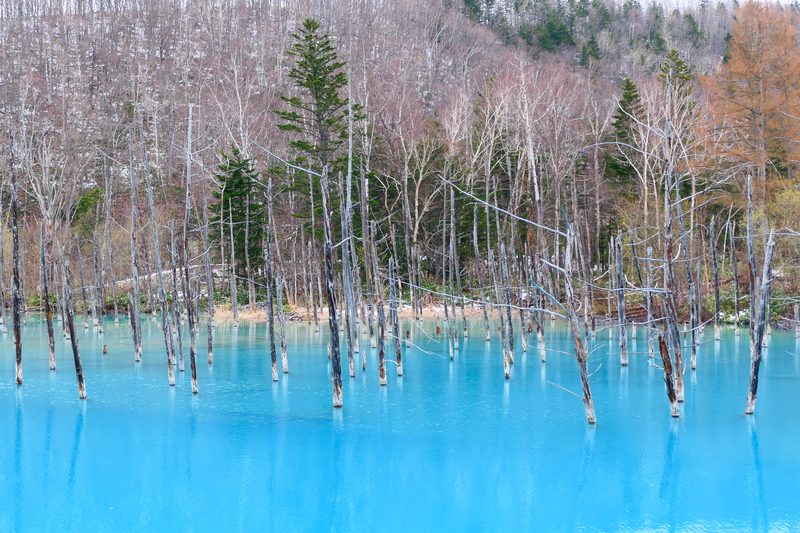
Blue Pond (Biei): Freezes into a pale turquoise mirror surrounded by snow-dusted larch stumps. Arrive before 08:00 on a calm morning for the cool blue cast before tour buses arrive. Shooting east between 07:00–09:00 gives the ice surface a subtle warmth. A circular polariser cuts reflection and saturates the colour. The winter illumination (November–March) creates a completely different set of shots at night.
Sapporo Snow Festival: Sculptures are lit from inside after dark. Crowds thin after 21:00. A tripod is essential for night exposures; a fast prime (24–35mm) handles the scale. Blue hour (16:30–17:30 in February) gives the best balance of ambient and artificial light.
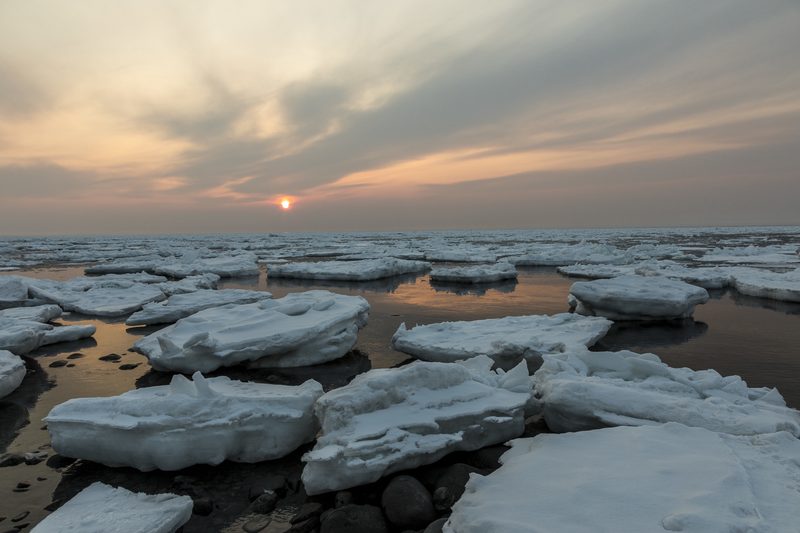
Drift ice (Abashiri/Rausu): Most photogenic in the hour after sunrise when low-angle light creates texture across the ice. A 70–200mm isolates interesting formations from the icebreaker deck. In Rausu, eagle boat tours put Steller’s sea eagles within metres — 1/2000+ shutter speed and burst mode for in-flight shots.
Red-crowned cranes (Kushiro): Tsurui-Ito Sanctuary. The key window is January–March, 07:00–09:00 on calm days below -10°C when river mist is densest. Minimum 400mm; 500–600mm gives compositional flexibility. ISO 800–1600 handles the low light without ruining feather detail. See our wildlife guide.
Cold-Weather Challenges
- Batteries: Lithium batteries lose capacity rapidly below freezing. A battery showing 60% indoors can drop to empty within 30 minutes at -10°C. Carry 2–3 spares in an inner jacket pocket. Mirrorless cameras are particularly vulnerable.
- Condensation: Bringing a cold camera into a warm building fogs the optics and can damage electronics. Seal the camera in a plastic bag before coming indoors; leave it sealed 20–30 minutes while it warms gradually.
- Snow metering: Cameras underexpose snow (try to make it grey). Add +1 to +1.5 stops exposure compensation for snow scenes, or shoot manual with a test frame.
- Hands: Heated liner gloves under shooting gloves keep fingers functional. Tripod legs conduct cold — foam grip tape on lower sections makes a real difference after an hour.
Spring Photography (April–May)
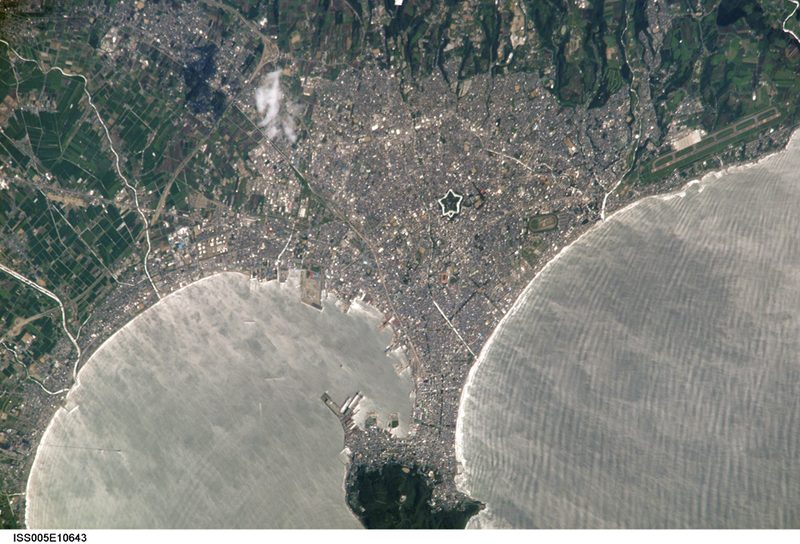
Hokkaido’s cherry blossoms arrive a full month after Tokyo — photographers who’ve already processed their Tokyo shots can follow the sakura front north. Goryokaku Fort (Hakodate) is the signature shot — 1,600 cherry trees tracing a star shape, viewed from the tower (¥900). Peak bloom late April to early May. Shoot in early morning for soft light and minimal crowds. A 50–85mm equivalent balances foreground blossoms against the castle.
Shibazakura (moss phlox) covers hillsides in pink and purple at Takinoue Park and Higashimokoto in late May to early June. Less famous than mainland sites and significantly less crowded. Colour saturation is intense enough that you may need to desaturate in post.
Summer Photography (June–August)
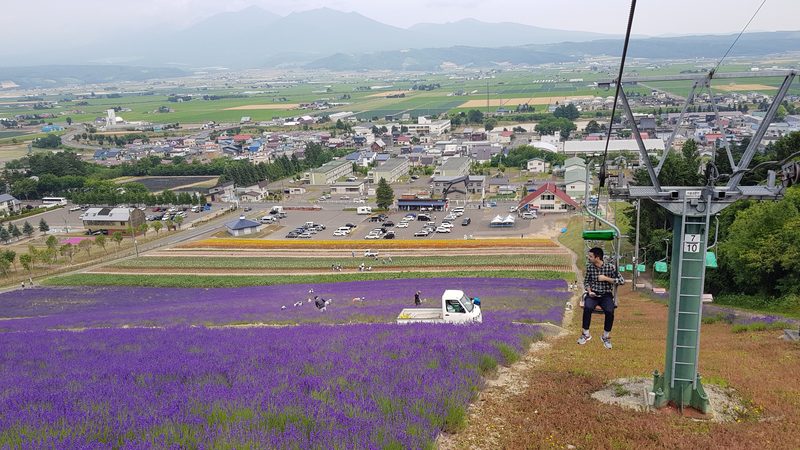
Farm Tomita lavender (Furano): Peaks mid-July. Arrive before 07:00 for empty fields. Low-angle light in the first two hours creates shadows between lavender rows that add depth. Wide-angle (16–24mm) captures the scale; 70–200mm compresses the rows into abstract colour bands that work well for square crops.
Biei patchwork fields: Rolling terrain means slight changes in camera position dramatically alter how colour blocks relate. Worth spending time on foot rather than shooting from the road. Early morning fog in July–August transforms ordinary field shots into something atmospheric.
Summer golden hour starts around 04:30 in July — before most tour groups are operational. Hokkaido’s northern latitude means extended golden hours, with sunset lasting 45+ minutes.
Autumn Photography (September–November)
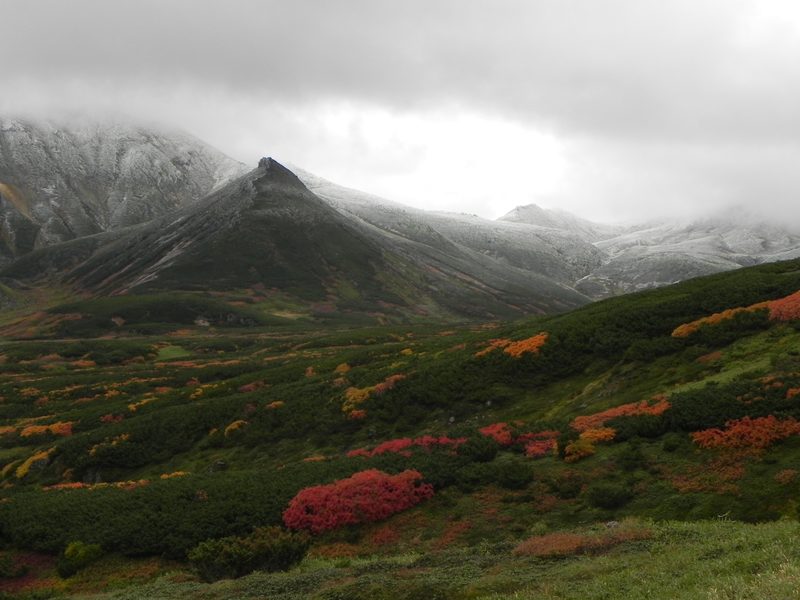
Daisetsuzan first foliage: Japan’s earliest autumn colour, starting late August at the Asahi-dake ropeway alpine zone. Peak approximately September 15–30. The Sugatami Pond area reflects the colours on still mornings. The ropeway ride itself is a viewpoint — shoot through the gondola windows. Arrive for the first car (06:30 in season) to avoid 30–60 minute queues on peak weekends.
Jozankei Gorge: Red and gold along the Toyohira River, early to mid-October. Futami Suspension Bridge and Nishikibashi Bridge are the main viewpoints. Morning mist in the gorge adds atmosphere.
Onuma Park: Lake reflections with foliage and Mt. Komagatake behind. Calm early mornings produce mirror reflections. Near Hakodate for a practical autumn day trip.
Night Photography
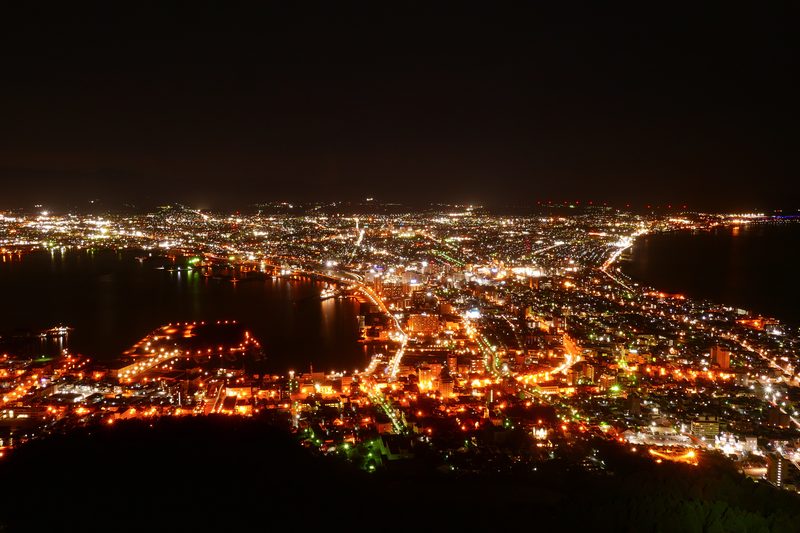
Mt. Hakodate: The hourglass city between two dark bays. Arrive at sunset, stay through the transition. 24–50mm for the full panorama; longer lens for light-trail reflections on water. Tripod space is competitive — arrive 30 minutes before full dark. Ropeway ¥1,800 round trip, runs until 22:00 (21:00 winter).
Mt. Moiwa (Sapporo): The city grid from above. The geometric pattern of Sapporo’s streets lit up at night works in both wide and compressed compositions. Ropeway + cable car ¥2,100.
Otaru Canal: Gas lamps and stone warehouses reflected in water. Best at dusk when lamps are lit but ambient sky light remains — gives depth rather than pure black background. Tripod essential.
Winter illuminations: Sapporo White Illumination and Otaru Snow Light Path (November–February) produce warm artificial light against cold blue night air. Shoot 18:00–20:00 when sky still has colour.
Wildlife Photography
Eagles (Rausu): Steller’s sea eagles on drift ice, January–March. Tour boats position close. 400–600mm at 1/1600+ shutter speed, continuous AF tracking. The shooting is fast and unpredictable — birds lift off, fight over fish, and land in brief sequences. Book ahead; tours fill on weekends.
Brown bears (Shiretoko): Boat tours along the coast June–September. 300–500mm from established viewing paths. Early morning and late afternoon most active. Bears fishing in rivers during the autumn salmon run (September–October) are particularly dramatic. See our eastern Hokkaido guide.
Beanbag tip: For telephoto wildlife work from a vehicle, a beanbag on the window replaces a tripod effectively and is faster to deploy at roadside sightings.
Astrophotography
Hokkaido’s rural interior has some of the darkest skies in Japan — low population density and long winters keep agricultural lighting minimal. The areas around Nakafurano, Kamishihoro, and Shiretoko’s interior offer Bortle Class 4 or better conditions. The Milky Way core is visible May through August.
Farm fields in the Furano basin make compelling foregrounds — irrigation infrastructure, field patterns, and silhouetted tree windbreaks give wide-angle shots a sense of place. Settings: ISO 3200–6400, f/2.8 or wider, apply the 500 rule to determine maximum exposure time. Focus manually to infinity and verify at maximum magnification before full dark.
January–February nights produce extraordinary star density and occasional aurora borealis activity — Hokkaido sits at a latitude where active solar years produce visible aurora, and the flat agricultural terrain offers unobstructed northern horizons.
Drone Regulations
Japan requires registration for drones above 100g with the Japan Civil Aviation Bureau. Beyond registration:
- National parks (Daisetsuzan, Shiretoko, Akan-Mashu) restrict or prohibit flights to protect wildlife.
- Airports (New Chitose, Hakodate, regional) have no-fly zones.
- Populated areas require permission for overhead flights.
- Biei town has restricted drone flights at several locations following overcrowding issues.
- Night flying and beyond-visual-line-of-sight require specific MLIT authorisation.
- Check the MLIT drone flight map (displayed in DJI Go 4 and Fly apps) and confirm with local tourism offices before flying anywhere.
Practical Tips
- RAW in winter: Shoot RAW and adjust white balance in post. The difference between auto and manually set 5500K is significant in snow scenes.
- Filters: A polariser for the Blue Pond, a 6-stop ND for long exposures of water and drift ice, a graduated ND for high-contrast skies over flat terrain. More useful here than in most Japan destinations.
- Tripod: Carbon fibre handles cold better than aluminium, which becomes painfully cold to bare hands at -10°C.
- Memory cards: Rapid-burst shooting on eagle sessions fills cards quickly. Bring more capacity than you think you need.
- Best light is early: Golden hour begins around 04:30 in July, before tour groups are operational.
See our climate guide for month-by-month weather and our packing guide for winter gear recommendations.