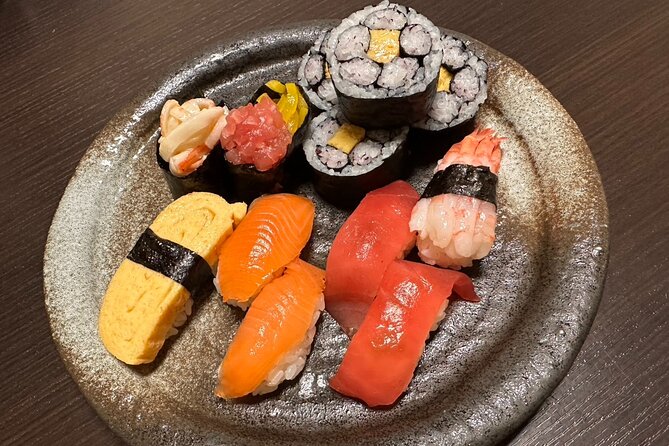
Sushi is easy to eat and surprisingly hard to shape well. This compact Sapporo class lets you work with the basics directly: rice temperature, topping placement, hand pressure, and clean knife cuts. In about 70 minutes, you make six pieces of nigiri and one decorative roll.
In This Article
- Key points to know before booking
- What you actually make in 70 minutes
- Starting with rice, temperature, and clean hands
- Making six nigiri pieces by hand
- Building the decorative roll
- Tasting, feedback, and tips you can use at home
- A compact class with a possible group-size tradeoff
- Price, location, and how the timing fits your day
- Who will get the most from this class
- Cancellation and booking details
- Should you book the Sapporo sushi class?
- FAQ
- How long does the sushi class last?
- How much does the experience cost?
- What will I make during the class?
- Is the class suitable for beginners?
- Where does the class begin and end?
- How many people can join the activity?
- Can I cancel for a full refund?
I like two things right away. First, the class gives you enough hands-on work to build a real feel for sushi, rather than leaving you to watch a demonstration. Second, the decorative roll adds a visual challenge and a useful photo at the end. The main consideration is the possible group size, which can reach 44 people, so personal attention may vary.
Key points to know before booking
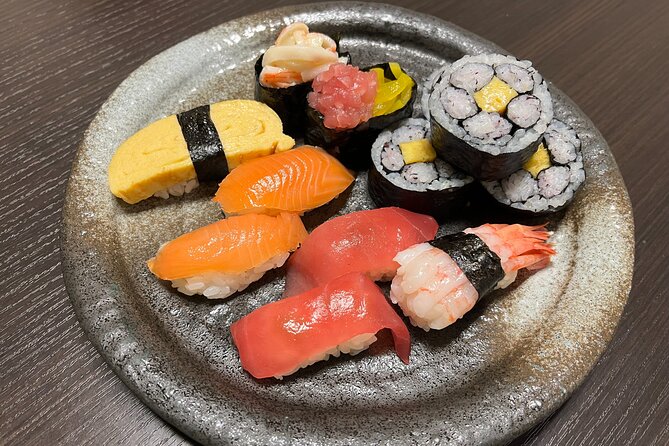
- Six nigiri pieces: You shape classic sushi yourself after a demonstration and rice lesson.
- Decorative roll: You practice careful filling, rolling, and cutting for a more visual final dish.
- Five thousand JPY: The listed price is $32.86 per person, making it a moderate-priced food activity in Sapporo.
- Seventy-minute format: The class fits neatly into a sightseeing day, but it leaves little room for a slow, relaxed meal.
- Central Sapporo meeting point: You begin and finish at Sushi & Kani dining 北の侍, on the third floor of the Apollo Building.
- Beginner-friendly instruction: The class is designed for first-timers, cooking enthusiasts, and international participants.
What you actually make in 70 minutes
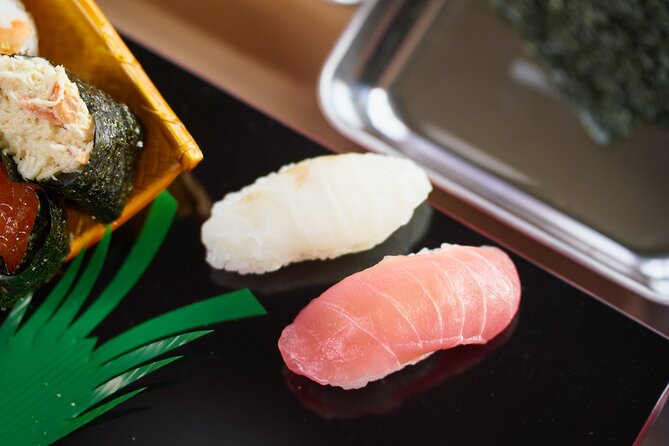
The appeal here is focus. You are not signing up for a long culinary workshop with several unrelated dishes. The entire class follows the path of a sushi meal, from rice and ingredients to shaping, cutting, tasting, and cleanup.
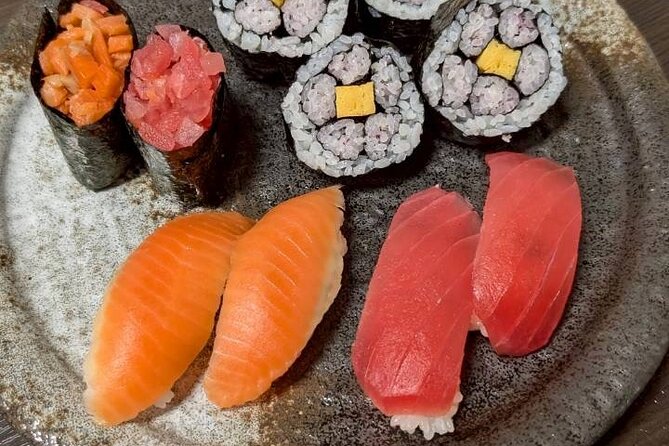
You make six classic nigiri, then prepare one decorative roll. That mix matters. Nigiri teaches restraint and hand control, while the roll lets you think about arrangement, balance, and presentation.
The schedule is tightly divided:
- Five minutes for check-in and orientation
- Eight minutes for ingredients and hygiene
- Twenty-two minutes for rice preparation and nigiri
- Twenty minutes for the decorative roll
- Ten minutes for tasting and feedback
- Five minutes for questions, photos, and wrap-up
That timetable gives you a clear sense of the pace. You will not spend half the class waiting for the instructor to set things up. Still, the short format means you should arrive ready to listen and work. If you prefer a slow meal with long conversation between steps, this may feel brisk.
Our other Sapporo reviews may also help you decide


Starting with rice, temperature, and clean hands
The first useful lesson is not the fish. It is the rice.
The class covers the feel of proper sushi rice, along with ingredient handling, hygiene, and temperature control. These details are easy to ignore when you buy sushi at a restaurant, but they decide how well homemade sushi holds together.
Rice that is too warm, too cold, too wet, or pressed too firmly can change the texture of the whole piece. The class aims to give you a practical sense of these differences, not just a recipe to copy.
The hygiene briefing also sets the tone. Sushi requires care with hands, surfaces, tools, and ingredients. You get this information early, then move on quickly to the part most people are waiting for: shaping the food.
Because the lesson is intended for beginners and international participants, you do not need prior sushi-making experience. The most useful approach is to watch the hand movements closely, then copy them instead of trying to rush ahead.
Making six nigiri pieces by hand
The nigiri section receives 22 minutes, nearly one-third of the class. That is sensible. Nigiri looks simple, but the shape depends on small movements.
You first see a demonstration, then make six pieces yourself. Six is enough to give you repetition without turning the activity into a production line. Your first piece may be awkward. By the sixth, you should have a better idea of how much rice to use, how gently to press it, and how to place the topping.
The class focuses on the feel of the rice and the basic form of nigiri. That has more value than simply assembling a finished piece. You can take the hand pressure and portioning ideas home and apply them to other toppings later.
There is also a useful lesson in repetition. One piece can be a lucky result. Six pieces show you where your method is consistent and where it falls apart. The tasting and feedback period gives you a chance to think about those differences while the work is still fresh.
The limitation is time. Twenty-two minutes is enough for an introduction and six pieces, but not enough to explore many sushi styles or advanced knife work. Think of this section as a strong first lesson, not professional training.
Building the decorative roll
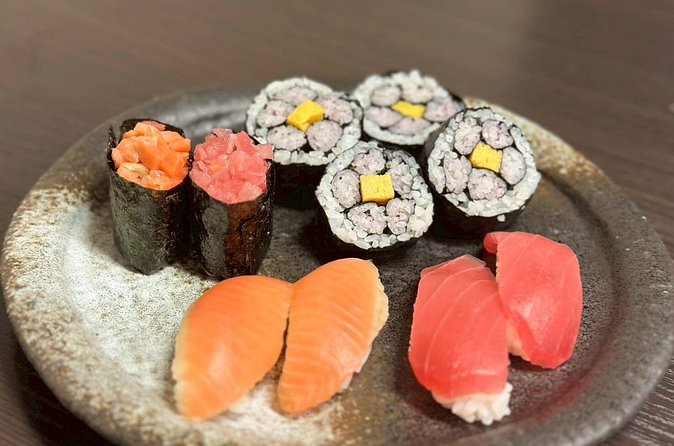
The decorative roll gets 20 minutes and changes the rhythm of the class. Nigiri is about small, controlled portions. A roll asks you to plan the inside, distribute the filling, keep the shape firm, and cut it without crushing the result.
You learn how to lay out the fillings, roll the sushi, and make clean cuts. The visual result is part of the fun, but the technique has practical value. A poorly filled roll can split, shift, or look uneven when sliced. The class shows you how the arrangement affects the finished pieces.
This is likely the most photo-friendly part of the activity. You finish with a decorative sushi creation that looks different from the six nigiri pieces. For anyone who enjoys food photography, the contrast gives you something more interesting than a plate of identical shapes.
The roll also suits people who are less confident with hand-shaped sushi. You get another way to work with rice and toppings, using the rolling process to create structure.
Again, the 20-minute block is compact. You will learn the core movements, but you should not expect a long menu of decorative patterns or several different rolls. The value is in trying the method yourself and leaving with a process you can repeat at home.
Tasting, feedback, and tips you can use at home
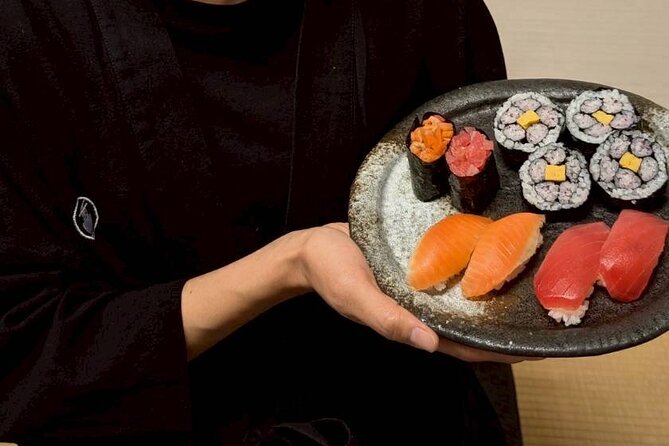
The final tasting period lasts 10 minutes. This is not just a chance to eat what you made. It gives you time to notice the texture of your rice, the balance of filling, and the difference between your earlier and later pieces.
The class includes key takeaways for home practice. That is important because sushi-making often looks easier in a restaurant than it feels on a kitchen counter. A few clear reminders about rice, temperature, shaping, and cutting can prevent common mistakes.
You also have five minutes for questions, photos, tools, quick cleanup, and wrap-up. The short question period means you should think ahead. If you want advice about making sushi at home, ask about the exact step that gave you trouble rather than using the time for broad questions.
The practical home angle improves the value of the class. You are not simply making lunch in Sapporo. You are learning a set of basic movements that you can test again after your trip.
Our other Sapporo reviews may also help you decide


A compact class with a possible group-size tradeoff
The activity can have as many as 44 participants. That is the most important practical point to weigh before booking.
A larger group can bring energy to a food class, and the planned schedule helps keep everyone moving. But a group of that size may mean less one-on-one correction. If you need close guidance with every piece, your experience could depend on where you are positioned and how quickly you ask for help.
The structure does offer some protection. There is a demonstration before the nigiri work, a defined roll section, and a feedback period. You are not expected to figure out the process without instruction.
Still, I would approach the class as a shared workshop, not a private lesson. Beginners who are comfortable copying a demonstration should manage well. People seeking detailed coaching on knife skills or restaurant-level presentation may want a smaller class, if one is available elsewhere.
There are no published ratings or written reviews for this experience yet, so you cannot use past participant feedback to judge the teaching style or exact group atmosphere. That makes the clear schedule and stated learning goals especially useful when deciding.
Price, location, and how the timing fits your day
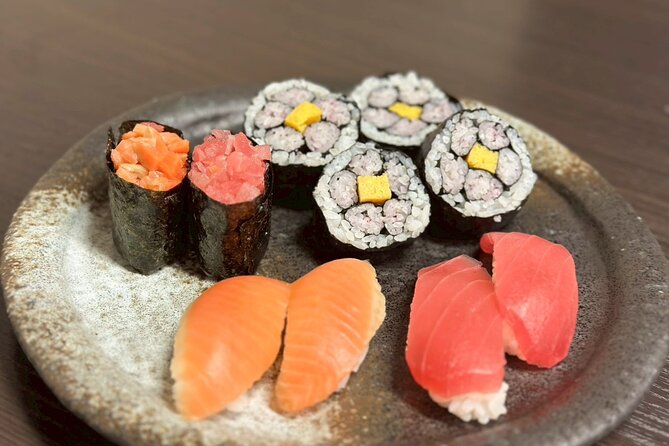
The price is listed as $32.86 per person, or 5,000 JPY. For that fee, you receive a 70-minute guided activity, ingredients, six nigiri pieces, a decorative roll, tasting, feedback, and time for questions and photos.
I consider that fair value if you want to learn a skill while eating what you prepare. It is less compelling if you only want a large meal, since the class is built around instruction and hands-on work rather than quantity.
The meeting point is Sushi & Kani dining 北の侍, at アポロビル 3階, in Sapporo’s Chuo Ward. The listed address is Japan, 064-0807 Hokkaido, Sapporo, Chuo Ward, Minami 7 Jōnishi, 3-chōme 729. The location is near public transportation, which makes it practical to fit before or after other plans in central Sapporo.
The activity ends at the same place where it starts. That removes the need to find a second pickup point or arrange transport after the class.
The mobile ticket is convenient for a day of sightseeing. You receive confirmation at booking, so you can keep the entry details on your phone. The class takes only about 70 minutes, but allow enough time to find the building and reach the third floor before the start time.
Who will get the most from this class
I would recommend this class to several types of visitors.
First-time sushi makers get a clear introduction without committing half a day. The lesson starts with hygiene, ingredients, rice, and temperature, then moves into direct practice.
Food-focused visitors get more than a meal. You work with the preparation and can pay attention to texture, shape, and presentation.
Families and mixed-experience groups may like the two-part format. Nigiri offers a simple starting point, while the decorative roll gives everyone a more creative task.
International visitors should find the stated format approachable, since the activity is designed for people from around the world. The supplied information does not name the instructor or specify the teaching language, so you may want to confirm language details before booking if that matters to you.
The class is less suitable if you want a long, relaxed dining experience, an advanced sushi course, or guaranteed private coaching. It is also not the best choice if the possibility of a large group would bother you.
Cancellation and booking details
You can cancel for a full refund up to 24 hours before the local start time. Cancellations made less than 24 hours before the experience are not refunded, and changes within that same 24-hour window are not accepted.
The activity is often booked about six days ahead. That gives you a useful planning guide, though the information does not promise availability for every date. Confirmation arrives when you book, and the mobile ticket keeps the entry process simple.
Should you book the Sapporo sushi class?
Book it if you want a short, hands-on food activity with a clear result. The combination of six nigiri pieces, one decorative roll, rice instruction, tasting, and home practice gives the 5,000 JPY price a solid purpose.
I especially like the balance between technique and play. You learn why rice and temperature matter, then get to make something visually pleasing. Just keep the group size in mind, and do not expect an advanced chef’s course in 70 minutes.
For a first sushi lesson in Sapporo, this is a sensible choice for beginners, food lovers, and anyone who wants an activity that fits neatly into a busy sightseeing schedule. If you prefer a quiet, highly personal lesson, confirm the class setup first or choose a smaller-format option.
FAQ
How long does the sushi class last?
The class lasts approximately 70 minutes.
How much does the experience cost?
The listed price is $32.86 per person. The stated class price is 5,000 JPY per person.
What will I make during the class?
You will make six pieces of classic nigiri and one decorative sushi roll.
Is the class suitable for beginners?
Yes. The class is designed for beginners, cooking enthusiasts, and international participants.
Where does the class begin and end?
It begins and ends at Sushi & Kani dining 北の侍, アポロビル 3階, in Minami 7 Jōnishi, Chuo Ward, Sapporo.
How many people can join the activity?
The maximum group size is 44 participants.
Can I cancel for a full refund?
Yes. You can cancel for a full refund at least 24 hours before the experience start time. Cancellations or changes made less than 24 hours before the start are not accepted for a refund.
More Workshops & Classes in Sapporo
More Tour Reviews in Sapporo


More Sushi Making Classes in Sapporo

Other Sapporo tours worth your shortlist










Sushi Making Classes, side by side.
 ★ 5.02 hours sushi classFrom $20.0840 reviews
 ★ 5.0Hokkaido Seafood Sushi Rolls Experience with Matcha, in SapporoFrom $97.554 reviews
 ★ 5.0Taught by a professional! Making sushi with Hakodate’s Fresh FishFrom $86.823 reviews
 ★ 5.0Recommended for familiesExperience of casual sushi!!Hand-rolled sushi experience of Hokkaido ingredients!From $97.553 reviews
The lists this tour appears in