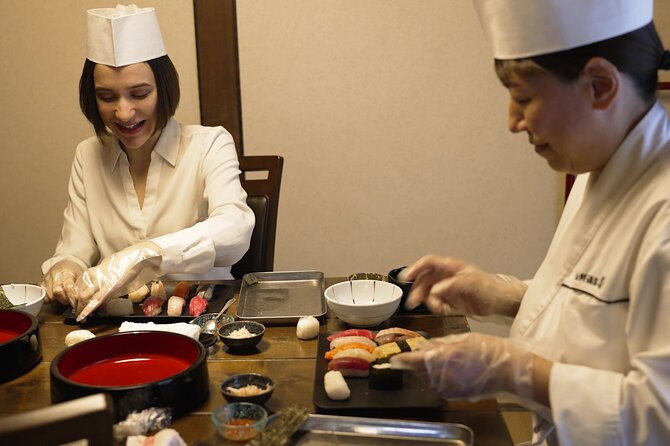
Fresh fish tastes better when you shape it yourself. This 90-minute lunch experience brings you into a small sushi restaurant in Hakodate, where a professional female sushi chef teaches beginners how to make nigiri using seafood from Hokkaido’s cold waters. I especially like the careful, friendly instruction and the chance to compare three kinds of dashi before making your own miso soup.
In This Article
- Key points before you book
- What the 90-minute Hakodate lesson is really like
- Making nigiri with seafood from Hokkaido
- Three dashi stocks and one personal miso soup
- The restaurant location and Hakodate sightseeing area
- How the instruction feels for first-time sushi makers
- Price, premium ingredients, and what you receive
- Who will get the most from this experience
- Timing, age limits, and booking advice
- The strongest reasons to book
- Should you book the Hakodate sushi class?
- FAQ
- Where does the sushi-making experience take place?
- What time does the activity start?
- How long does the experience last?
- Does the experience include lunch?
- What kind of seafood will be used?
- Can I choose premium sushi ingredients?
- Is the class suitable for beginners?
- What is the minimum age?
- How many people can join the activity?
- What is included in the price?
- Does the activity end at the meeting point?
- Is transportation included?
- What should I do if I have a food allergy?
- Can I cancel or change my booking?
The setting gives the meal a local feel, and the sushi chef’s hat is a genuinely fun souvenir rather than another forgettable paper ticket. The main consideration is the price, $86.82 per person, which is more than a regular casual lunch. Also, the seafood changes with the day’s supply, so you should book this for the hands-on lesson and fresh meal, not for a guaranteed list of fish.
Key points before you book
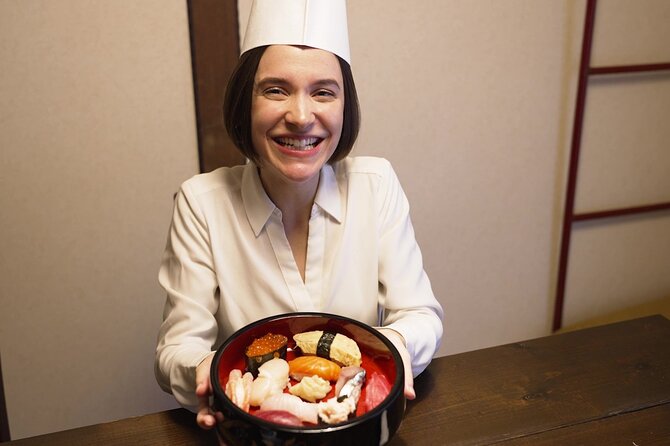
- Professional hands-on teaching: A female sushi chef demonstrates each stage, from shaping the rice to applying wasabi and placing the seafood.
- Fresh Hakodate ingredients: The sushi uses seafood from the seaside town and the cold waters of Hokkaido, with the exact selection changing by the day.
- Three dashi tastings: You sample three Japanese soup stocks, then choose your favorite for a personal bowl of miso soup.
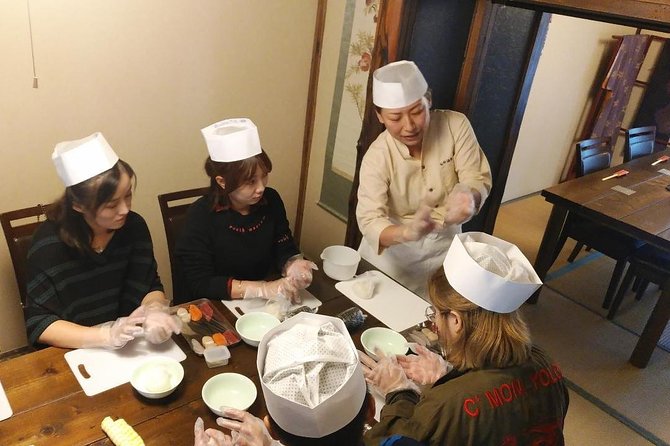
- Small-group feel: The experience accepts a maximum of 14 people, while the restaurant setting may feel especially intimate for smaller bookings.
- A useful souvenir: Your sushi chef’s hat comes home with you, along with techniques you can try at a future sushi party.
- Simple central meeting plan: Meet at Sakura-michi24-1 in Aoyagichō at noon, and finish at the same point.
What the 90-minute Hakodate lesson is really like
This is not a sightseeing bus tour with a cooking demonstration added at the end. It is a compact food lesson with lunch at its center. You arrive at the meeting point in Aoyagichō, put on the provided sushi chef’s cap, and settle into the restaurant for instruction.
The small size matters. The chef can watch how you handle the rice and correct your technique instead of leaving you to copy a demonstration from across a large room. That is especially useful with nigiri, where the goal is not to crush the rice into a hard block. You are shown how to form a rice ball of the right size and firmness, then add wasabi and mold the seafood onto it.
You do not need previous cooking experience. The lesson is designed for beginners, and the clear, patient teaching is one of its strongest features. The instructor prepares the seafood before your arrival, according to the detailed feedback available about the activity, so your time is spent learning the sushi-making motions rather than handling a full fish preparation process.
That makes the session accessible for children and first-time cooks, but it also sets the right expectation. This is a lesson in making nigiri, not a full professional sushi apprenticeship. You will learn useful home techniques, but you will not be filleting fish or mastering the years of training behind a sushi counter in 90 minutes.
Our other Hakodate reviews may also help you decide


Making nigiri with seafood from Hokkaido
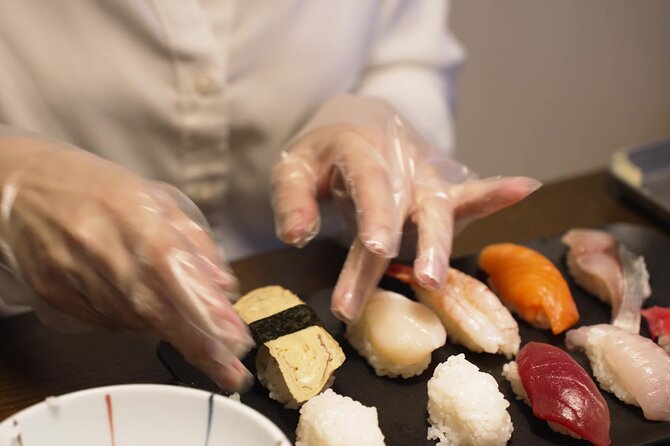
The heart of the activity is the sushi itself. You work with ingredients provided by the restaurant, including sushi rice and fresh seafood supplied according to the day’s stock. The changing menu is worth noting. If you have your heart set on a particular fish, this may not be the right booking for you.
For most people, the daily selection is part of the appeal. Hakodate is a seaside city with a strong seafood culture, and the meal reflects what is available rather than promising a fixed international menu. The seafood comes from the cold sea around Hokkaido, which gives the lesson a clear local connection.
The method is broken into manageable steps:
- Form the sushi rice into the correct size.
- Add an appropriate amount of wasabi.
- Place and shape the seafood over the rice.
- Follow the chef’s demonstration for a neat nigiri finish.
- Eat the sushi as part of the included lunch set.
The exact number and types of sushi pieces are not specified, so I would not book this expecting a certain portion count. What you can count on is a complete lunch set, all cooking ingredients, and the kitchenware needed for the lesson.
The practical value is high if you want to recreate the experience at home. The rice-shaping technique is the kind of small detail that is easy to miss in a cookbook. So is the balance between rice, wasabi, and seafood. The chef’s cap adds a playful touch, but the real souvenir is the process you can repeat with family or friends.
Three dashi stocks and one personal miso soup
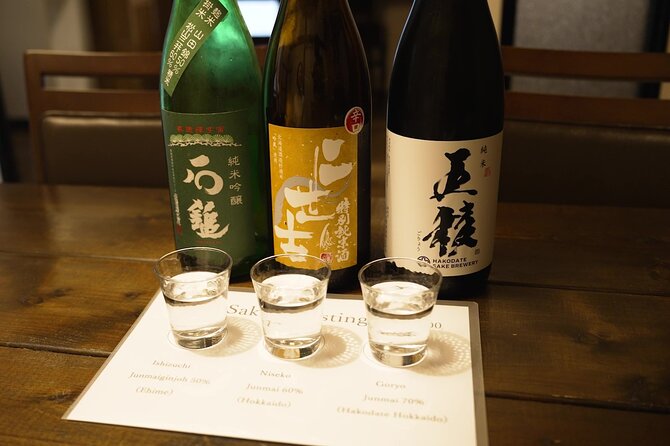
The dashi tasting gives this activity more depth than a basic sushi class. You taste three types of Japanese soup stock, listen to the chef explain each one, and choose the flavor you prefer for your miso soup.
Dashi is the quiet base behind many Japanese dishes. It can change the character of miso soup from light and delicate to more savory and full-bodied. Tasting three versions side by side helps you notice those differences instead of treating the soup as an afterthought.
This part also gives you a choice in a meal that otherwise depends on the day’s seafood. You cannot select the fish stock, but you can select the dashi that suits your taste. Then you prepare your own miso soup with guidance from the chef and enjoy it alongside the sushi.
I like this pairing because it connects two familiar Japanese foods in a useful way. You learn one technique for a special meal, then another that is easier to repeat at home. Miso soup is far less intimidating than sushi, and knowing how the stock affects the flavor gives you a practical starting point for future cooking.
The soup also adds warmth to the lunch, a welcome touch after time outdoors in Hakodate. The experience description presents it as a meal that can warm you after seeing the city, though the cooking itself takes place at the restaurant rather than at Mount Hakodate or Hakodate Park.
The restaurant location and Hakodate sightseeing area
The meeting point is Sakura-michi24-1, Aoyagichō, Hakodate, Hokkaido 040-0044. The activity takes place in a popular sightseeing area of Hakodate, and public transportation is nearby. That makes it easy to fit into a day of city exploring without adding a long transfer.
The itinerary names Mount Hakodate, Hakodate, and Hakodate Park. These references help place the experience within the wider sightseeing area, but they should not be read as three guided sightseeing stops. The supplied schedule gives the cooking activity a noon start at the Aoyagichō meeting point and says it ends back there.
You should therefore allow time to reach the restaurant before noon and plan your Mount Hakodate or park visit separately. The activity lasts about 1 hour and 30 minutes, but you should leave yourself a little breathing room around the start and finish rather than scheduling another ticket at exactly 1:30 p.m.
The location works well for a lunch break. You can make the sushi, eat it, prepare the soup, and then continue your day from the same area. The return to the meeting point is also helpful if you are carrying shopping or need to orient yourself before the next part of your Hakodate visit.
How the instruction feels for first-time sushi makers
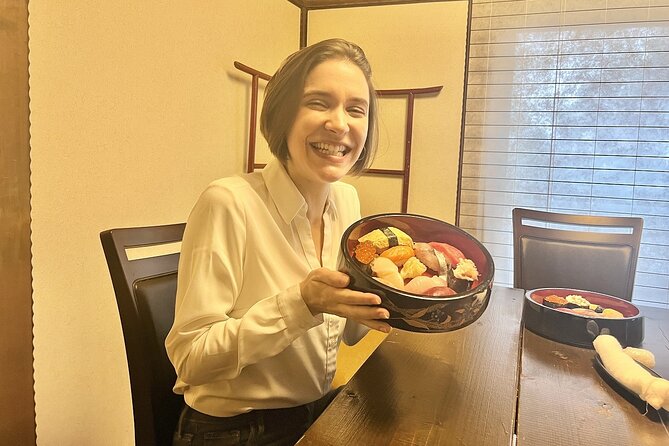
The best praise for this experience centers on the teacher. The instructor is described as warm, attentive, gracious, and careful, with enough patience to explain every step. That matters more than fancy equipment in a class like this.
A sushi lesson can become frustrating if the teacher moves too quickly. Here, the format is built around demonstration and repetition. You see the proper way to handle the rice, try it yourself, and receive guidance while making the pieces. The chef has already prepared the seafood, so beginners can focus on the core technique.
The available feedback also points to very good sushi rice. That is important because rice carries the whole dish. If it is too wet, too dry, too warm, or packed too tightly, even good seafood will not taste right. The lesson gives you a chance to see how the rice behaves under the chef’s instructions.
I would particularly recommend this for families with children aged 6 or older, couples who want an indoor lunch activity, and adults who like food classes but do not want a half-day commitment. The 14-person maximum keeps the activity from becoming a huge production, though the amount of personal attention may depend on the final group size.


Price, premium ingredients, and what you receive
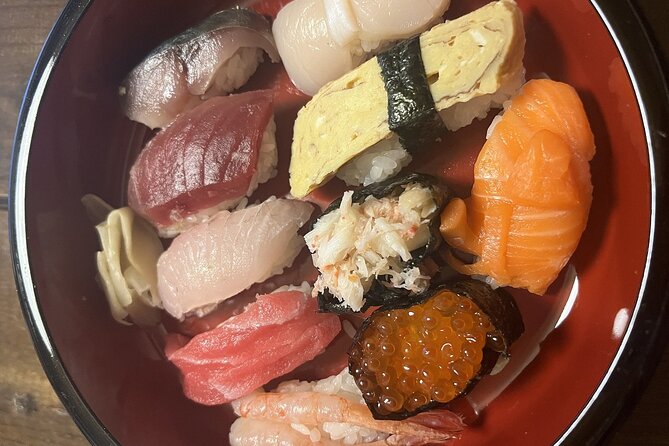
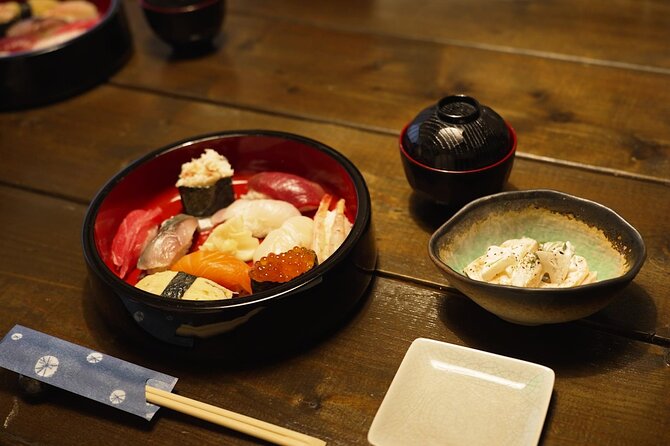
At $86.82 per person, this is a premium lunch rather than a budget meal. The fee includes all cooking ingredients, kitchenware, the lunch set, and the sushi chef’s hat. You are also paying for a professional lesson in a small restaurant environment, not just for a plate of sushi.
The value depends on what you want from the meal. If your only goal is to eat sushi, you can spend less at many restaurants. If you want a local food activity, personal instruction, a warm soup-making component, and a souvenir you can use for a home sushi party, the price is easier to justify.
Premium sushi items are available as an option. You must select that option if you want upgraded ingredients, and the choice applies to all participants in the booking. Since the regular seafood varies with the day’s stock, the premium option may appeal to people who want a more special meal, though the supplied details do not specify exactly which items it includes or how much extra it costs.
Transportation outside the course and personal expenses are not included. Since the class begins and ends at the same meeting point near public transportation, that cost should be fairly easy to plan, but you will need to arrange it yourself.
The mobile ticket is convenient for a day of sightseeing. Keep the booking information accessible on your phone, and make sure you have the correct meeting address before setting out.
Who will get the most from this experience
This class is a good match for:
- First-time sushi makers who want patient instruction.
- Couples looking for a shared lunch activity.
- Families with children aged 6 and older.
- Food-focused visitors who want more than a restaurant meal.
- People who enjoy Japanese soup and want to understand dashi.
- Anyone hoping to recreate nigiri at home.
It is less suitable if you dislike seafood, need a fixed menu, or want a long culinary workshop. The fish selection changes with the day’s supply, and the activity is short by design. You also need to disclose allergies or foods you cannot eat on the reservation form.
The cap makes the class especially appealing for families and groups. You wear it during the experience and take it home afterward, so you can stage your own sushi party later. That is a little silly in the best way, and it gives the souvenir a clear connection to the activity.
Groups of 15 or more should contact the provider directly. The regular maximum is 14 people, so larger parties cannot simply assume they will fit into the standard session.
Timing, age limits, and booking advice
The start time is 12 p.m., making this a true lunch activity. The stated duration is approximately 1 hour and 30 minutes. Since the schedule ends at the original meeting point, it is easy to pair with nearby sightseeing, but you should not count on a guided visit to Mount Hakodate or Hakodate Park as part of the class.
Confirmation is sent within 48 hours of booking, subject to availability. The experience is commonly reserved about 14 days ahead, so I would not leave it until the last morning of your Hakodate stay, especially if your dates are fixed.
The minimum number of participants must be met. If the provider cancels because that minimum is not reached, you are offered a different date or experience, or receive a full refund. Your own cancellation is different: the booking is non-refundable and cannot be changed for any reason.
That strict policy makes travel planning important. Do not book until your Hakodate schedule is firm, and do not place the class immediately before a train, flight, or timed attraction. A noon start is simple, but a little extra time protects you from transport delays.
The strongest reasons to book
The first reason is the teacher’s approach. A kind, attentive instructor can turn a tricky food skill into an enjoyable lunch, and the available feedback consistently praises the chef’s warmth and patience.
The second is the combination of sushi and dashi. Many cooking classes teach one dish and stop there. Here, you learn nigiri, compare three soup stocks, and make miso soup with the one you prefer.
The third is the local setting. You are using fresh seafood from Hakodate’s surrounding waters in a small sushi restaurant, not following a generic lesson that could happen anywhere. The menu’s daily changes reinforce that sense of place.
The main caution is value. At $86.82, you should want the instruction and the experience itself. If you are simply hungry for sushi, a restaurant meal will probably cost less. If you want to understand how nigiri is formed and leave with a practical skill, the price includes more than lunch.
Should you book the Hakodate sushi class?
Book it if you want a short, friendly, food-centered activity with a professional teacher and a strong local connection. It suits beginners, families with children aged 6 and older, couples, and anyone who likes bringing home a skill instead of only a photograph.
Skip it if you need a guaranteed seafood menu, have no interest in hands-on cooking, or are watching every yen. The non-refundable policy also calls for a firm schedule.
For most food-focused visitors, this is a well-balanced Hakodate experience: fresh seafood, careful nigiri instruction, three dashi samples, personal miso soup, and a chef’s cap for the trip home. The small restaurant setting and warm teaching are the parts that make the higher lunch price reasonable.
FAQ
Where does the sushi-making experience take place?
It takes place at Sakura-michi24-1, Aoyagichō, Hakodate, Hokkaido 040-0044, Japan.
What time does the activity start?
The activity starts at 12 p.m.
How long does the experience last?
The experience lasts approximately 1 hour and 30 minutes.
Does the experience include lunch?
Yes. A lunch set is included, along with the ingredients and kitchenware needed for the cooking activity.
What kind of seafood will be used?
The sushi uses fresh seafood from Hakodate and Hokkaido. The exact sushi selection varies according to the day’s stock.
Can I choose premium sushi ingredients?
Yes. Premium ingredients are available as an option. If you select them, the option applies to all participants in the booking.
Is the class suitable for beginners?
Yes. A professional female sushi chef provides careful, step-by-step instruction, and people with no previous experience can take part.
What is the minimum age?
Participants must be 6 years old or older.
How many people can join the activity?
The activity has a maximum of 14 participants. Groups of 15 or more should contact the provider about a group reservation.
What is included in the price?
The price includes all cooking ingredients, necessary kitchenware, the lunch set, and the sushi chef’s hat.
Does the activity end at the meeting point?
Yes. The activity ends back at the meeting point.
Is transportation included?
Transportation not included in the course and personal expenses are not covered. The meeting point is near public transportation.
What should I do if I have a food allergy?
You should mention allergies or foods you cannot eat in the reservation form.
Can I cancel or change my booking?
The experience is non-refundable and cannot be changed for any reason. If the provider cancels because the minimum number of participants is not met, you can choose a different date or experience, or receive a full refund.
More Tour Reviews in Hakodate
More Hakodate Tours in Hakodate
Other Hakodate tours worth your shortlist









Hakodate Tours, side by side.
 ★ 5.0Hakodate 6hr Private Tour with Government-Licensed GuideFrom $269.3217 reviews
 ★ 4.5Hakodate Exploration Tour with Private GuideFrom $407.209 reviews
 ★ 5.0Hakodate 4hr Private Tour with Government-Licensed GuideFrom $221.527 reviews
 ★ 4.44-Hour Cultural and Historical Highlights TourFrom $4165 reviews
The lists this tour appears in