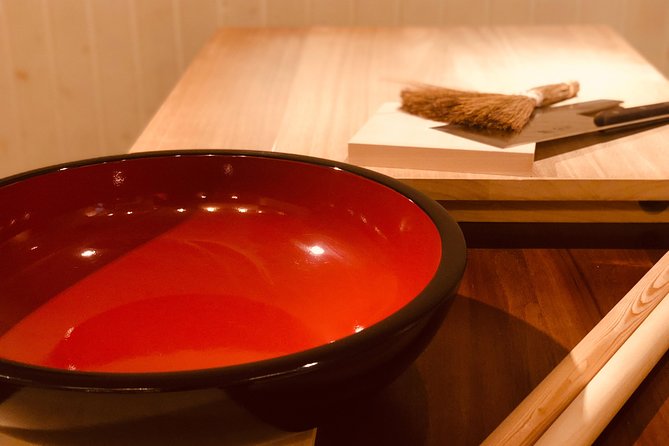
Making soba here means stepping into a working neighborhood restaurant, not a staged cooking show. Chef Taku guides you through mixing buckwheat flour, stretching the dough, cutting the noodles, and eating the finished bowl soon after. I like the hands-on format and the chance to use the same tools used in the shop.
In This Article
- Key points at a glance
- A real soba shop, not a tourist kitchen
- Mixing buckwheat flour and water
- Stretching the dough takes patience
- Cutting noodles with a kitchen knife
- Eating your own freshly made soba
- Why the private format matters
- Getting to the shop in western Sapporo
- Timing, late arrivals, and the real cost
- Who will enjoy this most
- Booking and cancellation advice
- Should you book the Sapporo soba experience?
- FAQ
- How long does the soba-making experience take?
- Where does the activity take place?
- How do I reach the soba shop?
- Is this a private activity?
- Can children take part?
- What will I do during the activity?
- Do I need to bring anything?
- What is the cancellation policy?
I also like the clear visual demonstrations, which help when English explanations need to stay brief. Children and first-time cooks can take part, and the private format keeps the pace personal. The main consideration is timing: the listing says about an hour, but the full visit can take around one hour and 15 minutes, and arriving late can mean losing the booking.
Key points at a glance
- Work beside an active soba chef: Chef Taku teaches the process in a real restaurant that has served Sapporo for more than 10 years.
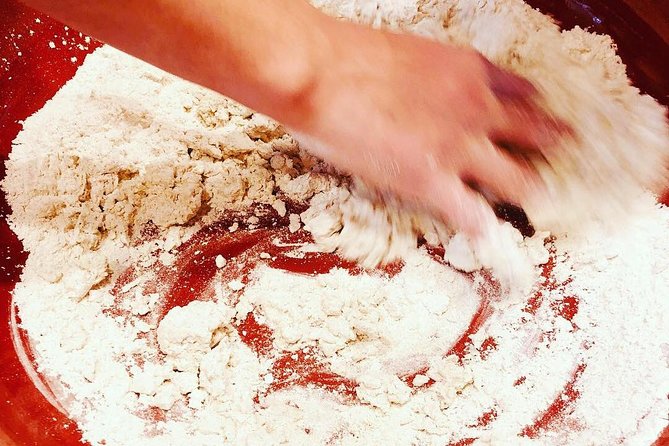
- Make every stage yourself: You mix the buckwheat flour, knead and stretch the dough, then cut the noodles with a kitchen knife.
- Eat what you make: The fresh soba is cooked for you after the practical session, with tempura and duck soup available at extra cost.
- Private group setting: Only your own group takes part, making this a good choice for families and small parties.
- Easy subway access: The shop is about three to five minutes on foot from Miyazawa Station on Sapporo’s Tozai Line.
- Allow extra time: The practical work takes about 30 minutes, followed by tasting, with the complete visit lasting around 75 minutes.
A real soba shop, not a tourist kitchen
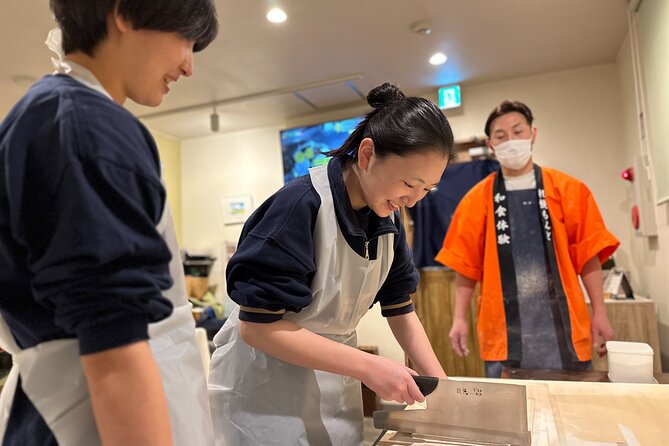
The appeal of this Sapporo activity is its setting. You are not learning in a hotel room or a classroom built only for visitors. You enter a handmade soba restaurant that operates as a local business during lunch hours and has been open for more than a decade.
That distinction matters. Soba making is often treated in Japan as a skilled craft rather than a casual home cooking task. The dough can be delicate, and the noodles need to be stretched and cut with care. Here, you get a short, practical look at the work behind a bowl of noodles that many people eat without thinking about how it was made.
The session was originally designed for Japanese customers who wanted a simple way to try soba making. That gives it a different feel from a long cultural lecture. You learn by handling the dough, watching the chef, and copying the movements. If you want a polished cooking demonstration with plenty of background talk, this may feel brief. If you want to make something with your own hands, it hits the mark.
The shop uses ordinary restaurant utensils and selected buckwheat flour. You are not given toy equipment or a simplified craft kit. That can make the process more demanding, but it also gives the activity its value.
We have reviewed more tours and experiences across Sapporo; these are worth comparing before you book.


Mixing buckwheat flour and water
The first stage is mixing the buckwheat flour with water. This sounds simple, but it is the point where you begin to see why handmade soba takes practice. The texture changes as the ingredients come together, and the chef guides you through the process rather than leaving you to guess.
English explanations are concise and backed by visual demonstrations. That is useful here because the movement of the hands often says more than a long explanation. You can watch the technique, copy it, and receive corrections as you work.
Chef Taku is repeatedly described as patient, friendly, and encouraging. That matters during the opening stage, when a beginner may worry about making a mistake. The teaching style allows you to try the movement yourself, rather than having the chef take over immediately.
I would especially recommend this format for families. Children can take part, and the activity gives them a clear job at each stage. The work is more engaging than simply watching someone cook, though young children still need close adult attention around the kitchen tools.
Children under two can come along free of charge, but they can only visit and do not take part in the making process. That detail is important when planning a family booking.
Stretching the dough takes patience
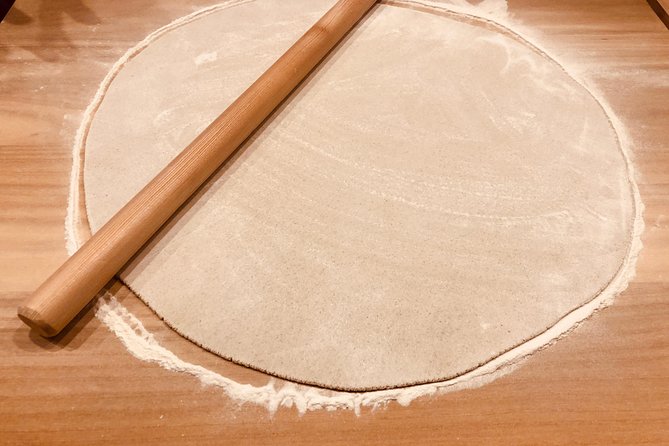
After mixing, you move on to stretching the soba dough. This is one of the more visual parts of the activity. The dough needs to become thin and even, and the chef shows you how to work it without rushing.
The experience does not pretend that you will become a professional soba maker in half an hour. Instead, you get a controlled introduction to the movements and decisions involved. You may make small mistakes, and that is part of the point. The teaching leaves room for you to learn by doing, while the chef steps in with advice when needed.
This stage also gives you a better sense of the skill behind restaurant soba. A plate of neatly cut noodles can look effortless. Handling the dough yourself reveals how much control is needed before the noodles ever reach the pot.
The information provided does not promise a long personal talk about the chef’s career. One less enthusiastic assessment wished for more of that background and for a sample of the restaurant’s own soba before the practical work. If stories about the artisan’s life are your main reason for booking, keep your expectations modest. The focus is technique and participation.
Cutting noodles with a kitchen knife
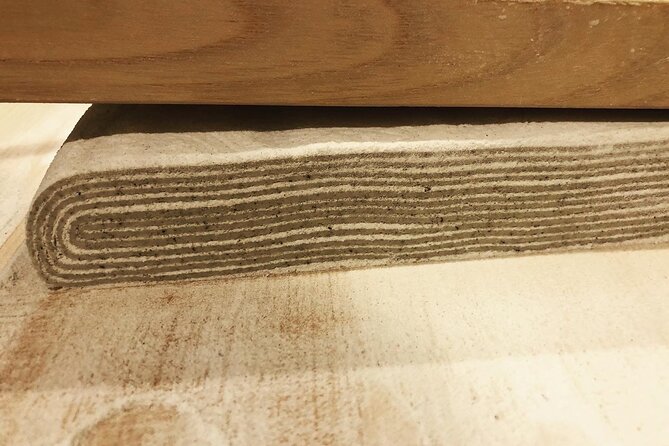
The third stage is cutting the stretched dough into small pieces with a kitchen knife. This is likely to be the most memorable part for many people because it turns your sheet of dough into recognizable noodles.
You use the restaurant’s normal tools under guidance. That makes the activity feel serious, but it also means you should follow the chef’s instructions carefully. The information does not specify special clothing or equipment, and you do not need to bring or prepare anything. Still, arrive ready to pay attention when the knife work begins.
The practical soba-making portion takes about 30 minutes. That is short enough to fit into a busy Sapporo day, but long enough to give you a proper role in the process. The entire visit is longer because the noodles then need to be prepared for tasting.
A private booking helps here. Only your group participates, so the chef can focus on your pace rather than moving a large class through identical steps. The private format is useful for families, couples, and small groups of friends. It can also work well for a group activity, with group discounts available according to the booking information.
Eating your own freshly made soba
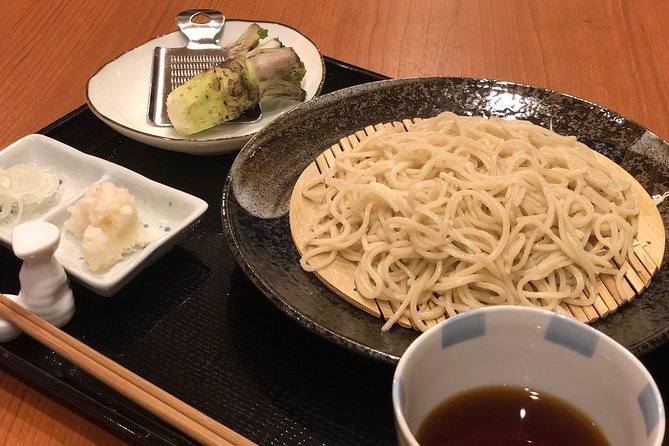
The final stage is tasting the noodles you made. This is more than a convenient meal at the end of a class. It connects the practical work to the food itself. You have handled the flour, worked the dough, stretched it, and cut it, so the bowl gives you a direct reward for the effort.
The soba is served after the making process, and the meal is included in the complete timing of about 75 minutes. Several dishes are not part of the stated base price. Tempura, vegetable tempura, shrimp, kakiage, and duck soup were all singled out as good additions, with at least some available for an extra charge.
I would ask about those extras when booking or at the shop if you want a fuller lunch. The noodles may be enough for a light meal, but tempura and duck soup can turn the tasting into a more substantial restaurant visit. Since the shop also functions as a soba restaurant, this is a chance to eat in its normal setting rather than rushing away after the lesson.
The food is also where the Hokkaido setting makes sense. Hokkaido is Japan’s leading soba-producing region, helped by cold weather, clean water, and soil suited to growing buckwheat. The local noodles are valued for their flavor and firm texture. You are not simply making a generic noodle dish in Sapporo. You are working with a food closely tied to the region’s farming conditions and Japanese dining culture.


Why the private format matters
The experience is private, with only your own group taking part. That can be a major advantage if you are booking as a family or with friends who want to share the same activity without strangers at the worktable.
A private session also makes the concise English instruction more workable. The teaching relies on visual demonstrations and direct guidance, rather than a long spoken lecture. If you have questions, the chef can respond within the small-group setting, though the central aim remains practical work.
I would not choose this activity if you want a full tour of Sapporo’s food culture. There is no indication of a market visit, a broader food walk, or an extended lecture on Japanese cuisine. The scope is narrow by design: make soba in a real shop, then eat it.
That narrow focus is its strength for people who prefer doing one thing properly. You get a physical memory of Japan, not just another meal photographed from the table.
Getting to the shop in western Sapporo
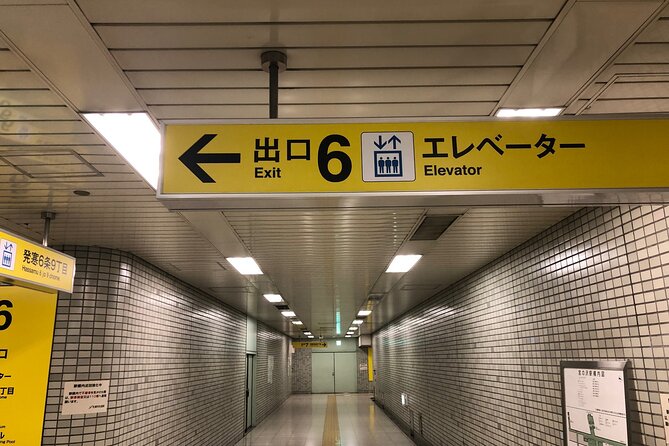
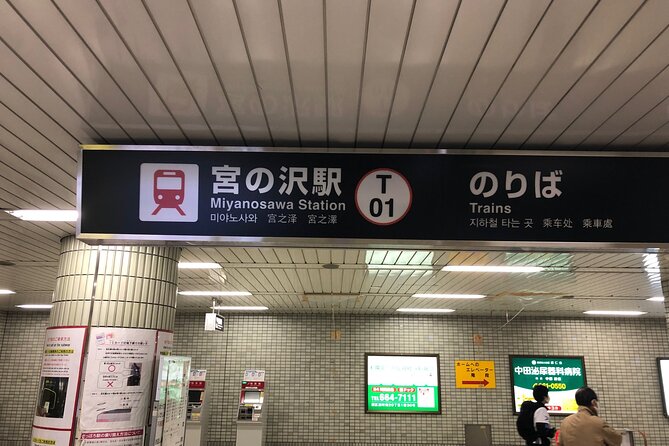
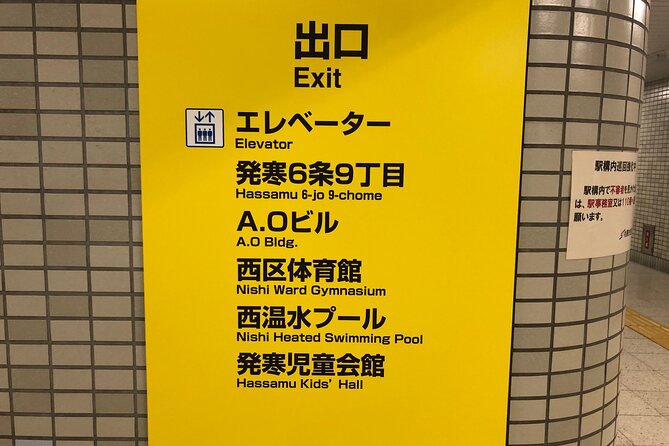
The meeting point is listed at 9-chōme-17-28 Hassamu 6 Jō, Nishi Ward, Sapporo, Hokkaido 063-0826. Miyazawa Station on the Tozai subway line is about three to five minutes away on foot, depending on the route and the exact entrance you use.
The shop is also within walking distance of Shiroi Koibito Park, making it possible to pair the soba session with that popular Sapporo attraction. The information does not give an exact walking time between the two, so check your map before fixing both activities to a tight schedule.
There are four parking spaces in front of the shop. That is helpful if you are driving, but the number is limited. The subway is the safer choice for a group that does not want to worry about parking.
Take the address seriously. One booking went wrong because the address supplied to the participant did not match the venue, leading the group to abandon the activity. The current meeting point is specific, but I would still check your confirmation, map the route in advance, and allow more time than the short station walk suggests.
The restaurant operates as a handmade soba shop during lunch hours. Staff may not be able to handle same-day questions while serving customers, so do not count on solving a location problem at the last minute.
Timing, late arrivals, and the real cost
The listed price is $72.67 per person. That is not cheap for a one-hour activity, especially since the practical making time is only about 30 minutes. The value comes from the private setting, the direct instruction from an active soba chef, the use of restaurant tools, and the meal of noodles you made yourself.
You are paying for access to a working craft rather than for a large number of sights or a long guided program. For a family or small group that wants one memorable food activity in Sapporo, the price can make sense. For someone mainly looking for an inexpensive bowl of soba, it does not.
The timing needs careful reading. The experience is advertised as approximately one hour, while the full process is described as taking around one hour and 15 minutes. Plan for the longer figure, especially if you have a train, reservation, or visit to Shiroi Koibito Park afterward.
The soba-making portion itself lasts around 30 minutes, followed by the tasting. Do not schedule your next activity immediately after the stated start and end window. A relaxed buffer will protect you from both a slow journey and a longer meal.
Arrive before the start time. Late arrival can inconvenience other scheduled participants, and missing the start may be treated as a no-show. That rule is especially important if you are coming from central Sapporo by subway and need to walk from the station.
Who will enjoy this most
I would choose this experience for people who want a direct connection with Japanese food. It is a good fit for:
- Families with children old enough to take part safely
- Couples looking for a shared activity rather than a sightseeing stop
- Small groups who want a private cultural experience
- Soba fans curious about how the noodles are made
- Visitors staying near western Sapporo or planning to see Shiroi Koibito Park
- People who prefer visual instruction and practical work to long explanations
The activity may be less suitable if you have strict mobility or scheduling needs, since the provided information does not detail accessibility arrangements and the kitchen work involves standing and handling tools. Ask the operator directly if your group has specific requirements.
It is also not the best pick for a visitor who wants a polished demonstration with the chef doing most of the work. Here, you are expected to participate. The result may not look perfect, and that is part of the lesson.
Booking and cancellation advice
You receive confirmation when booking, and a mobile ticket is available. Free cancellation applies if you cancel at least 24 hours before the local start time. Changes or cancellations inside that window are not accepted for a refund.
The experience requires a minimum number of participants. If the operator cancels because that minimum is not reached, you will be offered another date or experience, or receive a full refund.
The activity is often booked about 29 days ahead. That does not mean you must book exactly a month out, but it does suggest that popular dates can fill before a Sapporo visit begins. Groups and travel agencies should contact the operator directly.
Should you book the Sapporo soba experience?
Book it if you want a small, genuine food activity where you make the noodles from start to finish and eat them at the same restaurant. The best parts are the patient instruction from Taku, the real shop setting, the private format, and the simple pleasure of tasting your own work.
I would pass if your schedule allows only a tightly timed one-hour slot, if you want a broad Sapporo food tour, or if the price feels high for a short hands-on session. Before paying, confirm the address, plan for 75 minutes, and decide if you want tempura or duck soup with the noodles.
For families, couples, and small groups with room in their Sapporo itinerary, this is a strong choice. It gives you a practical skill, a local meal, and a clearer appreciation of why handmade soba takes more care than its simple appearance suggests.
FAQ
How long does the soba-making experience take?
The hands-on soba-making portion takes around 30 minutes. With the tasting included, the full experience takes around one hour and 15 minutes, although it is also described as approximately one hour.
Where does the activity take place?
The meeting point is 9-chōme-17-28 Hassamu 6 Jō, Nishi Ward, Sapporo, Hokkaido 063-0826, Japan. The activity ends back at the meeting point.
How do I reach the soba shop?
The shop is about three to five minutes on foot from Miyazawa Station on Sapporo’s Tozai subway line. It is also within walking distance of Shiroi Koibito Park.
Is this a private activity?
Yes. Only your own group participates in the activity.
Can children take part?
Yes. Beginners and children can participate with guidance from the soba artisans. Children under two are free but can only visit and cannot take part in the making process.
What will I do during the activity?
You will mix buckwheat flour, stretch the soba dough, cut the noodles with a kitchen knife, and eat the soba you made.
Do I need to bring anything?
No. The activity information says you do not need to bring or prepare anything.
What is the cancellation policy?
You can cancel at least 24 hours before the local start time for a full refund. Cancellations or changes made less than 24 hours before the start time are not refunded or accepted.
More Tour Reviews in Sapporo
Other Sapporo tours worth your shortlist


Soba & Ramen Making, side by side.
 ★ 5.0Mondo’s most popular plan! Experience making soba noodles and the king of Japanese cuisine, tempura, in Sapporo!From $85.7971 reviews
 ★ 5.0in Sapporo! Hand-made soba experience and shabu-shabu experience plan of Yezo deer meat (Gibier meat) from HokkaidoFrom $85.6629 reviews
 ★ 4.8Authentic Handmade Soba Experience!From $7011 reviews
 ★ 5.0Gluten-free only.Soba making experience plan!From $84.709 reviews
The lists this tour appears in