
A Sapporo Kitchen, Not a Cooking Studio
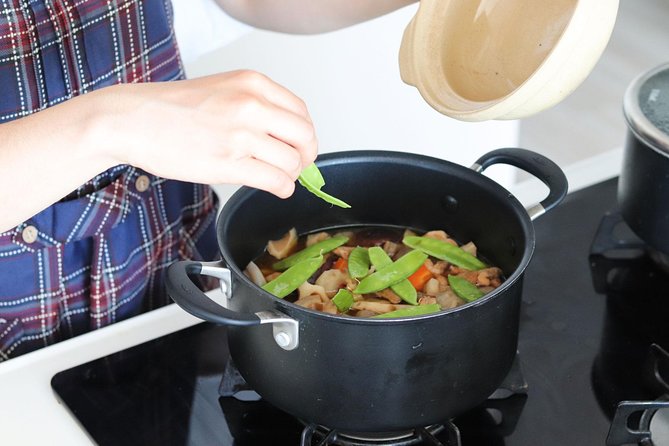
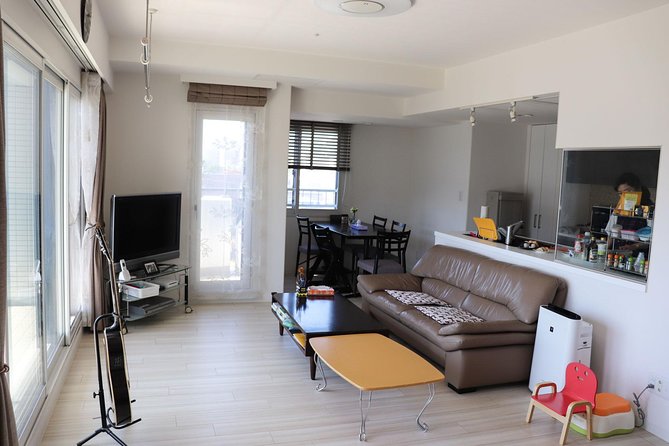
The best part of this Sapporo cooking class is the setting: you enter Sakura’s home, not a polished school kitchen built for tourists. That gives the three-hour experience a personal feel as you cook simple Japanese dishes in the same sort of space where home meals are made.
In This Article
- A Sapporo Kitchen, Not a Cooking Studio
- Key Points to Know Before Booking
- What This Three-Hour Sapporo Experience Really Is
- Finding Sakura’s Apartment Near Higashi-Sapporo
- Cooking Seasonal Japanese Food With Sakura
- From Kitchen Work to a Shared Table
- Why the Private Format Matters
- Price, Timing, and Overall Value
- Who Will Enjoy This Class Most
- Small Details That Can Make the Morning Better
- Should You Book Sakura’s Sapporo Cooking Class?
- FAQ
- Where does the cooking class take place?
- What time does the activity start?
- How long does the experience last?
- How long do you spend cooking?
- What dishes will you prepare?
- Is the cooking class private?
- Is a meal included?
- Are drinks included?
- Is a vegetarian option available?
- Is transportation included?
- Is the class suitable for children?
- Can I cancel for a full refund?
I like the private format, since Sakura can adjust her pace to your cooking level. I also like that you eat everything you prepare, with one or two glasses of local alcohol included. The main thing to consider is that this is a cultural visit with cooking, not a professional lesson, so the apartment setting may feel too informal if you want advanced knife work or restaurant techniques.
Sakura has been praised for her patience, including when guests arrived late after getting lost. Still, use the Google Maps link supplied with your booking rather than relying only on the written directions. The meeting details have caused some navigation trouble, and arriving at the correct residential building matters.
Key Points to Know Before Booking
- Cook in Sakura’s private apartment: This is a local-home experience, not a commercial cooking studio.
- Prepare two or three seasonal dishes: The menu can include miso soup, onigiri, and tamago, but the exact dishes change with the season.
- Eat the full meal you make: Cooking takes about one to one and a half hours, followed by a shared meal at the dining table.
- Enjoy a private class: Only your own group participates, giving Sakura room to tailor the pace and explain each step.
- Allow extra time to find the meeting point: The apartment is about a ten-minute walk from Higashi-Sapporo Station, but clear navigation is important.
- Tell the provider about dietary needs: Vegetarian food is available when requested at booking, and other restrictions should be noted in advance.
You can also read our reviews of more cooking classes in Sapporo


What This Three-Hour Sapporo Experience Really Is
This is best understood as a meal shared with a local who happens to teach you how to prepare it. Sakura welcomes you to her apartment in a quiet residential area, then brings you into the kitchen for hands-on work.
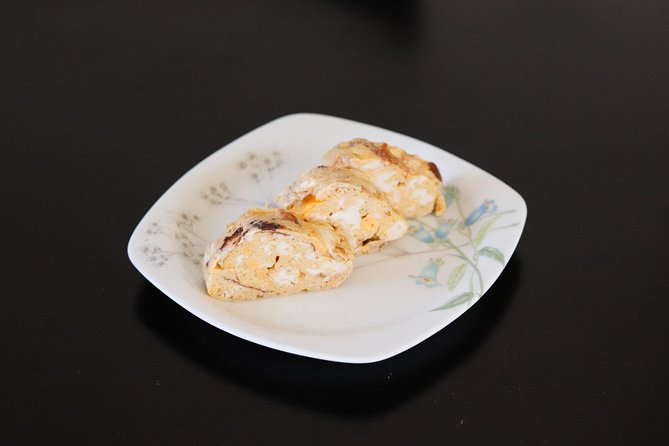
You are not simply watching a demonstration. You should expect to help prepare two or three home-style dishes, with the menu changing according to the season. The possible dishes listed for the class include miso soup, onigiri, and tamago, a rolled egg dish cooked with stock.
That menu tells you a lot about the experience. These are familiar Japanese foods rather than showy restaurant creations. You learn recipes that are relatively easy to repeat at home, which is more useful for many visitors than watching a chef make something far beyond a home cook’s reach.
The cooking portion lasts about one to one and a half hours. Afterward, you sit at the dining table and eat the food you helped prepare. Drinks are included, with one or two glasses of local alcohol, so the meal also becomes a chance to talk and compare everyday food customs.
The total activity lasts about three hours. That leaves enough time for instruction, cooking, eating, and conversation without turning the morning into a rushed race through a recipe list.
Finding Sakura’s Apartment Near Higashi-Sapporo
The meeting point is listed at Kikusui 4 Jo in Shiroishi Ward, Sapporo. The apartment is in a peaceful residential area within roughly a ten-minute walk of Higashi-Sapporo Station, and the activity begins at 10:30 a.m.
This is not a street-corner attraction with a large sign. You are heading into a residential neighborhood and meeting a local host at her home. That makes the experience feel more personal, but it also means you should treat the directions with care.
The practical lesson is simple: use the Google link provided with your booking. At least two people had trouble finding the place, and one arrived late after losing the way. Sakura was patient, but getting lost can cut into your cooking time and create needless stress.
Give yourself a little breathing room before the 10:30 start. You do not need hotel pickup, since transportation is not included, and the class ends back at the meeting point. Plan your route before leaving your hotel, especially if you are unfamiliar with Sapporo’s street numbering.
The meeting information includes both Kikusui 4 Jo and the Higashi-Sapporo station area. Because residential addresses can be harder to identify than major sights, follow the exact map pin rather than guessing from the neighborhood name.
Cooking Seasonal Japanese Food With Sakura
Once you arrive, the class moves into Sakura’s kitchen. The dishes are selected by season, so you should not book this expecting one fixed menu every time of year.
That seasonal approach is a real advantage. Japanese home cooking changes with the calendar, and the ingredients or dishes you work with may reflect what is suitable at that time. You get a more realistic picture of daily cooking than you would from a standard lesson with an identical menu all year.
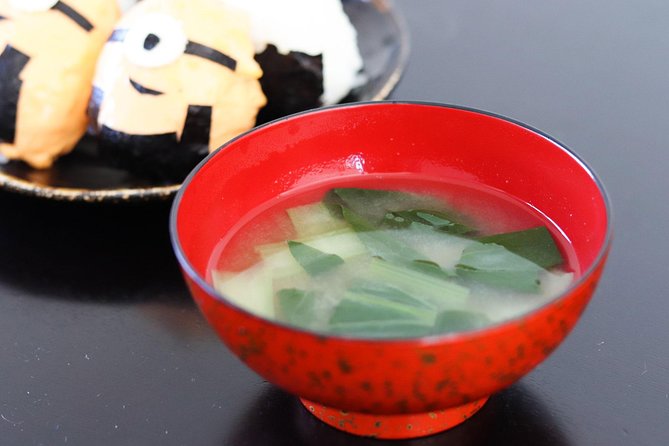
Potential dishes include miso soup, onigiri, and tamago. Miso soup gives you a basic Japanese soup to repeat at home. Onigiri offers a hands-on way to work with rice and fillings or seasonings. Tamago introduces a soft rolled egg cooked with stock.
The exact process will depend on the menu and the season. You should expect Sakura to guide you through the preparation rather than hand you a printed recipe and leave you alone. The experience is aimed at beginners, and patience is one of its strongest qualities.
That matters if you are not confident in the kitchen. A private host can slow down, repeat an instruction, or give more attention to the parts you find difficult. Families can also take part, and children are welcome, though the normal care around hot pans, knives, and cooking surfaces still applies.
The class is not designed for professional cooks looking to sharpen advanced skills. You will not find a restaurant kitchen, a large team of instructors, or a technical syllabus. Instead, you get a chance to learn a few practical dishes from a Sapporo local in a home setting.
From Kitchen Work to a Shared Table
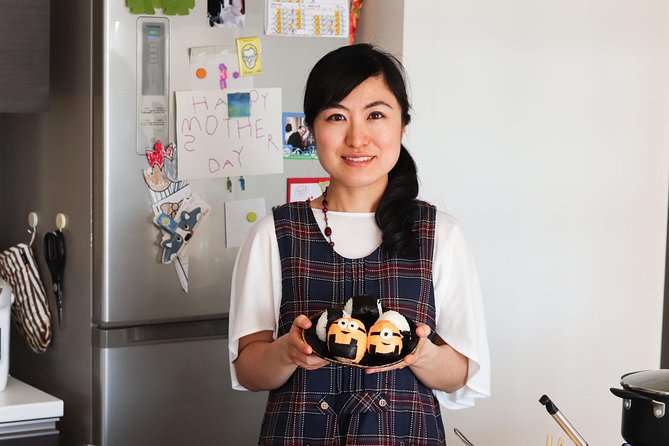
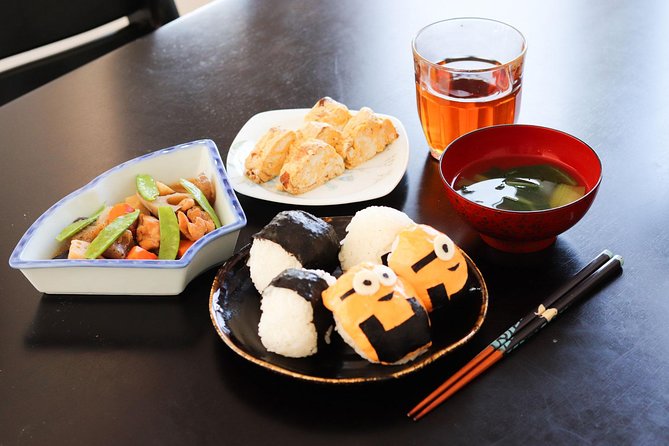
The transition from cooking to eating is central to the experience. You do not prepare food and then leave with a small sample. The meal you make is served for you to enjoy at Sakura’s dining table.
I like this arrangement because it gives the lesson a clear payoff. You can taste how the dishes work together, ask questions while eating, and connect the preparation steps to the final meal. Cooking becomes part of a social visit rather than a stand-alone activity.
A home-cooked meal also shows you a side of Japanese food that is easy to miss when most of your meals come from restaurants. Miso soup, rice dishes, and egg preparations may look modest, but they are the sort of foods that help explain everyday eating habits.
Drinks are included, with one or two glasses of local alcohol. That is a pleasant addition for adults, but it should not be treated as a tasting tour. The main focus is the food and time with Sakura. Since this is a private home, keep the tone respectful and let the host set the rhythm of the meal.
Families have enjoyed the class, and children can take part. The private format is especially helpful here because your group does not need to keep pace with strangers. If your children have dietary restrictions, mention them when booking rather than waiting until you arrive.
Our other Sapporo reviews may also help you decide



Why the Private Format Matters
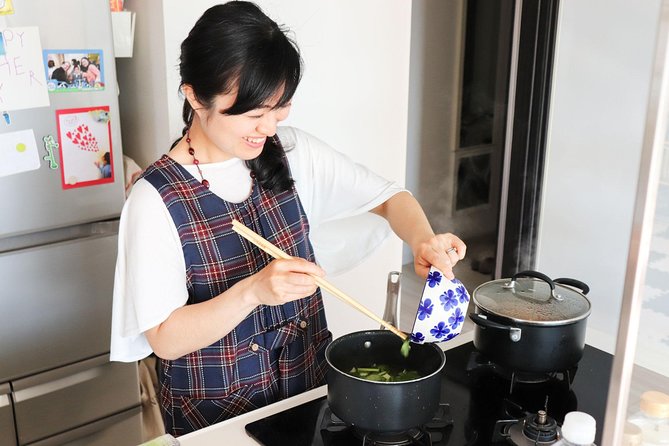
The private setup is more than a marketing detail. Only your group participates, so the session can feel like a visit arranged around your interests and ability.
For a beginner, this means you can ask basic questions without feeling self-conscious. You can also spend more time on a step that needs practice. Sakura’s patience has been especially helpful when plans did not go perfectly, including late arrivals caused by navigation problems.
For families, the private format reduces the pressure of managing children around other participants. For couples or friends, it gives you room to talk with Sakura and ask about the food as you work.
There is a tradeoff. A group class in a dedicated kitchen may offer more equipment, a larger teaching space, or a more formal lesson plan. This experience gives you the opposite: a quieter home, personal attention, and a closer look at ordinary life in Sapporo.
You should choose based on what you want to learn. If your goal is to master difficult sushi techniques or professional presentation, this is not the right match. If you want to make approachable dishes and share a meal with a local host, the format makes good sense.
Price, Timing, and Overall Value
At $72 per person, the price covers a private cooking class, the home-cooked meal, and one or two glasses of local alcohol. It does not include transportation to or from the meeting point, so you should add your own train or local transit costs when planning your budget.
The value depends on how much you want from a food activity. You are paying for ingredients and instruction, but also for access to a private home and a personal conversation with Sakura. A cheaper group lesson might give you more formal kitchen facilities, but it would not necessarily offer the same one-group attention.
Three hours is a useful length. A shorter class could feel like a quick demonstration, while a much longer one might be too much time for a few home dishes. Here, you spend about one to one and a half hours cooking and the rest eating and talking.
The class is booked an average of 29 days ahead, so it is sensible to reserve early if your Sapporo schedule is fixed. Confirmation is sent within 48 hours, subject to availability. Free cancellation is available up to 24 hours before the start time, but changes or cancellations inside that window are not refunded.
The experience has a 4.8 rating from 10 ratings, with 90 percent recommending it. That is a strong result, though the sample is small. The clearest praise centers on Sakura’s patience, the friendly home atmosphere, and the chance to learn Japanese home cooking with her family.
Who Will Enjoy This Class Most
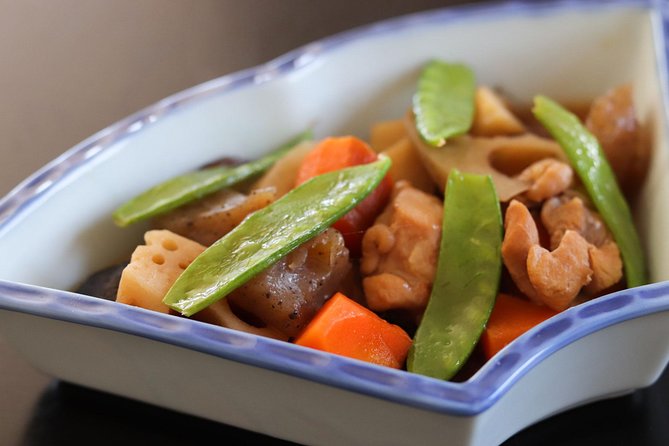
This class suits you if you want a slower, more personal food experience in Sapporo. It is a good fit for beginner cooks, couples, families, and anyone who values conversation as much as the recipe.
You will likely get the most from it if you are curious about ordinary Japanese meals rather than only famous restaurant dishes. The menu can change by season, and the food is designed to be easy to recreate at home.
It also works well as a cultural break from sightseeing. After several days of stations, shopping streets, and restaurants, a residential apartment offers a different view of Sapporo. You get to see how a local host organizes a meal and shares her kitchen.
Vegetarians can request an appropriate option by noting it at booking. Other dietary restrictions should also be listed in advance. The available information does not promise that every restriction can be handled, so provide clear details before confirmation.
You may want to skip it if you need hotel pickup, dislike entering private homes, or prefer a polished teaching kitchen. It is also not the best choice if you want advanced culinary training or a fixed menu guaranteed in advance.
Small Details That Can Make the Morning Better
Wear clothes you can move around in and do not mind wearing while cooking. No special dress code is provided, but a home kitchen is a practical place, not a formal dining room.
Arrive with enough time to locate the apartment. The navigation issue is the only recurring practical concern in the available information, and it is easy to avoid by following the supplied Google link.
Tell the provider about vegetarian needs and other dietary restrictions during booking. The seasonal menu may be adjusted, but you should not assume that a request made at the door can be accommodated.
If you drink alcohol, remember that only one or two glasses are included. The class is still suitable for people who do not drink, but the provided details do not specify a substitute beverage, so mention your preference ahead of time.
Service animals are allowed, and the experience is near public transportation. Hotel pickup and drop-off are not included, and the class returns to the starting point when it ends.
Should You Book Sakura’s Sapporo Cooking Class?
I would book this if you want a genuine home visit paired with simple Japanese cooking. The private setting, patient host, seasonal menu, and shared meal offer more personal contact than a standard group class.
You should book early, use the exact map link, and arrive ready for an informal home experience rather than a professional kitchen lesson. At $72, it is fair value for a private three-hour activity that includes food and drinks, especially for couples or families who want a shared memory in Sapporo.
Skip it if your priority is advanced technique, a fixed menu, or door-to-door transport. For everyone else, Sakura’s class offers a warm and practical way to connect Japanese food with daily life in Hokkaido.
FAQ
Where does the cooking class take place?
The class takes place in Sakura’s apartment in a peaceful residential area of Sapporo, near Higashi-Sapporo Station.
What time does the activity start?
The class starts at 10:30 a.m.
How long does the experience last?
The activity lasts approximately three hours.
How long do you spend cooking?
You cook for about one to one and a half hours before sitting down to eat.
What dishes will you prepare?
The menu changes by season. Possible dishes include miso soup, onigiri rice balls, and tamago, a stock-cooked rolled egg dish.
Is the cooking class private?
Yes. Only your group participates in the activity.
Is a meal included?
Yes. You eat the home-cooked meal you prepare during the class.
Are drinks included?
Yes. One or two glasses of local alcohol are included.
Is a vegetarian option available?
Yes. A vegetarian option is available if you request it when booking. You should also provide details of any other dietary restrictions at that time.
Is transportation included?
No. Hotel pickup and drop-off are not included. The class ends back at the meeting point, and the apartment is about a ten-minute walk from Higashi-Sapporo Station.
Is the class suitable for children?
Yes. The experience is child-friendly, and families can participate.
Can I cancel for a full refund?
Yes, if you cancel at least 24 hours before the local start time. Cancellations or changes made less than 24 hours before the experience are not refunded.
More Workshops & Classes in Sapporo
More Cooking Classes in Sapporo
More Tour Reviews in Sapporo


Other Sapporo tours worth your shortlist





Cooking Classes, side by side.
 ★ 5.0Private Japanese Cooking Class in Sapporo with Local Chef ShioriFrom $108.0034 reviews
 ★ 5.0Private Market Tour and Cooking Class with Kanae, a Sapporo LocalFrom $82.0029 reviews
 ★ 5.0Private Japanese Cooking Class in Sapporo with Local Host KanaeFrom $72.0020 reviews
 ★ 5.0Kushiro: Japanese Bento Cooking Class with a Local HostFrom $612 reviews
The lists this tour appears in