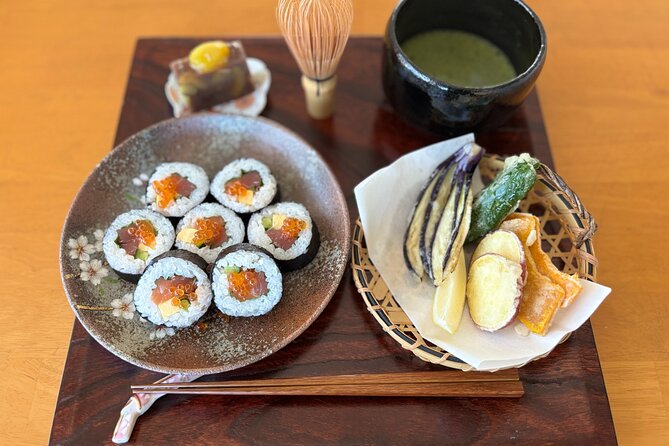
The best part of this Sapporo food class is its home-style setting. You make Hokkaido seafood sushi rolls and light tempura in a quiet residential kitchen, then sit down to eat what you prepared before learning about matcha and Japanese sweets.
In This Article
- A Home Kitchen Near Sapporo’s Western Sights
- 10:00 a.m. Introduction to Hokkaido Food
- Making Seafood Sushi Rolls From Scratch
- Crisp Tempura and a Shared Meal
- Matcha and Japanese Sweets From Noon to 12:30
- Why the Two or Three Person Group Matters
- Is $97.55 a Fair Price?
- Who Should Book This Sapporo Cooking Class?
- Practical Planning for the Morning
- Should You Book It?
- FAQ
- Where does the Hokkaido seafood sushi class take place?
- What time does the experience start?
- How long does the activity last?
- What food will I prepare?
- Is matcha included?
- How many people participate?
- Is hotel pickup included?
- What is included in the price?
- Can I cancel for a full refund?
I like the very small group size, just two or three people, and the mix of cooking and tea culture. The class also sits about 15 minutes by car from Sapporo Station, close to Hokkaido Shrine and Maruyama Zoo, so it fits neatly into a day around western Sapporo. The main consideration is the price, $97.55 per person, which is a fair but not cheap meal activity, especially since hotel pickup and drop-off are not included.
- Small private setting: Your group has the kitchen to itself, with only two or three participants.
- Three-part food experience: Make seafood sushi rolls, cook tempura, and finish with matcha and traditional sweets.
- Hokkaido ingredients: The class focuses on fresh local seafood and Hokkaido food culture.
- Useful location: The meeting point is near public transportation and close to Hokkaido Shrine and Maruyama Zoo.
- Home-style atmosphere: You get a glimpse of everyday Japanese cooking in a residential part of Sapporo.
- Flexible cancellation: Cancel at least 24 hours before the start for a full refund.
A Home Kitchen Near Sapporo’s Western Sights
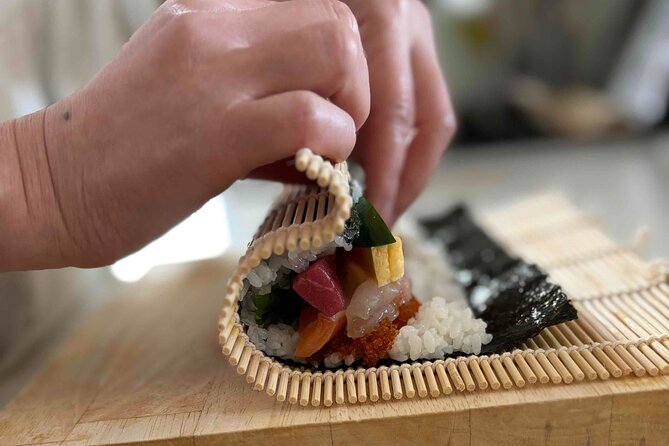
This experience gives you something a restaurant meal cannot: you take part in the preparation. Rather than simply ordering sushi and tempura, you learn how these dishes come together, then eat them at the same table.
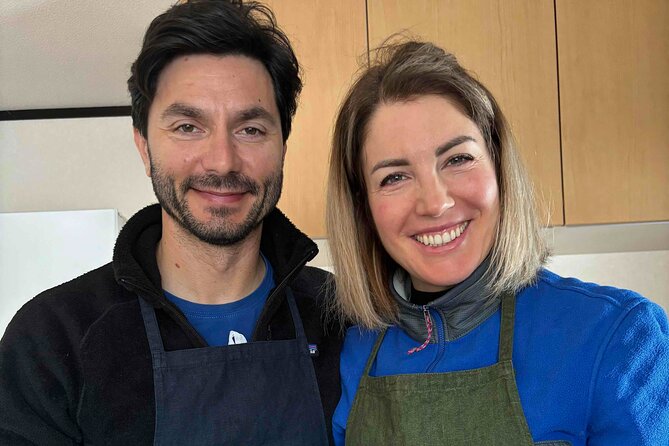
The class is run by Tomoko’s Japanese Cooking at 26 Chome-2 Odorinishi in Chuo Ward. The setting is a quiet residential neighborhood, not a busy commercial district. That matters because the activity feels connected to ordinary life in Sapporo, even though it is designed for visitors.
You are near two well-known stops, Hokkaido Shrine and Maruyama Zoo. The studio is about 15 minutes by car from Sapporo Station. If you are planning a morning at the class, you can pair it with sightseeing in the Maruyama area before or after, though the class itself ends at its starting point.
The meeting point is near public transportation. Hotel pickup and drop-off are not included, so plan to make your own way there. The experience information also lists pickup as a feature, but the detailed notes clearly state that hotel transportation is not included. I would treat the meeting point as the reliable plan unless the provider confirms another arrangement.
10:00 a.m. Introduction to Hokkaido Food
The class begins at 10:00 a.m. with a short introduction to the lesson and Hokkaido’s food culture. This opening is useful because the food is not presented as a random set of recipes.
Hokkaido is known in Japan for seafood and agricultural produce, and the class puts seafood at the center of the meal. You get some context before starting, which helps you understand why fresh ingredients matter to the dishes you are about to make.
The introduction is brief, around 15 minutes. That is a good balance for a hands-on class. You are not spending the first hour listening to a lecture, but you still get a little background before handling the ingredients.
The early start also works well for your day. You finish around 12:30 p.m., leaving the afternoon open for Hokkaido Shrine, Maruyama Zoo, shopping, or another Sapporo activity. If you prefer slow mornings, though, the fixed 10:00 a.m. start means you need to build the class into your schedule rather than drop in casually.
Our other Sapporo reviews may also help you decide


Making Seafood Sushi Rolls From Scratch
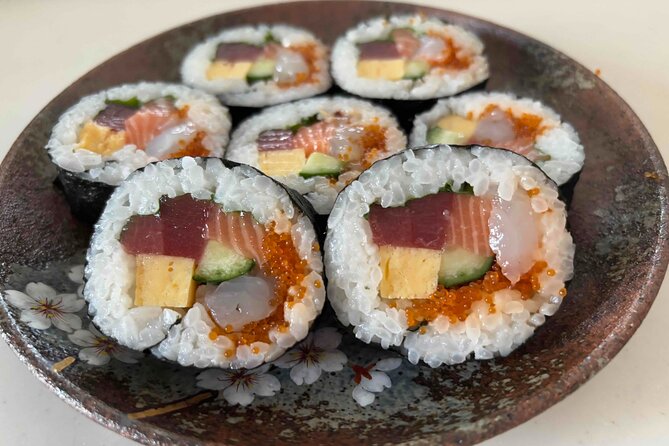
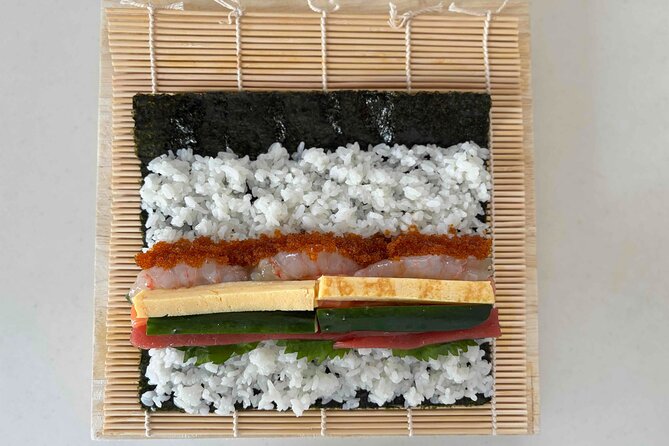
From 10:15 a.m. until noon, the main cooking session gets underway. You learn how to make seafood sushi rolls using fresh seafood, with the focus on producing rolls that look attractive as well as taste good.
That visual element makes this more than a basic lunch lesson. Sushi rolls require care with arrangement and shaping, so you get a practical feel for balance, presentation, and handling the ingredients. The description does not specify the exact seafood, fillings, or number of rolls, so you should not book expecting a particular fish or recipe.
I like that the sushi is paired with another Japanese staple rather than taking up the whole class. You get to work on one dish that requires careful assembly, then shift to tempura, which uses a different cooking method and rhythm.
The sushi portion should suit people who want to learn a skill they can remember after the trip. You may not leave with professional knife skills or a restaurant recipe, but you will have a better sense of how beautiful rolls are made. The small group helps here. With only two or three people in the class, there should be more room for individual guidance than in a large cooking workshop.
The class supplies an apron and hand towel. That is a small but useful detail, especially if you are traveling with limited luggage or wearing clothes you want to keep clean.
Crisp Tempura and a Shared Meal
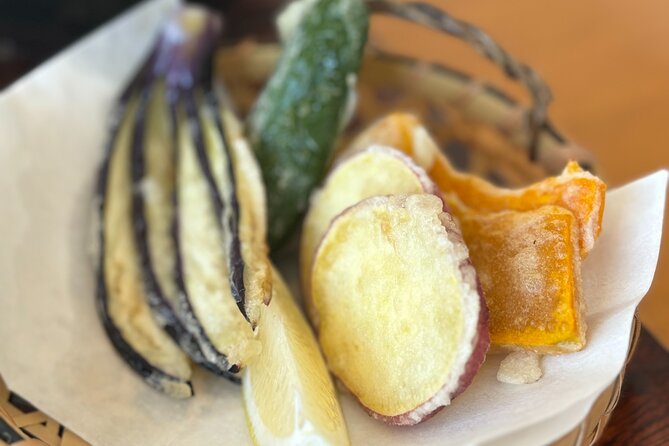
After the sushi work, you cook light, crispy tempura. This adds a warm dish to the meal and gives the class a change of pace.
Tempura can look simple, but the appeal is in its delicate texture. The class specifically focuses on crisp tempura, so you can expect attention on the cooking process rather than simply reheating prepared food. The exact ingredients are not given, so the seafood and vegetables used for tempura may vary.
Once the cooking is finished, you sit down and enjoy the meal together. This shared table time is one of the strongest reasons to choose a cooking class instead of a standard food tasting. You get to eat the seafood rolls and tempura while the steps are still fresh in your mind.
The social side is also part of the appeal. One five-star comment describes the experience as a good lesson with kind people, and notes that the participants were satisfied with what they learned and made new friends. That is a small sample, but it fits the structure of the class: a tiny group, a shared meal, and a host-led activity.
You should keep your expectations sensible. This is a two-and-a-half-hour introduction, not a professional culinary course. The value comes from making and eating a Japanese meal in a personal setting, not from mastering a long list of recipes.
Matcha and Japanese Sweets From Noon to 12:30
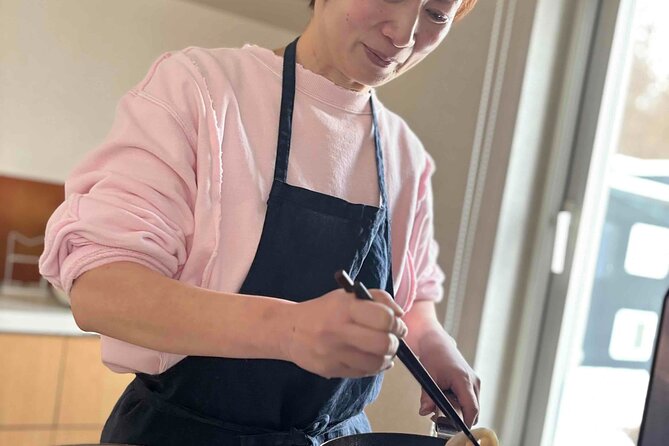
The final 30 minutes focus on matcha with traditional Japanese sweets. This gives the class a quiet ending after the cooking and meal.
You also learn about the spirit and basic ideas behind Japanese tea culture. That phrase points to the cultural side of the activity, not just the preparation of a green drink. Matcha is tied to manners, attention, and hospitality, so this part gives you a different way to think about Japanese food.
The tea session is short enough to remain approachable. If you have never tried matcha, you can experience it without committing to a full tea ceremony. If you already know Japanese tea, you may find this an introductory rather than formal presentation.
The sweets provide a traditional counterpoint to the savory meal. You have seafood sushi and tempura first, then finish with matcha and sweets. That progression gives the morning a clear shape, and it means the class does not end immediately after the cooking.
Why the Two or Three Person Group Matters
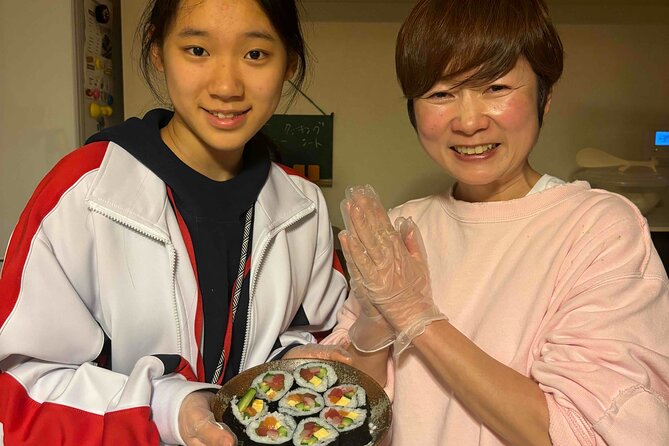
The class is private, and only your group participates. The stated group size is two to three people, making this especially attractive for couples, close friends, or a small family group.
A small group changes the experience in practical ways. You can ask questions without speaking over a crowd. You can watch the preparation closely. You also avoid the impersonal feel that sometimes comes with a large cooking studio.
The tradeoff is availability. The activity is often booked about 16 days in advance, which suggests you should reserve ahead if your Sapporo dates are fixed. A private class with only a few places cannot absorb much last-minute demand.
The format may also suit people who feel unsure in a cooking class. You do not need to perform in front of a room full of strangers. The setting is designed to be relaxed and home-like, and the provider supplies the basic apron and hand towel.
At the same time, a group of two or three means the social energy depends on your party and the host. If you want a lively group event with many people, this is probably too intimate. If you prefer a calm lesson with room to participate, the size is a strong advantage.
Our other Sapporo reviews may also help you decide


Is $97.55 a Fair Price?
At $97.55 per person, this is not the cheapest way to eat sushi in Sapporo. You can find prepared meals for much less. The comparison is not quite fair, though, because this price includes instruction, the cooking session, the meal, matcha, Japanese sweets, an apron, and a hand towel.
I see the value in the combination. You are paying for a private, small-group activity that takes about two and a half hours. You also receive three connected experiences: sushi making, tempura cooking, and a matcha introduction.
The price makes the most sense if you value participation and cultural context. It is less appealing if your main goal is simply to sample Hokkaido seafood. For that, a market or sushi restaurant may give you more food for less money, but not the chance to prepare it yourself or share a home-style lesson.
Location adds some value. The class is close to Hokkaido Shrine and Maruyama Zoo, two places already likely to appear on a Sapporo itinerary. You can reduce wasted travel time by grouping these stops together, although hotel transportation is not part of the package.
The high rating is based on four reviews, so I would not treat it as a broad statistical verdict. Still, the available response gives the class credit for friendly people, an interesting lesson, and the chance to make new friends. Those are exactly the personal touches that can justify the higher price.
Who Should Book This Sapporo Cooking Class?
I would recommend this experience to you if you enjoy food, prefer small groups, and want a direct connection with Japanese daily life. It is particularly suitable for couples and small private parties because the class is limited to your group.
It also works well for first-time visitors who want more than a restaurant meal. The lesson introduces familiar Japanese foods without requiring advanced cooking experience. You make sushi rolls, cook tempura, and then take part in a matcha experience, so the morning has plenty of variety.
Families may like the practical format, but the supplied information does not give a minimum age or child policy. If you are booking with children, confirm that point before paying.
You should think twice if you are seeking a formal tea ceremony, a long professional cooking course, or a large social event. The matcha session lasts about 30 minutes and is described as an experience in tea culture, while the whole class is built around simple participation and shared food.
It is also not the best fit if you want hotel-to-door transportation. You need to reach the meeting point at 26 Chome-2 Odorinishi yourself, and the class returns there when it ends.
Practical Planning for the Morning
The class begins at 10:00 a.m., so allow enough time to reach the residential meeting point without rushing. The location is near public transportation, and the studio is roughly 15 minutes by car from Sapporo Station.
Wear something comfortable for cooking. An apron and hand towel are supplied, but the information does not mention clothing protection beyond that. You may want to avoid your best sightseeing outfit, especially since the class includes tempura preparation.
After the class, you finish at the meeting point around 12:30 p.m. This makes lunch planning easy because your cooking activity is also your midday meal. You can then continue toward Hokkaido Shrine or Maruyama Zoo, both within the wider area.
The activity requires good weather, according to its booking conditions. If poor weather causes a cancellation, you are offered another date or a full refund. For your own plans, keep a little flexibility if the class is an important part of your Sapporo schedule.
You can cancel for a full refund until 24 hours before the start time. Changes or cancellations made less than 24 hours ahead are not accepted for a refund, so watch the local Sapporo time when making adjustments.
Should You Book It?
Book this class if you want to make your own Hokkaido seafood meal in a private home-style setting, with a short matcha lesson to finish. The small group, friendly atmosphere, useful western Sapporo location, and mix of dishes give it more substance than a simple cooking demonstration.
Skip it if you only want an inexpensive seafood lunch or if you need hotel pickup. At $97.55, the experience earns its price through personal instruction and cultural context, not through the amount of food alone.
For a couple or small group with room in the Sapporo itinerary, I would reserve about two weeks ahead. The morning schedule leaves your afternoon free, and the combination of sushi, tempura, and matcha gives you a pleasant introduction to Japanese food culture without taking over the entire day.
FAQ
Where does the Hokkaido seafood sushi class take place?
The class starts at 26 Chome-2 Odorinishi, Chuo Ward, Sapporo, Hokkaido 064-0820, Japan. It is held in a quiet residential area near public transportation.
What time does the experience start?
The class starts at 10:00 a.m.
How long does the activity last?
The experience lasts approximately two hours and 30 minutes. The schedule runs from 10:00 a.m. until 12:30 p.m.
What food will I prepare?
You will make seafood sushi rolls with fresh seafood and cook crispy tempura. You will then eat the meal together.
Is matcha included?
Yes. The experience includes matcha with traditional Japanese sweets, along with an introduction to the spirit and basic ideas of Japanese tea culture.
How many people participate?
The class is held in small groups of two to three people. It is a private activity, so only your group participates.
Is hotel pickup included?
No. Hotel pickup and drop-off are not included. You need to make your own way to the meeting point.
What is included in the price?
The price includes the seafood sushi roll activity, tempura, matcha, Japanese sweets, a rental apron, and a hand towel.
Can I cancel for a full refund?
Yes. You can receive a full refund if you cancel at least 24 hours before the experience start time. Cancellations or changes made less than 24 hours before the start are not refunded or accepted.
More Tour Reviews in Sapporo


More Seafood & Market Tours in Sapporo
More Sushi Making Classes in Sapporo

Other Sapporo tours worth your shortlist




Sushi Making Classes, side by side.
 ★ 5.02 hours sushi classFrom $20.0840 reviews
 ★ 5.0Taught by a professional! Making sushi with Hakodate’s Fresh FishFrom $86.823 reviews
 ★ 5.0Recommended for familiesExperience of casual sushi!!Hand-rolled sushi experience of Hokkaido ingredients!From $97.553 reviews
 Sushi Making experience in SapporoFrom $63.70
The lists this tour appears in