
The most interesting part of this Sapporo sushi class is that it takes you beyond rolling a basic maki. You’ll prepare the rice, grate fresh wasabi with two types of grater, and make both nigiri and hosomaki before sitting down to eat what you made.
In This Article
- Key points at a glance
- A hands-on introduction to sushi in Sapporo
- Starting with the apron and chef’s hat
- Learning how seasoned sushi rice comes together
- Grating fresh wasabi with two types of grater
- Making nigiri and hosomaki in one class
- Eating what you made yourself
- Why the private format matters
- Meeting in central Sapporo
- Timing, booking, and cancellation
- Who should book this sushi experience?
- Should you book it?
- FAQ
- Where does the sushi-making experience take place?
- How long does the activity last?
- What will I make during the class?
- Can I eat the sushi I make?
- Is this a private activity?
- Is public transportation included?
- Can I cancel for a full refund?
I like the practical format: you learn by doing, and the finished sushi becomes your meal. I also like that this is a private activity, so your group can focus on the instructor rather than keeping pace with a crowded class. The main consideration is the short 90-minute schedule. It gives you a tidy introduction, but not a long lesson in advanced sushi technique.
Key points at a glance

- Fresh wasabi preparation: Grate real wasabi using two different types of grater.
- Two sushi styles: Make both nigiri sushi and hosomaki rolls.
- Your work becomes lunch or dinner: The sushi you prepare is included for you to eat.
- Private format: Only your group participates in the activity.
- Compact 90-minute visit: A good fit for a busy Sapporo itinerary.
- Central Sapporo meeting point: Meet at IC ハイデンス, in Chuo Ward, near public transportation.
A hands-on introduction to sushi in Sapporo

This experience gives you a close look at the parts of sushi that are easy to overlook when you simply order it at a restaurant. Rice needs the right seasoning and texture. Wasabi is not just a green paste from a tube. And the shape of a sushi roll depends on careful handling, not brute force.
You will work through those basics in a clear sequence. First comes the chef-style clothing, then the rice, then the wasabi, followed by nigiri and hosomaki. The class ends with a tasting, so the lesson has a satisfying purpose from start to finish.
The activity is offered by 和do Studio Sapporo. No guide name is provided, so you should not book this expecting a named celebrity chef or a formal culinary lecture. The focus is the workshop itself, with a private group and direct participation.
At $63.70 per person, the price needs to be judged as a class and a meal together. You are paying for instruction, ingredients, the use of the workspace, and the sushi you prepare. That makes the cost easier to justify than a short demonstration where you only watch someone else work.
Still, this is not a full professional cooking course. The session lasts about an hour and 30 minutes, and the description promises a focused introduction to sushi preparation. If you want detailed fish-cutting practice, knife work, or a long discussion of regional sushi styles, this is not presented as that kind of class.
Our other Sapporo reviews may also help you decide


Starting with the apron and chef’s hat
The first step is simple, but it sets the tone. You put on an apron and hat before beginning the food preparation. This is meant to support cleanliness and safety, while also giving the session a clear sushi-chef theme.
I like this opening because it helps separate the workshop from an ordinary meal. You are not just arriving, sitting down, and being handed a plate. You are getting ready to work with the food yourself.
The clothing is also useful for families, couples, and small private groups looking for an activity with a little ceremony. The class has a hands-on character from the beginning, though the experience remains brief enough to fit around other Sapporo plans.
Do not expect the uniform to turn you into a working sushi chef in 90 minutes. Think of it as a clean, friendly introduction to the craft and an easy way to feel part of the process.
Learning how seasoned sushi rice comes together
The rice is the foundation of both sushi styles you make. During the workshop, you learn how to prepare perfectly seasoned sushi rice before shaping it into nigiri and hosomaki.
This is an important part of the lesson because sushi rice is more than plain steamed rice. Its seasoning and texture affect the taste and structure of the finished piece. If the rice is too loose, too firm, or poorly seasoned, the sushi will not come together in the same way.
The supplied details do not specify the exact rice vinegar blend, cooking method, or recipe used in class. That is useful to keep in mind if you are hoping to recreate the lesson at home with precise measurements. You will learn the preparation process, but the experience description does not promise a printed recipe or a complete take-home cooking guide.
For you, the value is in seeing the rice as a key part of sushi rather than a filler beneath the fish or toppings. This also gives the activity more substance than a class that only teaches rolling technique.
Grating fresh wasabi with two types of grater

The wasabi portion is the most distinctive detail in the workshop. You will grate real wasabi using two different types of grater.
That comparison gives you a chance to notice how a traditional ingredient is prepared before it reaches the plate. The point is not simply to add heat. You are handling the wasabi yourself and seeing how preparation fits into Japanese food culture.
The experience does not state which grater materials are used, so you should not assume a particular style. It also does not say how much wasabi each person receives or how long this part lasts. What is clear is that two grating methods are included, making this more than a quick instruction to stir a ready-made condiment.
I especially like this feature for people who already know the basics of eating sushi but have never considered what fresh wasabi preparation involves. It adds a small piece of food education without turning the class into a long lecture.
Making nigiri and hosomaki in one class

After the rice and wasabi preparation, you make two different types of sushi: nigiri and hosomaki.
Nigiri is the compact form built around a portion of rice. Hosomaki is the narrow rolled sushi style. Working with both lets you compare two different kinds of shaping. One asks you to form a neat piece by hand, while the other involves assembling and rolling ingredients into a slim maki.
The class description does not list the exact fillings, fish, or toppings. That means you should book for the preparation experience rather than a guaranteed menu. If you have allergies or dietary restrictions, ask the provider before booking, since no ingredient or substitution information is supplied here.
The lack of a published menu is one of the few practical gaps. Some people like to know precisely what they will eat before paying for a food activity. On the other hand, the main promise is clear: you will make nigiri and hosomaki, then eat the sushi you prepared.
You should also keep your expectations realistic about appearance. Handmade sushi may not look like a restaurant chef’s work after a short class, and that is part of the fun. The useful lesson is learning how the pieces are formed and handled, not producing a perfect display case.


Eating what you made yourself

The workshop ends with a tasting of the sushi you prepared. Your meal is included, so you do not finish the class hungry and then need to find a separate restaurant.
This is where the activity earns much of its appeal. You can connect each bite with the steps that came before it: seasoning the rice, preparing the wasabi, shaping the nigiri, and rolling the hosomaki. That makes the meal feel like the final stage of the lesson rather than an unrelated food stop.
The included food also helps explain the $63.70 price. If you compare it with an ordinary sushi meal, the amount may seem high for a small plate. But you are also receiving a private workshop and hands-on instruction, which changes the comparison.
The information does not specify portion size, drink service, or whether additional food is available. Plan on the sushi you make being the included meal, and avoid booking it as a substitute for a full restaurant feast unless the provider confirms the amount beforehand.
Why the private format matters

Only your group participates in this activity. That is a meaningful feature, especially if you are booking with family, friends, or a partner and want the class to follow your group’s pace.
A private class can make it easier to ask questions, repeat a step, or take a little extra care with shaping. It also avoids the awkwardness of working beside a large room of strangers. Since the class is short, having a focused setting may help you get more from each part of the workshop.
The private format does not mean the activity is customized in every way. The provided information does not promise a personalized menu, private transportation, or a lesson designed around your previous cooking experience. It simply confirms that only your group will take part.
That distinction matters when you compare this with larger group cooking classes. You are paying partly for privacy and attention, not just ingredients.
Meeting in central Sapporo

The meeting point is Japan, 060-0063 Hokkaido, Sapporo, Chuo Ward, Minami 3 Jōnishi, 9-chōme, IC ハイデンス. The activity ends back at the same meeting point.
The location is near public transportation, which is helpful if you are fitting the class between sightseeing stops. Public transportation is not included, so you need to arrange and pay for your own way to and from the studio.
Use the exact meeting address from your booking confirmation when planning your route. The supplied information identifies the building and district, but it does not provide a station name, walking time, or parking details. Give yourself enough time to locate IC ハイデンス, particularly if you are unfamiliar with Sapporo’s street numbering.
Because the class returns to its starting point, the logistics are straightforward. You do not need to arrange a separate pickup or figure out where the tasting ends.
Timing, booking, and cancellation
The experience lasts approximately one hour and 30 minutes. That makes it easy to place into a day of Sapporo sightseeing, but you should allow extra time for getting to the meeting point and leaving afterward.
You receive confirmation when you book, and the ticket is mobile. You can show the booking on your phone rather than dealing with a paper voucher.
Free cancellation is available if you cancel at least 24 hours before the local start time. If you cancel less than 24 hours ahead, the amount paid is not refunded, and changes made within that same period are not accepted. Keep the local cut-off time in mind if you are booking from another time zone.
Who should book this sushi experience?
I would recommend this class to you if you want an active food experience in Sapporo and prefer making something to simply watching a demonstration. It suits first-time sushi makers, couples, families, and small groups who value a private setting.
It is also a good choice if you are curious about the less visible parts of sushi preparation, especially seasoned rice and fresh wasabi. The two sushi styles give you enough variety to make the short class feel worthwhile.
You may want to choose a different experience if your main goal is a detailed culinary course. The available information does not include fish filleting, advanced knife skills, a recipe booklet, a published menu, or a long lesson on Japanese regional cuisine. Those are not promised here.
People with food allergies should contact 和do Studio Sapporo before booking. The included meal is the sushi you make, but the specific ingredients are not listed.
Should you book it?
Book this Sapporo sushi experience if you want a compact, private workshop where you prepare the rice, grate fresh wasabi, make nigiri and hosomaki, and eat the result. At $63.70, the value is strongest when you count the instruction and private format along with the meal.
Skip it if you want a long professional cooking lesson or need a guaranteed menu before you commit. For most visitors looking for a practical taste of Japanese food culture without giving up half a day, the focused 90-minute format is a sensible choice.
FAQ
Where does the sushi-making experience take place?
It takes place at IC ハイデンス, Japan, 060-0063 Hokkaido, Sapporo, Chuo Ward, Minami 3 Jōnishi, 9-chōme.
How long does the activity last?
The experience lasts approximately one hour and 30 minutes.
What will I make during the class?
You will prepare sushi rice, grate fresh wasabi, and make both nigiri sushi and hosomaki.
Can I eat the sushi I make?
Yes. The sushi you prepare is included as the meal at the end of the activity.
Is this a private activity?
Yes. Only your group participates in the activity.
Is public transportation included?
No. Public transportation is not included, although the meeting point is near public transportation.
Can I cancel for a full refund?
Yes, if you cancel at least 24 hours before the experience start time in the local time zone. Cancellations made less than 24 hours before the start time are not refunded.
More Tour Reviews in Sapporo
More Sushi Making Classes in Sapporo
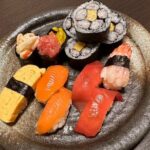
Other Sapporo tours worth your shortlist









Sushi Making Classes, side by side.
 ★ 5.02 hours sushi classFrom $20.0840 reviews
 ★ 5.0Hokkaido Seafood Sushi Rolls Experience with Matcha, in SapporoFrom $97.554 reviews
 ★ 5.0Taught by a professional! Making sushi with Hakodate’s Fresh FishFrom $86.823 reviews
 ★ 5.0Recommended for familiesExperience of casual sushi!!Hand-rolled sushi experience of Hokkaido ingredients!From $97.553 reviews
The lists this tour appears in