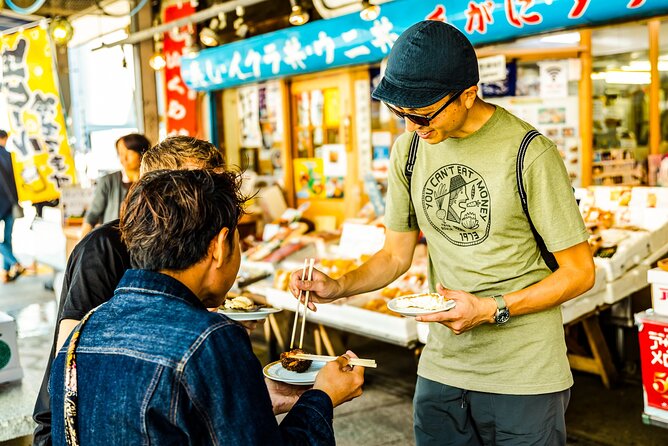
Sapporo is easiest to understand when you mix its major sights with the small local places between them. This private tour lets you shape the day around food, parks, culture, shopping, or history, with a host such as Ryo, Shiunn, Akihiro, Zarina, Emilio, or Ryuki guiding the way.
In This Article
- Key points to know before booking
- A private way to get your bearings in Sapporo
- Maruyama Park: seasonal scenery and a slower pace
- The Former Hokkaido Government Office and Sapporo’s young history
- Sapporo Beer Museum: a good indoor stop
- Nijo Market: Sapporo’s best food conversation
- Hokkaido Jingu and the city’s quieter side
- Ski-lift views and optional additions
- How much walking and transport to expect
- What the guide can add
- Price, timing, and who gets good value
- Should you book this Sapporo tour?
- FAQ
- Where does the Sapporo private tour begin?
- Where does the tour end?
- How long does the experience last?
- Is the tour private?
- Can I customize the itinerary?
- Is transportation included?
- Are food and drinks included?
- Are attraction tickets included?
- Is pickup offered?
- What is the cancellation policy?
I like the custom itinerary, especially if you have only one or two days in town. I also like the local food angle, from seafood and soup curry to ramen, mochi, beer, and ice cream. The catch is that this is not a tightly scripted sightseeing circuit. One poorly planned rainy day turned into too much time in subway stations, so your host’s preparation and your own weather plan matter.
Key points to know before booking
- A private day built around you: Tell the host if food, parks, shrines, shopping, or local culture matters most.
- A useful first look at Sapporo: The tour can connect central sights with Maruyama Park, Hokkaido Jingu, markets, and neighborhood stops.
- Food is often a highlight: Seafood, soup curry, ramen, local beer, sake, fried chicken, sweets, and ice cream may shape the day.
- Mostly on foot: Public transport or taxis may be used between distant stops, but those costs are extra.
- Flexible length: Choose roughly three to eight hours, with start times selected when booking.
- Best for curious, adaptable visitors: It suits people who value local conversation over a fixed checklist.
A private way to get your bearings in Sapporo
At $109.98 per person, this tour sits above a standard group walk, but you are paying for personal attention rather than a fixed route. The value improves if you are sharing the experience with family or friends and want the host to work around your pace, interests, and food preferences.
The day begins at the Hokkaido-Sapporo Tourist Information Centre in the west concourse of JR Sapporo Station. The meeting point is practical, central, and easy to reach by rail. The tour ends there too, unless arrangements change during planning.
After booking, you receive a short questionnaire. Use it properly. Say if you want major landmarks, small restaurants, Japanese culture, seasonal scenery, shopping, or something suitable for an older relative. The host then contacts you directly to discuss the plan.
That direct conversation is one of the strongest parts of the experience. Akihiro, for example, asked about walking speed and helped set up a transport card before taking his group around the city. Shiunn adjusted plans for weather and arranged a visit to an artisanal producer and a traditional tea shop. Zarina worked around a delayed flight and changed the day to focus on local food.
You should think of this as hiring a friendly local companion for a few hours, not joining a polished bus tour. That can be wonderfully freeing. It also means you should ask clear questions before the day begins: How much walking will we do? Which sights are realistic in four hours? What happens if snow or rain changes the plan?
Our other Sapporo reviews may also help you decide


Maruyama Park: seasonal scenery and a slower pace
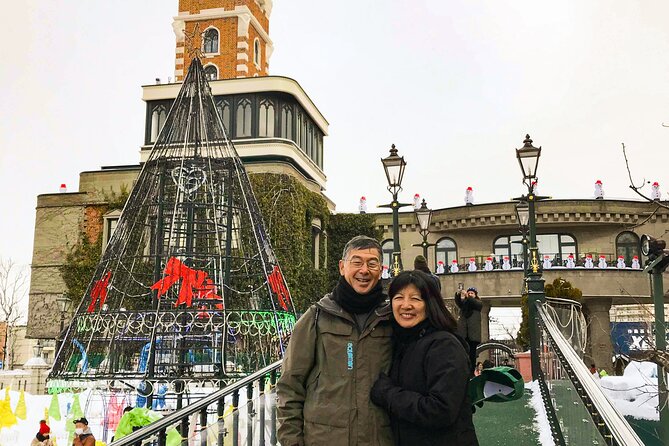
Maruyama Park gives the day room to breathe. This central green space changes character throughout the year, with snow sculptures during the Sapporo Snow Festival and flower beds in spring and summer.
The park is useful for more than photographs. It gives your host a relaxed setting for explaining how Sapporo’s seasons shape daily life. A walk here can also balance a busy food market or a run of city streets.
Several tours included a stop at Hokkaido Jingu near the park. One local host added mochi tasting, while another built a wider day around the park, shrine, lunch, and a ski-lift view. If you enjoy walking and seasonal scenery, this pairing is one of the most appealing ways to spend part of the tour.
Keep your expectations sensible. Maruyama Park is not a grand European garden with a long list of formal monuments. Its appeal is the open space, forested feel, changing weather, and connection to the shrine. In wet conditions, paths can make the walk less pleasant, so tell your host if you need a shorter route.
The Former Hokkaido Government Office and Sapporo’s young history
The Former Hokkaido Government Office is one of Sapporo’s best-known landmarks. Its 19th-century wooden design gives you a clear sense of the city’s modern beginnings and its role in the development of Hokkaido.
Your host can make this stop more useful than a quick photograph by explaining the building’s place in Sapporo’s story. This is especially helpful if you are new to Japanese history and want context rather than a list of dates.
Still, Sapporo is a relatively young city compared with places such as Kyoto or Nara. You will not find a dense concentration of ancient temples and old wooden lanes here. One guest found it difficult to fill four hours with historic sights and ended up spending time in a sweets shop.
That is not a reason to reject the tour, but it is a reason to book with the right expectations. Sapporo’s appeal comes from its broad streets, planned urban form, northern climate, food culture, parks, modern buildings, and links to Hokkaido. Ask for this wider story if traditional architecture is your main interest.
Sapporo Beer Museum: a good indoor stop
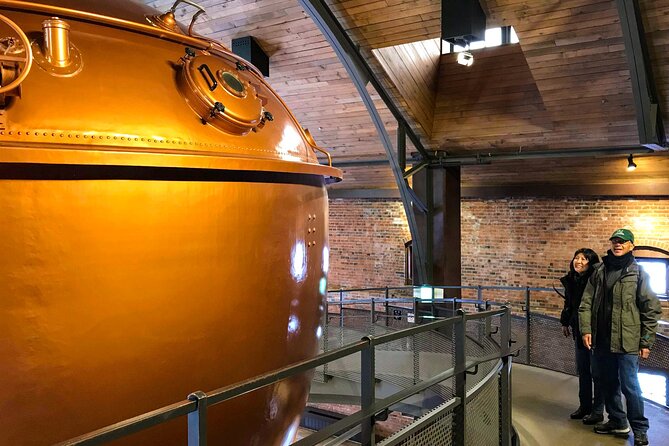
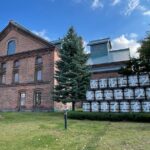
The Sapporo Beer Museum offers a welcome change from outdoor walking, particularly in winter or during a rainy spell. It covers the development of Sapporo beer and gives you the chance to consider a tasting, with the cost of drinks and tickets paid separately.
A host can help you decide what to try and explain how beer fits into the city’s food culture. For many people, this is less about spending hours in a museum and more about adding a local drink to the day.
The museum may not suit you if you do not drink or have little interest in brewing. Because entry and tastings are not included, check the plan before assuming this is part of the base price. The flexible format means you can replace it with another stop if your priorities lie elsewhere.
Nijo Market: Sapporo’s best food conversation
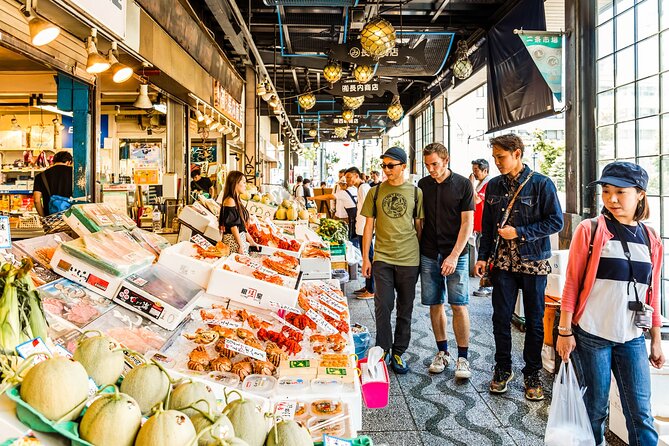
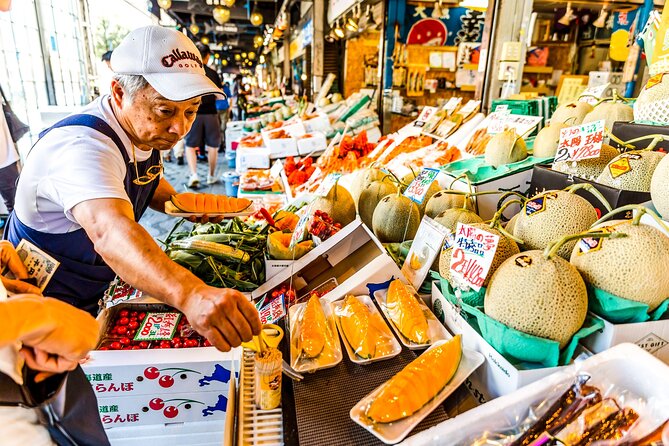
Nijo Market is where the tour’s food focus can really pay off. Hokkaido is known for seafood, and the market gives you a chance to look at crab, sea urchin, and other local produce while learning how Sapporo eats.
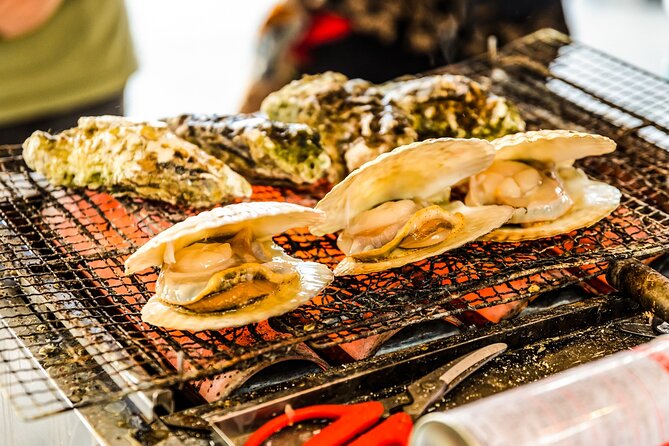
You pay for anything you sample. That is important because seafood prices can vary, and a tasting-heavy visit can push your total well above the advertised tour price. Tell your host what you want to spend and what you can eat before ordering.
The market also works well for a short tour. You can browse, ask questions, try one or two items, and move on without committing to a long restaurant meal. Hosts have also introduced people to small local restaurants, home-style cooking, ramen, Hokkaido ice cream, fried chicken, and soup curry.
Soup curry deserves special attention. It is one of the foods most often chosen by hosts when visitors ask for a local specialty. The meal is filling, informal, and easy to combine with a city walk, though the restaurant itself is not specified in advance.
If you are a serious food explorer, ask for a market visit plus one sit-down meal. If you have allergies or dietary limits, share them in the questionnaire and repeat them directly to the host.
You can also read our reviews of more private tours in Sapporo


Hokkaido Jingu and the city’s quieter side
Hokkaido Jingu is a spiritual site set near the wooded paths of Maruyama. It offers a calm pause from the commercial center and gives you a chance to see a side of Sapporo that is not defined by department stores, station tunnels, and restaurants.
The shrine is especially appealing when paired with Maruyama Park. You get seasonal scenery, a walk, and a cultural site in one area rather than spending the whole day crossing the city.
The word tranquil is more accurate here than spectacular. If you want dramatic architecture or a long sequence of historic buildings, this will be a modest stop. If you want a quiet place where your host can explain customs and local life, it earns its place.
Your pace matters. Shiunn was praised for staying with an elderly family member, taking photographs, and adjusting the walk. Tell the host if your group needs frequent pauses or a gentler route.
Ski-lift views and optional additions
The standard description centers on central Sapporo, parks, the government office, the beer museum, Nijo Market, and Hokkaido Jingu. Actual private itineraries can differ. Several hosts took groups to a ski-jump or ski-lift viewpoint, where the city spread out below.
That view can be a major payoff, especially for a first visit. It shows how Sapporo sits in a broad northern setting and helps you understand the city’s scale better than a street-level walk alone.
The ski lift is not included in the tour price, and the route may require public transport or a taxi. Do not assume it can fit into a short three-hour booking alongside every central sight. In four to eight hours, it becomes more realistic, depending on your pace and the day’s priorities.
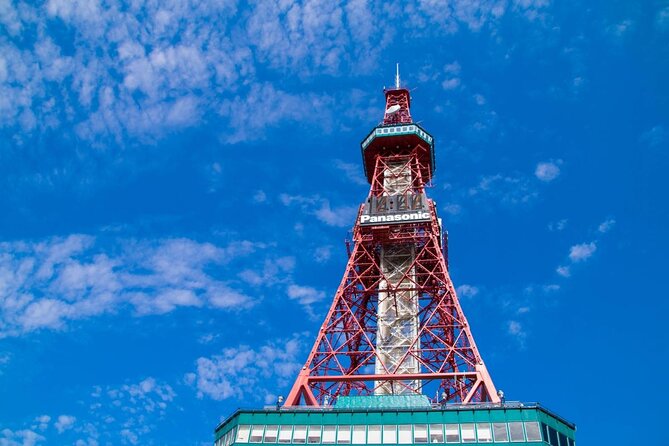
Other additions have included JR Tower views, a zoo, shopping streets, tea shops, artisanal producers, tunnels used by local commuters, and small restaurants. These are not guaranteed stops. They are examples of what a host may add when you explain what interests you.
How much walking and transport to expect
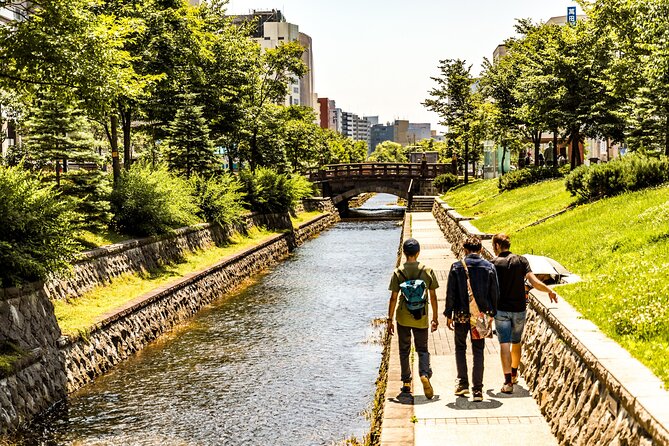
This is mainly a walking experience. The distance depends on the plan, but the tour can use the subway or buses to connect places that are too far apart. Transport is not included, and exact costs can be discussed with your host after booking.
That arrangement is sensible in a city as spread out as Sapporo. A private host can help you use public transport instead of wasting half the day on navigation. Akihiro even helped one group set up a travel card, which made the rest of the day easier.
Still, do not read flexible as effortless. A walking tour in Sapporo can mean cold, snow, heat, rain, or long stretches between stops. Wear shoes you trust and tell your host your preferred pace. If you want a relaxed day, choose fewer sights rather than trying to force the entire city into one booking.
The private format is a real benefit for families. You can pause for photographs, adjust around an older family member, or change plans after a delayed flight. It is less useful if you want a silent, tightly timed route with every minute fixed in advance.
What the guide can add
The best part of this experience is the person you get. Hosts have included bilingual or fluent English speakers with strong local ties, such as Akihiro, Ryo, Shiunn, Emilio, Zarina, and Ryuki.
Ryo was able to explain Sapporo from the perspective of someone who had lived there for years. Akihiro, a Sapporo native who studied in the United States, combined city knowledge with clear English. Shiunn was valued for her patience and careful adjustments. Zarina focused closely on food preferences and timing.
That personal connection can turn an ordinary walk into a useful introduction. You can ask about restaurants, neighborhood customs, transport, local drinks, or what to do after the tour. You are not limited to the information printed on a sign.
The quality can vary, though. One guest found a host poorly prepared for rain, uncertain with directions, and short on useful sights. Since this is a host-led experience rather than a fixed professional lecture, communication before the tour matters. Send your priorities early and ask for a bad-weather alternative.
Price, timing, and who gets good value
The listed price is $109.98 per person, with group discounts offered. You can book for approximately three to eight hours, and the start time is flexible. Food, drinks, attraction tickets, transport, and gratuities cost extra.
For a first day in Sapporo, four hours is a sensible middle ground. It gives you time for several central stops, a market or meal, and perhaps a park or shrine without turning the day into a march. A three-hour booking works better for a short orientation or focused food walk.
Choose six to eight hours if you want to combine central Sapporo with a ski-lift view, market time, parks, and a proper meal. The longer format is also better for families who need breaks or for anyone who wants to make decisions as the day unfolds.
I see the price as fair when you use the host for planning, translation help, transport guidance, and local food choices. It is poor value if you only want a standard list of landmarks that you could visit independently. The experience earns its cost through flexibility and personal attention, not through included admissions.
Free cancellation is available if you cancel at least 24 hours before the start time. Changes made inside that window are not accepted, so keep the policy in mind when booking around flights.
Should you book this Sapporo tour?
Book it if you have limited time, want local food, prefer private attention, or would like help balancing Sapporo’s parks, markets, shrines, and modern sights. It is especially useful for families, first-time visitors, and people who enjoy asking questions as they walk.
Skip it if you want a fixed historical tour, a private vehicle, or a ticket-inclusive package. Sapporo does not offer the ancient architecture found in Japan’s older capitals, and a rainy day can expose the weakness of an unplanned route.
My advice is to request a four-hour plan with two or three firm priorities and one flexible stop. Ask for a weather backup, confirm how much walking suits your group, and set a food budget before visiting Nijo Market. Done that way, this can give you a friendly, practical introduction to Sapporo that is hard to reproduce from a guidebook alone.
FAQ
Where does the Sapporo private tour begin?
It begins at the Hokkaido-Sapporo Tourist Information Centre in the west concourse of JR Sapporo Station, Japan, 060-0806 Hokkaido, Sapporo, Kita Ward, Kita 6 Jōnishi, 4-chōme.
Where does the tour end?
The activity ends back at the meeting point unless another arrangement is made with the host.
How long does the experience last?
The duration is flexible, from approximately three to eight hours.
Is the tour private?
Yes. Only your group participates in the activity.
Can I customize the itinerary?
Yes. You receive a questionnaire after booking and communicate directly with your host so the plan can match your interests and preferred pace.
Is transportation included?
No. The experience is mainly on foot. Public transport or local taxis may be used, but those costs are extra.
Are food and drinks included?
No. Food, drinks, and tastings are paid for separately.
Are attraction tickets included?
No. Tickets to attractions, such as museum admission or a ski-lift ride, are not included in the tour price.
Is pickup offered?
Pickup is offered, but the stated meeting point is the Hokkaido-Sapporo Tourist Information Centre at JR Sapporo Station. Confirm pickup details with your host after booking.
What is the cancellation policy?
You can cancel up to 24 hours before the experience for a full refund. Cancellations or changes made less than 24 hours before the start time are not accepted for a refund.
More Tours in Sapporo


More Tour Reviews in Sapporo


More Private Tours in Sapporo
Other Sapporo tours worth your shortlist


Private, side by side.
 ★ 5.0【Private Car】Asahiyama Zoo, Blue Pond, Shirahige Falls, Ningle Terrace (from Sapporo)From $465.1460 reviews
 ★ 5.0Sapporo 6hr Private Tour with Government Licensed GuideFrom $155.2257 reviews
 ★ 5.0[Biei/Furano] One-day sightseeing by private car!From $596.3343 reviews
 ★ 5.0Sapporo 4hr Private Tour with Government Licensed GuideFrom $122.2042 reviews
The lists this tour appears in