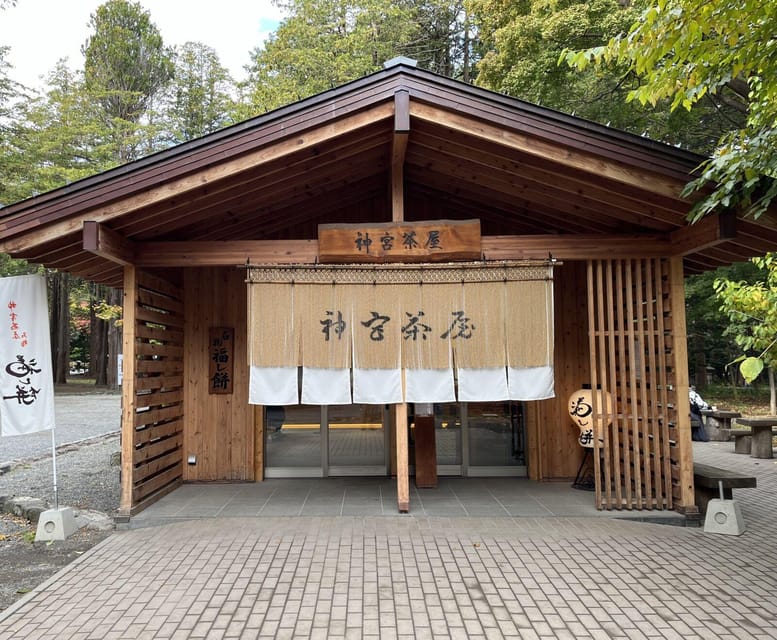
Sapporo’s best sights come together in one long day here: a quiet Shinto shrine, a seafood market where you choose what goes on your plate, and a cheerful chocolate factory. I especially like the contrast between Hokkaido’s spiritual traditions and its modern food culture.
In This Article
- Key points at a glance
- Three sides of Sapporo in one 8.5-hour day
- Meeting at Sapporo Station without confusion
- Hokkaido Shrine and the wide paths of Maruyama Park
- The Central Wholesale Market, where lunch becomes the main event
- Shiroi Koibito Park turns sweets into a factory visit
- Is $153 a fair price for this Sapporo day?
- What to wear and carry through the seasons
- Who will get the most from this experience?
- Should you book this Sapporo tour?
- FAQ
- How long does the tour last?
- Where do I meet the guide?
- Is transportation included?
- Is lunch included in the price?
- What seafood can I find at the market?
- Is the tour conducted in English?
- Can I cancel for a full refund?
I also like that the guide explains shrine manners instead of leaving you to guess, and that the market meal lets you select seafood on the spot. The drawback is the price, $153 per person before lunch, plus the full 510-minute schedule. This is a useful first look at Sapporo, but it is not a relaxed half-day outing.
Key points at a glance
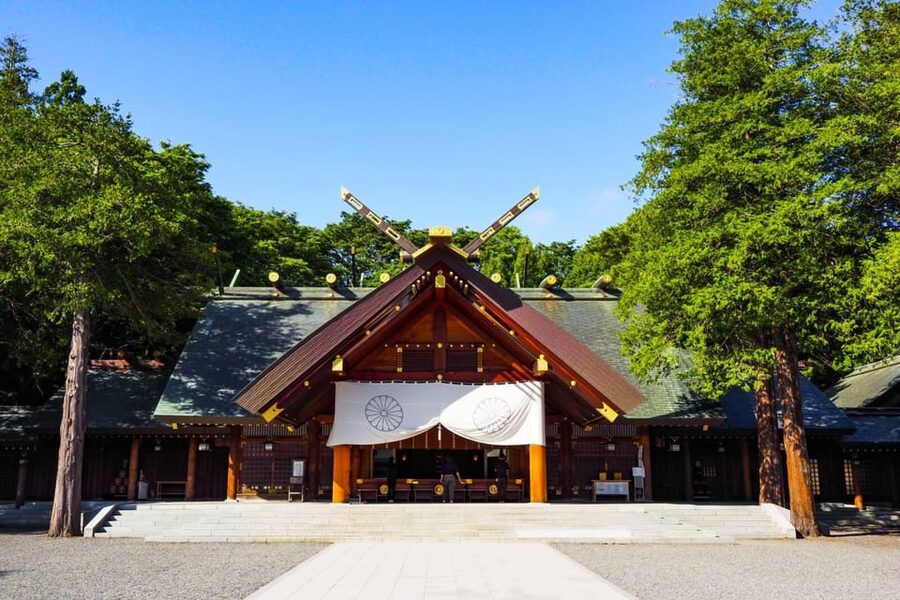
- Hokkaido Shrine and Maruyama Park: Walk through a large park and learn how to approach and use a Shinto shrine respectfully.
- Seafood chosen at the market: Pick from crab, sea urchin, salmon, scallops, oysters, tuna, and other local catches, then eat your selection raw or grilled.
- Shiroi Koibito factory visit: Watch sweets being made by hand and along factory conveyor belts.
- Hands-on chocolate activity: Taste chocolate and decorate your own Shiroi Koibito cookie.
- Simple city logistics: Meet at Sapporo Station at 9 a.m., with transport and attraction admission included.
- A weather-sensitive day: Bring water, sun protection, and rain gear. Winter snow and ice require careful walking.
Three sides of Sapporo in one 8.5-hour day
This tour links three very different parts of Sapporo. At Hokkaido Shrine, you get a calm introduction to Shinto and Hokkaido’s religious traditions. At the Central Wholesale Market, the focus shifts to the seafood that defines much of the region’s food culture. At Shiroi Koibito Park, you finish with sweets, factory viewing, and a hands-on activity.
That variety is the main reason to consider it. You are not spending the whole day on one narrow theme. Instead, the day gives you a basic feel for how Sapporo works as a city: broad green spaces, a serious food trade, and a polished confectionery industry.
The tradeoff is pace. With a 9 a.m. meeting time and 510 minutes in total, you should expect a structured day rather than long free periods at each stop. If you have only one full day in Sapporo, this format saves planning time. If you have several days, you may prefer to visit some of these places independently and linger longer.
Our other Sapporo reviews may also help you decide


Meeting at Sapporo Station without confusion
The meeting point is in front of MYOMU, the circular white stone structure near Sapporo Station’s South Exits. After leaving the main JR gates, turn left and walk a short distance toward the south side of the station. Your guide will be wearing a Snow Monkey Resorts tour tag.
I would arrive a little early. Sapporo Station is large, and the instruction to use the main JR gates matters. If you come through another exit, you may need extra time to get your bearings. The required meeting time is 9 a.m., so check the route before leaving your hotel.
Transportation from Sapporo Station to the listed stops is included. That matters because the day covers several separate attractions, and arranging each transfer yourself would add time and small decisions. Lunch is not included, so keep money available for the market meal.
The tour is conducted in English. The provider, Machinovate Japan Ltd., has a stated rating of 4.9. No individual guide names are provided, so you should not book this expecting a particular named guide.
Hokkaido Shrine and the wide paths of Maruyama Park
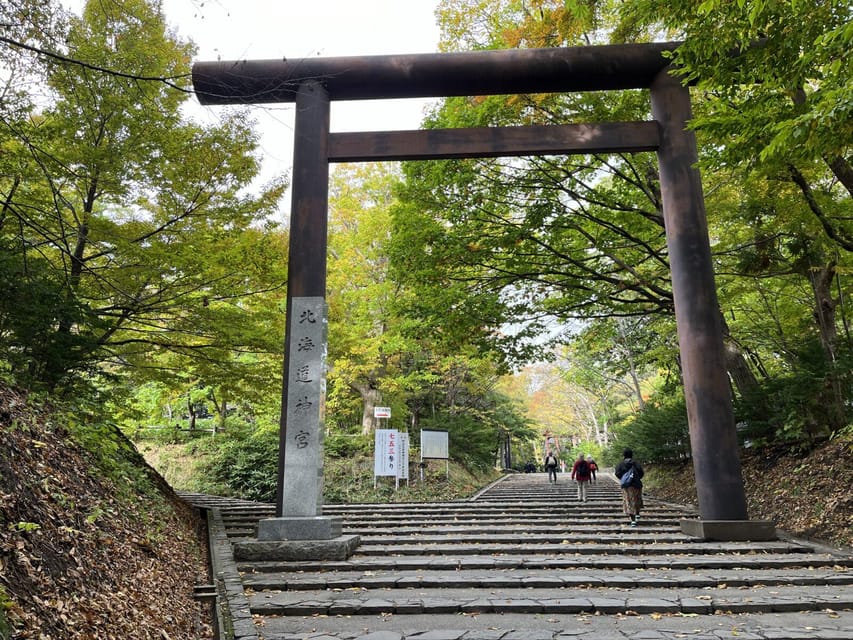
The morning begins at Hokkaido Shrine, a major Shinto site dedicated to deities associated with Hokkaido. The setting is part of the appeal. The shrine sits beside Maruyama Park, which covers about 70 hectares and gives the visit room to breathe.
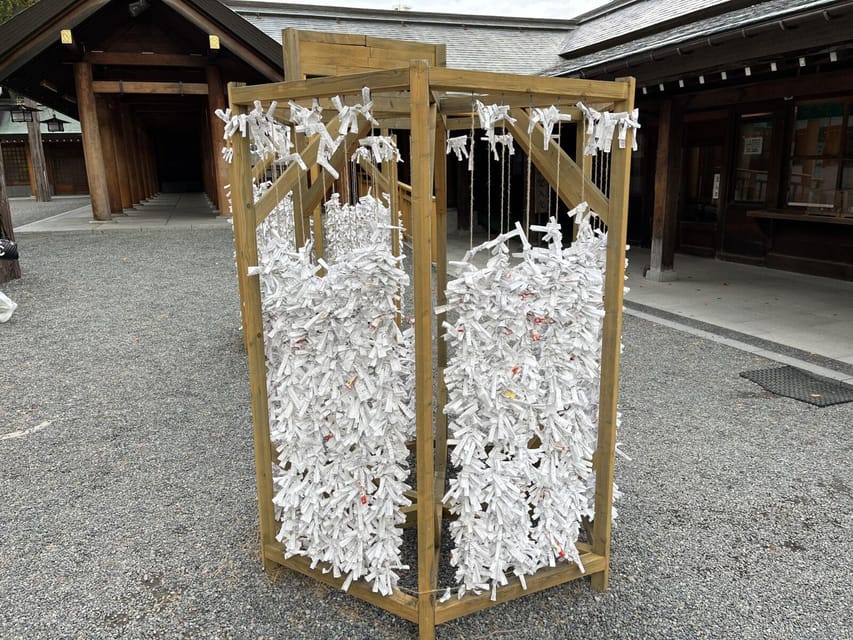
Your guide explains the shrine’s history, the deities connected with Hokkaido, and the basic etiquette for a visit. That guidance is useful because Shinto customs are easy to observe incorrectly when you are unfamiliar with them. You will learn how to take part in a traditional shrine ritual rather than simply looking at the buildings and moving on.
The ritual element gives this stop more purpose than a quick photo visit. You are not just being shown a landmark. You are being shown how people approach a sacred place, what behavior is suitable, and why the setting matters.
Expect walking here. Comfortable shoes are important, and the weather can change the feel of the visit. In winter, snow and ice may cover the ground, so shoes with a secure grip and careful footing are sensible. In warmer months, a hat, sunscreen, and water will make the park walk easier.
The shrine is the quieter portion of the day. That is a good thing, especially before the market. Still, anyone hoping for a long, private stroll should note that the visit is part of a guided schedule. You will have an introduction to the site, not unlimited time to explore every path.
The Central Wholesale Market, where lunch becomes the main event
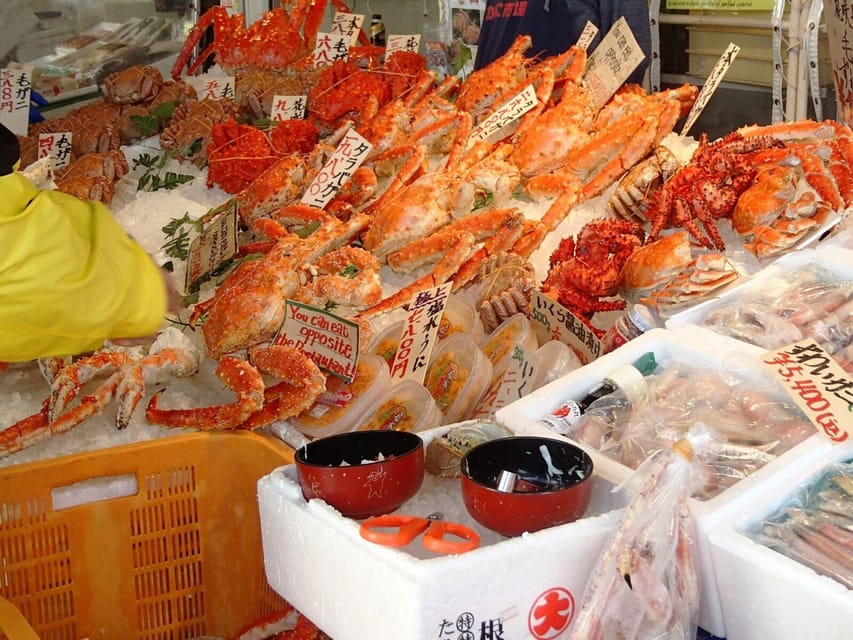
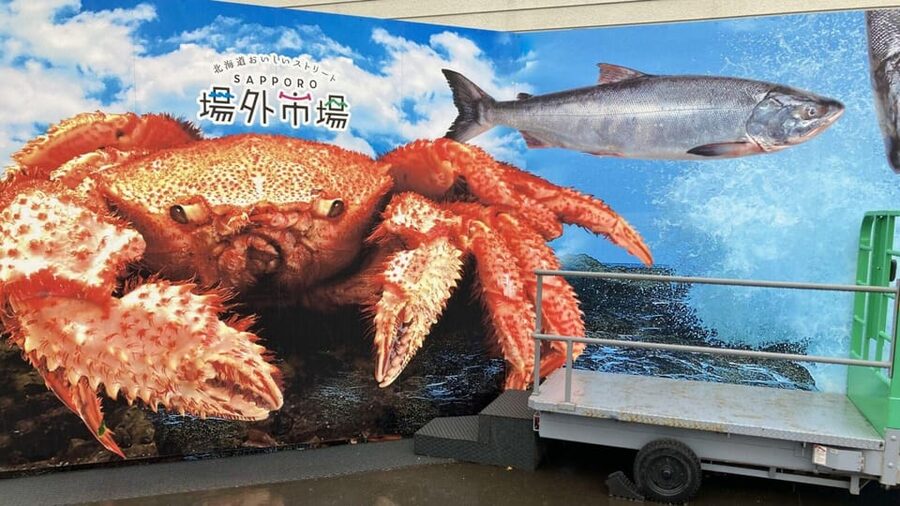
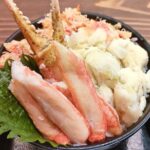
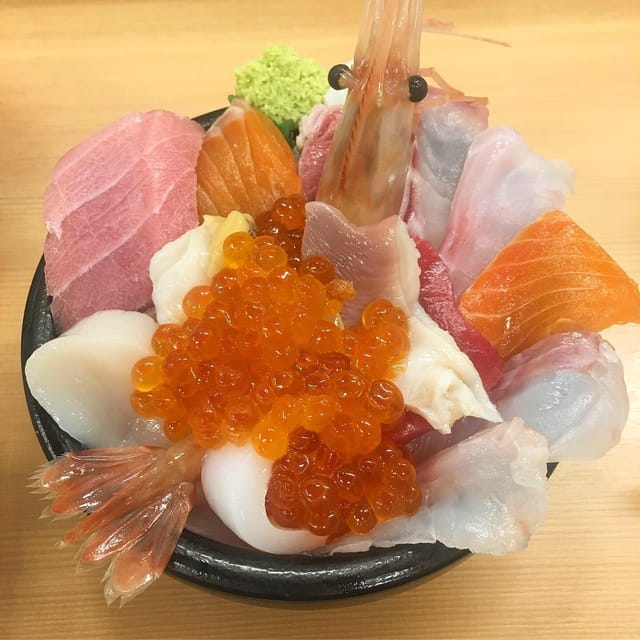
The next stop changes the tone completely. The Central Wholesale Market has about 80 stores and restaurants, with seafood as its main draw. You might find snow crab, king crab, sea urchin, salmon, scallops, oysters, and bluefin tuna.
The best feature is the choice. Rather than receiving one fixed seafood dish, you select seafood at the market and eat it raw or grilled. This lets you control the meal to some extent and makes the stop feel connected to the market itself.
That freedom also means the final cost of lunch can vary. Lunch is not included in the $153 tour price, and the supplied details do not give a set meal allowance or fixed seafood menu. Ask about prices before ordering, especially if you are selecting premium crab, tuna, or sea urchin.
The market is valuable even if you are not a serious seafood fan. You can see the range of products that shape Hokkaido dining, then decide how adventurous you want to be. If raw seafood is not for you, grilled options are available. If you have food allergies, however, this tour is listed as unsuitable for people with food allergies. The market’s many seafood choices do not make it a safe choice for anyone who needs tightly controlled ingredients.
I would treat lunch as both a meal and a chance to make a personal choice within the day. You may want a small tasting of something unfamiliar, or you may prefer a familiar grilled item. Either approach works, but budget separately for it.
Shiroi Koibito Park turns sweets into a factory visit
After lunch, the tour heads to Shiroi Koibito Confectionery Theme Park. The attraction combines a confectionery factory with displays and activities, so it is more than a shop stop.
You can watch sweets being made by hand and on conveyor belts. The factory view gives you a look at both the craft side and the organized production side of candy making. That mix is likely to appeal to families, food lovers, and anyone curious about how a famous packaged sweet reaches the box.
The visit also includes a chocolate tasting session. Tasting is a small part of the day, but it gives the stop a clear sensory focus after the more observational shrine and market visits.
The most personal activity is decorating your own Shiroi Koibito cookie. This is a good reason to choose the guided day over a simple exterior visit. You leave with something you worked on, rather than only photographs or a purchased souvenir.
You can also purchase a Shiroi Koibito cookie tin with your own photo on it. The personalized tin is an optional shopping expense, not part of the stated tour price. If you want one, have a suitable photo ready on your phone or camera, though the exact preparation process is not specified.
Flash photography is not allowed, and the general information asks you to bring a camera. You can still take photographs where permitted, but follow the guide’s instructions inside the factory and park.
You can also read our reviews of more shopping tours in Sapporo



Is $153 a fair price for this Sapporo day?
At $153 per person, this is not the cheapest way to see the three stops. The value comes from the package of transport, an English-speaking guide, and admission tickets to the listed attractions. You also get guided shrine instruction, market assistance, chocolate tasting, and cookie decorating.
Lunch is the main extra expense. The seafood market gives you choice, but it also makes the final food cost less predictable. Add your meal and any personalized cookie tin or other purchases when setting your daily budget.
I see the price as reasonable for someone who wants a planned English-language day and does not want to manage several transfers. It is less compelling for an independent visitor who is comfortable using local transport, already knows shrine etiquette, and mainly wants to browse the market or buy sweets.
The tour also saves research time. You do not need to decide how to combine the shrine, market, and confectionery park, or work out the order yourself. That convenience has real value during a short stay.
Still, this is a full day with a fixed structure. You are paying for breadth and guidance rather than a slow, highly personal visit at one location.
What to wear and carry through the seasons
Sapporo’s weather can affect every part of this outing. Check the forecast before heading to the meeting point and carry an umbrella or raincoat if needed. The tour involves outdoor walking at the shrine and in Maruyama Park, plus movement between several stops.
Bring:
- Comfortable shoes
- A hat
- Sunscreen
- Water
- A camera
- Seasonal clothing
- Rain protection when the forecast calls for it
Winter deserves special attention. Snow and ice can cover the ground, especially around outdoor paths, so walk carefully. Warm clothing is essential, but so is footwear that gives you a steady step.
Smoking is not allowed during the activity. Flash photography is also prohibited. If taking pictures is important to you, expect to follow site rules rather than photograph freely in every area.
The tour information presents a contradiction about mobility: it says the activity is wheelchair accessible, but it also lists wheelchair users as not suitable. Because the schedule includes shrine and park walking, you should confirm current access conditions with the provider before booking if you use a wheelchair or have limited mobility.
Who will get the most from this experience?
I would recommend this tour to a first-time Sapporo visitor who wants three distinct experiences in one day. It suits you particularly well if you prefer an English-speaking guide to explain customs and handle the movement between locations.
Families may like the change of pace, especially the factory viewing and cookie decorating. The market also gives each person some choice, although parents should plan for the extra lunch cost and consider the suitability of raw seafood.
Food-focused visitors will appreciate the Central Wholesale Market, especially if crab, sea urchin, oysters, scallops, salmon, or tuna are high on your list. You should be comfortable making a meal choice and paying for it separately.
The tour is not a good match if you have food allergies, want a slow morning at one shrine, or dislike a long scheduled day. It is also a poor fit if you expect a fully accessible outing without first clarifying the conflicting mobility information.
Should you book this Sapporo tour?
Book it if you want an efficient introduction to Sapporo, enjoy seafood and sweets, and value an English-speaking guide. The strongest parts are the shrine etiquette lesson, the freedom to select market seafood, and the hands-on cookie activity at Shiroi Koibito Park.
Skip it if $153 feels high before lunch, or if you would rather explore each stop at your own speed. Also think twice if food allergies, winter walking, or mobility concerns apply to you.
For the right person, this is a useful first full day in Sapporo. It gives you sacred spaces, local food, and a distinctly Japanese confectionery experience without asking you to plan the connections yourself.
FAQ
How long does the tour last?
The activity lasts 510 minutes, or about 8.5 hours.
Where do I meet the guide?
Meet at 9 a.m. in front of MYOMU, the circular white stone structure near the South Exits of Sapporo Station. After leaving the main JR gates, turn left and walk a short distance toward the south side of the station.
Is transportation included?
Transportation from Sapporo Station to the listed destinations and activities is included as stated in the tour details.
Is lunch included in the price?
No. Lunch is not included. You choose and pay for your seafood at the Central Wholesale Market.
What seafood can I find at the market?
The market may offer snow crab, king crab, sea urchin, salmon, scallops, oysters, bluefin tuna, and other seafood. You can eat your selection raw or grilled.
Is the tour conducted in English?
Yes. The tour includes a live English-speaking guide.
Can I cancel for a full refund?
Yes. You can cancel up to 24 hours in advance for a full refund. The reserve-now, pay-later option is also available.
More Shopping Tours in Sapporo
More Tour Reviews in Sapporo


More Seafood & Market Tours in Sapporo
Other Sapporo tours worth your shortlist


Seafood & Market Tours, side by side.
 ★ 4.8Authentic Sapporo: Nijo Market Seafood Lunch & History TourFrom $6120 reviews
 ★ 5.0Authentic Sapporo: Nijo Market Seafood Lunch & Local History TourFrom $63.2013 reviews
 ★ 5.0Hokkaido Seafood Sushi Rolls Experience with Matcha, in SapporoFrom $97.554 reviews
 ★ 5.0Morning Market Tour with Seafood Tasting OptionsFrom $1251 reviews
The lists this tour appears in