
Sapporo’s best-known sweet, a crisp biscuit filled with white chocolate, shares this day with a Shinto shrine and one of the city’s most tempting food markets. The mix gives you a quick look at Hokkaido’s spiritual traditions, local shopping, and confectionery culture.
In This Article
- Five things to know before you book
- A full day built around three sides of Sapporo
- Hokkaido Shrine: a quiet start in Maruyama Park
- Central Wholesale Market: choose your seafood, then eat it
- Shiroi Koibito Park: factory viewing and a sweet finale
- What the $161.74 price really covers
- Who will get the most from this Sapporo day
- Practical details that affect the day
- Should you book this Sapporo tour?
- FAQ
- How long does the Sapporo tour last?
- What attractions are included?
- Is lunch included?
- Are Shiroi Koibito Park activities included?
- How many people can join the tour?
- Where does the tour start and finish?
I like the chance to pull a written fortune and choose an omamori at Hokkaido Shrine, then have a guide explain unfamiliar fish at the market. I also like that the guide can point you toward a reasonably priced seafood lunch instead of leaving you to guess among dozens of stalls. The drawback is the price: at $161.74 per person, lunch and several park activities cost extra.
Five things to know before you book

- Hokkaido Shrine sits in 70 hectares of Maruyama Park, giving the morning a calm, wooded setting in every season.
- The Central Wholesale Market has more than 80 shops and restaurants, with crab, sea urchin, salmon, scallops, oysters, tuna, fruit, and vegetables.
- Your guide can translate fish names and help with lunch, a real advantage if Japanese menus are unfamiliar.
- Shiroi Koibito Park includes factory viewing and chocolate tasting, with optional cookie decorating and personalized tins at extra cost.
- The day lasts about 8 hours 30 minutes, begins at 9 a.m. near Sapporo Station, and returns to the same meeting point.
A full day built around three sides of Sapporo

This is not a single-theme outing. It links three very different places, so you move from quiet shrine grounds to a practical food market and then to a polished confectionery attraction. That variety is the main reason to consider it.
The order also makes sense. You start with Hokkaido Shrine, where the pace is slow and reflective. You then spend late morning at the market, when lunch choices are on your mind. The final stop is Shiroi Koibito Park, a lighter and more playful finish.
The tour uses transportation from Sapporo Station to each listed stop, and the group can include up to 15 people. That is small enough for a guide to answer questions, though it is not a private tour. You meet at 9 a.m. at Sapporo Station in the Kita 6 Jonishi area and finish back there.
An English-speaking guide leads the day. Scott is specifically named in the available tour information, and his approach with a family included adjusting the pace and engaging children aged six and ten, especially in snowy, cold conditions. If Scott leads your departure, families may appreciate that flexible style, though guides can vary.
Our other Sapporo reviews may also help you decide


Hokkaido Shrine: a quiet start in Maruyama Park
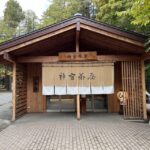
Hokkaido Shrine was built in 1869 by order of the emperor, during the early development of Hokkaido. It was created to support the island’s settlers and is dedicated to Shinto deities connected with Hokkaido.
You will spend about 2 hours 30 minutes here, including time in the surrounding 70-hectare Maruyama Park. The setting changes with the season, but the important point is that this is not a shrine squeezed into a busy commercial street. The park gives you room to slow down before the food-focused parts of the day.
Your guide can explain the basic role of Shinto shrine customs as you walk. Keep your expectations sensible: this is an introduction rather than a long religious study. The tour description highlights an opportunity to draw a fortune, a strip of paper with a written message, from a box. You can also choose an omamori, a small protective amulet.
The amulets cover practical hopes such as safe travel, recovery from illness, safe childbirth, and success in school or work. Buying one is optional, but it gives you a personal souvenir tied to the visit rather than a generic gift-shop item.
The shrine is the most culturally grounded stop of the day, but it may feel brief if you want detailed Japanese religious context. Much of the time is also spent walking and taking in the park. Wear shoes you can walk in, and dress for the season, particularly in winter when snow and cold can make outdoor time harder for young children.
Central Wholesale Market: choose your seafood, then eat it

The market portion lasts about 2 hours 50 minutes, making it the longest stop. Sapporo Central Wholesale Market Jogai Market has more than 80 shops and restaurants along the street. It serves local food shoppers as well as people looking for a seafood meal, so it is more useful than a market designed only for sightseeing.
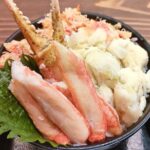
The selection is the main attraction. Depending on the season, you might see snow crab, king crab, sea urchin, salmon, scallops, oysters, bluefin tuna, fresh fruit, and vegetables. The information provided stresses seasonal food at reasonable prices, but your final bill will depend on what you order and how much seafood you choose.
One strong feature is the ability to select seafood and have it eaten raw or grilled. That gives you control over the meal and lets you compare a simple market purchase with a prepared dish at a restaurant. You should treat lunch as a separate expense, since it is not included.
This is where the guide adds practical value. Fish names can be hard to match with English descriptions, and a guide can translate them, explain what you are seeing, and direct you to a reasonably priced lunch away from the most obvious choices. That help may save time and prevent an expensive mistake.
The market is not only about eating. Fresh fruit and vegetables make it useful for seeing what people in Sapporo buy for everyday meals. If you are staying in an apartment or planning a picnic, you might find something worth taking with you, though the tour does not promise special shopping time or baggage arrangements.
Allow yourself a little discipline here. With nearly three hours, it is easy to spend too much time sampling food and too little time seeing the market. If seafood is not your priority, tell your guide early so the stop can work better for you. The market may be the least appealing section for anyone with allergies, a limited diet, or little interest in raw fish.
Shiroi Koibito Park: factory viewing and a sweet finale

After lunch, you spend about 2 hours 50 minutes at Shiroi Koibito Park. This is a confectionery theme park built around the sweet Sapporo is famous for: a chocolate filling between two langue de chat biscuits.
The visit begins on the third floor, where you watch the sweets being made by hand and on conveyor belts. The process runs from baking through packaging, so you get more than a quick look at finished products. For children, the moving machinery and visible production steps may be the most entertaining part of the day.
Chocolate tasting is included, as is admission to the park’s attractions. The tour description also includes the opportunity to decorate your own Shiroi Koibito cookie, but that activity costs extra. Confirm the current fee and timing with your guide before committing, especially if you are traveling with children who may want to do every activity.
You can also buy a cookie tin holding either 36 or 54 cookies. Each tin can come with your personalized photo on it, and fees apply. This is a fun souvenir choice for families or anyone who wants a gift that feels specific to the day, but it is not part of the base price.
The park is a very different experience from the shrine and market. It is designed, polished, and focused on a single brand. That can feel less local than the wholesale market, but it also makes the stop easy to enjoy, particularly if you like sweets, factory visits, or hands-on activities.
The allotted time is generous. You can watch production, taste chocolate, consider a tin, and take part in activities without treating the entire stop as a rushed photo opportunity. On the other hand, anyone who dislikes commercial attractions may find nearly three hours too long. The park is the part of the day most likely to divide opinions.
What the $161.74 price really covers

At $161.74 per person, this is not a budget sightseeing bus. The cost makes more sense if you value an English-speaking guide, transportation between all three stops, and admission to the listed attractions.
The price includes the guide, transport from Sapporo Station to each destination, and entry tickets for the attractions on the schedule. It does not include lunch, accommodation, the personalized cookie tin, or cookie decorating. Those optional extras can raise the day’s total, so budget with that in mind.
I see the strongest value in the market guidance and the easy connection between far-apart parts of the city. If you already know Sapporo well, can read Japanese menus, and are comfortable arranging local transport, you may prefer to visit each place yourself. If you have only one full day and want someone else to handle the route, the package becomes more useful.
A group cap of 15 people is another factor. It should allow more conversation than a large coach tour, but you should not expect the freedom or pace of a private guide. The tour is best for people who enjoy a set plan and want several different experiences in one day.
You can also read our reviews of more shopping tours in Sapporo




Who will get the most from this Sapporo day

Families are a natural fit. The shrine offers a fortune and amulets, the market brings plenty of visual interest, and the confectionery park adds tasting and optional decorating. The guide’s reported flexibility with two children, aged six and ten, is encouraging for parents, though the day remains long at 8.5 hours.
Food-focused visitors should also consider it. The market gives you access to seafood that may be difficult to identify or order without help. Just remember that the tour does not pay for lunch, and the most attractive dishes can quickly add up.
This day also suits first-time visitors who want more than city-center shopping. You see a major religious site, a local food market, and a famous Sapporo product without having to piece together the route yourself.
It is less suitable if you want a slow, deeply focused shrine visit, a long independent market session, or a full day devoted to sweets. Each stop has a different mood, and the schedule asks you to accept the guide’s timing.
Practical details that affect the day

The tour starts at 9 a.m. and ends back at the Sapporo Station meeting point. A mobile ticket is provided, and confirmation is received at booking. The meeting location is listed around 3 Chome to 4 Chome Kita 6 Jonishi, Kita Ward, Sapporo.
The activity is near public transportation, but the organized transport between stops is included. Most people can participate according to the provided information. Because the day includes outdoor shrine grounds and walking through a market, seasonal clothing and comfortable footwear are sensible choices.
The tour offers free cancellation if you cancel at least 24 hours before the local start time. Cancellations or changes made inside that window are not refunded or accepted. That policy is fairly flexible, but the cutoff matters if weather or illness affects your plans.
Should you book this Sapporo tour?

Book it if you want one guided day that combines Shinto culture, fresh seafood, and Sapporo’s signature cookie. The guide support at the market is particularly useful, and the small maximum group size keeps the format more personal than a large bus excursion.
Think twice if $161.74 feels high before lunch and optional activities. Independent visitors can reach the shrine, market, and park on their own, and the confectionery stop may take more time than you need.
For families, first-time visitors, and food lovers who prefer a planned route, this is a well-balanced choice. For independent shoppers or serious shrine students, it may feel too structured. The best reason to book is not any one attraction, but the way the guide connects three very different parts of Sapporo in a single day.
FAQ
How long does the Sapporo tour last?
The tour lasts approximately 8 hours 30 minutes. It starts at 9 a.m. and ends back at the meeting point near Sapporo Station.
What attractions are included?
The tour visits Hokkaido Shrine, Sapporo Central Wholesale Market Jogai Market, and Shiroi Koibito Park. Admission tickets to the listed attractions and sightseeing stops are included.
Is lunch included?
No. Lunch is not included in the tour price. At the market, your guide can recommend a reasonably priced seafood lunch and help translate fish names into English.
Are Shiroi Koibito Park activities included?
Admission to Shiroi Koibito Park and the listed chocolate tasting are included. Cookie decorating and personalized cookie tins cost extra.
How many people can join the tour?
The tour has a maximum group size of 15 people. An English-speaking guide accompanies the group.
Where does the tour start and finish?
The tour starts near Sapporo Station at 3 Chome to 4 Chome Kita 6 Jonishi, Kita Ward, Sapporo. It finishes back at the same meeting point.
More Tours in Sapporo


More Tour Reviews in Sapporo


More Seafood & Market Tours in Sapporo
Other Sapporo tours worth your shortlist






Seafood & Market Tours, side by side.
 ★ 4.8Authentic Sapporo: Nijo Market Seafood Lunch & History TourFrom $6120 reviews
 ★ 5.0Authentic Sapporo: Nijo Market Seafood Lunch & Local History TourFrom $63.2013 reviews
 ★ 5.0Hokkaido Seafood Sushi Rolls Experience with Matcha, in SapporoFrom $97.554 reviews
 ★ 5.0Morning Market Tour with Seafood Tasting OptionsFrom $1251 reviews
The lists this tour appears in