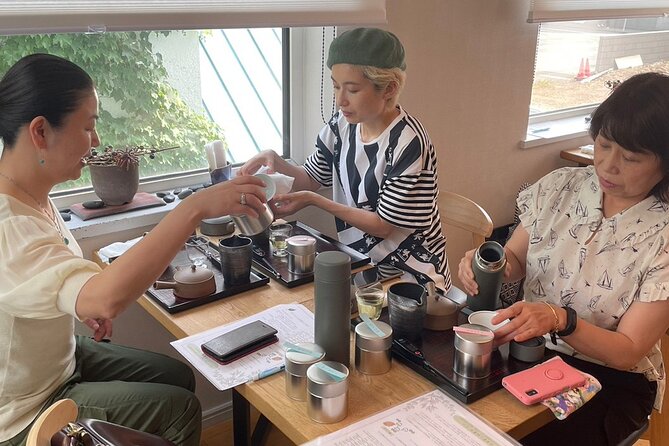
The clever part of this Sapporo class is that one tea can taste like several different drinks. You begin with lukewarm water for the tea’s original flavor, use ice and a wine glass to draw out sweetness and aroma, then add hot water to bring forward bitterness and astringency. The cup, temperature, and timing all matter.
In This Article
- Key Points at a Glance
- Three Cups, Three Very Different Teas
- What the 90-Minute Class Feels Like
- Learning to Taste Temperature and Timing
- Why the Wine Glass Matters
- Seasonal Wagashi with Japanese Tea
- Health Context Without Overpromising
- The Price: Good Value for the Right Kind of Visitor
- Location and Morning Planning in Sapporo
- Who Should Book This Class
- Practical Details Before You Book
- Should You Book the Japanese Tea Making Class?
- FAQ
- Where does the Japanese Tea Making Class take place?
- What time does the class start?
- How long does the experience last?
- Is the activity private?
- What brewing methods are included?
- Are Japanese sweets included?
- Is transportation included?
- Can I cancel for a full refund?
I like the practical format. You do not simply watch a tea ceremony, you brew the tea yourself and compare each result. I also like the seasonal Japanese sweets, or wagashi, which give the bitter and sharp notes of tea a gentle partner. The main consideration is the price: at $78.48 per person for about 90 minutes, this is a focused specialty class rather than a cheap snack stop.
Key Points at a Glance
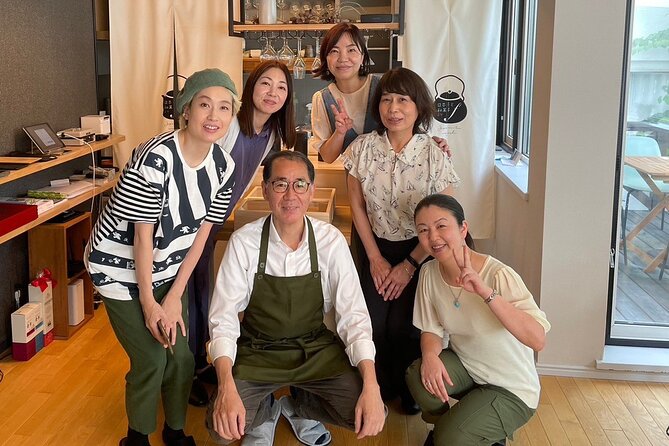
- Three brewing styles: Taste Japanese tea with lukewarm water, ice and water, then hot water.
- A surprising glass change: Cold tea is served in a wine glass to highlight aroma and sweetness.
- Hands-on instruction: You practice each step instead of only listening to an explanation.
- Seasonal wagashi: Japanese sweets are paired with the tea’s bitterness and astringency.
- Private format: Only your own group takes part in the activity.
- Useful take-home advice: Brewing temperatures and times are explained in a way you can repeat at home.
Three Cups, Three Very Different Teas
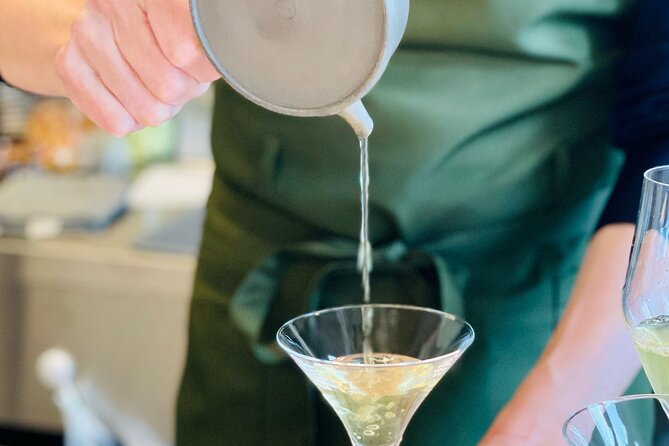
This class is built around a simple lesson: Japanese tea is not fixed in taste. Change the water temperature or brewing time, and the same leaves can produce a different drink.
The first cup uses lukewarm water. This slower, gentler approach lets you notice the tea’s original flavor without immediately pulling out its strongest bitter notes. For you, this is the best place to start because it sets a calm baseline for the rest of the tasting.
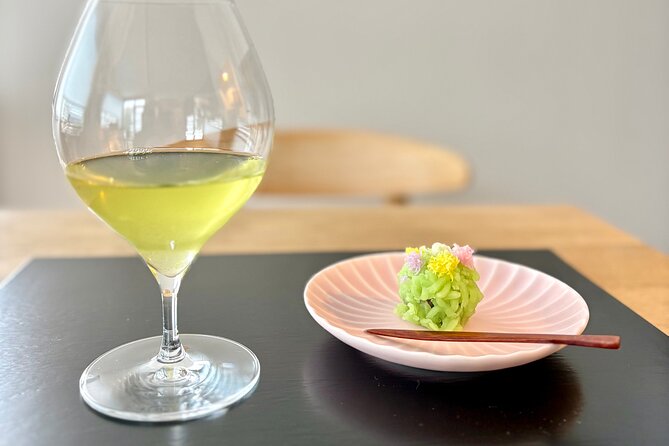
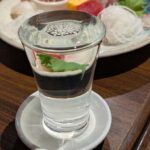
The second cup uses ice and water in a wine glass. That serving choice is not just decorative. A wine glass gives the aroma room to collect near the rim, while the cold brewing method brings out sweetness and a softer character. If you usually drink tea from a standard mug, this is likely to be the most unexpected part of the class.
The third cup uses hot water. Heat draws out more bitterness and astringency, giving you a stronger, more familiar Japanese tea profile. The contrast between the first and third cups makes the lesson easy to understand. You can taste the difference rather than trying to remember a technical explanation.
The class also helps you see why brewing advice matters at home. A good tea can taste flat, harsh, sweet, or fragrant depending on how you handle it. The experience gives you a simple method for making adjustments instead of treating tea preparation as a rigid ritual.
Our other Sapporo reviews may also help you decide


What the 90-Minute Class Feels Like
The activity begins at 10:00 am at 日本茶と和菓子 エフ, located at 25-chōme-2-12 Ōdōrinishi in Sapporo’s Chuo Ward, near Maruyama Park. It ends at the same meeting point, so you do not need to arrange a separate return transfer.
The format is private, with only your group participating. That matters in a short class. You can focus on your own cup, ask questions, and compare the results without trying to follow a demonstration from the back of a large room.
Instruction covers the basics of Japanese tea, including tea types, manufacturing methods, brewing temperatures, and timing. The class is designed for beginners, so you do not need prior knowledge of tea preparation. You will work through the process step by step, tasting as you go.
The supplied material is not only theory. You practice brewing and compare the results. This makes the 90-minute length useful: long enough to understand the method, but short enough to fit neatly into a morning in Sapporo.
Learning to Taste Temperature and Timing
Many tea experiences focus on ceremony, presentation, or cultural explanation. This one puts more weight on taste. You learn how water temperature changes what comes out of the leaves.
Lukewarm water helps show the tea’s underlying flavor. Ice and water emphasize fragrance and sweetness. Hot water brings out more bitterness and astringency. None of these cups is automatically the correct one. The point is to understand what each method does, then choose the style you prefer.
That approach is especially useful if you want to continue drinking Japanese tea after your visit. You can use less heat when you want a gentler and sweeter cup, then raise the temperature when you prefer more force and bite.
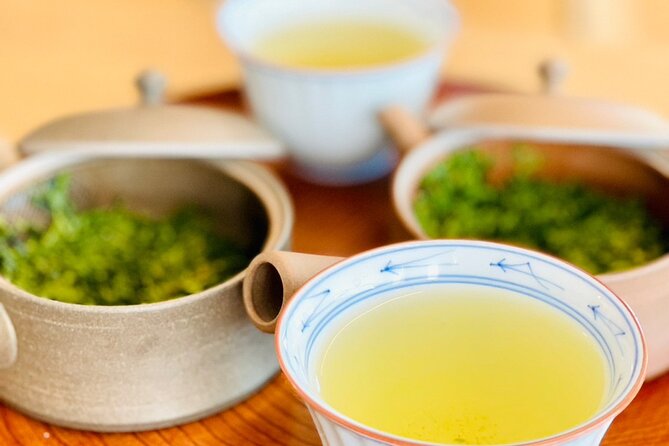
The class also uses two kinds of tea, according to the course details shared by the provider. Comparing different teas adds another layer to the lesson. You see that brewing technique matters, but the tea itself matters too.
A written summary of temperature and brewing time is provided. That is one of the most useful details for home practice. You do not have to rely on memory after the class, and you can refer back to the suggested method when preparing tea in your own kitchen.
Why the Wine Glass Matters
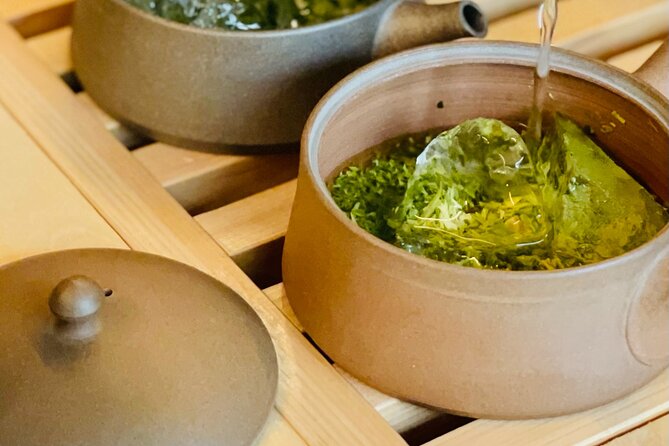
The cold-brewed tea served in a wine glass is the class’s most memorable presentation. Hot Japanese tea is traditionally associated with a ceramic teacup, which keeps the experience grounded in familiar Japanese tableware.
Cold tea in a wine glass changes the way you approach the drink. You can pay more attention to the aroma before tasting, and the cold preparation highlights sweetness. It also makes clear that tea does not need to be served hot to be expressive.
This is not a replacement for the ceramic cup. The two vessels create different expectations and emphasize different qualities. The warm cup suits a more direct, comforting drink, while the wine glass encourages you to notice fragrance and lighter flavors.
If you are interested in food and drink details, this part alone adds value. You leave with a practical idea you can try at home: serve a carefully brewed cold tea in a wine glass and see how the aroma changes.
Seasonal Wagashi with Japanese Tea
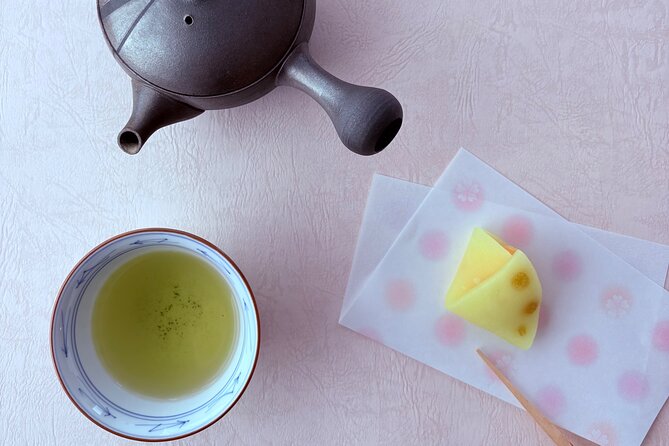
Japanese sweets, known as wagashi, are included with the tea. The pairing is not an afterthought. Sweetness helps balance the bitter and astringent notes that become stronger when tea is brewed with hot water.
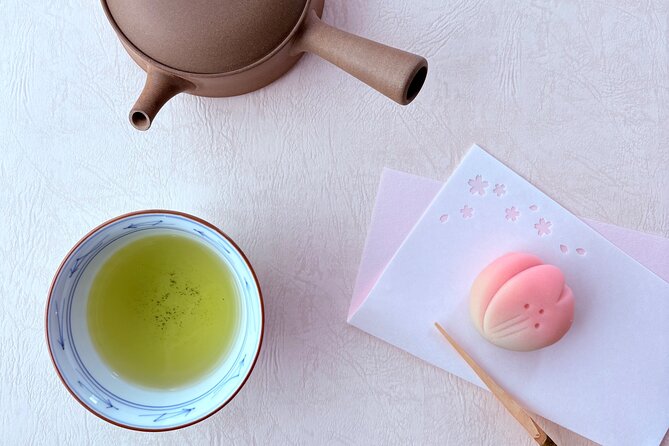
The sweets are seasonal, and their appearance may reflect the time of year. Spring-themed wagashi shaped like flowers are one example of how Japanese confectionery can connect food with the season. You are not only tasting sugar beside tea. You are also seeing how shape and presentation can suggest a particular moment in the Japanese calendar.
Wagashi tend to work well in this setting because they are made to be enjoyed in small portions. The sweet bite prepares your palate for another sip of tea, while the tea keeps the confection from feeling too heavy.
This pairing may appeal to you even if you are less interested in the technical side of brewing. It gives the class a food component and helps explain why bitterness is not always a flaw. In Japanese tea culture, bitterness can be part of a balanced experience when paired with the right sweet.


Health Context Without Overpromising
The class presents Japanese tea within the broader interest in its possible health benefits. Japanese tea contains polyphenols, compounds associated with antioxidant and antibacterial properties. It also contains theanine, an amino acid said to support relaxation.
These points provide useful context, but I would treat them as background rather than the main reason to book. This is a tasting and brewing class, not a medical consultation. The value comes from learning how tea is made and enjoyed, with health discussed as part of the drink’s modern appeal.
Japanese tea exports have grown substantially in recent years, with export volume increasing about 2.5 times over the past decade. That growth reflects wider interest in Japanese tea beyond Japan. A class like this helps explain what makes the drink worth paying attention to, especially when served in several contrasting styles.
The Price: Good Value for the Right Kind of Visitor
The cost is $78.48 per person. For a 90-minute activity, that is not an impulse purchase. You are paying for specialist instruction, several tasting preparations, Japanese sweets, a private setting, and a lesson you can repeat at home.
The price makes the most sense if you care about Japanese food culture, tea, or hands-on activities. You get more than a single cup and a quick explanation. You compare brewing methods, taste two kinds of tea, learn about production and tea types, and receive practical brewing guidance.
It is less suitable if you simply want a quick drink before sightseeing. The class takes a full hour and a half, begins at 10:00 am, and asks you to focus on small changes in flavor. You should book it for the learning experience, not for a large meal or a long city tour.
The private format improves the value for couples, families, or a small group of friends. Only your group participates, so the pace can feel more personal than a public demonstration. Still, the experience is brief, and the included food is seasonal wagashi rather than a full breakfast or lunch.
Location and Morning Planning in Sapporo
The meeting point is near public transportation in Sapporo’s Chuo Ward, close to Maruyama Park. Private transportation is not included, so you need to make your own way to 日本茶と和菓子 エフ.
The 10:00 am start gives you a clear morning plan. After the class ends back at the meeting point, you can continue around the Maruyama area or make your way elsewhere in Sapporo. The provided details do not specify a walking route, transport instructions, or sightseeing stops, so allow enough time to locate the venue before the start.
A mobile ticket is included, which keeps the booking simple. Confirmation is provided at the time of booking. The activity is also private, an important detail if you prefer a quieter setting or want to ask basic questions without feeling self-conscious.
Who Should Book This Class
I would recommend this experience to you if you enjoy understanding why a food or drink tastes the way it does. It suits tea beginners particularly well because the lesson starts with basic brewing and uses direct comparison.
It is also a good match for:
- Couples looking for a calm cultural activity
- Small groups who want a private class
- Visitors interested in Japanese sweets and seasonal food
- Tea drinkers who want reliable brewing temperatures and times
- Anyone seeking a short morning activity near Maruyama Park
You may want to skip it if you dislike unsweetened tea, are looking for a full meal, or prefer a broad sightseeing tour. The experience stays focused on Japanese tea, brewing, aroma, temperature, and wagashi.
Practical Details Before You Book
The activity lasts approximately one hour and 30 minutes. It starts at 10:00 am and finishes at the same location.
The price is $78.48 per person, and snacks in the form of seasonal Japanese sweets are included. Private transportation is not included, so plan your route to the meeting point yourself.
You can cancel for a full refund if you do so at least 24 hours before the local start time. Cancellations made less than 24 hours before the start, along with late changes, are not accepted for a refund.
The booking includes a mobile ticket, and confirmation arrives at the time of booking. Only your group participates, which makes this a more personal activity than a large scheduled class.
Should You Book the Japanese Tea Making Class?
Book this class if you want a practical introduction to Japanese tea rather than a quick ceremonial photo opportunity. The three-cup progression is clear, memorable, and useful: lukewarm water for original flavor, ice and a wine glass for aroma and sweetness, and hot water for bitterness and astringency.
The seasonal wagashi, two tea types, private format, and home brewing notes strengthen the experience. At $78.48, it is best seen as a specialist food and culture class. If that sounds like your kind of morning in Sapporo, the focused instruction and hands-on tasting make the price reasonable.
FAQ
Where does the Japanese Tea Making Class take place?
The class begins and ends at 日本茶と和菓子 エフ, located at 25-chōme-2-12 Ōdōrinishi, Chuo Ward, Sapporo, Hokkaido 064-0820, Japan.
What time does the class start?
The experience starts at 10:00 am.
How long does the experience last?
The class lasts approximately one hour and 30 minutes.
Is the activity private?
Yes. Only your group participates in the activity.
What brewing methods are included?
You brew tea with lukewarm water, with ice and water in a wine glass, and with hot water. Each method shows a different balance of flavor, aroma, sweetness, bitterness, and astringency.
Are Japanese sweets included?
Yes. Seasonal Japanese sweets, known as wagashi, are included as a pairing with the tea.
Is transportation included?
No. Private transportation is not included. The activity is near public transportation, and you must reach the meeting point yourself.
Can I cancel for a full refund?
Yes. You can receive a full refund if you cancel at least 24 hours before the experience’s local start time. Cancellations or changes made less than 24 hours before the start are not accepted for a refund.
More Workshops & Classes in Sapporo


More Tour Reviews in Sapporo
Other Sapporo tours worth your shortlist






Workshops, side by side.
 ★ 5.0Wagashi traditional japanese sweets classFrom $59.3149 reviews
 ★ 5.02 hours sushi classFrom $20.0840 reviews
 ★ 5.0Private Japanese Cooking Class in Sapporo with Local Chef ShioriFrom $108.0034 reviews
 ★ 5.0Private Market Tour and Cooking Class with Kanae, a Sapporo LocalFrom $82.0029 reviews
The lists this tour appears in