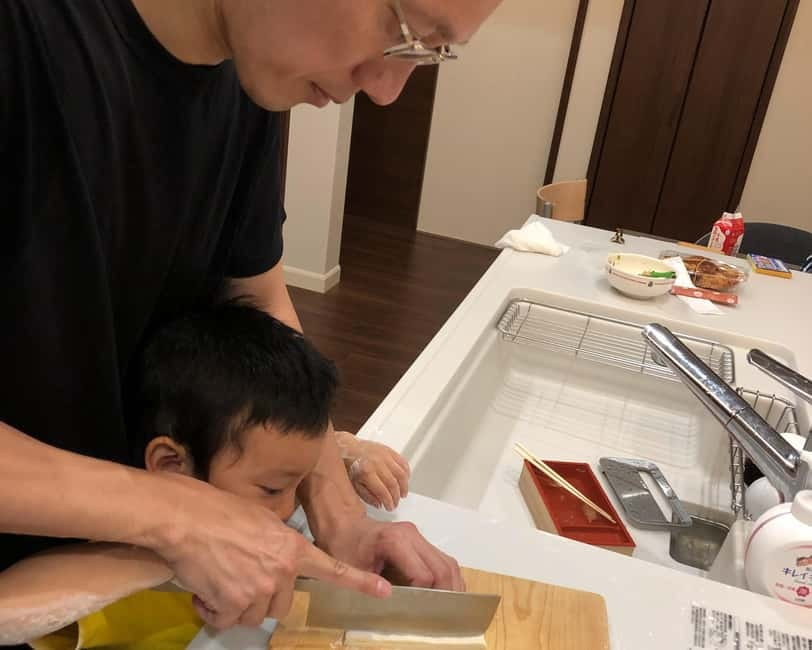
A Japanese bento is more than lunch packed into a box. It is a small lesson in balance, color, texture, and daily family life. In Kushiro, Yuko guides you through making one with meat or fish, including the famous rolled omelet called tamagoyaki.
In This Article
- Key points to know before booking
- Making a Japanese lunch box in Kushiro
- Meeting Yuko at Fisherman’s Wharf MOO
- Learning the balance of a traditional bento
- Tamagoyaki, the skill worth practicing
- Packing the box, then eating what you made
- What $61 includes in real value
- Who will enjoy this class most
- A relaxed way to connect with local life
- Timing, cancellation, and practical details
- Should you book the Kushiro bento class?
- FAQ
- How long does the Kushiro bento cooking class last?
- How much does the activity cost?
- Where is the meeting point?
- Who teaches the class?
- What kind of food will I prepare?
- Is lunch included?
- Can I take the bento with me?
- Are dietary restrictions and allergies accommodated?
- Can I cancel the booking?
I like the hands-on format, since you cook every part of the meal rather than watch a demonstration. I also like the personal scale: the class is limited to one participant, giving you time to ask questions and talk with Yuko in English. The main drawback is clear: this is not suitable for vegetarians or people with food allergies, and special diets are not promised.
Key points to know before booking
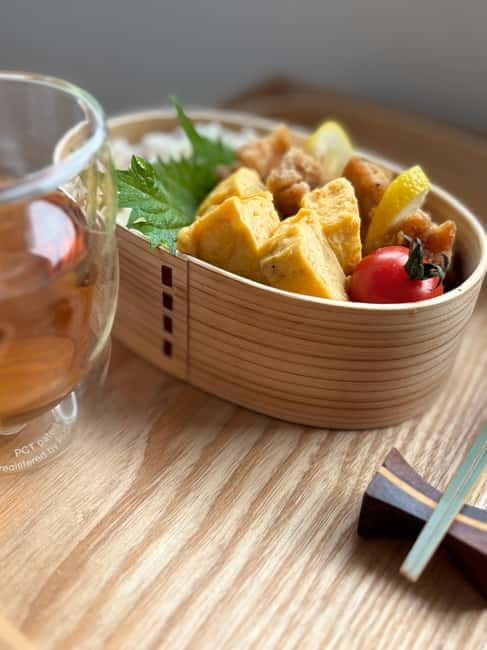
- Tamagoyaki is the star skill: Learn how to make the rolled Japanese omelet that often looks harder than it is.
- A personal class with Yuko: The one-person format allows plenty of conversation and individual help.
- Your lunch is the lesson: Cook, arrange, and eat a complete bento made with meat or fish.
- Kushiro location is easy to find: Meet at the information counter on the ground floor of Kushiro Fisherman’s Wharf MOO.
- Useful take-home extras: You receive recipes, and you may take the finished bento with you if you prefer.
- Two hours and $61: The price includes ingredients, equipment, apron rental, tea or another welcome drink, instruction, and lunch.
Making a Japanese lunch box in Kushiro
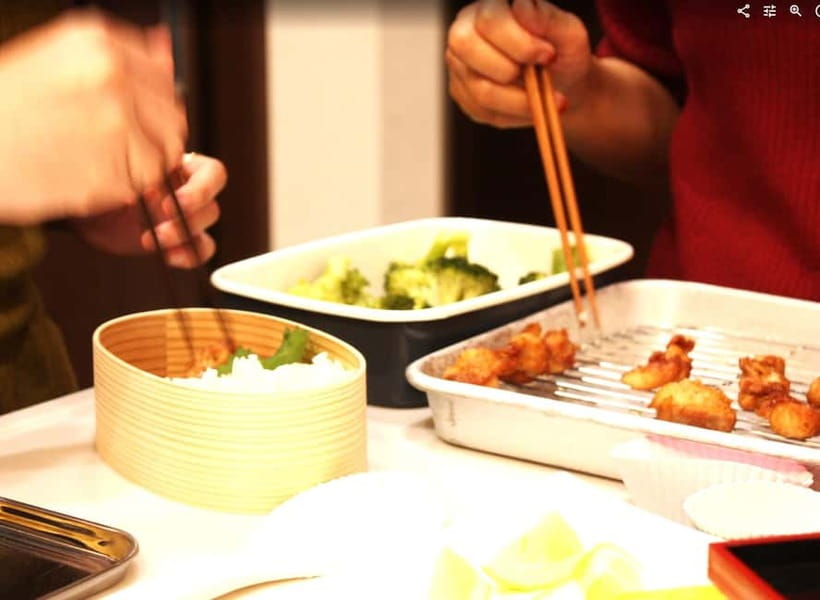
This class gives you a practical look at Japanese home cooking without asking you to commit to a full day of kitchen work. In two hours, you prepare several small dishes, arrange them in a bento box, and sit down to eat what you made.
That structure matters. A bento is not simply a container with food inside. The appeal comes from how separate items work together. You learn to think about a main portion, smaller side dishes, color, and presentation. Even if you never make the exact meal again, the basic idea is useful when you eat at a Japanese supermarket, station, or department store food hall.
The session uses either chicken, pork, or fish as the main protein. The exact choice should be confirmed when you book or before the class, especially if you have preferences. Vegetarians are not suited to this activity, and the same warning applies to people with food allergies.
You will not need to bring cooking equipment. Ingredients and tools are supplied, along with an apron. Wear comfortable clothes that you do not mind wearing in a kitchen. Smoking is not permitted indoors, in a vehicle, or during the activity.
We have reviewed more tours and experiences across Kushiro; these are worth comparing before you book.


Meeting Yuko at Fisherman’s Wharf MOO
The meeting point is the information counter on the ground floor of Kushiro Fisherman’s Wharf MOO. That gives you a straightforward place to begin, but allow enough time to find the counter before the start time. The activity does not include hotel pickup, so you are responsible for reaching MOO yourself.
Kushiro Fisherman’s Wharf MOO is a practical meeting point for a food experience because it connects the class with Kushiro’s waterfront setting and food culture. The activity itself is not described as a market tour or sightseeing walk, so do not book it expecting a guided visit around the wharf. The focus is the kitchen and the meal.
The class is taught in English and Japanese. Yuko’s English is described as very good, which is important here. Cooking instructions depend on small details, particularly when rolling tamagoyaki or deciding how to arrange the box. You can also use the session to ask about ordinary eating habits, family meals, and how bento fits into daily Japanese life.
The one-person group size is unusual and useful. You do not have to keep pace with a large class, and you can ask for a repeated explanation when a technique feels unfamiliar. The tradeoff is that this format may feel less social if you hoped to meet several other people.
Learning the balance of a traditional bento
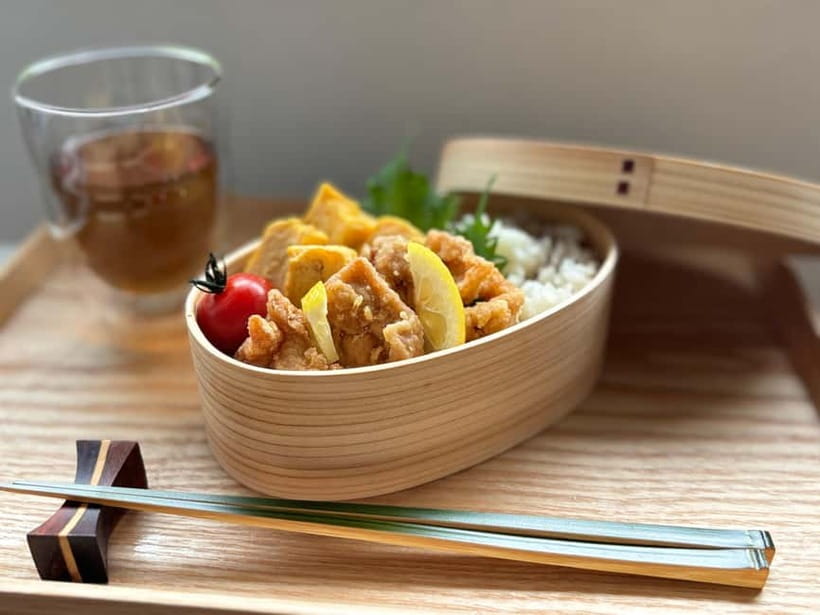
The class teaches you how to build a well-balanced lunch using a main dish and several smaller preparations. The word balanced here means more than nutrition. It also refers to variety in taste, color, shape, and texture.
That is one of the most valuable parts of the experience for a visitor interested in Japanese food. You see why a bento can look carefully planned even when it is made from ordinary home dishes. Small portions let several flavors share one box, rather than placing one large dish at the center of the meal.
You will prepare a range of colorful items with Yuko’s guidance, then pack them into the bento. Since the supplied details do not list every side dish, you should not expect a fixed menu of named recipes beyond the bento format and the meat or fish option. The exact contents may depend on the class plan and available ingredients.
This leaves room for a more personal conversation about food. Ask Yuko how the dishes are commonly served, what makes a bento look attractive, and which recipes are easiest to repeat at home. The recipes provided at the end make those questions more useful, since you can try the techniques again after returning home.
Tamagoyaki, the skill worth practicing
Tamagoyaki is the clearest cooking lesson in this class. It is a Japanese rolled omelet made by cooking thin layers of egg and rolling them together. The finished shape looks precise, but the basic method becomes manageable once you understand the motion.
You receive hands-on instruction rather than simply being shown a finished omelet. That distinction is important. A short demonstration can make tamagoyaki appear effortless, while the real challenge is learning when to add the next layer and how to roll it without breaking the shape.
Yuko can give you corrections suited to your pace. The class information does not promise a formal knife-skills course or a set of advanced Japanese techniques, so I would think of this as an approachable introduction rather than professional culinary training.
Still, tamagoyaki is a good souvenir skill. It uses a familiar ingredient, fits easily into an everyday meal, and gives you a clear marker of progress. You do not need to leave with restaurant-perfect layers for the lesson to be worthwhile.
Packing the box, then eating what you made
After cooking, you arrange the dishes in your bento box. This is where presentation becomes part of the meal. The goal is not to pile everything together, but to place different foods so the box looks appealing and remains practical to eat.
The finished bento is your own creation, and a full homemade lunch is included in the price. You can eat it with Yuko, which gives the class a natural ending. Instead of rushing away after the cooking, you have time to talk about the food and everyday life in Japan.
You may also take the bento with you if that suits your schedule better. This option is helpful if you have another appointment, want to eat later, or prefer to keep the meal for a picnic. The activity does not include extra food or drinks beyond the bento and the welcome tea or drink, so come ready to eat the meal you prepare.
The shared meal is more than a convenient finish. It lets you taste the results while the instructions are still fresh. You can ask why a particular item belongs in the box, compare the flavors, and get a better sense of how the parts are meant to work together.
What $61 includes in real value
At $61 per person, this is not the cheapest way to eat lunch in Kushiro. You could buy a prepared bento for far less. The value comes from combining the meal with private instruction, ingredients, cooking tools, apron rental, recipes, and conversation with a local host.
The one-person setup makes the price easier to understand. You are paying for attention as well as food. If you want to learn a technique, ask about home cooking, or practice English conversation, the session offers more than a standard meal.
The cost also includes all ingredients and the finished lunch, so there should not be a separate charge for the food used in class. Additional food and drinks outside the class are not included. Hotel accommodation and insurance are also excluded, though neither would normally be expected in a two-hour cooking activity.
I would consider the price fair for someone who values a personal cultural activity. If your only goal is to eat a Japanese lunch, buy a bento elsewhere. If you want to learn how the lunch is made and leave with recipes, the calculation is stronger.
Who will enjoy this class most
This is a good choice for you if you like cooking, want direct contact with a local person, or prefer a small activity to a large group tour. It also suits visitors who want something connected to ordinary Japanese life rather than another sightseeing stop.
Families may need to check the booking conditions carefully, since the activity is described as limited to one participant. The supplied information does not explain a minimum age, child pricing, or how additional family members could join. Do not assume the one-person format works for a group booking without asking first.
The class is also suitable for someone who wants English instruction. Japanese is available too. If you need a language other than English or Japanese, an interpreter is not included.
People with dietary needs should contact the provider before reserving. The information specifically says to report allergies or restrictions in advance, but it also says the activity is not suitable for vegetarians or people with food allergies. That is a firm reason to choose another food experience unless the provider confirms that your needs can be met.
The class is wheelchair accessible, which makes the activity easier to consider for visitors with mobility needs. You should still confirm any personal requirements when booking, since general accessibility does not answer every question about the cooking setup.
A relaxed way to connect with local life
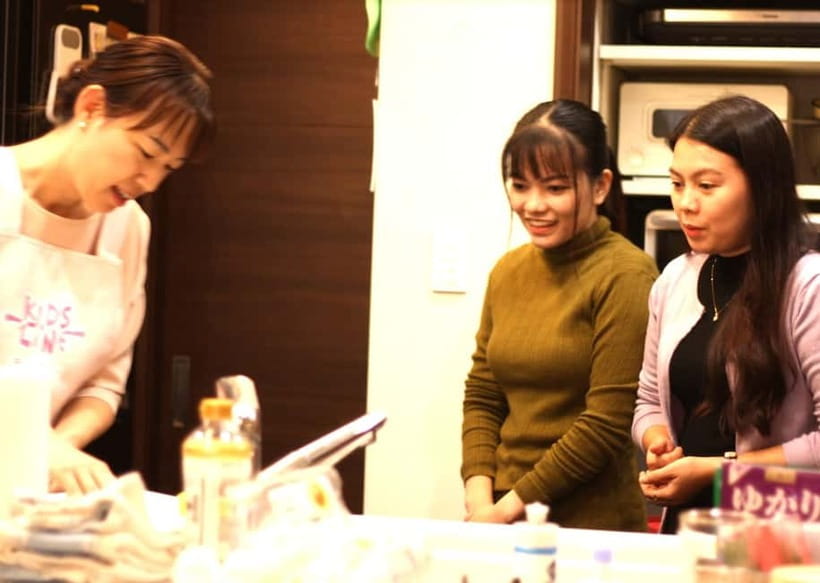
The strongest feature here is not a famous dish or a dramatic setting. It is the chance to spend two hours doing an ordinary food task with a local host. Yuko’s role goes beyond giving recipes. The class creates room for friendly conversation about food and daily life.
That kind of exchange can be more revealing than a formal cultural talk. You learn through the way a meal is prepared, portioned, and packed. You also get a chance to ask the small questions that do not always fit into a museum visit or guided sightseeing tour.
The session appears especially well suited to solo visitors. A private class can feel less awkward than joining a large table, and the food gives you an easy subject for conversation. Yuko is described as open and comfortable speaking English, so you can expect the social part to be central rather than an afterthought.
Keep your expectations sensible. This is a personal cooking lesson, not a broad survey of Hokkaido cuisine. You will learn about bento, home-style preparation, and the meal you make. You will not receive a full culinary tour of Kushiro or a long list of regional restaurants as part of the stated activity.
Timing, cancellation, and practical details
The class lasts two hours, with starting times based on availability. That length is enough for cooking and eating without taking over your day. It also makes the experience easy to fit around other plans in Kushiro.
Free cancellation is available up to 24 hours in advance for a full refund. You can also reserve now and pay later, which helps if your Hokkaido schedule is still shifting.
Bring only comfortable clothing suitable for cooking. Ingredients, utensils, and an apron are provided. The activity does not include insurance, accommodation, transportation, or extra meals and drinks.
The provider is Kushiro great experiences. The class is offered in English and Japanese, and the small group format is limited to one participant. Because the cooking depends on food ingredients, contact the provider in advance about allergies, restrictions, or a preferred choice among chicken, pork, and fish.
Should you book the Kushiro bento class?
Book it if you want a personal, useful food experience and like the idea of eating a lunch you prepared yourself. The combination of one-on-one instruction, English conversation with Yuko, tamagoyaki practice, recipes, and a full bento gives the $61 price real value.
Skip it if you are vegetarian, have food allergies, want a large social group, or simply need a quick meal. For everyone else, this is a focused way to connect with Japanese daily life in Kushiro, with a practical skill to carry home.
FAQ
How long does the Kushiro bento cooking class last?
The class lasts two hours.
How much does the activity cost?
The price is $61 per person.
Where is the meeting point?
Meet at the information counter on the ground floor of Kushiro Fisherman’s Wharf MOO.
Who teaches the class?
The local host is Yuko. Instruction is available in English and Japanese.
What kind of food will I prepare?
You will make a traditional Japanese bento using chicken, pork, or fish as the main protein, along with a variety of colorful side dishes.
Is lunch included?
Yes. The price includes a full homemade bento made during the class, plus a welcome tea or drink.
Can I take the bento with me?
Yes. You may eat it with your host or take it with you if you prefer.
Are dietary restrictions and allergies accommodated?
You should report dietary restrictions or allergies in advance. The activity is not suitable for vegetarians or people with food allergies, and special dietary accommodations are not guaranteed.
Can I cancel the booking?
Yes. You can cancel up to 24 hours in advance for a full refund. Reserve now and pay later is also available.
More Tour Reviews in Kushiro
Other Kushiro tours worth your shortlist
Cooking Classes, side by side.
 ★ 5.0Private Japanese Cooking Class in Sapporo with Local Chef ShioriFrom $108.0034 reviews
 ★ 5.0Private Market Tour and Cooking Class with Kanae, a Sapporo LocalFrom $82.0029 reviews
 ★ 5.0Private Japanese Cooking Class in Sapporo with Local Host KanaeFrom $72.0020 reviews
 ★ 5.0Japanese Cooking Class in the Heart of Sapporo with SakuraFrom $72.0010 reviews
The lists this tour appears in