
Nibutani gives you a rare chance to meet Ainu culture through both its historic objects and its living traditions. This small Hokkaido community has the highest proportion of Ainu residents in the region, and the tour links a fine museum with a working cultural center.
In This Article
- Key points at a glance
- Why Nibutani matters to Ainu culture
- The Nibutani Ainu Culture Museum and its 10,000 artifacts
- Seeing the chise and understanding daily life
- The Ainu Culture Information Center and traditions today
- What the private format changes
- Is $98.57 per person a fair price?
- Meeting in Nibutani and getting onward access
- Who should book this Nibutani visit?
- Practical tips for making the most of the 90 minutes
- Should you book this Ainu culture tour?
- FAQ
- How long does the Nibutani Ainu culture tour last?
- What places are included?
- How much does the tour cost?
- Is museum admission included?
- How many artifacts are in the museum collection?
- What can I see at the Nibutani Ainu Culture Museum?
- What can I see at the Ainu Culture Information Center?
- Is transportation included?
- Is this a private tour?
- Can I cancel for a full refund?
I like the clear focus on Ainu life and the private format, where only your group takes part. I also like the balance between the museum’s 10,000-plus artifacts and the contemporary crafts on display. The main drawback is the price: at $98.57 per person for 90 minutes, you will want to care deeply about Ainu culture to see strong value.
Key points at a glance
- 10,000-plus Ainu artifacts: See tools, clothing, ceremonial objects, and household items at the Nibutani Ainu Culture Museum.
- Traditional chise houses: Step inside reconstructed Ainu homes and connect museum displays with everyday life.
- A living cultural center: Learn how present-day artisans and community leaders help maintain and renew Ainu traditions.
- Local crafts for sale: Look for Nibutani ita carved trays and Nibutani attus woven textiles.
- Private 90-minute visit: Only your group participates, making it easier to ask questions and set your own pace within the schedule.
- Easy onward access: The tour ends by a parking area and bus stop near the Ainu Culture Information Center.
Why Nibutani matters to Ainu culture

The Ainu are the Indigenous people of Hokkaido. Their culture developed through close ties to forests, rivers, animals, plants, and the seasons. That relationship appears in the objects you see here, from hunting and fishing tools to clothing, carved wood, woven fibers, and ritual items.
Nibutani is a particularly meaningful place to learn about the Ainu because it has the highest proportion of Ainu residents in Hokkaido. You are not simply visiting a display about a vanished society. The community remains connected to the culture, and the second stop shows how traditions continue in modern life.
I find that distinction important. A museum can explain what people did in the past, but a cultural center can show how those practices are remembered, adapted, and passed on. This tour gives you both sides in a short period.
The schedule is tightly arranged at about 90 minutes. That suits you if you want a focused cultural stop rather than a full day of activities. It also means you should arrive ready to pay attention, since there is little spare time for wandering far beyond the planned sites.
We have reviewed more tours and experiences across Hokkaido; these are worth comparing before you book.


The Nibutani Ainu Culture Museum and its 10,000 artifacts

The first stop takes about one hour and includes admission. The Nibutani Ainu Culture Museum is the main historical portion of the visit, with more than 10,000 cultural artifacts in its collection.
The collection covers practical matters first: hunting, fishing, gathering, cooking, clothing, and household work. These subjects help you picture daily routines instead of reducing Ainu culture to ceremonial objects alone.
You will also see material connected with spiritual beliefs and rituals. Carefully decorated objects show how art and religion were linked to the natural world. Some pieces have been designated Important Tangible Folk Cultural Properties of Japan, which gives you a sense of their national importance.
I like museums that explain how objects were used, and this is where the visit earns much of its value. A carved or woven item becomes more meaningful when you understand its place in family life, work, ceremony, or trade. The displays aim to show a complete way of life, not just a series of attractive crafts.
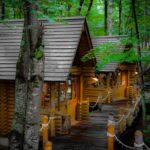
The museum also includes reconstructed chise, the traditional Ainu houses. These buildings give you a more physical sense of Ainu architecture than glass cases can provide. Look at how the house is arranged, then connect that space with the tools and objects shown indoors.
You may find the museum’s size both helpful and demanding. The large collection provides plenty to see, but the tour’s one-hour limit does not allow an unhurried look at every item. I would focus on the sections that interest you most and ask your guide to explain objects that catch your eye.
If you have a special interest in Indigenous architecture, spiritual practice, textile work, or wood carving, say so early. The private format gives you a better chance to shape the conversation than a large group tour would.
Seeing the chise and understanding daily life
The reconstructed chise are more than a photographic backdrop. They help you understand how Ainu homes functioned and why materials from the surrounding environment were so important.
The museum presents Ainu life through hunting, fishing, and gathering, so you can think about the house as part of a wider system. Food, clothing, tools, and ritual items were tied to the seasons and to careful use of natural resources.
I would pay attention to the connection between function and decoration. Traditional Ainu objects often combine practical use with strong visual design. A tray, garment, or ceremonial item could serve a clear purpose while also carrying artistic and cultural meaning.
The tour information does not promise a performance, demonstration, or hands-on activity. Plan for a guided visit built around the museum, buildings, exhibits, and discussion. That makes it a good choice for people who prefer context and close observation over a staged show.
The museum is also the part of the tour most likely to appeal to families and first-time visitors. You get a clear introduction to Ainu history, beliefs, work, and artistic practice in one place. Still, younger children may find an hour of objects and explanations less engaging than a craft activity, and the tour does not list one.
The Ainu Culture Information Center and traditions today
The second stop lasts about 30 minutes and has no separate admission charge. The Biratori cho Ainu bunka joho Center shifts the focus from earlier generations to the present day.
Here you can learn how Ainu traditions have been preserved and renewed by modern artisans, performers, and community leaders. That makes the center an important partner to the museum. The museum explains where traditions come from, while the center asks how they continue.
The displays may include Nibutani ita, carved wooden trays, and Nibutani attus, woven textiles. These crafts are useful reference points for understanding the skill and patience involved in Ainu design. They also give you a direct connection to local makers.
The center functions as a cultural hub as well as a place to shop. Handcrafted items may be available for purchase, allowing you to support local Ainu artisans rather than buying a generic souvenir elsewhere.
I consider this an important part of the tour’s value. Buying a locally made piece is not required, and you should never feel pushed to spend more. But if you want a meaningful reminder of your visit, a craft connected to Nibutani has a clearer link to the community than a mass-produced item.
The 30-minute visit is brief, so treat it as an introduction rather than a full craft workshop. You might find displays about current Ainu initiatives, along with examples of carving and weaving. Ask questions while you have the guide with you, especially if you are trying to understand the difference between a decorative object and one made for daily use.
What the private format changes

This is a private activity, so only your group participates. That matters most at the museum and cultural center, where a question can change the pace of the visit.
I like private tours for subjects that need explanation. A guide can help you connect an object to Ainu beliefs, work, or community life instead of leaving you to guess from a label. You can also tell the guide if you want more time with the chise, clothing, carving, or textiles.
The private format does not turn the tour into a flexible half-day outing. The total duration remains about 90 minutes, and the two stops are set out clearly. You should expect a concentrated introduction, not unlimited time at each site.
No guide name is provided, so you cannot request a particular guide based on the available information. The tour description does promise a guided tour of Nibutani’s cultural sites, but it does not specify the guide’s language, professional background, or whether interpretation is available in a language other than the booking language. Confirm those points before paying if they matter to you.


Is $98.57 per person a fair price?

At $98.57 per person, this is not a cheap museum visit. Admission to the second center is free, and the total time is only about an hour and a half. If you are comparing it with an ordinary self-guided museum stop, the price may feel high.
The value comes from the private guidance and the pairing of two different cultural sites. You are paying for a focused explanation of Ainu history, traditional homes, beliefs, crafts, and current cultural work. You also receive a more direct introduction to Nibutani than you would get by simply arriving at the museum alone.
The price makes the most sense for you if Ainu culture is a main reason for visiting Hokkaido. It is less convincing if you are only looking for a quick sightseeing stop or a general introduction to local history.
Group discounts may improve the cost for larger parties, but the available information does not give the discount amount or its conditions. Check the final booking price for your group size rather than assuming the listed per-person rate will change.
Transportation is not included. That is an important cost consideration. You must make your own way to the starting point and from the ending point, so add transport expenses and planning time to the tour price.
Meeting in Nibutani and getting onward access

The stated start point is Toilet60 Nibutani, Biratori, Saru District, Hokkaido 055-0101, Japan. The unusual name makes it especially important to check the map pin and exact directions before setting out.
The activity ends at the Biratori cho Ainu bunka joho Center, at 61-6 Nibutani, Biratori, Saru District, Hokkaido 055-0101, Japan. The ending point is near a parking lot and bus stop, which is useful if you are continuing by public transport or meeting a driver.
The tour is described as being near public transportation, but no detailed route, bus timetable, or private pickup is provided. You should not assume that transport will wait for a late arrival. Leave enough time to reach the starting point and check local schedules in advance.
A mobile ticket is available, and booking confirmation is sent at the time of booking. I would keep the ticket accessible on your phone, then verify the meeting point before the day of the visit.
Who should book this Nibutani visit?

I would recommend this tour to you if you want a direct introduction to Ainu culture and prefer a guide to connect objects with daily life. It suits people interested in Indigenous traditions, cultural preservation, architecture, textiles, carving, and the way communities maintain identity over time.
It also works well for a private couple, family, or small group that wants to ask questions without sharing the visit with strangers. Most people can participate, and service animals are allowed.
You may want to choose a different activity if you need extensive transportation support, a long workshop, or a full-day program. The tour does not include private transport, and the schedule does not promise a craft lesson or performance.
The short duration can be a strength. You can fit the visit into a wider Hokkaido itinerary without giving up an entire day. But it can also feel quick if you want to study the museum’s large collection in detail.
Practical tips for making the most of the 90 minutes

Read a little about the Ainu before arriving, even if it is only a short introduction. You will recognize more of the museum’s themes and be better prepared to ask useful questions.
Think about your main interest before the tour begins. You might want to focus on the chise, spiritual objects, clothing, carved trays, woven textiles, or present-day cultural renewal. With limited time, a clear priority helps.
Keep your phone charged for the mobile ticket and map directions. The meeting point name is unusual, so save both the starting and ending locations.
If you hope to buy a craft, leave room in your budget and luggage. The center may offer handmade pieces, but the available information does not specify prices, payment methods, or shipping services.
Finally, allow at least 24 hours if you need to cancel. The activity offers a full refund when canceled at least 24 hours before the local start time. Changes or cancellations inside that window are not accepted for a refund.
Should you book this Ainu culture tour?
Book it if you want a focused, private look at Ainu culture in a community with a strong Ainu presence. The museum’s huge collection, reconstructed chise, and detailed look at daily and spiritual life give the first hour substance. The cultural center then brings the subject into the present through local artisans, carved Nibutani ita, woven attus, and cultural renewal.
I would hesitate only if the $98.57 price feels high for 90 minutes or if you need transport included. For the right visitor, the value is not the length of the tour. It is the chance to connect a major collection with living local traditions, then support those traditions directly through a community cultural center.
FAQ
How long does the Nibutani Ainu culture tour last?
The tour lasts approximately 1 hour and 30 minutes.
What places are included?
The tour includes the Nibutani Ainu Culture Museum and the Biratori cho Ainu bunka joho Center.
How much does the tour cost?
The listed price is $98.57 per person.
Is museum admission included?
Admission to the Nibutani Ainu Culture Museum is included. Admission to the Ainu Culture Information Center is free.
How many artifacts are in the museum collection?
The museum has more than 10,000 cultural artifacts.
What can I see at the Nibutani Ainu Culture Museum?
You can see traditional Ainu homes called chise, tools, clothing, ceremonial objects, and exhibits about hunting, fishing, gathering, spiritual beliefs, rituals, and traditional crafts.
What can I see at the Ainu Culture Information Center?
You can see displays about present-day Ainu cultural work, including crafts such as Nibutani ita carved trays and Nibutani attus woven textiles.
Is transportation included?
No. Private transportation is not included, so you must arrange your own transport to the starting point and onward from the tour.
Is this a private tour?
Yes. Only your group participates in the activity.
Can I cancel for a full refund?
Yes, if you cancel at least 24 hours before the experience’s local start time. Cancellations or changes made less than 24 hours in advance are not eligible for a refund.
More Tour Reviews in Hokkaido
Other Hokkaido tours worth your shortlist







Ainu Cultural Experiences, side by side.
 ★ 4.9The Indigenous Ainu People & Jozankei walking tourFrom $17025 reviews
 ★ 5.0Full Day Indigenous Ainu of Hokkaido and JozankeiFrom $167.3625 reviewsHokkaido Experience Ainu Culture at Upopoy National MuseumFrom $161.171 reviews
 Ainu Cultural Experience at the Foot of the Hidaka MountainsFrom $460
The lists this tour appears in