The best part of this day is the change of pace: you begin with the Ainu people, Hokkaido’s Indigenous culture, then head into Jozankei for forests, hot springs, old religious sites, and a warm bath. I like the hands-on museum displays, and I like that the day includes both cultural learning and time outdoors. The main drawback is the long day, with public transport and winter waiting times that can test your patience.
In This Article
- Key points to know before booking
- Why the Ainu Cultural Center gives this tour its purpose
- The journey from Sapporo takes time, but it changes the rhythm
- Jozankei brings hot springs, shrines, and mountain paths together
- The Futami Tsuribashi Bridge is a small thrill, not a major ordeal
- Hotel Shika no Yu turns the afternoon into a local-style bath visit
- What the $170 price really covers
- The seasons change the character of the day
- Who will get the most from this day
- Should you book the Ainu and Jozankei tour?
- FAQ
- How long does the tour last?
- Where do I meet the guide?
- What language is the tour conducted in?
- Is transportation included?
- Is lunch included?
- What should I bring for the onsen?
- Can wheelchair users or people with back problems join?
I also like the guide-led approach. Scott receives especially warm praise for his clear explanations and easy conversation, including during travel between stops. You should know that this is an active outing, with uneven surfaces, walking, and onsen rules to follow, so it suits curious walkers more than visitors seeking a slow, private sightseeing day.
Key points to know before booking
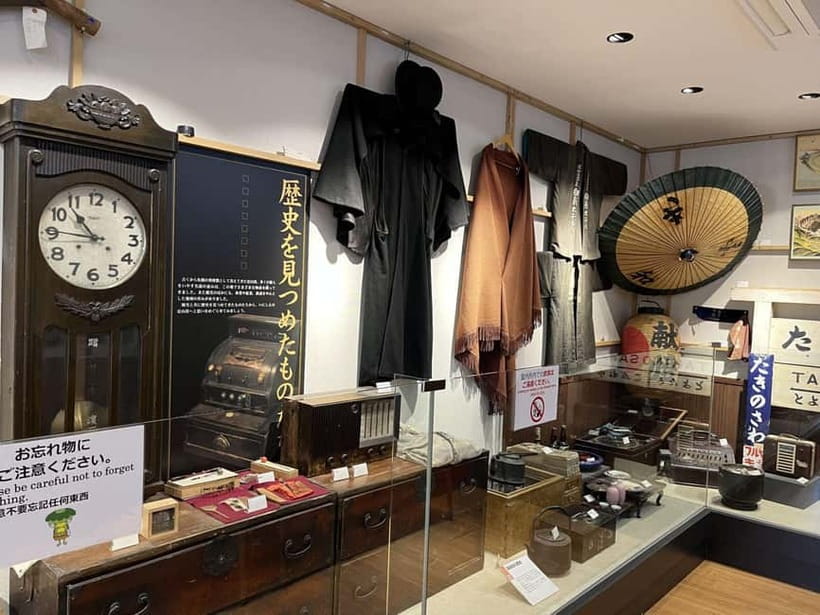
- Ainu culture comes first: Spend about 90 minutes at the Sapporo Ainu Culture Promotion Center, where traditional objects and craftwork can be handled rather than viewed only behind glass.
- Scott leads in English: He explains local history, answers questions, and keeps conversation going during transport and waiting periods.
- Jozankei is explored on foot: The route includes Jozankei Shrine and Temple, Gesen Park, Futami Park, and the Futami Tsuribashi Suspension Bridge.
- The bath is a real part of the day: Hotel Shika no Yu provides a two-hour day-bath visit, with a footbath option also available.
- Plan for a long winter day: The full outing lasts 570 minutes, and seasonal bus schedules can create longer waits.
- Bring practical gear: Wear comfortable shoes, carry water, and pack a towel and a change of clothes for the onsen.
Why the Ainu Cultural Center gives this tour its purpose
Many day trips from Sapporo focus on food, scenery, or shopping. This one begins with the people who lived in Hokkaido before modern Japanese settlement, giving the rest of the day a stronger sense of place.
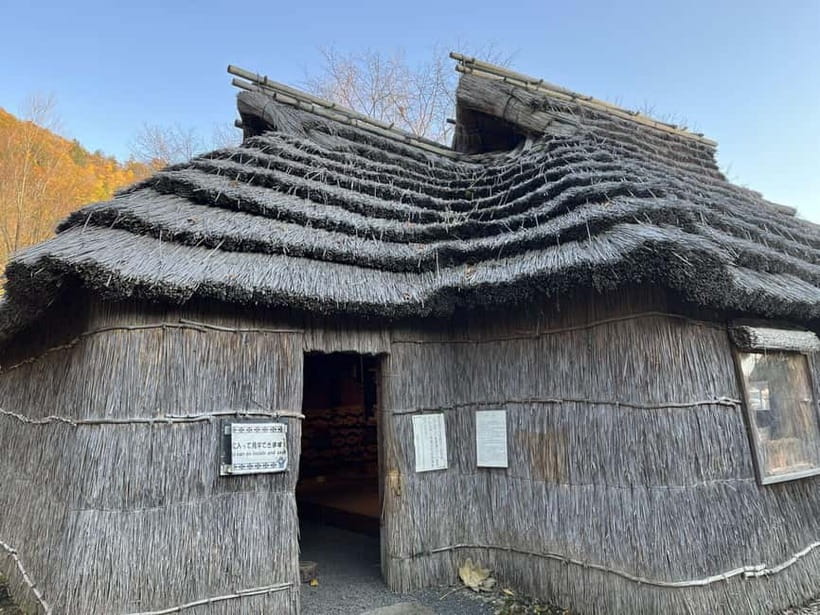
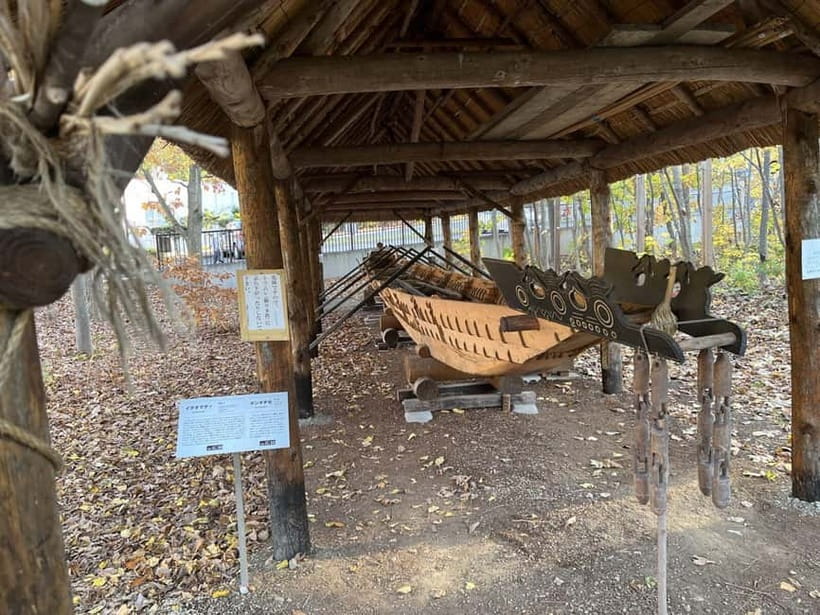
At the Sapporo Ainu Culture Promotion Center, you learn about Ainu daily life, history, art, and traditional objects. The most useful feature is the chance to feel and handle selected craftworks made by Ainu artisans. That makes the visit more direct than a museum where every item sits behind glass.
You can expect about an hour and a half here. That is enough time to listen to your guide, look closely at the displays, and ask questions without the visit swallowing the entire day. Scott has been praised for explaining the objects and Ainu culture in a clear, engaging way, so his interpretation is an important part of what you are paying for.
The center also helps correct a common weakness in sightseeing. Hokkaido is often presented through snow, seafood, forests, and hot springs, while the Ainu are treated as a footnote. Here, their culture is the starting point. I find that valuable because it gives you context before you spend the afternoon in a region shaped by volcanic activity and long-standing local traditions.
This is not described as a performance or staged village visit. The focus is on objects, information, and craftwork. If you want a large-scale cultural show, this may feel modest. If you prefer time to look, touch, and ask questions, it is a better fit.
You can also read our reviews of more walking tours in Sapporo


The journey from Sapporo takes time, but it changes the rhythm
You meet your guide at 9 a.m. outside Myomu, the circular white stone structure near the South Exits of Sapporo Station. After leaving the main JR gates, turn left and walk toward the South Exits. Myomu is close by, and your guide wears a Snow Monkey Resorts tour tag.
The day includes public transportation. The schedule lists about 80 minutes by train, followed by roughly an hour by bus or coach to reach Jozankei after the museum. The return trip is listed at about 75 minutes. These are not quick transfers, so you should be comfortable giving most of the day to the excursion.
That travel time has one benefit: the day feels like an outing beyond the city, not a hurried collection of nearby stops. It also gives Scott time to explain what you are seeing and keep conversation moving. Several comments about his friendly manner and clear local explanations point to the guide’s role during these quieter stretches.
The tradeoff is control. One person specifically preferred private transport, and winter schedules can mean longer waits. The bus and train setup keeps the price from rising further, but it means you should bring water, dress for the weather, and avoid scheduling an important evening commitment too close to your return.
Jozankei brings hot springs, shrines, and mountain paths together
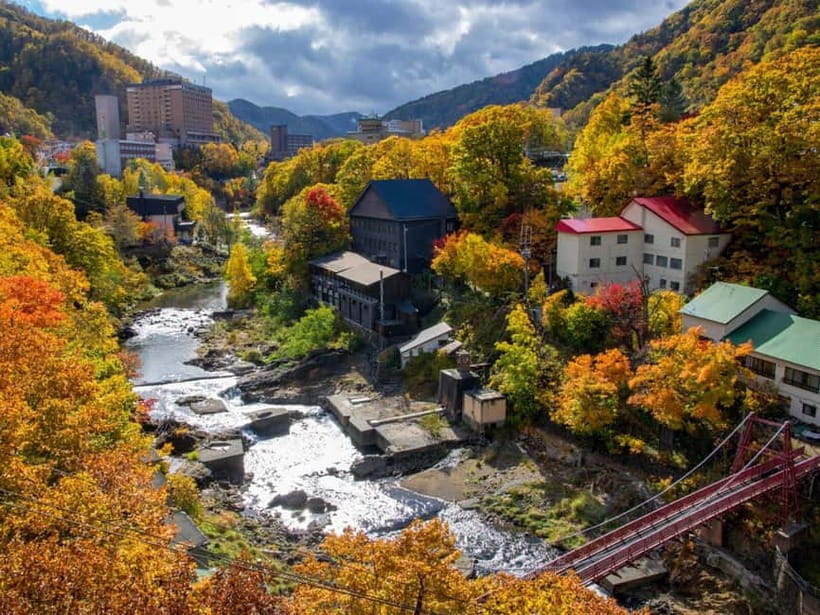
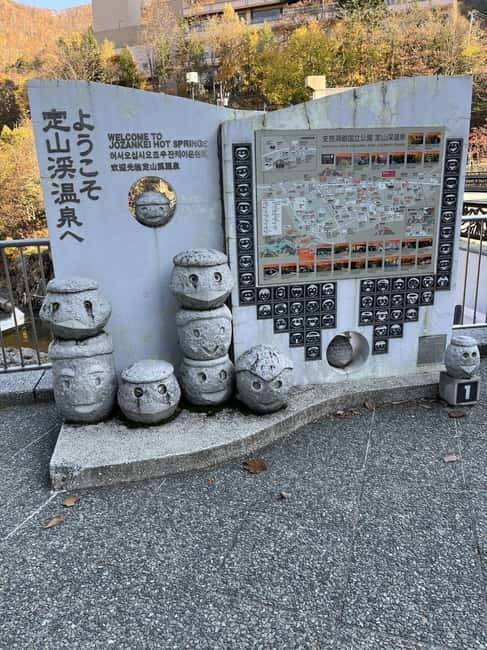
Jozankei is a hot spring village within Shikotsu-Toya National Park. Its setting has been shaped by centuries of volcanic activity, and the area’s appeal comes from the combination of water, rock, trees, paths, and small religious sites.
You explore Jozankei with your guide for about four hours and 15 minutes. That is the longest part of the day, and it is where the tour becomes a walking experience rather than a simple transfer to a bathhouse.
The route includes Jozankei Shrine and Temple. These stops add a quiet cultural layer to the village. You also visit Gesen Park, where a footbath gives you a chance to rest your feet and sample the hot spring water without committing to a full bath yet.
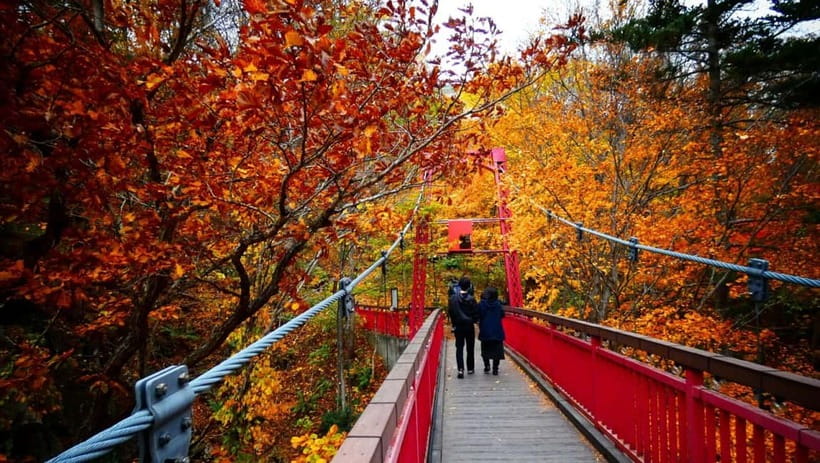
Futami Park and the Futami Tsuribashi Suspension Bridge bring more movement to the walk. Crossing the bridge gives you a different view of the surrounding area, but it also means you should be ready for outdoor footing and changing conditions. The tour specifically warns about uneven surfaces, so comfortable shoes are not optional decoration.
The walking portion is a good reason to avoid overpacking. Keep your water and personal items easy to carry. You will want both hands free at points, especially around the bridge and during the later bathhouse visit.
The Futami Tsuribashi Bridge is a small thrill, not a major ordeal
Suspension bridges can be either a quick photo stop or a memorable part of a walk. Here, Futami Tsuribashi is folded into a broader route through Jozankei, so it does not carry the burden of being the entire attraction.
You cross the bridge with the group and take in the wooded surroundings. The exact feel will change with the season. Winter can give the area a stark, snowy look, while autumn brings the colored foliage that one October participant enjoyed. A winter visit may look especially striking, but it also demands warmer clothing and more care underfoot.
If you have a back problem, this tour is not recommended. It is also not suitable for wheelchair users. Those limits matter because the day combines train and bus travel, walking, a bridge crossing, and bathing facilities rather than offering a flat, simple route.
The footbath at Gesen Park is a welcome contrast to the walking. You can sit, warm your feet, and continue listening without the formality of a full onsen visit. A towel is useful here, as well as later at the hotel.
Hotel Shika no Yu turns the afternoon into a local-style bath visit
The final major stop is Hotel Shika no Yu, where you have a two-hour day-bath experience. This is not an overnight stay. Accommodation is not included, and the tour returns you to Sapporo after the visit.
For many people, this will be the day’s most relaxing section. Jozankei is known for hot springs, and ending the walk in warm water makes practical sense. You have already seen the village and its parks, and now you can slow down before the ride back.
The bath requires proper etiquette. Your guide explains the rules, but you should expect to follow the usual basic approach of washing before entering the communal bath and respecting the shared space. The supplied information specifically stresses bathing etiquette, so do not treat the onsen like a Western swimming pool.
Bring a towel and a change of clothes. You should also carry water, since a long walking day followed by hot water can leave you thirsty. The change of clothes is particularly useful after bathing, when you may not want to put on the same clothes you wore through the day.
A footbath option is available as well. That matters if you are uncertain about a full communal bath or simply want a lighter experience. Still, the tour is built around the onsen visit, so anyone strongly opposed to public bathing may not get the full value from the price.


What the $170 price really covers
At $170 per person, this is not a cheap way to reach Jozankei. You are paying for a full 570-minute day, an English-speaking guide, transport from Sapporo Station through the listed activities, and admission fees for the included sights.
The value depends on how you would otherwise organize the day. If you already feel comfortable finding the Ainu Cultural Center, arranging transport to Jozankei, locating the parks and bridge, and learning onsen etiquette on your own, the price may feel high. You would have more freedom and could choose your own timing.
I see the value in the combination. The tour links two subjects that are easy to experience separately: Ainu culture and Jozankei hot springs. Transport between them is handled for you, and Scott provides interpretation during the parts that might otherwise feel confusing or disconnected.
The small-group feel also helps. One participant noted that the group size made it easy to follow the guide and talk with other people. A smaller group can make questions easier and keep the walking pace more manageable, though the exact group size is not specified.
Lunch is not included, and no lunch stop is listed. Plan for that before you leave or ask the guide about the practical timing at the start of the day. Do not assume your $170 covers meals, hotel accommodation, or anything beyond the stated transport, guide service, and admissions.
The seasons change the character of the day
Winter gives Jozankei a dramatic appearance, with snow and cold shaping every outdoor stop. One January visitor found the winter scenery striking and the onsen soothing, while another noted that winter bus schedules caused longer waits. If you enjoy cold-weather scenery, winter can be rewarding, but you need proper clothing and patience.
Spring and autumn may be easier for walking. One person specifically suggested spring or autumn for visitors who do not handle the cold well. Autumn also brings the changing colors that make the parks and bridge especially appealing.
The tour information does not give a summer program with different timing or conditions, so you should check the available date before booking. Whatever the season, wear shoes suited to uneven paths and carry water.
Who will get the most from this day
I would choose this tour if you want more than a standard city day in Sapporo. It suits you if you care about Indigenous culture, prefer guided context at museums, enjoy walking through small towns, and want to try an onsen without handling every detail yourself.
It is also a strong choice near the end of a Japan trip. The day moves from learning to scenery to rest, and the bath gives you a calm finish before returning to the city. Scott’s personable style is a plus if you enjoy asking questions and talking during transit.
I would hesitate if you need a private vehicle, dislike public transport, have trouble with long days, or want a flexible schedule. The day has fixed movement between Sapporo, the cultural center, Jozankei, and the bathhouse. Winter can add waiting time, and the outdoor route is not designed for wheelchair users or people with back problems.
Book only if you are comfortable with communal bathing. The footbath is a useful alternative, but the full two-hour onsen visit is one of the main reasons to choose this experience.
Should you book the Ainu and Jozankei tour?
Book it if you want a well-rounded day that connects Hokkaido’s Indigenous culture with its hot spring tradition. The hands-on Ainu displays, Scott’s strong guiding, Jozankei’s bridge and parks, and the final bath create a varied schedule that is hard to reproduce neatly on your own.
Skip it if you want private transport, a short outing, or complete freedom over meals and timing. At $170, the tour earns its price through the guide, transport, admissions, and the way the two destinations fit together. For an active visitor who accepts a long day and public transport, it is a thoughtful and unusual choice from Sapporo.
FAQ
How long does the tour last?
The experience lasts 570 minutes, or about nine and a half hours. The meeting time is 9 a.m., with the day ending back at Myomu near Sapporo Station.
Where do I meet the guide?
Meet outside Myomu near the South Exits of Sapporo Station. After leaving the main JR gates, turn left and walk a short distance toward the South Exits. The guide wears a Snow Monkey Resorts tour tag.
What language is the tour conducted in?
The tour is conducted in English, with a live English-speaking guide.
Is transportation included?
Yes. Transportation from Sapporo Station to the listed destinations and activities is included. The schedule includes train travel and bus or coach transportation.
Is lunch included?
No. Lunch is not included, and accommodation is also not included.
What should I bring for the onsen?
Bring a towel and a change of clothes. Comfortable shoes and water are also recommended for the walking portions.
Can wheelchair users or people with back problems join?
The tour is not suitable for wheelchair users or people with back problems. You should also be prepared for walking on uneven surfaces and follow the bathing etiquette required at the onsen.
More Walking Tours in Sapporo


More Tours in Sapporo


More Tour Reviews in Sapporo
Other Sapporo tours worth your shortlist
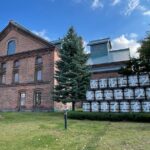

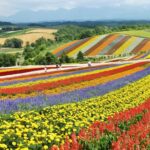
Ainu Cultural Experiences, side by side.
 ★ 5.0Full Day Indigenous Ainu of Hokkaido and JozankeiFrom $167.3625 reviewsHokkaido Experience Ainu Culture at Upopoy National MuseumFrom $161.171 reviews
 Ainu Cultural Experience at the Foot of the Hidaka MountainsFrom $460
 Explore Living Ainu Traditions in NibutaniFrom $98.57
The lists this tour appears in