The best part of this day is the pairing: Ainu culture at Sapporo Pirka Kotan followed by a long soak in Jozankei. One stop opens a window onto Hokkaido’s Indigenous people; the other lets you rest in a hot spring village surrounded by forest.
In This Article
- Key points at a glance
- Why this Sapporo day trip works so well
- Sapporo Pirka Kotan: meeting Ainu culture through objects
- What to keep in mind at the cultural center
- Jozankei: a change of pace beside the Toyohira River
- Two hours at Hotel Shika no Yu
- What the $167.36 price includes
- Who should book this experience
- Timing, group size, and practical planning
- Should you book the Ainu and Jozankei day trip?
- FAQ
- Where does the tour start?
- Where does the tour end?
- Is transportation included?
- Is lunch included?
- How long is the hot spring visit?
- What is the cancellation policy?
I like the hands-on museum approach, where authentic Ainu crafts can be held rather than viewed only behind glass. I also like the way the tour includes a full two-hour bath at Hotel Shika no Yu, giving you time to relax instead of rushing through a quick foot dip.
The main drawback is the fixed pace. You meet at Sapporo Station at exactly 9 a.m., spend much of the day moving between stops, and lunch is not included. If you prefer to explore at your own speed, this compact guided outing may feel structured.
Key points at a glance
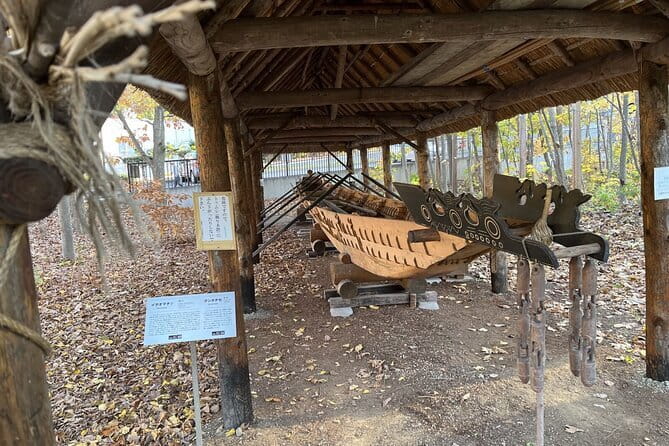
- Traditional Ainu houses and canoes: Sapporo Pirka Kotan includes an outdoor village with handcrafted buildings and canoes.
- Hands-on cultural learning: You are encouraged to handle authentic Ainu handcrafts while learning about Ainu life and traditions.
- Two hours at a real onsen: The bathing portion takes place at Hotel Shika no Yu in Jozankei.
- A useful English-speaking guide: Scott is specifically praised for clear explanations, translation, patience, and help with practical problems.
- Small-group format: The group can include up to 15 people, with past outings described as having eight participants.
- One easy day from Sapporo: Transport from the station to the listed activities and admission fees are included for $167.36 per person.
Why this Sapporo day trip works so well
Many Sapporo outings focus on food, shopping, or scenic viewpoints. This one gives you something more grounded. You begin with Ainu culture, then move to Jozankei, a hot spring village in Shikotsu-Toya National Park.
That combination gives the day a natural rhythm. The first half asks you to pay attention and learn. The second half lets you slow down. I find that balance more satisfying than filling eight hours with one museum after another.
The tour lasts about eight hours and begins at 9 a.m. at Myomu, the circular stone structure in front of the South Exit doors of Sapporo Station. That central meeting place is practical, but do not cut it close. The instructions ask you to meet exactly at 9 a.m., so allow enough time to find the station exit and the sculpture.
An English-speaking guide accompanies the group. Scott is named in the feedback and receives especially strong praise for his explanations, translation, friendliness, and willingness to help with issues outside the tour itself. That matters here because Ainu cultural displays can be more rewarding when someone explains what you are seeing rather than leaving you to read every label alone.
The group limit is 15 people. That is not a private tour, but it is small enough for questions and guide interaction. A group of eight was specifically noted as comfortable, and a guide who keeps track of everyone is useful when the day includes both scheduled sightseeing and bathing arrangements.
Our other Sapporo reviews may also help you decide


Sapporo Pirka Kotan: meeting Ainu culture through objects
Sapporo Pirka Kotan, also called the Ainu Cultural Center, is the heart of the experience. It sits about an hour or so outside central Sapporo, in natural surroundings that feel removed from the city.
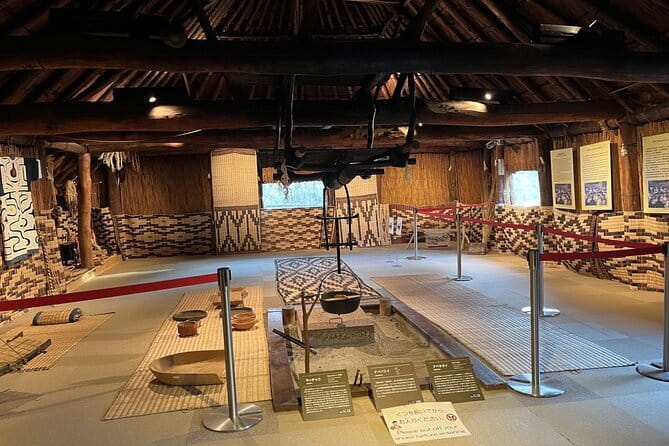
The center presents Ainu culture through a large collection of artifacts and handcrafts. What makes the visit different from a standard museum stop is the permission to hold and touch many of the authentic objects. That physical contact can help you understand the work involved in making them, especially when your guide adds context.
You can expect roughly three hours at this first stop, with admission included. That is a generous amount of time for a center of this kind. You should not need to race from case to case, and you can spend longer with objects that catch your attention.
The displays cover Ainu material culture, though the supplied details do not list each individual gallery or exhibit. You will see handcrafts and other artifacts, with the guide helping explain their place in Ainu life. This is a good setting for asking questions, especially if you want to understand the difference between a museum object and a living cultural tradition.
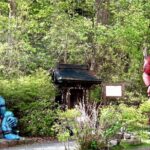
The outdoor village adds another layer. Traditional handcrafted Ainu houses and canoes give you a sense of how buildings and tools related to daily life. I like this part because it moves the subject beyond small objects in display cases. The houses show scale, materials, and form, while the canoes make the practical side of Ainu craftsmanship easier to picture.
The center is best for anyone who wants more than a quick cultural label. If you are interested in Indigenous peoples, this is the stop that justifies the trip. It also gives the outing a stronger sense of place than a general city tour would.
What to keep in mind at the cultural center
The three-hour visit is a strength, but it also means the Ainu center takes up a large part of the day. You should book this tour because you want to give the subject real attention, not because you simply need something to fill a morning.
The cultural center is outside Sapporo, and the journey takes about an hour or so. Transport is included, which removes the need to work out the route yourself. The tradeoff is that you cannot decide to leave early and spend that time elsewhere in the city.
The tour description encourages visitors to touch many of the handcrafts, but it does not specify every hands-on activity or demonstration. Keep your expectations focused on close viewing, handling selected objects, the outdoor village, and guide explanation rather than a guaranteed performance or workshop.
One practical point is lunch. It is not included, and no lunch stop is specified in the supplied details. You should plan accordingly, since the day continues from the cultural center to Jozankei and then the bath.
Jozankei: a change of pace beside the Toyohira River
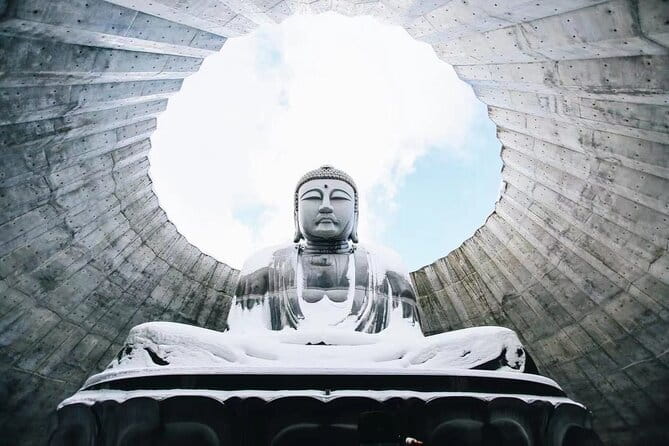
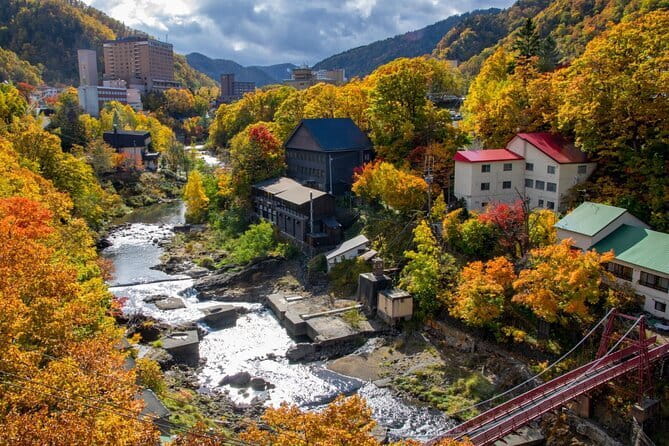
After the Ainu Cultural Center, the bus continues to Jozankei Onsen. This small hot spring village lies within Shikotsu-Toya National Park and follows the Toyohira River.
Jozankei has 56 hot spring sources. Many are concentrated around the Tsukimibashi and Takayamabashi bridges, as well as along the river. The water from most sources averages between 60 and 80 degrees Celsius, although the bathing experience itself is arranged at a hotel bath rather than at every source in the village.
The village portion is listed at about two hours. This gives you time to take in Jozankei before the longer bathing session. The exact sightseeing pattern is not fully specified, so the amount of independent wandering may depend on the guide and the day’s timing.
That flexibility can be useful. One visitor enjoyed a foot bath after exploring the Ainu center, and another especially liked seeing Jozankei in the snow. The foot bath is mentioned in the feedback, but it is not listed as a guaranteed included activity, so treat it as a possible extra rather than the main promise of the tour.
Jozankei changes character with the season. Snow makes the village feel especially striking, while the surrounding forest gives the area a quiet setting in other seasons. The supplied information does not promise a particular seasonal view, so you should think of the village as a scenic pause and transition to the onsen rather than a dedicated nature excursion.
I like the contrast between the two main locations. Sapporo Pirka Kotan is about people, objects, and cultural understanding. Jozankei is about water, rest, and the setting around the Toyohira River.
Two hours at Hotel Shika no Yu
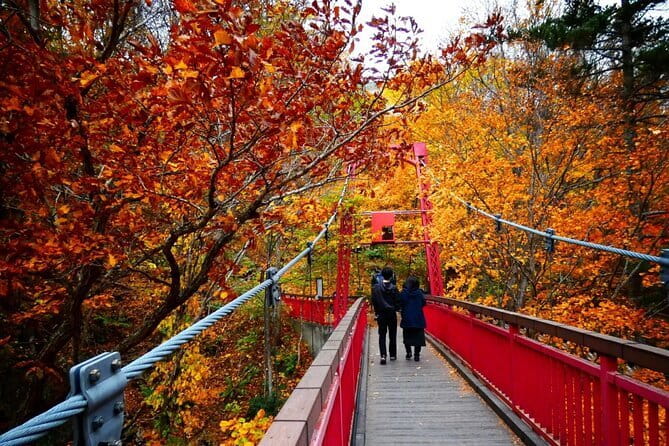
The final major stop is Hotel Shika no Yu, where the tour includes a two-hour day-bath experience. This is not simply a photo stop at an onsen town. You receive time to use the hot spring facilities and finish the day in a physically restful way.
A two-hour bath period is generous. It gives you room to settle in rather than watch the clock through a short visit. The description says the bath is at one of Jozankei’s reputable hot spring hotels, and specifically names Hotel Shika no Yu.
You should remember that Japanese hot spring bathing follows local customs, though the supplied information does not list the hotel’s exact facilities or rules. If you have questions about the bathing process, ask your guide before entering. An English-speaking guide is included, and this is one point where clear instructions can make the experience easier.
The hot spring is also the reason to pack with the whole day in mind. You will be moving from a museum to a village and then into a bath, so comfortable clothing and whatever personal bathing items you prefer will be useful. The tour details do not state whether towels or other bath supplies are included, so check directly with the operator before departure if that affects your packing.
The bath ends the tour on a calm note. You return to the original meeting point at Sapporo Station, rather than being left to arrange a separate ride from Jozankei.


What the $167.36 price includes
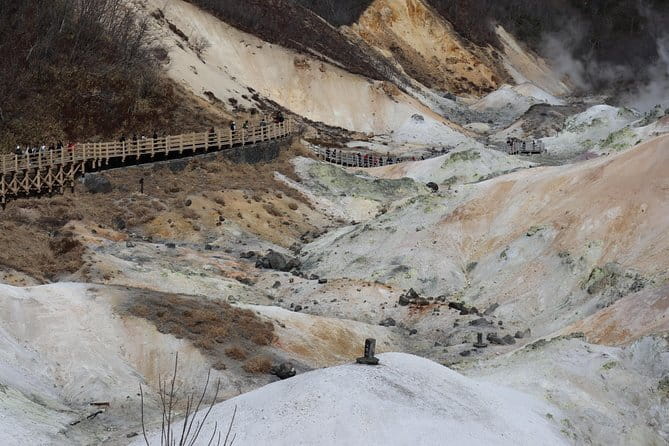
At $167.36 per person, this is not the cheapest way to visit either destination independently. The value comes from putting several costs and services together.
Your price includes:
- An English-speaking guide
- Transportation from Sapporo Station to the listed destinations and activities
- Admission tickets for each included attraction
- The two-hour day-bath experience at Hotel Shika no Yu
The guide is important to the value. Without one, you might see the Ainu objects and traditional buildings but miss some of the meaning behind them. Scott is praised for adding small adjustments to the day, helping with translation, and responding to individual needs. That kind of support is particularly helpful when you are dealing with a subject that may be unfamiliar.
Transport also saves planning time. Jozankei is outside central Sapporo, and the cultural center is about an hour or so away. You get a coordinated route instead of arranging separate connections between the station, cultural center, hot spring village, and hotel.
Lunch is not included, and transportation before the meeting point or after the tour is also your responsibility. Those are modest exclusions, but they matter when you calculate the full day’s cost.
The strongest value is for someone who would otherwise pay for a separate cultural visit, transport to Jozankei, and a day bath. If you want only a short museum visit or only an onsen, the price may feel high. If you want both and appreciate a guide, the package is easier to justify.
Who should book this experience
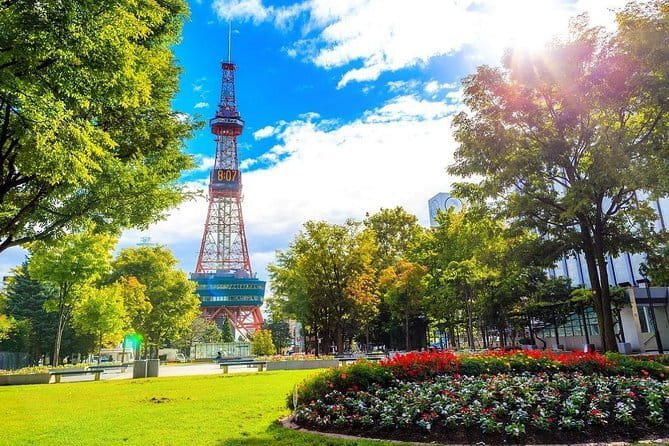
I would recommend this day to anyone with a serious interest in Ainu culture. The center offers artifacts, handcrafts, traditional houses, and canoes, and the three-hour visit gives the subject room to breathe.
It also suits first-time visitors to Hokkaido who want a simple outing from Sapporo. The transport is handled for you, the guide is present throughout, and the day returns to the station where it began.
The tour is a good match for people who enjoy a balance of learning and relaxation. You will spend several hours looking, listening, and asking questions, then have a long hot spring bath. That mix is less suitable for someone who wants an active hike or a fast list of photo stops.
Most people can participate, according to the tour information, but the day still includes transport, walking around a cultural center and village, and use of a hot spring. If you have particular mobility, medical, or bathing concerns, contact the provider before booking because the supplied details do not explain those arrangements.
Families may appreciate the outdoor village and hands-on approach, though the tour is not specifically described as child-focused. Couples and solo visitors who want company and interpretation may find the small-group setup helpful.
Timing, group size, and practical planning
The meeting point is Myomu, the circular stone structure in front of the South Exit doors at Sapporo Station. Start time is 9 a.m., and the tour ends back at the same meeting point.
The maximum group size is 15. That makes the day more personal than a large coach excursion, while still giving you the social ease of a shared tour. A past group of eight worked well with Scott’s attentive style.
The full schedule is approximately eight hours. The listed time blocks are about three hours at the Ainu Cultural Center, two hours around Jozankei, and three hours for the final onsen portion. These blocks include the day’s sightseeing and activity time, while travel between locations fits into the overall tour duration.
You should arrive ready for a full day outside central Sapporo. Bring money or a plan for lunch, and confirm any bath-related details that are important to you before setting out. Mobile tickets are supported, and booking confirmation is provided at the time of purchase.
Free cancellation is available if you cancel at least 24 hours before the local start time. Changes or cancellations inside that window are not accepted for a refund.
Should you book the Ainu and Jozankei day trip?
Book it if you want the most meaningful Ainu-focused outing listed here, prefer having an English-speaking guide, and like the idea of ending a cultural day in a hot spring. The hands-on objects and outdoor village give Sapporo Pirka Kotan substance, while Jozankei and Hotel Shika no Yu keep the day from feeling like a museum marathon.
Think twice if you want a flexible lunch break, independent transport, or a long list of separate Jozankei sights. The schedule is fixed, lunch is excluded, and the Ainu center is the main cultural focus.
For most visitors with one spare day in Sapporo, the pairing makes sense. You get a serious introduction to Hokkaido’s Indigenous Ainu culture, a scenic hot spring village, included transport, admission, and two hours in the bath. At $167.36, it is best viewed as a guided cultural and wellness day, not simply a sightseeing transfer.
FAQ
Where does the tour start?
The tour starts at Myomu, the circular stone structure in front of the South Exit doors of Sapporo Station. The meeting time is exactly 9 a.m.
Where does the tour end?
The activity ends back at the original meeting point at Sapporo Station.
Is transportation included?
Yes. Transportation from Sapporo Station to all listed destinations and activities is included. Transportation before the meeting point and after the tour is not included.
Is lunch included?
No. Lunch is not included in the tour price.
How long is the hot spring visit?
The day-bath experience at Hotel Shika no Yu lasts two hours.
What is the cancellation policy?
You can receive a full refund if you cancel at least 24 hours before the experience start time. Cancellations or changes made less than 24 hours before the start time are not accepted for a refund.
More Full-Day in Sapporo


More Tour Reviews in Sapporo
Other Sapporo tours worth your shortlist

Ainu Cultural Experiences, side by side.
 ★ 4.9The Indigenous Ainu People & Jozankei walking tourFrom $17025 reviewsHokkaido Experience Ainu Culture at Upopoy National MuseumFrom $161.171 reviews
 Ainu Cultural Experience at the Foot of the Hidaka MountainsFrom $460
 Explore Living Ainu Traditions in NibutaniFrom $98.57
The lists this tour appears in