
The most memorable part of this Samani experience is the chance to take part, not just watch. You’ll learn traditional Ainu dances passed through the local community, then join the dance circle yourself before trying your hand at cooking Ainu dishes. This is culture shared through movement and food, not a quick museum visit.
In This Article
- Key points at a glance
- Why this Ainu experience feels different
- Arriving at Okada Community Hall at 1:00 pm
- Watching and joining the traditional Ainu dances
- Preparing traditional Ainu dishes by hand
- What the private format changes
- Is $460 a fair price for three hours?
- Who will get the most from this program?
- Practical points to settle before booking
- A respectful way to take part
- Should you book the Samani Ainu experience?
- FAQ
- Where does the Ainu cultural experience take place?
- What time does the activity begin?
- How long does the experience last?
- Where does the activity finish?
- Who leads the experience?
- What activities are included?
- Is this a private activity?
- Is the activity near public transportation?
- Can I cancel for a full refund?
I like two things right away: the program is led by members of the Samani Indigenous Culture Preservation Society, and it is private, so only your group takes part. I also like the clear three-hour format, which gives you enough time for both dance and cooking without taking over your whole day.
The main point to consider is the price. At $460, this is a serious outlay for roughly three hours, especially since the supplied details do not say whether that figure covers one person or the entire private group. Ask for the exact price breakdown before you commit.
Key points at a glance

- Traditional dances from the Samani community: Watch dances that have been passed down locally, then take part in the circle.
- Hands-on Ainu cooking: Prepare and enjoy traditional dishes rather than only hearing about them.
- Guided by local culture keepers: Members of the Samani Indigenous Culture Preservation Society lead the session.
- Private experience: Only your group participates, with no unrelated visitors joining the program.
- Convenient afternoon timing: Meet at Okada Community Hall at 1:00 pm for an activity lasting about three hours.
- Easy booking flexibility: Mobile tickets, group discounts, and free cancellation up to 24 hours before the start time are available.
Why this Ainu experience feels different

Many cultural activities ask you to sit quietly while someone explains a tradition. This one gives you two practical ways to connect with Ainu culture: cooking and dance. That matters because you are using your hands and body, not simply collecting facts.
The Ainu are the Indigenous people of northern Japan, with Hokkaido at the center of their cultural homeland. The experience focuses on the Hidaka area, where local community members continue to preserve and share traditions in everyday life.
You should not expect a broad survey of every part of Ainu culture in three hours. Instead, think of this as a focused introduction built around participation. The program gives you a chance to learn directly from people involved in keeping local traditions active.
That local connection is one of the strongest reasons to consider booking. Members of the Samani Indigenous Culture Preservation Society guide the session. The information provided does not list individual guide names, so you should not expect to request a particular instructor. What you can expect is guidance from the organization responsible for preserving this cultural heritage.
We have reviewed more tours and experiences across Hokkaido; these are worth comparing before you book.


Arriving at Okada Community Hall at 1:00 pm
Your meeting point is Okada Community Hall, at 201-2 Okada, Samani, Samani District, Hokkaido 058-0022, Japan. The activity begins at 1:00 pm and finishes back at the same meeting point.
That fixed start time is useful if you are planning a day around it. You can arrange your morning separately and keep the afternoon for this program. The experience is also described as being near public transportation, which helps if you are not driving, though the supplied details do not identify a station, route, or walking time.
I would confirm your route before the day of the activity. A rural address can be easy to misread, and the listing does not provide detailed transport instructions. Save the full address on your phone, keep your mobile ticket available, and allow enough time to find the hall before 1:00 pm.
The return to the meeting point is simple. You do not need to arrange a second pickup location or wonder where the activity ends. This is particularly handy if your next stop is your accommodation or another part of Samani.
Watching and joining the traditional Ainu dances
The dance portion is more than a performance. You first have the chance to observe traditional Ainu dances passed down through the local community. Then, when invited, you can join the dance circle.
That order is helpful. You can watch the movement and rhythm before taking part, which lowers the pressure if you have never encountered Ainu dance. You do not need to arrive as a performer. The point is to participate respectfully and follow the direction of the people leading the session.
I like this format because it avoids turning cultural dance into a stage show separated from the people watching. Joining the circle gives you a small but meaningful role. You are not simply photographing a tradition from the side.
At the same time, keep your expectations sensible. The activity description does not promise a long performance, musical details, costumes, or a formal explanation of every dance. It tells you that local dances are demonstrated and that you can join. If those details matter to you, ask the provider what the dance segment includes before booking.
For families and groups, this may be the liveliest part of the program. It offers a shared activity that does not depend on advanced language skills or prior knowledge. You can watch first, follow along, and enjoy the fact that everyone is learning together.
Preparing traditional Ainu dishes by hand

The cooking session adds a second way to understand the culture. Rather than simply sampling a finished plate, you take part in preparing traditional Ainu dishes.
The details do not identify the recipes, ingredients, cooking equipment, or food served. That is worth noting if you have allergies, dietary restrictions, or strong food preferences. Contact Hokkaido Treasure Island Travel Inc. before booking if you need to know exactly what you will handle and eat.
For most people, the value of this part is not just the meal. Traditional food reflects what a community cooks, shares, and carries forward. Working through a dish can give you a clearer sense of daily cultural practice than a short lecture alone.
The cooking activity also balances the dance. You move and participate in one part, then slow down and work with food in another. In a three-hour program, that variety should help the time pass without feeling repetitive.
Do not expect a full cooking class with a take-home recipe unless the provider confirms that separately. The supplied information promises a hands-on cooking experience and traditional dishes, but it does not promise printed recipes, a full meal, or a specific menu.
What the private format changes
This is a private activity, meaning only your group participates. That can make a real difference in a cultural setting. You can ask questions without speaking over a large crowd, and the session can feel more personal than a standard group demonstration.
A private format is also a good match for families, couples, or friends who want to share one cultural activity together. If someone in your group is shy about joining the dance, the smaller setting may feel less intimidating.
There is a tradeoff. A large public group can sometimes create more energy and a wider mix of people. Here, the experience centers on your own party, so the atmosphere will depend partly on your group size and willingness to take part.
The supplied information does not state the maximum group size or how the group discount works. If you are booking for several people, ask how the discount is applied and whether the $460 price is a total private-group rate or a per-person charge. That one question could change the value calculation considerably.


Is $460 a fair price for three hours?

The advertised price is $460 for approximately three hours. On the surface, that is expensive for a short activity. But a private program led by a local cultural preservation society may be priced differently from a standard museum ticket or public dance show.
Your value depends on what the price covers and how many people are in your group. The included items are the Ainu cultural experience fee, covering cooking and traditional dance, plus the venue rental fee. Personal expenses are not included.
The details do not list transportation, meals beyond the cooking activity, souvenirs, or other extras as included. Do not assume they are part of the price. Ask for clarification before paying, especially if you are comparing this with less expensive cultural attractions elsewhere in Hokkaido.
The group discount may make the experience more reasonable for a family or larger party. Since the activity is private, the cost may also make more sense when shared among several people. For one or two people, the price requires a stronger personal interest in Ainu culture.
I would book this for the direct local contact, the chance to participate, and the private setting. I would not book it casually as a filler activity. At this price, you should want a focused cultural encounter rather than simply something to do for an afternoon.
Who will get the most from this program?
You are a good match if you want an active cultural experience and enjoy learning by doing. The combination of food preparation and dance works well for people who prefer participation to long historical explanations.
It also suits visitors who are already exploring Hokkaido and want to understand the region through its Indigenous culture. The Hidaka setting gives the activity a strong sense of place, even though the program itself is centered indoors at the community hall.
Families may appreciate the clear structure and shared activities. The dance circle gives children something physical to do, while the cooking session adds a practical task. Still, the supplied details do not state age requirements, so confirm those before booking with young children.
This is also a good option for a private group that wants a more personal session. You can share the afternoon with people you know, rather than joining an unknown tour group.
You may want to choose something else if your main goal is a long museum visit, a detailed archaeological presentation, or a broad overview of Ainu history. None of those are promised here. This program is about local traditions practiced through dance and food.
Practical points to settle before booking
Confirmation is sent within 48 hours of booking, subject to availability. That means you should not treat your reservation as fully settled until confirmation arrives, particularly if your Hokkaido schedule is tight.
The activity offers a mobile ticket, so you can keep the booking on your phone rather than print paperwork. Make sure your device is charged and that you can open the confirmation before you reach Okada Community Hall.
Free cancellation is available up to 24 hours before the start time. You must cancel at least 24 hours before the 1:00 pm start for a full refund. If you cancel within 24 hours, the payment is not refunded, and changes made during that period are not accepted.
The program also requires a minimum number of participants. If the provider cancels because that minimum is not reached, you will be offered another date or experience, or you will receive a full refund. That is a useful protection, but it is another reason to wait for confirmation before making tightly timed plans.
A respectful way to take part
You do not need specialist knowledge to enjoy the session. The program is designed for people unfamiliar with Ainu culture, and the local guides provide the direction.
Arrive ready to listen and follow the instructions given by the Society members. During the dance, watch first if you need to understand the movements. During cooking, ask about ingredients and methods rather than guessing.
A good cultural experience is not about performing expertise. It is about being willing to participate without treating the activity as a costume show or a photo opportunity. The private setting gives you a better chance to ask thoughtful questions and understand what you are doing.
Because the details do not specify photography rules, food allergies, clothing requirements, or language arrangements, raise those questions before the date. Small checks like these help you arrive prepared and show respect for the hosts.
Should you book the Samani Ainu experience?
Book it if you value direct contact with local culture, want to cook traditional food, and are willing to join a dance circle. The guidance from the Samani Indigenous Culture Preservation Society and the private format are the strongest reasons to choose it.
Think carefully about the $460 price. It makes the most sense for a group using the discount or sharing a private session. For a solo visitor, or anyone looking mainly for a cheap cultural stop, the cost may be too high.
Before booking, confirm whether the price is per person or per group, ask what dishes are prepared, and check the transport details for Okada Community Hall. If those answers fit your plans, this offers a personal and active way to encounter Ainu traditions in Hokkaido.
FAQ
Where does the Ainu cultural experience take place?
It takes place at Okada Community Hall, 201-2 Okada, Samani, Samani District, Hokkaido 058-0022, Japan.
What time does the activity begin?
The experience starts at 1:00 pm local time.
How long does the experience last?
The activity lasts approximately three hours.
Where does the activity finish?
It finishes back at the meeting point, Okada Community Hall.
Who leads the experience?
Members of the Samani Indigenous Culture Preservation Society lead the program.
What activities are included?
The experience includes traditional Ainu dance and a hands-on cooking activity featuring traditional Ainu dishes.
Is this a private activity?
Yes. Only your group participates in the activity.
Is the activity near public transportation?
Yes. The experience is described as being near public transportation, though specific routes and stations are not provided.
Can I cancel for a full refund?
Yes. You can receive a full refund if you cancel at least 24 hours before the experience’s start time. Cancellations or changes made less than 24 hours before the start are not refunded or accepted.
More Tour Reviews in Hokkaido
Other Hokkaido tours worth your shortlist


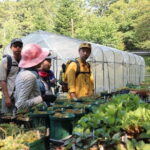
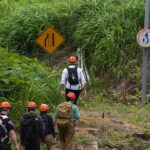


Ainu Cultural Experiences, side by side.
 ★ 4.9The Indigenous Ainu People & Jozankei walking tourFrom $17025 reviews
 ★ 5.0Full Day Indigenous Ainu of Hokkaido and JozankeiFrom $167.3625 reviewsHokkaido Experience Ainu Culture at Upopoy National MuseumFrom $161.171 reviews
 Explore Living Ainu Traditions in NibutaniFrom $98.57
The lists this tour appears in