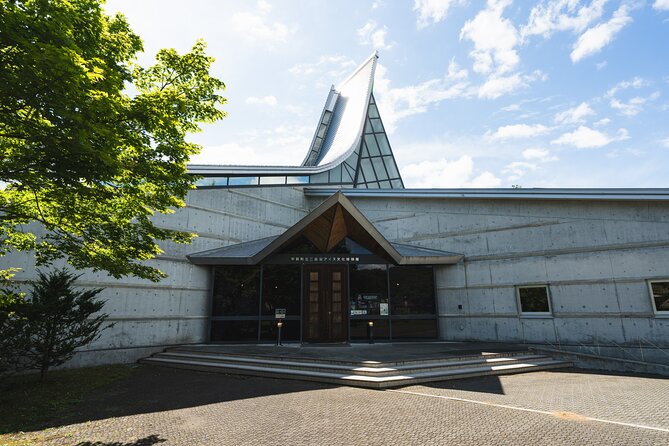
The most unusual part of this half-day outing is its setting: Abetsu National Forest, known in Ainu as an iwor, a place where people once gathered materials, food, and knowledge for daily life. Rather than staying inside a museum, you walk with local Ainu guides and connect the forest to past, present, and future.
In This Article
- Key points to know
- Why the Abetsu Forest Setting Matters
- Meeting Ainu Guides in Nibutani
- Learning From Trees and Forest Materials
- Taking Part in the Simulated Traditional Hunt
- Understanding the Forest Restoration Project
- Linking the Forest to Nibutani Crafts
- Lunch and the Shape of the Five-and-a-Half-Hour Program
- Is the $1,259.61 Price Worth It?
- Weather, Clothing, and Booking Timing
- Who Will Get the Most From This Experience?
- Should You Book the Nibutani Forest Experience?
- FAQ
- Where does the activity begin?
- What time does the activity start?
- How long does the experience last?
- Where does the activity end?
- Is lunch included?
- Are boots provided?
- Is transportation to the meeting point included?
- What happens if bad weather cancels the activity?
- Is the activity private?
- Can I cancel for a refund?
I like that lunch, admission, guide service, activity transport, and rental boots are included. I also like the focus on forest restoration, a current project linking Biratori Town, the Biratori Ainu Association, and the Hokkaido Regional Forest Office. The main caution is the price, $1,259.61 per person, which makes this a serious splurge, especially since transportation to the meeting point, drinks, and personal costs are extra.
Key points to know
- The forest is the classroom: Walk Abetsu National Forest while Ainu guides explain the trees and materials once central to daily life.
- A simulated hunt adds participation: You do not simply listen. The program includes a traditional hunting activity in a safe, instructional format.
- The story reaches into the present: Learn how younger Ainu people and local groups are helping restore forest areas to their former iwor condition.
- Nibutani adds wider cultural context: The area is associated with Nibutani ita wooden trays and Nibutani attus bark textiles, both designated Traditional Crafts of Japan.
- The outing is private: Only your group takes part, which can make it easier to ask questions and keep the pace personal.
- Plan around weather and dates: The activity lasts about five and a half hours, begins at 10:00 a.m., and may be canceled for bad weather or an insufficient number of participants.
Why the Abetsu Forest Setting Matters
A museum can explain Ainu culture, but a forest shows you why the culture developed as it did. In Abetsu National Forest, the trees and other natural materials are not just scenery. They connect to food, tools, clothing, shelter, craft, and seasonal work.
That setting gives the tour its main strength. You walk through the place while listening to Ainu storytellers explain how people related to the forest in the past, how that relationship changed, and what it may look like in the future.
The word iwor is important here. It refers to a forest area used by the Ainu for gathering and daily life. The activity presents the forest as part of a living cultural system, not as a backdrop for a short nature walk.
You should expect a guided cultural walk rather than a strenuous outdoor trek. The exact trail conditions are not specified, but the tour provides rental boots, a useful sign that wet or uneven ground may be possible. Wear practical clothing and plan for outdoor conditions. The supplied information does not state that hiking equipment or bottled water is provided, so bring a drink and any personal items you need.
We have reviewed more tours and experiences across Hokkaido; these are worth comparing before you book.


Meeting Ainu Guides in Nibutani
The experience begins at the Nibutani Ainu Culture Museum at 10:00 a.m. The address is 55-55 Nibutani, Biratori, Saru District, Hokkaido 055-0101. You are responsible for reaching this meeting point, since transportation to it is not included.
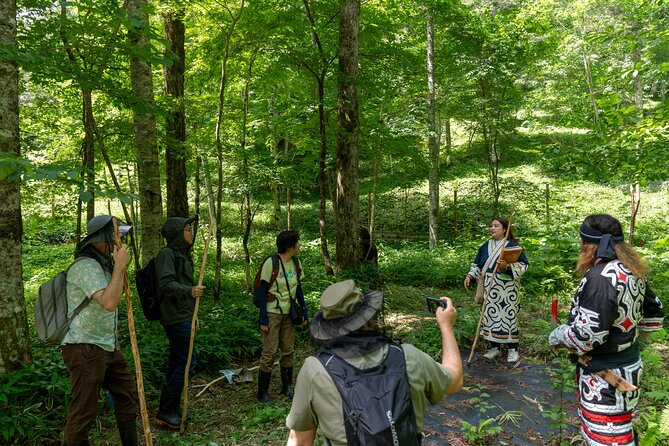
After meeting the guides, the group moves into the forest with transfer during the activity included. This is useful because you do not need to arrange separate local transport between the starting point and the forest portion of the program.
The tour is private, meaning only your group participates. That detail matters more here than it would on a standard sightseeing bus. Cultural questions often come up naturally, and a private format gives you more room to pause, ask, and listen without competing with a large crowd.
No individual guide names are provided, so you should not book expecting a particular storyteller. The important point is that the guides are local Ainu people from the Nibutani area. Their role is not simply to repeat museum labels. They connect the forest to family life, cultural change, and present-day preservation work.
Learning From Trees and Forest Materials
The forest walk focuses on trees and other materials that have been essential to Ainu life. The tour information does not list every species or explain the precise route, so you should expect the guides to shape the detail around the season, forest conditions, and your group.
That open format can be a strength. Instead of rushing through a fixed checklist, you may have time to understand why a certain tree or material mattered. The point is not to memorize plant names. It is to see how a forest can support a community through practical knowledge passed across generations.
This is also where the activity differs from a general woodland tour. You are not paying only for a walk among trees. You are paying for interpretation of the relationship between people and the forest, delivered in the place where that relationship makes sense.
The walk may be most rewarding for you if you are willing to listen closely and ask respectful questions. It is less suitable if you want a fast sightseeing stop with a long list of attractions. The program is built around conversation, observation, and cultural context.
Taking Part in the Simulated Traditional Hunt
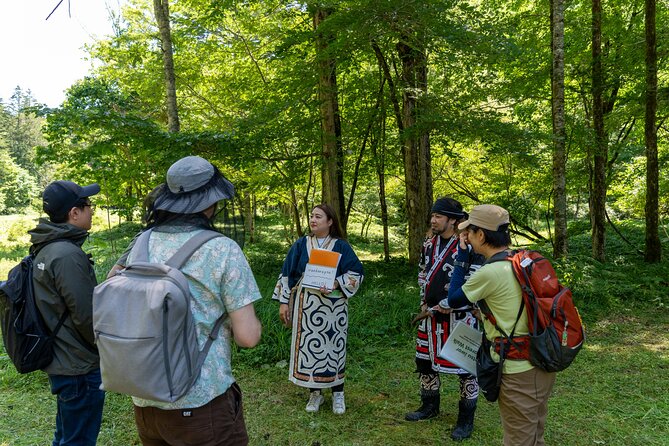
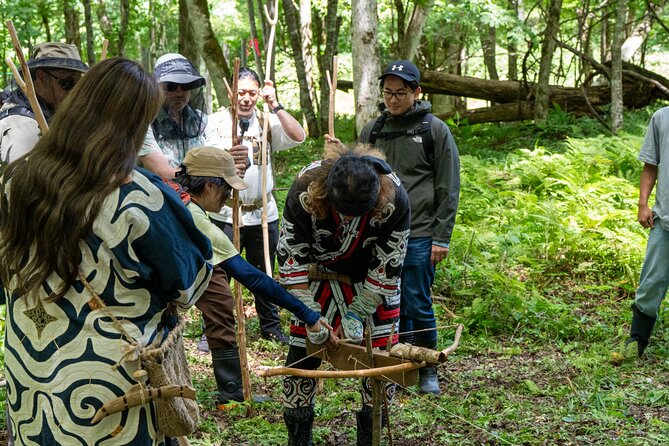
The program includes a simulated traditional hunting experience. This gives you a chance to take part rather than remain a passive listener.
The available information does not explain the equipment, length, or exact method used in the simulation. It is best to view it as a guided cultural activity, not a real hunt and not a wildlife encounter. You will learn about the role of hunting within traditional Ainu life while following the instructions of the local guides.
This part may appeal to families and curious adults who learn best by doing. It can also make the forest stories easier to remember, since you connect the ideas to an activity. If you have physical limitations or concerns about participating, ask the operator in advance. The information says most people can take part, but it does not provide detailed accessibility guidance.
The simulated hunt should be approached with respect. It is not a performance added for quick entertainment. It forms part of the explanation of how Ainu people used the forest and how cultural practices are discussed today.
Understanding the Forest Restoration Project
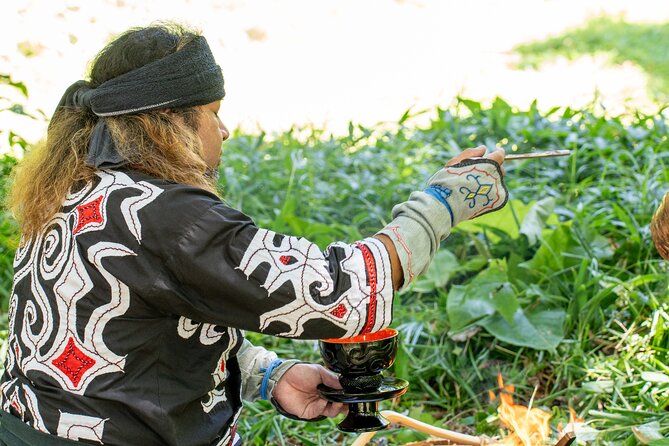
One of the most valuable parts of the outing is its attention to modern forestry. The guides introduce a project designed to restore current forestry areas to the kind of forest that existed more than 150 years ago, when Ainu people used those areas as iwor.
This turns the tour from a look backward into a discussion about the future. You learn that preserving culture is not limited to displaying old objects or repeating old stories. It can also involve land, trees, local decision-making, and the work of younger people.
The project is a collaboration between Biratori Town, the Biratori Ainu Association, and the Hokkaido Regional Forest Office. Younger members of the community are actively involved in protecting and carrying forward Ainu culture.
That current focus is a strong reason to choose this activity over a museum visit alone. You see how cultural preservation can involve practical work in the forest. At the same time, you should keep expectations realistic. The tour introduces the restoration project, but it does not promise that you will perform a major conservation task or visit every part of the project area.


Linking the Forest to Nibutani Crafts
Nibutani has two especially notable traditional crafts. Nibutani ita are wooden trays carved with Ainu patterns. Nibutani attus are woven textiles made from tree bark. Both are the only crafts in Hokkaido designated as Traditional Crafts of Japan.
These crafts help explain why forest materials matter beyond food and shelter. Wood and bark become objects that carry design, skill, and cultural meaning. If you have already visited the Nibutani Ainu Culture Museum, the forest walk can give the displays more context. You begin to see the materials in their natural setting before considering what skilled hands can make from them.
The activity itself does not state that you will take a craft workshop or purchase a tray or textile. You should not assume that crafting is part of the five-and-a-half-hour program. Instead, treat the crafts as an important part of the wider Nibutani cultural setting and ask the provider if you want to add a separate craft experience.
Lunch and the Shape of the Five-and-a-Half-Hour Program
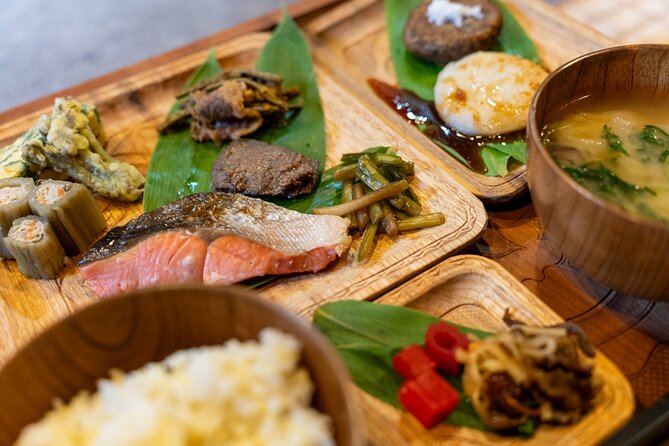
Lunch is included, along with the activity fee, guide fee, admission fee, activity transfers, and rental boots. The exact menu is not specified, so do not book this expecting a particular dish or the full traditional Ainu meal unless the operator confirms it.
The overall timing is about five hours and 30 minutes, beginning at 10:00 a.m. and ending back at the Nibutani Ainu Culture Museum. This makes it a substantial half-day commitment. You should avoid scheduling a tight connection or another fixed activity immediately afterward.
The supplied description places the museum, traditional Ainu cuisine, and forest walk in the wider experience. It does not clearly state that a separate museum tour and full cuisine program are included in this exact booking, so confirm the day’s sequence before you go. Lunch is included, but bottled water is not.
Returning to the original meeting point is convenient. You can leave your car or other belongings there if appropriate, though you should confirm storage arrangements rather than assume the operator offers them.
Is the $1,259.61 Price Worth It?
At $1,259.61 per person, this is an expensive cultural outing. The price is easier to understand when you consider what it combines: local Ainu guiding, a private group format, admission, lunch, boots, and transport during the activity.
Still, those inclusions do not automatically make it good value for every budget. You also pay for the setting and the chance to hear directly from local Ainu storytellers in the forest. That is more personal than a standard museum admission, but the price will be difficult to justify if you only want a quick introduction to Ainu culture.
I would consider it for a small group that places a high value on private guiding and cultural learning. Group discounts may improve the cost for larger parties, so check the final rate before booking. Since the activity is private, splitting the cost among several people may make more sense than booking alone.
Remember the extra costs. You must arrange transportation to the Nibutani Ainu Culture Museum, buy your own bottled water, and cover personal expenses. The experience is non-refundable and cannot be changed for personal reasons, so check your schedule and weather plans carefully before paying.
Weather, Clothing, and Booking Timing
Good weather is required. If poor weather forces a cancellation, you are offered a different date or a full refund. If the minimum number of participants is not reached, you are offered a different date or experience, or a full refund.
The activity provider is JTB Hokkaido. Confirmation is expected within 48 hours of booking, subject to availability. Reservations cannot be confirmed on weekends and holidays because of holidays, so build extra time into your planning and do not leave this booking until the last minute.
The tour includes rental boots, but you should still dress for a forest walk. Wear clothing you can move in and bring water, since bottled water is not included. The available details do not specify the trail surface, temperature guidance, or rain gear, so ask JTB Hokkaido about seasonal conditions if your visit falls during unsettled weather.
Most people can participate, and the activity is private. Detailed accessibility information is not provided, so anyone with mobility, balance, or medical concerns should ask for current trail and transport details before booking.
Who Will Get the Most From This Experience?
I would choose this outing if you want to understand Ainu culture through place, materials, and present-day community work. It suits you especially well if you have already seen a museum and want the next layer: the forest itself, the stories tied to it, and the people working to protect that connection.
It also suits a private family group, a small circle of friends, or serious cultural tourists who prefer conversation to a large organized group. The hunting simulation adds a practical element, while lunch and included boots reduce the need to arrange small details yourself.
I would hesitate if your budget is limited, if you need a flexible cancellation policy, or if you are looking mainly for sightseeing photographs. The forest is central, but the value comes from interpretation. Without time and interest in listening, the cost may not feel worthwhile.
Should You Book the Nibutani Forest Experience?
Book it if you want a carefully focused look at Ainu life that moves beyond museum displays. The strongest reasons are the local Ainu guides, the private format, the forest setting, and the discussion of a restoration project involving Biratori and younger community members.
Before you commit, confirm the exact lunch menu, forest conditions, transport to the museum, and what the simulated hunt involves. If those details fit your interests and the price works for your group, this can be one of the more meaningful ways to spend a half-day in Biratori. If not, the museum and craft traditions of Nibutani may offer a more affordable introduction.
FAQ
Where does the activity begin?
It begins at the Nibutani Ainu Culture Museum, 55-55 Nibutani, Biratori, Saru District, Hokkaido 055-0101.
What time does the activity start?
The scheduled start time is 10:00 a.m.
How long does the experience last?
The activity lasts approximately five hours and 30 minutes.
Where does the activity end?
It ends back at the Nibutani Ainu Culture Museum, the same place where it begins.
Is lunch included?
Yes. One lunch is included in the activity fee.
Are boots provided?
Yes. Rental boots are included.
Is transportation to the meeting point included?
No. Transportation to the Nibutani Ainu Culture Museum is not included. Transfers during the activity are included.
What happens if bad weather cancels the activity?
You are offered a different date or a full refund if poor weather causes cancellation.
Is the activity private?
Yes. Only your group participates.
Can I cancel for a refund?
No. The experience is non-refundable and cannot be changed for personal reasons.
More Tour Reviews in Hokkaido
Other Hokkaido tours worth your shortlist







Ainu Cultural Experiences, side by side.
 ★ 4.9The Indigenous Ainu People & Jozankei walking tourFrom $17025 reviews
 ★ 5.0Full Day Indigenous Ainu of Hokkaido and JozankeiFrom $167.3625 reviewsHokkaido Experience Ainu Culture at Upopoy National MuseumFrom $161.171 reviews
 Ainu Cultural Experience at the Foot of the Hidaka MountainsFrom $460
The lists this tour appears in