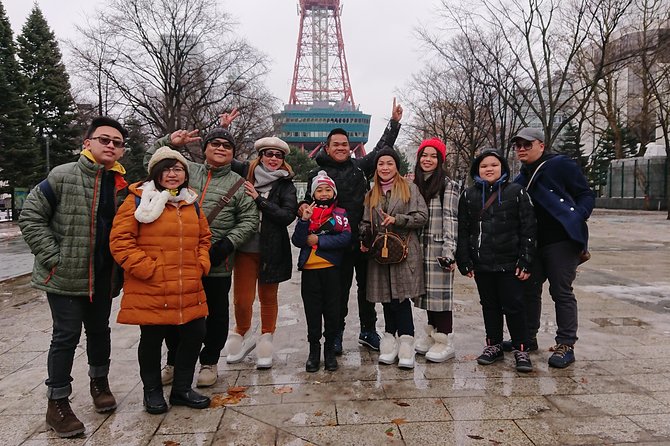
Sapporo is a big, spread-out city, but this four-hour private tour gives you a useful first look without forcing you into a fixed route. You meet a licensed English-speaking guide on foot, then choose two or three sights such as Odori Park, Nijo Market, the Hokkaido Shrine, or the Sapporo Beer Museum.
In This Article
- Key points to know before you book
- A flexible first look at Sapporo
- What you can realistically see in four hours
- Central Sapporo: parks, markets, and landmarks
- Beer, chocolate, and shopping in Sapporo
- Shrines, woods, and seasonal color
- Views and Olympic memories
- Outlying stops that need careful planning
- Family options at the Sapporo Science Center
- The guides make the private format worthwhile
- Practical details that affect your day
- Who should book this Sapporo tour?
- FAQ
- How long is the Sapporo private tour?
- How many sights can I visit?
- Does the tour include hotel pickup?
- Is transportation included?
- Is the tour private?
- Is an English-speaking guide included?
- Are entrance fees included?
- Can I cancel for a refund?
I like the easy hotel pickup and the genuine flexibility. Guides including Roy, Kumiko, Teri, Tom, and Waka have helped visitors shape the outing around food, history, shopping, family interests, or simply getting oriented. I also like that the guides can help with the subway and local customs, not just point at buildings.
The main catch is important: this is a walking tour without a private vehicle, and transportation, entrance fees, lunch, and personal spending are extra. Far-flung choices such as Jozankei Onsen, Moerenuma Park, and Okurayama Ski Jump Stadium may not fit comfortably into four hours.
Key points to know before you book
- Choose only two or three sights: The long list of possible stops is a menu, not a promise to see them all.
- Meet your guide on foot: Pickup is offered within a designated area of Sapporo, but there is no private car.
- Licensed English-speaking guides lead the way: Roy, Kumiko, Teri, Tom, and Waka are among the guides associated with the experience.
- The route can match your interests: Ask for food, architecture, local history, shopping, parks, or family-friendly sights.
- Expect extra costs: Transit, admission tickets, lunch, and personal purchases are not included.
- Best for a first visit: The private format works well when you want quick orientation and personal attention.
A flexible first look at Sapporo
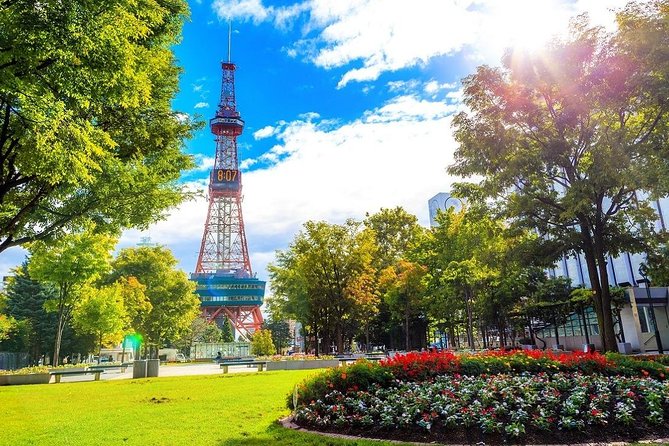
Sapporo is laid out more like a planned North American city than an old Japanese capital. Wide streets, a grid pattern, large parks, and open public spaces make it fairly easy to understand, yet the city’s far-reaching sights can take time to connect.
That is where this experience earns its keep. Instead of spending your short stay working out which subway line reaches which attraction, you can tell the guide what interests you and let that person build a practical half-day route.
The tour lasts about four hours and is private to your group. That matters if you want to stop for food, ask many questions, or adjust the pace. A guide can also help you use the subway, as Tom Yakuwa did for one group, although the cost of that transportation remains yours.
The price is listed at $122.20 per person. For one or two people, that is a sizeable spend for four hours, especially once tickets and transit are added. For a larger group, the personal guiding and shared cost can make better sense, and group discounts are offered.
Our other Sapporo reviews may also help you decide


What you can realistically see in four hours
The description presents 18 possible sights, each with a suggested 30-minute visit. That list is useful because it shows the range of the tour, from markets and beer to shrines, museums, parks, and mountain views.
It is not realistic to visit all 18 in one half-day. You are choosing two or three places, and travel time matters. The smartest plan is to group sights near one another or select one major attraction with a nearby park, market, or historic building.
For example, Odori Park, the Clock Tower, the Former Hokkaido Government Office Building, Sapporo TV Tower, and Nijo Market are all central choices. Maruyama Park and the Hokkaido Shrine work naturally together. A visit to the Sapporo Beer Museum can pair well with food or shopping nearby.
Moerenuma Park, Jozankei Onsen, Okurayama Ski Jump Stadium, and the Historical Village of Hokkaido are more demanding choices. You might find that one of these uses much of your available time, particularly since the tour does not include a private vehicle.
Central Sapporo: parks, markets, and landmarks
Odori Park is the city’s long central green strip, separating north and south Sapporo. It is an excellent place to begin because it helps you understand the city’s layout, and it changes with the seasons.
In February, the park becomes one of the main areas for the Sapporo Snow Festival, a major winter event featuring large snow and ice works. At other times, seasonal events and food stalls may add local flavor. One guide took a group to the Autumn Fest, where food stalls and activities gave the park a more social feel.
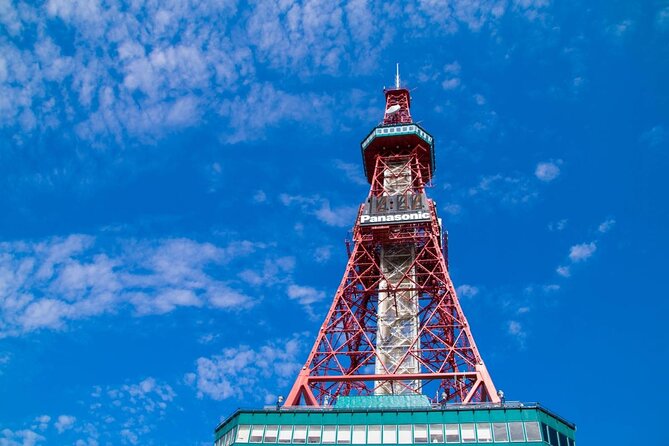
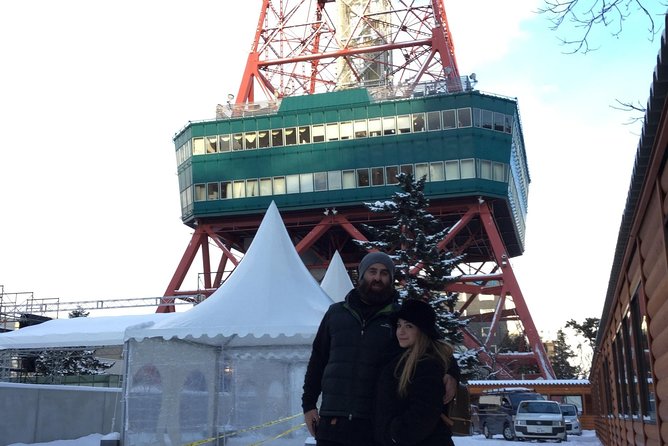
The nearby Sapporo TV Tower offers views over the city from its observation area. Admission is extra, so decide if the view matters to you before using one of your two or three selections. If you prefer street-level orientation, Odori Park itself may be enough.
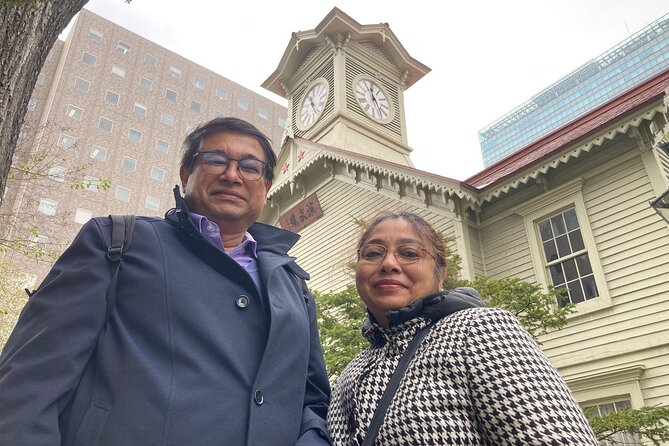
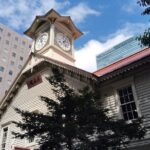
The Clock Tower is one of Sapporo’s best-known symbols. Built in 1878 as a drill hall for Sapporo Agricultural College, it reflects the city’s early development and western architectural influence. It is a compact stop, useful if you want a little history without committing to a large museum.
The Former Hokkaido Government Office Building offers another look at Sapporo’s early modern period. Its western-style design is visually different from the city’s shrines and markets. Admission is not included, and the building is most worthwhile for visitors interested in architecture and the story of Hokkaido’s development.
Nijo Market is the strongest central choice for anyone who plans a food-focused morning or afternoon. The market occupies about one city block and sells local seafood and produce, including crab and salmon. You can browse, ask the guide what to look for, and use the stop to understand Hokkaido’s place in Japan’s food culture.
Beer, chocolate, and shopping in Sapporo
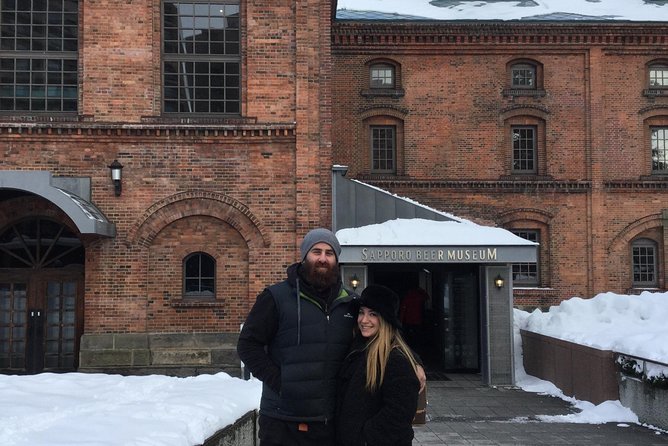
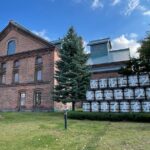
The Sapporo Beer Museum explains the city’s connection with beer. Hokkaido is described as the birthplace of beer in Japan, and Sapporo Beer has been brewed here since 1877.
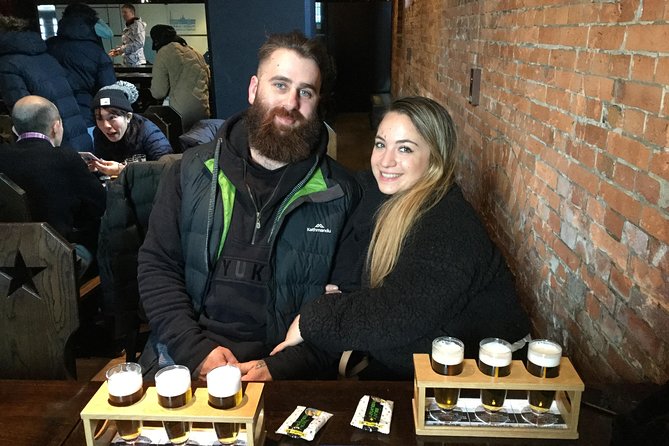
This is a good pick if you enjoy industrial history, local brands, or tastings. Admission is extra, and you should make your interest clear when planning the route. One outing included the museum and tasting several varieties, giving the visit a more hands-on finish than a quick look at the building.
Shiroi Koibito Park takes a sweeter approach. It is linked to Ishiya, the local maker of the Shiroi Koibito cookie, made with thin butter cookies and a layer of chocolate. The park combines the company’s product with a theme-park setting.
This choice makes sense for families, chocolate fans, or anyone looking for a lighter stop. Tickets are not included, and it sits away from the central sights, so it may be better as the main focus of the half-day rather than one item in a crowded route.
Sapporo Factory is a central shopping and entertainment complex with about 160 shops, restaurants, cafes, and other businesses. It is practical when you want shopping or a break from sightseeing, though it offers less sense of old Sapporo than the market, shrine, or historic buildings.
Susukino is the city’s major entertainment district, filled with restaurants, bars, karaoke shops, pachinko parlors, stores, and nightlife businesses. It is a useful stop if you want to understand modern Sapporo after dark or get help choosing an area for dinner. A 30-minute look will introduce the district, but it will not cover everything.
Shrines, woods, and seasonal color
For a quieter side of the city, choose Hokkaido Shrine and Maruyama Park together. The shrine was built in 1871 and remains one of Hokkaido’s important Shinto sites. Its setting beside Maruyama Park gives you a natural pause from the broad streets of central Sapporo.
Maruyama Park works in every season. In spring, its 226-meter hill is known for blooming trees, while other times of year offer a more relaxed walk. The park is listed as a possible stop, but the time and route should be agreed with your guide.
This pair received especially strong praise from the people who worked with Kumiko. She combined Maruyama Park and the shrine with central Sapporo, then helped a couple reach Odori Park by taxi for a seasonal food event. That example shows the value of the private format, but it also shows that taxi fares are separate.
Kumiko’s tours also included clear explanations of Japanese culture, the samurai period, and Hokkaido’s past. If those subjects interest you, say so before the meeting. A private guide can spend time on the questions that matter to you instead of following a standard script.
You can also read our reviews of more guided tours in Sapporo


Views and Olympic memories
Mount Moiwa is one of Sapporo’s popular viewpoints, with broad views across the city. The mountain is southwest of central Sapporo and covered in forest. It is a good choice if your main goal is to see how large and open Sapporo is.
The practical issue is time. A mountain visit can involve transport and waiting, so it may be your principal stop rather than a quick add-on. Admission costs are not included.
At Okurayama Ski Jump Stadium, you can connect Sapporo with the 1972 Winter Olympics. The 90-meter ski jump held Olympic competitions, and the site now serves as a sightseeing point when events are not taking place.
This is a natural choice for sports fans and anyone visiting in winter. As with Mount Moiwa, ask your guide how much time the route will require. The ticket is extra.
Outlying stops that need careful planning
Moerenuma Park is a large park on Sapporo’s outskirts, surrounded by marshland and covering a circuit of about four kilometers. Its scale makes it attractive for people who want open space, modern park design, and a break from city blocks.
It is not a quick central photo stop. Pick it only if the park itself is a priority, and confirm the transport plan before you book. The tour includes no private vehicle and does not cover transportation fees.
The Historical Village of Hokkaido, also called Kaitaku-no-Mura, is an open-air museum with about 60 buildings from across Hokkaido. The structures date mainly from the Meiji and Taisho periods, making this the most useful choice for a longer look at the region’s settlement and development.
Again, the admission fee is extra. The village is best for you if you prefer buildings, exhibits, and local history over shopping or city views.
Jozankei Onsen sits about an hour from central Sapporo inside Shikotsu-Toya National Park. The hot-spring town lies along the Toyohira River among high cliffs. It sounds appealing, but its distance makes it a poor match for a tightly packed four-hour walking plan.
Choose it only after discussing the timing in detail. The listing describes it as a possible sight, but the tour’s basic structure remains a walking outing in Sapporo, not a private day trip by car.
Family options at the Sapporo Science Center

The Sapporo Science Center is aimed especially at families, with more than 200 displays and hands-on exhibits covering natural science and related subjects.
This is one of the clearest choices if you are traveling with children or teenagers. It gives young visitors something active to do, rather than asking them to listen through a long sequence of historical stops. Admission is extra, and the center is outside the tight cluster of central sights.
Waka received warm praise for being patient and family-friendly, and for helping two teenage daughters find interesting food. That is useful context when choosing this experience for a family: the guide’s ability to adjust conversation and stops may matter as much as the attractions themselves.
The guides make the private format worthwhile
The strongest part of this tour is not a single attraction. It is the person walking beside you.
Roy Aoki has helped shape custom routes around individual needs and explained Sapporo’s history and Japanese culture. Teri has been described as friendly and professional. Kumiko has guided groups through markets, parks, shrines, beer tastings, seasonal festivals, and local meals.
Tom Yakuwa has helped visitors navigate the subway and explained the city’s past. Waka has worked well with families and brought food knowledge into the outing. These examples suggest a useful approach: tell the agency what you want to eat, see, learn, or avoid.
The guides are licensed local English speakers, but you should still treat the experience as a conversation rather than a formal lecture. Ask questions. Request a slower pace. If you want more time at Nijo Market and less time at a landmark, say so.
The tour has a 4.9 rating from 42 reviews and is recommended by 98 percent of bookers. Those numbers point to consistently strong guiding, but they do not remove the need to plan the route carefully. A warm, capable guide cannot make distant sights fit into four hours without transport and time costs.
Practical details that affect your day
You receive confirmation when you book, and free cancellation is available up to 24 hours before the local start time. Changes or cancellations made inside that window are not refunded.
The tour is private, so only your group participates. You cannot combine multiple tour groups. Service animals are allowed, and the meeting point is near public transportation.
Most people can take part, but remember that this is a walking tour. Pickup means the guide comes to meet you on foot within the designated Sapporo area, not that a vehicle collects you. Wear comfortable shoes and avoid planning a distant attraction immediately after the tour unless you have allowed extra time.
The guide’s entrance fee is covered only for sights listed under the expected attractions, while your own admission fees are not included. Transportation, lunch, and other personal expenses are also yours to pay.
Who should book this Sapporo tour?
I would recommend it most strongly to first-time visitors with limited time, families that want a flexible pace, and small groups that value personal help more than a low-cost group excursion.
It is also a good fit if you want to understand Sapporo through food. Nijo Market, the Beer Museum, Susukino, and a seasonal event can create a more personal day than simply checking off landmarks.
I would be cautious if you want a full-day excursion to Jozankei Onsen, a long visit to Moerenuma Park, or a vehicle-based tour of far-flung sights. The four-hour limit and walking format make those plans less comfortable.
At $122.20 per person, the value depends on your group size and priorities. You are paying for a licensed guide, a private route, local explanations, and help with navigation. You are not paying for a car, tickets, lunch, or a packed sightseeing schedule.
Book this tour if you want a personal introduction to Sapporo, especially one shaped around your interests. Before the day begins, name your top three choices and ask the guide to rank them by distance and time. That simple step will turn a long list of possibilities into a much better half-day.
FAQ
How long is the Sapporo private tour?
The tour lasts approximately four hours.
How many sights can I visit?
The experience includes a customizable tour focused on two or three sites from the available choices.
Does the tour include hotel pickup?
A guide meets you on foot within the designated area of Sapporo. It is not a private vehicle pickup service.
Is transportation included?
No. Transportation fees are not included, and the tour does not provide a private vehicle.
Is the tour private?
Yes. Only your group participates, and multiple tour groups cannot be combined.
Is an English-speaking guide included?
Yes. The experience includes a licensed local English-speaking guide.
Are entrance fees included?
No. Your entrance fees are not included. Guide entry fees are covered only for sights listed under the expected attractions.
Can I cancel for a refund?
Yes. You can cancel at least 24 hours before the local start time for a full refund. Cancellations or changes made less than 24 hours before the start are not accepted for a refund.
More Tours in Sapporo


More Tour Reviews in Sapporo


More Private Tours in Sapporo


Other Sapporo tours worth your shortlist

Guided, side by side.
 ★ 5.0Sapporo 6hr Private Tour with Government Licensed GuideFrom $155.2257 reviews
 ★ 4.9Private Customized Guided TourFrom $11930 reviews
 ★ 4.5Otaru 4hr Private Trip with Government-Licensed GuideFrom $108.3820 reviews
 ★ 5.0Hakodate 6hr Private Tour with Government-Licensed GuideFrom $269.3217 reviews
The lists this tour appears in