
Hakodate’s old bay district becomes a stage when you put on hakama, arrange your hair, and roll through town in a two-wheeled rickshaw. The outfit connects you with the Western influence that shaped 19th-century Hakodate, while the local shafu, or rickshaw puller, shows you the area at street level.
In This Article
- Key points to know before booking
- Why Hakama changes the feel of Hakodate
- Starting at Hakodate Meijikan
- Riding through the bay district for 30 minutes
- Mori Red Brick Warehouse and the old waterfront
- Western-style buildings and Japan’s oldest telegraph pole
- What the private format means for you
- Is $141.02 a fair price?
- Weather, crowds, and comfort
- Who will enjoy this experience most?
- Booking details that deserve attention
- Should you book the Hakama rickshaw tour?
- FAQ
- Where does the Hakama rickshaw tour begin?
- Where does the tour end?
- How long does the full experience take?
- How long is the rickshaw ride?
- What clothing is included?
- Is makeup included?
- Is this a private tour?
- Can I use a mobile ticket?
- How far in advance should I book?
I like the private format, since your group gets the rickshaw and guide without strangers tagging along. I also like the compact 30-minute ride, which covers the main sights without eating half your day. The main consideration is cost: at $141.02 per person, this is a special-occasion activity, not a cheap way to get around.
Key points to know before booking

- Hakama gives the ride a 19th-century feel: You dress in a Western-influenced Japanese outfit for the city tour and a commemorative photo.
- The rickshaw ride lasts 30 minutes: The full appointment takes about two hours, including dressing and hair arrangement.
- Hakodate’s bay district supplies the scenery: Expect the Mori Red Brick Warehouse, a retro former post office, and Japan’s oldest telegraph pole.
- Your group rides privately: The activity is limited to your party, which makes photos and questions easier.
- The meeting point is Hakodate Meijikan: You return to the same place after the ride.
- Makeup costs extra: Hakama, hair arrangement, footwear, and the rickshaw are included, but personal expenses and makeup are not.
Why Hakama changes the feel of Hakodate

Hakodate is one of Hokkaido’s major cities, set at the northern end of Japan. Its bay area has an unusual visual mix: Japanese streets and customs sit beside brick warehouses, old commercial buildings, and architecture shaped by contact with the West.
That mix is the reason this activity works. A standard sightseeing walk lets you look at the buildings. Wearing hakama makes the setting feel more personal and gives your photographs a clear connection to the city’s late-19th-century character.
Hakama is a formal Japanese garment associated with traditional dress, but this experience presents it as a Western-influenced style. That detail matters. You are not simply wearing a costume against an old backdrop. You are wearing clothing linked to the period when Hakodate was changing and taking on new outside influences.
I like that the tour uses the outfit as part of the city story rather than treating it as a separate photo session. You get dressed, walk or ride into the historic area, and see buildings that fit the period.
We have reviewed more tours and experiences across Hakodate; these are worth comparing before you book.


Starting at Hakodate Meijikan
Your appointment begins at Hakodate Meijikan, at 11-17 Toyokawacho, Hakodate, Hokkaido 040-0065. The location is near public transportation, which makes it a practical starting point for a day around the bay district.
The first part of the roughly two-hour activity is preparation. Your included package covers the hakama, hair arrangement, footwear, and rickshaw fee. Makeup is not included, so plan to arrive with your own makeup done if that matters to your photographs.
The information provided does not specify how long the clothing and hair preparation takes. That is worth keeping in mind if you are planning lunch, a museum visit, or a train connection immediately afterward. The ride itself is only 30 minutes, but the whole appointment is about two hours.
You will want to allow enough time to get comfortable in the outfit. Hakama is formal clothing, and the point is not to rush through the change and race to the rickshaw. The preparation is part of the experience, especially if you want a good commemorative picture.
Riding through the bay district for 30 minutes
The rickshaw is a two-wheeled vehicle pulled by a driver known as a shafu. It became part of Japanese city life in the late 19th century, which gives the ride a direct link to the era represented by Hakodate’s older buildings.
Your shafu guides the rickshaw through the bay area and points out the city’s blend of Japanese and Western styles. Because the activity is private, you can focus on your own group, ask questions, and take photographs without trying to keep pace with a larger party.
The 30-minute route is short by design. You will not see every corner of Hakodate, but you can cover the main historic area without committing to a full afternoon. I see this as a good choice for someone with limited time, a cruise stop, or a packed Hokkaido itinerary.
The short ride also has a practical advantage. A rickshaw tour is a slow, exposed way to see a city, and 30 minutes gives you the experience without making it the only activity of the day. You get the old-fashioned pace, then have time to continue exploring on foot.
Mori Red Brick Warehouse and the old waterfront
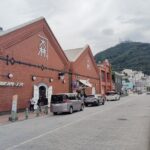
The Mori Red Brick Warehouse is one of the main sights named for the route. Red-brick buildings give this part of Hakodate a strong late-19th-century look, and they work especially well with the hakama outfit in photographs.
From a rickshaw, you see the buildings from the road rather than entering them as a shopper or museum visitor. That difference is important. The ride is about the connection between clothing, street scenes, and movement through the district.
The warehouse area is also one of the places where the city’s older commercial identity meets its current use. The supplied details do not specify particular shops, restaurants, or interiors included in the tour, so you should treat the warehouse as a sightseeing and photo stop from the rickshaw, not as a guided shopping visit.
If you want time inside the buildings, plan that separately after the activity. The 30-minute ride is built around seeing the streets and landmarks, not lingering at every stop.
Western-style buildings and Japan’s oldest telegraph pole

The route also includes a retro former post office building. Hakodate’s semi-Western architecture is one of the central themes of the ride, and this building helps show how the city looked as new communication, trade, and foreign influence reshaped it.
You will also see what is described as the oldest telegraph pole in Japan. It is a small object compared with a warehouse or grand building, but that is part of its appeal. Historic city tours are often strongest when they include these modest details, not just the obvious postcard views.
A telegraph pole points to the practical side of modernization. It is a reminder that Hakodate’s transformation was not only about handsome façades. New systems of communication changed how the city connected with the rest of Japan and the wider world.
The shafu’s commentary should help place these sights in context, although no guide name or detailed language information is provided. If you have specific questions about the buildings, ask during the ride. A private tour gives you a better chance to shape the conversation around your interests.


What the private format means for you
This is a private activity, so only your own group participates. That is one of the strongest features for couples, families, and small groups who want photographs without a crowd around them.
A private rickshaw also makes the pace feel less rigid. The published details do not promise custom stops or a fully tailored route, so you should not assume that every landmark can become a long photo break. Still, you have a more personal setting for questions and pictures than you would on a large group outing.
The activity offers group discounts, though the exact discount is not provided. If you are traveling with several people, check the final price before booking. The per-person cost may look more reasonable when shared among a group that values the private setting and photographs.
A mobile ticket is available, which is useful when you are moving around Hakodate with a phone rather than carrying printed paperwork. Confirmation is sent within 48 hours of booking, subject to availability. Since the activity is often booked about 50 days ahead, reserve early if your date is fixed.
Is $141.02 a fair price?
At $141.02 per person, the price is high for a 30-minute ride. It becomes easier to justify when you count the full package: hakama rental, hair arrangement, footwear, a commemorative photo opportunity, a private rickshaw, and about two hours at the meeting point.
You are paying for a special format, not simply transportation. A taxi or ordinary sightseeing walk would cover more ground for less money, but neither would give you traditional dress, a shafu, or the same connection between the outfit and Hakodate’s old streets.
For a solo visitor, the price may feel difficult to defend unless the clothing and photo element are a major goal. Couples and small groups may find the private setting more appealing, particularly if you want a shared memory rather than a quick landmark stop.
Group discounts could improve the value, but you need to confirm the actual amount before counting on them. Makeup is extra, and personal expenses are not covered, so include those costs if you want a more elaborate finished look.
I would compare this activity with your priorities. If you want a broad city tour, spend the money elsewhere. If you want a polished, personal photo experience tied closely to Hakodate’s historic center, the price is more understandable.
Weather, crowds, and comfort
The experience is presented as a way to look around the city without worrying as much about crowds and bad weather. The private vehicle helps with crowds, since you are not joining a large party. However, the available details do not explain whether the rickshaw has a canopy, rain protection, or a weather-related operating policy.
For that reason, check the conditions on the day and ask the operator about clothing and rickshaw arrangements if rain is forecast. You should not assume the ride is fully sheltered.
The rickshaw offers a gentler way to see the district than covering the same streets on foot, but the information does not provide details about seating, accessibility, or clothing limitations. Most people can participate, yet anyone with mobility or comfort concerns should confirm specifics before paying.
The activity ends back at Hakodate Meijikan. That makes it easy to continue around the bay area afterward, and it avoids the nuisance of finding your way back from a separate drop-off point.
Who will enjoy this experience most?
I would recommend it first to visitors who want photographs with a clear sense of place. The combination of hakama, red-brick buildings, the former post office, and the telegraph pole gives your pictures more character than a generic rental session.
It also suits couples and families who prefer a private activity. You can share the ride without being placed with strangers, and the short route leaves room for other Hakodate sights.
This is a sensible choice for a first visit when your schedule is tight. In two hours, you get prepared, dressed, photographed, and taken through the principal bay-area sights. You do not need to know the historic district well in advance.
I would be more cautious if you dislike formal clothing, want extensive historical commentary, or expect a long sightseeing route. The central experience is atmosphere and presentation. It is not a full Hakodate history tour or a day-long rickshaw circuit.
Booking details that deserve attention
The experience is non-refundable and cannot be changed after booking. That is the biggest financial risk, so make sure your date and group size are settled before you reserve.
Confirmation arrives within 48 hours, subject to availability. Since people commonly book around 50 days ahead, last-minute availability should not be assumed, especially during busy travel periods.
You meet and finish at Hakodate Meijikan. The activity includes the rickshaw ride fee, hakama, hair arrangement, and footwear. It does not include makeup or personal expenses.
Most people can participate, and the meeting point is near public transportation. The tour is offered as a private activity, with only your group taking part. The available information does not name the shafu or promise a particular language, so ask the provider if that affects your decision.
Should you book the Hakama rickshaw tour?
Book it if you want a short, polished cultural experience with photographs and a private ride through Hakodate’s old bay district. The outfit is not an afterthought. It links you to the city’s period of Western influence, while the rickshaw gives you a slow view of the streets and landmarks.
Skip it if you are mainly looking for the lowest-cost way to see Hakodate or if 30 minutes on the road feels too brief for the price. You can explore the same district independently for far less.
For the right person, this is a memorable splurge. Reserve well ahead, confirm the weather arrangements and any language needs, and leave room in your schedule for the two-hour appointment. If the idea of rolling past red-brick warehouses in formal hakama sounds more appealing than checking off a long list of sights, this activity earns its place in your Hakodate plans.
FAQ
Where does the Hakama rickshaw tour begin?
The activity begins at Hakodate Meijikan, located at 11-17 Toyokawacho, Hakodate, Hokkaido 040-0065, Japan.
Where does the tour end?
The activity ends back at the meeting point at Hakodate Meijikan.
How long does the full experience take?
The complete activity lasts approximately two hours.
How long is the rickshaw ride?
The rickshaw portion lasts 30 minutes.
What clothing is included?
Hakama, footwear, and hair arrangement are included in the experience.
Is makeup included?
No. Makeup is not included, and personal expenses are also excluded.
Is this a private tour?
Yes. Only your own group participates in the activity.
Can I use a mobile ticket?
Yes. A mobile ticket is available.
How far in advance should I book?
The experience is booked an average of 50 days in advance. Confirmation is sent within 48 hours of booking, subject to availability.
More Tours in Hakodate
More Tour Reviews in Hakodate
Other Hakodate tours worth your shortlist





Japanese Culture Experiences, side by side.
 ★ 5.0Mondo’s most popular plan! Experience making soba noodles and the king of Japanese cuisine, tempura, in Sapporo!From $85.7971 reviews
 ★ 5.0Chopsticks Making Experience in SapporoFrom $42.358 reviews
 ★ 5.0Private Kimono Styling with Memory Photos by a Bridal StylistFrom $130.318 reviews
 ★ 5.0Calligraph Name in Japanese and Dress in KimonoFrom $42.824 reviews
The lists this tour appears in