Hakodate’s best selling point is how much variety fits into five hours: old churches, samurai history, fresh seafood, waterfront shopping, and one of Japan’s finest city views. I like the private car and the direct port pickup, since you avoid waiting for a large bus and can keep an eye on your sailing time. I also like that the route mixes famous stops with room for a local lunch or a small change of plan.
In This Article
- Key points to know before booking
- Why a private car makes sense in Hakodate
- Motomachi’s slopes and churches
- Goryokaku Tower and the star-shaped fort
- Hakodate Morning Market for seafood and lunch
- Kanemori Red Brick Warehouses by the water
- Mt. Hakodate’s famous summit view
- The Japanese-only driver and translation apps
- What $521 buys your group
- Who will get the most from this shore outing
- Practical details that affect your day
- Should you book the Hakodate Highlights Shore Excursion?
- FAQ
- How long does the Hakodate shore excursion last?
- Where does pickup and drop-off take place?
- Which sights are included in the route?
- Are entrance fees included?
- Does the driver speak English?
- Is food included in the tour price?
- What happens if I want extra time or an unplanned stop?
The main consideration is communication. Your driver speaks Japanese only, so you’ll use a translation app for questions and requests. That worked well for several recent bookings, but if you want long historical explanations at every stop, a guide who speaks your language would be a better fit.
Key points to know before booking
- Five major Hakodate stops in one private vehicle: Motomachi, Goryokaku Tower, the Morning Market, Kanemori Red Brick Warehouses, and Mt. Hakodate.
- A good match for cruise timing: Pickup and drop-off are at Hakodate Port, with the five-hour clock starting at your reserved pickup time.
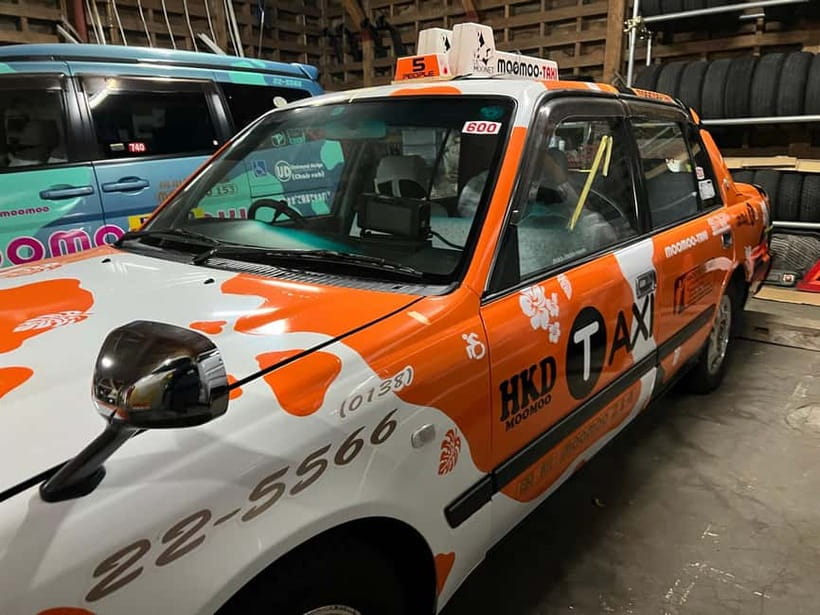
- Miyamoto has been praised for using translation tools well: A Japanese-speaking driver can still make the day easy when you keep communication simple.
- Goryokaku Tower and Mt. Hakodate cost extra: Both are listed as optional, and entrance or area fees are paid separately.
- The market is flexible by start time: A noon departure may visit the Morning Market first, since the market’s busiest hours are earlier in the day.
- The price works best for a small group: At $521 for up to three people, the cost is about $174 per person when three people share the car.
Why a private car makes sense in Hakodate
Hakodate is compact enough to visit in half a day, but its sights are spread across different parts of the city. Motomachi is on the western side, Goryokaku is inland, the Morning Market sits near the station, and Mt. Hakodate rises above the port.
That geography makes a private car useful. You do not need to work out local buses between each stop, find a taxi at the end of a visit, or carry shopping bags through several transfers. The driver picks you up with a name board and returns you to the port after the final stop.
The five-hour limit matters. It includes driving, sightseeing, meals, and all stops, so this is not a leisurely day with endless time at each place. Think of it as a well-packed introduction to Hakodate. You see the city’s main themes, then decide what deserves a longer visit on a future trip.
The route can change depending on your start time. If you leave around noon, the Morning Market may come first. Minor adjustments are also possible if they do not add much driving time, so tell the driver early if you care most about seafood, views, shopping, or historic streets.
Our other Hakodate reviews may also help you decide


Motomachi’s slopes and churches
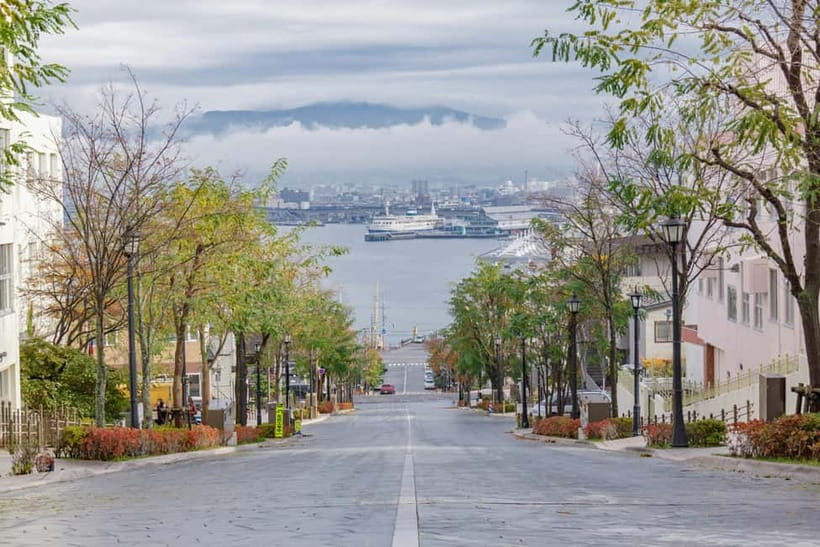
Motomachi is the most atmospheric walking stop. The district climbs from the port up a series of steep streets, including Hachiman Zaka Slope. From the top, you get a long view toward the water, with the broad street creating one of Hakodate’s familiar postcard scenes.
The slopes are not just photo points. They show how Hakodate developed as one of Japan’s early international ports. Western-style buildings and churches sit among Japanese streets, giving the area a look that differs from the usual temple-and-shrine image of Japan.
Plan on walking here. Your car can bring you close to the area, but the pleasure is on foot, where you can notice the changing views and old buildings. The hills are manageable for many people, yet they are genuinely steep. Comfortable shoes will help, and anyone with limited mobility should tell the operator in advance so the driver can explain what access is practical.
The time available here depends on the rest of the outing. If you stop for photos at several slopes and churches, you may have less time at the market or warehouses. I would ask the driver at the start how long you can spend in Motomachi without putting the ship return at risk.
Goryokaku Tower and the star-shaped fort
Goryokaku is one of Hakodate’s most distinctive sights. From ground level, the full shape of the old fort is difficult to grasp. From Goryokaku Tower, its five-pointed design becomes clear, laid out below you like a geometric star.
The fort also connects Hakodate with the final chapter of the samurai era. Its unusual Western-style design reflects a period when Japan was changing quickly and defending its northern gateway. You do not need a long lecture to understand the appeal. The aerial view makes the story visible.
The tower entrance is optional and not included in the tour price. That is fair, since some people will value the panorama more than others, but you should budget for the admission fee if this is a must-see. Ask whether the tower is open and how much time you have before paying, especially if weather is poor.
This is one of the stops where a Japanese-speaking driver may provide less background than a formal guide. Use your translation app for a quick explanation, or read about Goryokaku before departure. The view itself does most of the work.
Hakodate Morning Market for seafood and lunch
The Morning Market is the food stop, and it adds a welcome taste of daily Hakodate to the sightseeing. Stalls offer seafood such as crab, squid, and sea urchin, along with other local specialties and souvenirs.
You pay for food and drinks yourself. The tour does not include a meal, and the driver cannot arrange restaurant reservations, so keep your choice flexible. This is actually useful on a short shore outing because you can choose how much time and money to spend rather than follow a fixed menu.
Fresh seafood is the obvious draw, but you should not feel pressured to order the most expensive item. If sea urchin or crab is not your thing, browse the stalls, select something familiar, or use the stop for a quick snack. The market can also be a good place to buy edible gifts, though you will need to carry them for the rest of the tour.
Timing is important here. The name Morning Market is a clue. A morning start gives you the best fit with its purpose, while a midday departure may put the market first so you do not arrive too late. The exact order depends on your pickup time, and you should ask the driver how long is sensible for lunch.
One useful detail from the experience is the driver’s role in local food choices. A driver may point you toward a suitable lunch spot, but this is not the same as having a food guide or a reservation. Keep your expectations practical and enjoy the freedom to choose.
Kanemori Red Brick Warehouses by the water
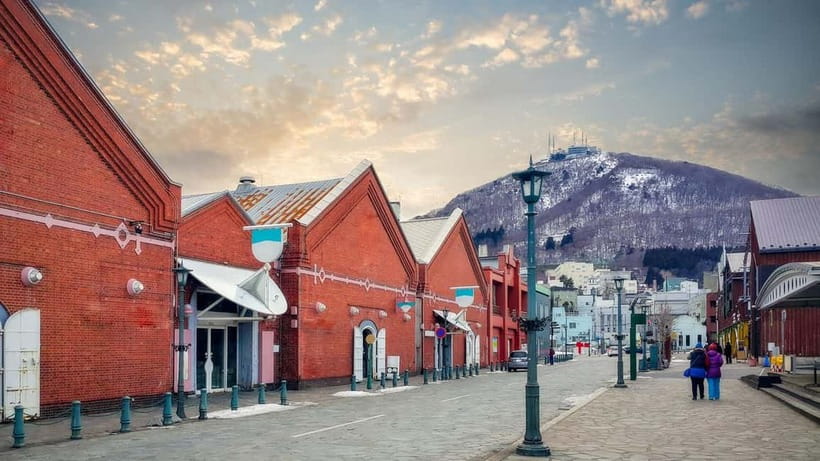
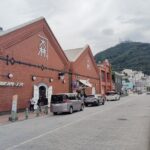
The Kanemori Red Brick Warehouses offer a change of pace after the market. These former commercial buildings now hold boutiques, cafés, and gift shops, making them an easy place to browse without committing to a long museum visit.
The brick buildings also help connect Hakodate’s port past with its present-day shopping scene. You can look at the architecture, pick up a small souvenir, or pause for a drink. The waterfront setting gives this stop a relaxed feel, though your available time may be short after Motomachi, Goryokaku, and lunch.
I would use the warehouses as a flexible stop rather than the main reason to book the tour. They are useful for shopping and a breather, especially if your group wants different things. One person can browse while another takes photos or rests nearby.
If you are trying to see every listed site, do not spend too long here. The Mt. Hakodate visit is the grand finale, and weather or traffic can affect how much time remains.


Mt. Hakodate’s famous summit view
The final climb to Mt. Hakodate gives the tour its biggest visual payoff. From the summit, Hakodate narrows between the sea and harbor, with city lights, water, and surrounding mountains filling the view when conditions are clear.
This is a particularly strong ending because it pulls the day together. From Motomachi, you have seen the port at street level. From Goryokaku Tower, you have looked down on the fort. From Mt. Hakodate, you see the city’s full shape and position.
The summit viewpoint is optional, and its entrance or area fee is not included. Weather makes a real difference, so ask the driver about visibility before deciding. A cloudy day can turn a famous panorama into a gray outline, although the drive may still be worthwhile if the conditions are expected to improve.
Leave enough time for this stop. The five-hour period includes the return to Hakodate Port, and overtime brings extra charges. Since cruise departure is the firm deadline, do not request an unplanned long stop earlier in the day unless you are willing to shorten another visit or pay for additional time.
The Japanese-only driver and translation apps
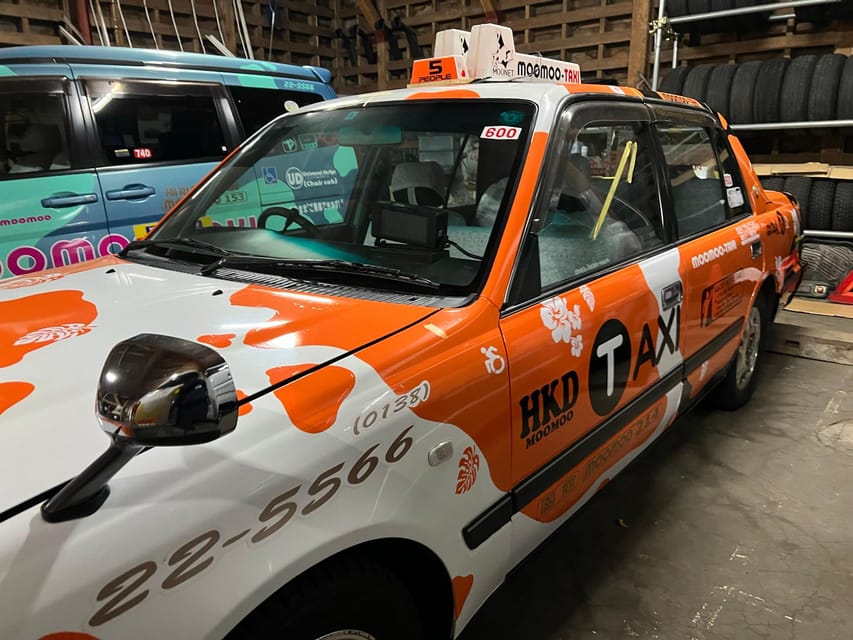
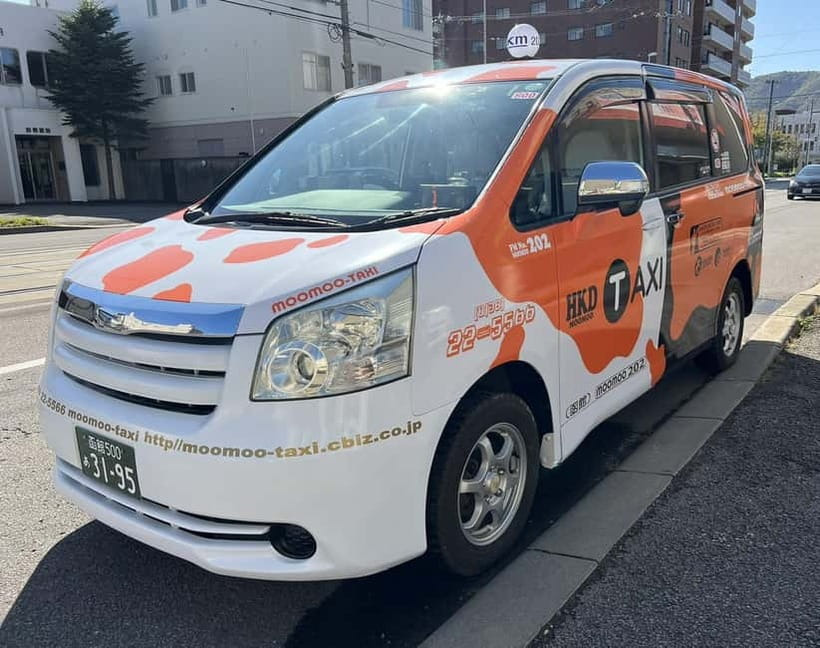
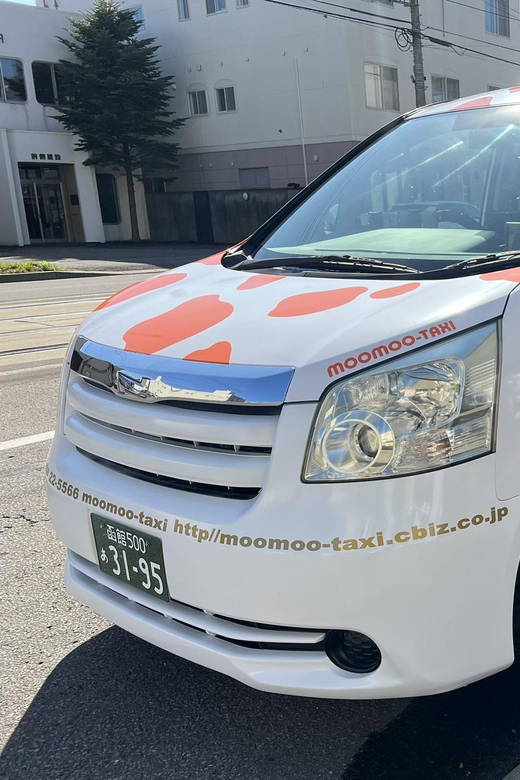
This is a private car charter, not a traditional guided tour with a narration in several languages. The driver speaks Japanese only. Communication in other languages is supported through translation apps, and recent bookings found this workable, including one with a driver named Miyamoto.
The best way to make this arrangement work is to keep requests clear and specific. Show the driver your preferred sights, use short phrases, and confirm the time for returning to the car. You can also write down any food concerns or mobility needs before pickup.
There is an upside to this setup. You get a private driver focused on your group rather than a large party moving on a fixed script. Several recent bookings had the same driver helping with extra sights or local suggestions, including places outside the standard route. That flexibility is valuable, but it depends on time and should not be treated as guaranteed.
If you want detailed historical storytelling, this tour may feel quiet. If your priority is transport, views, food, and control over the day, the language issue is less serious.
What $521 buys your group
The price is $521 per group of up to three people. For three people, that works out to about $174 each. It is not a budget taxi ride, but the comparison should be with three separate taxis, port transfers, and the time lost figuring out each connection.
The price includes pickup and drop-off at the port or a city hotel, private vehicle charter, tolls, and parking fees. Meals, drinks, entrance fees, and personal purchases are extra. Customer-requested overtime, added tolls, and extra parking fees may also be charged on site.
For two people, the cost per person is higher. For three people, the value is easier to defend, especially if you want all five major stops and a dependable return to the ship. A larger group can also book a van for up to nine people, while an MPV or Alphard can carry up to five. Confirm the correct vehicle if your party grows after booking, since added passengers can change the charge.
The most sensible way to judge the price is by your priorities. If you would be happy with one neighborhood and a market visit, this is more car than you need. If you want Goryokaku, Motomachi, the warehouses, seafood, and Mt. Hakodate in one port day, the private setup saves effort.
Who will get the most from this shore outing
I would recommend this tour to a small group that wants to see a lot without joining a bus excursion. It is especially useful for cruise passengers who care about getting back to the port on time and dislike changing transport several times.
Families and mixed-age groups may also appreciate the car. You can avoid keeping a large party together on busy streets, and the driver can adjust minor details when time allows. The flexible format is also useful for three friends with different interests.
This is less suitable for someone who wants a slow, in-depth walking tour of Motomachi or a long meal at the market. It is also not the right choice if you need extensive English explanation from the driver. The itinerary packs in several stops, so you should expect highlights rather than a full study of Hakodate.
The tour is open to hotel-based visitors as well as cruise passengers, with city hotel pickup available. For a port day, though, the direct ship pickup and return are its strongest practical advantages.
Practical details that affect your day
Your five hours start at the reserved pickup time, not when you reach the first attraction. That includes all driving, meals, sightseeing, and waiting, so arrive ready to leave.
Entrance fees are paid directly at each site. Set aside money for Goryokaku Tower and Mt. Hakodate if you want both paid viewpoints. Food, drinks, souvenirs, and any personal expenses are also separate.
The driver waits with a name board displaying your name. Confirm the exact pickup point at the port, since a large cruise terminal can make meeting locations confusing.
The vehicle uses the front passenger seat when it is full. An MPV or Alphard can carry up to five people, while a van can carry up to nine. If you add passengers after booking, ask about the new price before the day of the tour.
Free cancellation is available up to 24 hours before the start time, and you can reserve now and pay later. Those terms help if your cruise schedule is still shifting, but you should still check the final booking conditions for your date.
Should you book the Hakodate Highlights Shore Excursion?
Book it if you want maximum coverage with minimum transport hassle, especially with two or three people sharing the cost. The combination of private pickup, Goryokaku’s unusual view, the seafood market, Motomachi’s slopes, and Mt. Hakodate gives you a strong first look at the city.
Think twice if you need an English-speaking guide, want long visits at each site, or prefer to keep costs low. The Japanese-only driver and extra entrance fees are the two points to weigh carefully.
For most cruise passengers with a five-hour window, I see this as a practical choice. Tell the driver which stops matter most, protect your return time, and use translation apps without fuss. You will come away with Hakodate’s history, food, architecture, and views in one manageable half-day.
FAQ
How long does the Hakodate shore excursion last?
The tour lasts five hours, starting at the reserved pickup time. The period includes driving, sightseeing, meals, and all planned stops.
Where does pickup and drop-off take place?
Pickup and drop-off are available at Hakodate Port. Pickup and drop-off at city hotels are also available.
Which sights are included in the route?
The planned route includes the Motomachi area and Hachiman Zaka Slope, Goryokaku Tower, Hakodate Morning Market, Kanemori Red Brick Warehouses, and the Mt. Hakodate summit viewpoint.
Are entrance fees included?
No. Entrance or area fees, including optional visits to Goryokaku Tower and Mt. Hakodate, are paid directly at each site.
Does the driver speak English?
The driver speaks Japanese only. Communication in other languages is supported through translation apps.
Is food included in the tour price?
No. Meals and drinks are not included. You choose and pay for any food at the Morning Market or elsewhere.
What happens if I want extra time or an unplanned stop?
The five-hour period is fixed. Extra time, added tolls, and additional parking fees may apply for requested extensions or unplanned stops, with payment made on site.
More Tours in Hakodate
More Tour Reviews in Hakodate
More Hakodate Tours in Hakodate
Other Hakodate tours worth your shortlist




Hakodate Tours, side by side.
 ★ 5.0Hakodate 6hr Private Tour with Government-Licensed GuideFrom $269.3217 reviews
 ★ 4.5Hakodate Exploration Tour with Private GuideFrom $407.209 reviews
 ★ 5.0Hakodate 4hr Private Tour with Government-Licensed GuideFrom $221.527 reviews
 ★ 4.44-Hour Cultural and Historical Highlights TourFrom $4165 reviews
The lists this tour appears in