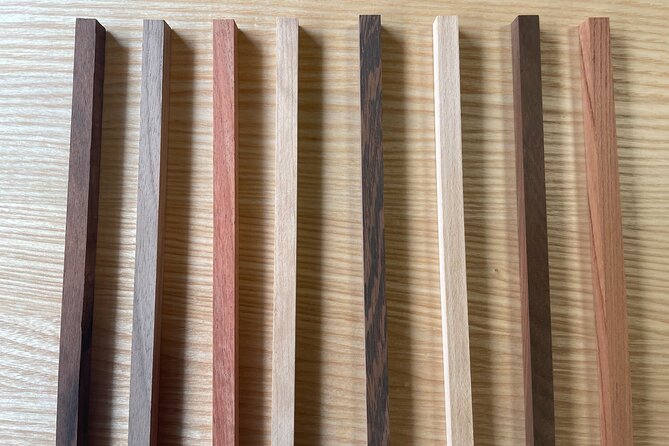
The best part of this Sapporo workshop is that you make a useful souvenir from raw wood, not simply pick one from a shop shelf. You choose the wood, shape it with traditional Japanese planes, smooth it by hand, and finish it with natural oil. The result is personal, slightly imperfect, and yours.
In This Article
- Key points to know before booking
- Starting at 和do Studio Sapporo
- Choosing wood with Erika
- Shaping chopsticks with Japanese planes
- Sanding for a comfortable finish
- Applying natural oil to bring out the grain
- Why chopsticks make a meaningful Japanese souvenir
- A private one-hour activity for couples and families
- What the price means at $42.35
- Practical clothing and comfort advice
- Who should book this workshop
- Should you book the chopstick-making experience?
- FAQ
- Where does the chopstick-making experience begin?
- How long does the activity last?
- How many people can join?
- What is included in the price?
- Is transportation included?
- What should I wear?
- Can I cancel for a full refund?
I like the choice of wood species, since color and grain give each pair its own character. I also like the private format, with space for up to six people and an instructor, Erika, who guides you through the tools and helps you work at a comfortable pace.
The main thing to consider is the physical effort. One participant found that a harder wood required real force and left their hands a little sore. You should also expect wood chips and dust, though aprons are provided.
Key points to know before booking
- You shape the chopsticks from start to finish, rather than decorating a ready-made pair.
- Erika leads the session and explains how to use the tools before you begin.
- You choose from several types of wood, each with different colors and textures.
- The finished chopsticks receive a natural-oil finish, then go home with you as a practical keepsake.
- The one-hour activity is private for your group, with a usual limit of six people.
- Aprons are supplied, but comfortable clothes that can get dusty are a smart choice.
Starting at 和do Studio Sapporo
The activity begins at 和do Studio Sapporo in Sapporo’s Chuo Ward, at Minami 3 Jo Nishi 9 Chome, 998 IC High Dense. The studio is near public transportation, so you can reach it without arranging private transport, though the exact transit route depends on where you are staying.
The meeting point matters because this is a focused workshop, not a sightseeing tour with several stops. You arrive, settle in, and spend the full session working at the bench. If you are fitting this into a busy day of markets, museums, and food stops, allow enough time to find the studio and arrive ready to begin.
The experience ends at the same place. Public transportation, private transportation, and meals are not included. That is easy to manage for a one-hour activity, but remember to budget for your own route to and from the studio.
We have reviewed more tours and experiences across Sapporo; these are worth comparing before you book.


Choosing wood with Erika
Your first real decision is the wood itself. You select a blank from several varieties, with each one offering its own color and texture. This is more than a quick design choice. The wood affects how the chopsticks look, how they feel in your hand, and how much effort shaping them may require.
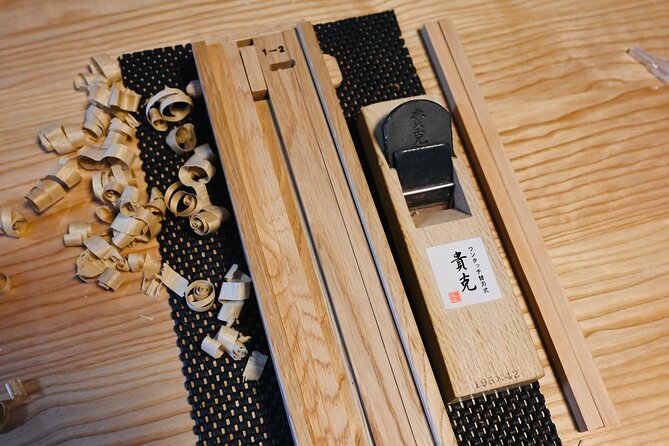
Erika provides an introduction to the materials, tools, and basic process before you start. This short explanation is important because the planes are working tools, not just craft-room props. You need to understand how to hold and guide them before removing wood.
I like this opening because it gives you a direct connection to the material. You are not handed an identical kit and told to follow a pattern. You make a choice, then see that choice change as you work.
The hardest wood may not be the best choice if you want a gentle, relaxing hour. A softer blank could be more comfortable, especially for children or anyone with limited hand strength, but the available woods and their exact hardness are not specified. Ask Erika for guidance if ease of shaping matters to you.
Shaping chopsticks with Japanese planes
Once the wood is selected, you begin shaping the pair with planes. This is the most hands-on part of the experience and the stage that gives the chopsticks their character. You gradually remove material until the blanks begin to look like slender eating utensils.
The process rewards patience. Move too quickly and you may remove more wood than intended. Work slowly and you can pay attention to the developing profile, the feel of the grain, and the balance between the two chopsticks.
You should not expect factory-perfect matching. The charm here comes from making the pair yourself. Small differences can remain, and those marks show that the chopsticks passed through your hands rather than through an assembly line.
The work can also be more tiring than the simple one-hour duration suggests. One finished pair required enough force to leave the maker’s hands a little sore. If your hands are sensitive, tell Erika early and choose a blank that is easier to shape. A comfortable pace is more important than trying to remove wood quickly.
This is also where the private setup helps. Your group is not competing for the instructor’s attention with a large class. The normal maximum is six people, and larger groups may sometimes be accommodated if they are willing to wait a little. Contacting the studio about a larger party is sensible before booking.
Sanding for a comfortable finish
After the main shape is complete, you smooth the surface with sandpaper. This step may sound less exciting than planing, but it has a big effect on the finished pair. Sanding removes rough spots and helps the chopsticks feel comfortable in your fingers and against food.
You can use this stage to refine the shape. Run your fingers along the wood and look for areas that still feel sharp or uneven. The work is slower than the planing, but it gives you a chance to settle into a steady rhythm.
This is likely the most relaxing section of the activity. The tools are simple, the pace is unhurried, and you can concentrate on small improvements. One participant described the whole experience as especially relaxing and enjoyable, and that makes sense: the workshop asks for attention without demanding technical perfection.
Wood dust and small chips may be present during the activity. Aprons are supplied, but wear clothes that can handle a little mess. The studio advises comfortable clothing, and I would take that seriously rather than arriving in something delicate or difficult to clean.
Applying natural oil to bring out the grain
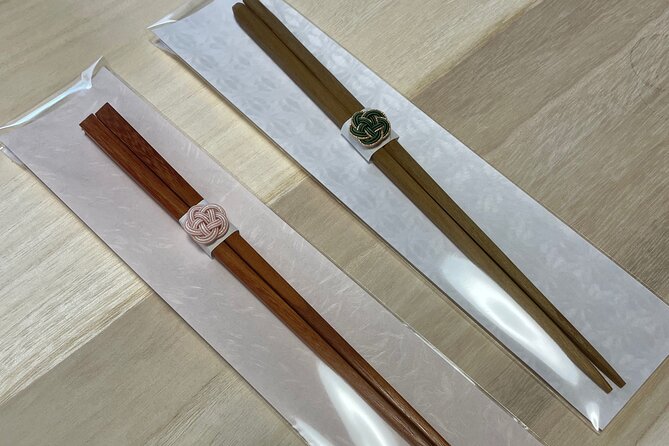
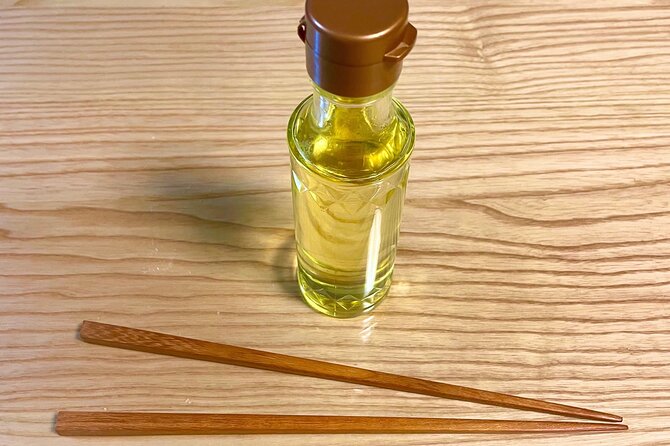
The final treatment is natural oil. You apply it to deepen the color, bring out the wood’s appearance, and give the surface protection. This is the moment when the pair begins to look finished.
Oil can make a plain piece of wood look much more distinctive. Grain that was hard to notice during the early stages becomes clearer, and the different wood choices start to show their value. The finish also gives the chopsticks a smoother, more complete feel.
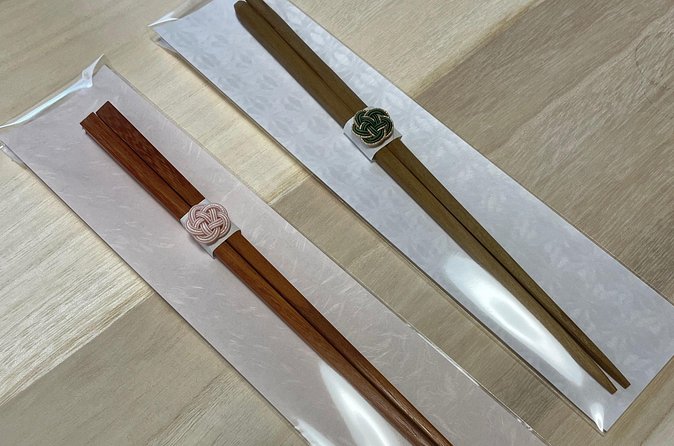
There is a useful sense of closure here. You have selected the material, shaped it, corrected the rough areas, and now protected the work. Your chopsticks are ready to take home at the end of the session.
The finished pair works well as a souvenir because it is small, light, and useful. It also carries a story you can explain later: you made it in Sapporo, selected the wood yourself, and finished it by hand.


Why chopsticks make a meaningful Japanese souvenir
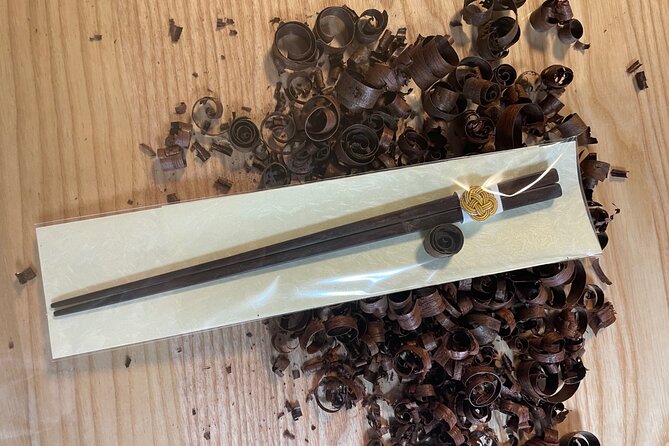
Chopsticks have been used in Japan for more than 2,000 years and remain closely tied to daily meals. Japanese chopsticks commonly have thin, pointed tips, which help with picking up small pieces of food.
They also carry a social meaning. Chopsticks are often given as gifts because they can represent connection and good relationships. That makes a handmade pair more personal than a generic memento, particularly if you make them with a spouse, friend, or family member.
The workshop therefore offers two kinds of value. You get a practical object, and you spend an hour learning how one small part of Japanese food culture is shaped by hand. You do not need to be an experienced woodworker to appreciate that connection.
I would especially consider this activity if you want a souvenir with a clear link to local craft. It is also a good break from sightseeing that involves looking, walking, and taking photographs. Here, you use your hands and leave with something tangible.
A private one-hour activity for couples and families
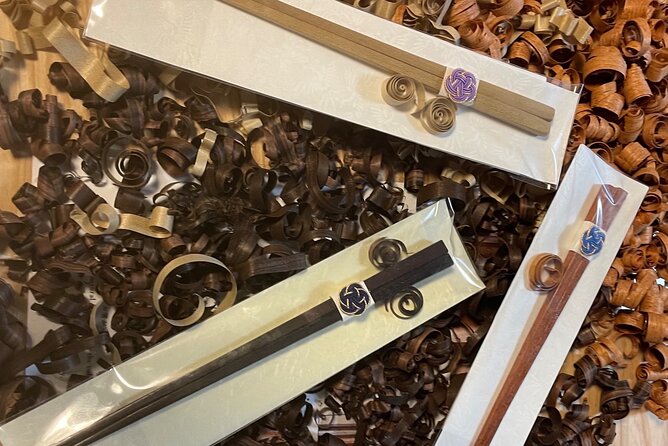
The standard duration is about one hour, which makes this easy to add to a Sapporo schedule. You can fit it between other plans without giving up half a day. At the same time, the short format means the instructor has to keep the process moving from wood selection through oiling.
The private arrangement is a strong point. Only your group participates, so you can work alongside the people you came with instead of joining a large mixed class. Couples can make matching or contrasting pairs, while friends can compare wood choices and shapes as they work.
Children may find the activity appealing because they get to make something real, though the tools and hand strength required mean an adult should judge each child’s suitability. The supplied information says most people can participate, but it does not give a specific minimum age. Ask before booking if age is a concern.
Families staying at a nearby hotel may find the location convenient. One participant left their children at a nearby hotel but felt the children would have enjoyed the workshop. That is a useful clue: the activity has broad appeal, though younger participants may need close supervision and help with the tools.
What the price means at $42.35
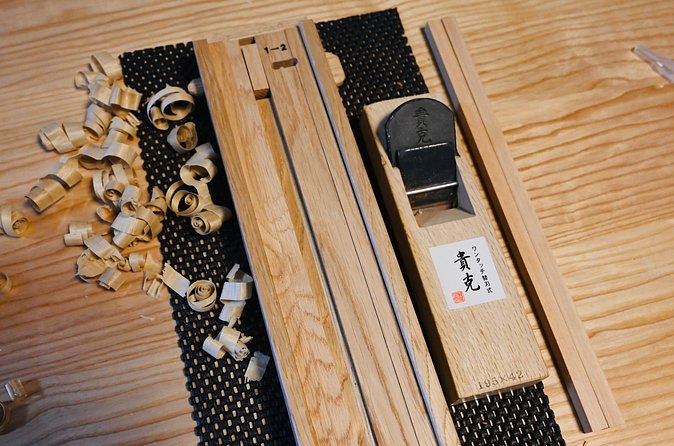
At $42.35 per person, this is not the cheapest souvenir activity in Sapporo. You are paying for a private, instructor-led session, the wood, use of the tools, an apron, and a finished pair of chopsticks that you take home.
The value improves if you care about making rather than simply buying. A shop-bought pair may cost less and take only a few minutes to choose. This session gives you a guided process and a personal connection to the finished object.
The one-hour length keeps the cost from becoming a major time commitment. You also avoid extra charges for transport or a meal because neither is part of the activity, but those are easy costs to account for in Sapporo.
I think the price is fair for couples, small groups, and visitors who want a quieter cultural activity. It may feel less worthwhile if you are only looking for inexpensive souvenirs or if you dislike hands-on work. The main question is not how much the chopsticks cost in a shop. It is how much you value the hour spent making your own.
Practical clothing and comfort advice
Wear comfortable clothes that can get dusty. Wood chips and dust may fly around while you plane and sand, and although aprons are provided, an apron does not cover every sleeve or trouser leg.
Pay attention to your hands. Shaping the wood takes effort, especially with a harder blank. You can ask Erika about the options before committing to a particular species, and you should mention any concern about hand strength at the start.
The provider warns that it cannot accept responsibility for accidents or injuries during the activity. That is a reminder to listen carefully during the tool explanation, follow the instructor’s directions, and work within your own limits.
You receive confirmation when you book, and the activity accepts mobile tickets. Free cancellation is available up to 24 hours before the local start time. Cancellations or changes made less than 24 hours before the start are not refunded or accepted, so keep your Sapporo schedule firm once the deadline passes.
Who should book this workshop
I would recommend this to couples looking for a shared activity, especially if you want a souvenir that marks your time in Japan. The private setting makes it easy to work together without feeling watched by a large class.
It also suits small families and friend groups. Up to six people can join, and the finished chopsticks give everyone a slightly different result. A larger group may be possible with some waiting, but you need to contact the studio for details.
This is a good pick for anyone who enjoys craft, wood, or Japanese food culture. It also works for a rainy day, since the activity takes place indoors, though the supplied information does not describe the studio’s full facilities.
I would think twice if you want a completely effortless activity. You will use your hands, make dust, and possibly feel some strain while shaping the wood. The workshop is relaxing once you settle into it, but it is still work.
Should you book the chopstick-making experience?
Book it if you want a small, useful souvenir with a story behind it. The strongest reasons are the personal wood selection, the use of Japanese planes, Erika’s friendly and helpful guidance, and the private format. The final oil finish gives the project a satisfying last step, and you leave with something you can use at home.
Skip it if you are short on time, unwilling to wear clothes that may get dusty, or looking for a passive cultural attraction. At about $42.35, the value comes from the making process, not from the retail price of the chopsticks alone.
For most couples and small groups, I think the one-hour format makes this an easy addition to a Sapporo itinerary. Choose comfortable clothes, arrive ready to work, and ask about the wood before selecting the hardest option.
FAQ
Where does the chopstick-making experience begin?
It begins at 和do Studio Sapporo in Sapporo, Japan. The address is Minami 3 Jōnishi, 9-chōme 998 IC High Dense, Chuo Ward, Sapporo, Hokkaido 060-0063.
How long does the activity last?
The experience lasts approximately one hour.
How many people can join?
Up to six people can join the experience. Larger groups may possibly be accommodated if they do not mind waiting, but you should contact the provider for details.
What is included in the price?
Wood, tools, and an apron are included.
Is transportation included?
No. Public transportation and private transportation are not included. The studio is near public transportation, and the activity ends back at the meeting point.
What should I wear?
Wear comfortable clothing that can get messy because wood chips and dust may be produced. Aprons are provided.
Can I cancel for a full refund?
Yes. You can cancel up to 24 hours before the local start time for a full refund. Cancellations or changes made less than 24 hours before the start are not accepted, and the payment is not refunded.
More Tour Reviews in Sapporo
Other Sapporo tours worth your shortlist








Japanese Culture Experiences, side by side.
 ★ 5.0Mondo’s most popular plan! Experience making soba noodles and the king of Japanese cuisine, tempura, in Sapporo!From $85.7971 reviews
 ★ 5.0Private Kimono Styling with Memory Photos by a Bridal StylistFrom $130.318 reviews
 ★ 5.0Calligraph Name in Japanese and Dress in KimonoFrom $42.824 reviewsWedding & Kimono Tours | Parks, Lakes & ShrineFrom $2,064
The lists this tour appears in