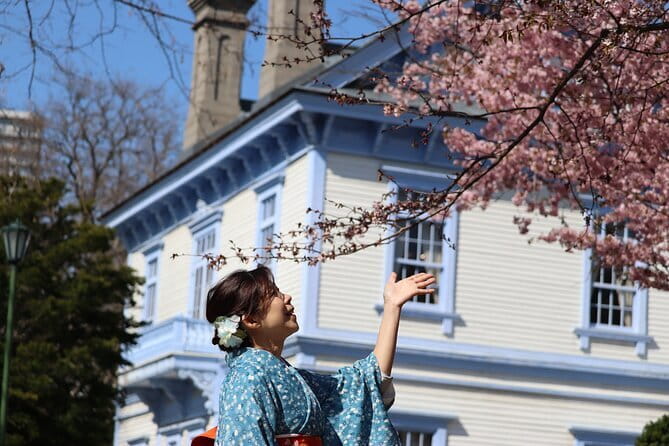
The special appeal here is that kimono dressing is only the beginning. Bridal stylist Keiko, who has more than 10 years of experience in Tokyo, helps you choose clothing and accessories, arranges your hair, and then takes you into Sapporo for a shrine visit and seasonal walk. It feels more personal than a quick rental shop appointment.
In This Article
- Key points to know before booking
- Why this feels different from a standard kimono rental
- Meeting Keiko at 9:00 in Sapporo
- Choosing your kimono and accessories in Shinkawa
- Hokkaido Shrine: prayer, etiquette, and a proper setting
- Nakajima Park and its seasonal change
- Imihiko Shrine and the final short stop
- What the photo service really provides
- Is $130.31 per person good value?
- Weather, shoes, and clothing advice
- Who will enjoy this private Sapporo experience
- Booking details and cancellation flexibility
- Should you book it?
- FAQ
- Where does the experience begin?
- How long does the activity last?
- Is the experience private?
- Are transportation and kimono accessories included?
- Are kimono available for both men and women?
- What are the stated size limits?
- What should women wear under the kimono?
- Is Nakajima Park’s Japanese Garden open in winter?
I like the private car service and the care given to the finished look. I also like that the photos are part of a calm cultural outing, not a rushed studio session. The main consideration is weather: your outdoor route can change, and snowy ground means wearing your own shoes in the photos.
Key points to know before booking
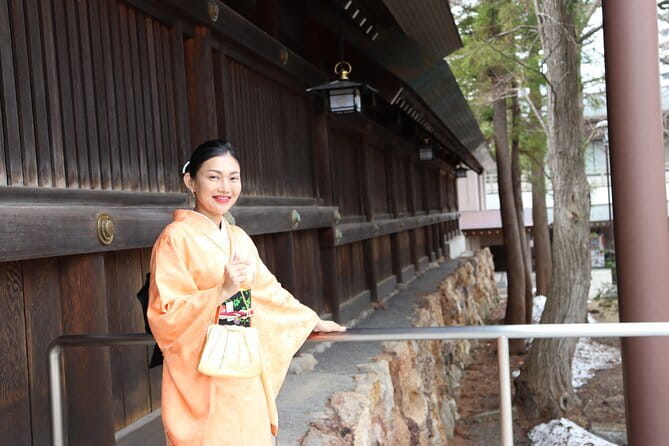
- Bridal stylist Keiko handles the full preparation, from kimono selection to hair styling and dressing.
- The four-hour private experience includes transportation, with pickup from your hotel or JR Sapporo Station.
- You visit a real shrine and public gardens, rather than staying inside for a costume-only photo session.
- Memory photos are taken during the outing, and professional photos can be sent the same day.
- Summer brings breathable summer kimono, while winter may mean outdoor photos in your own shoes.
- The price is $130.31 per person, a fair figure if you value private service, transport, styling, and photos together.
Why this feels different from a standard kimono rental
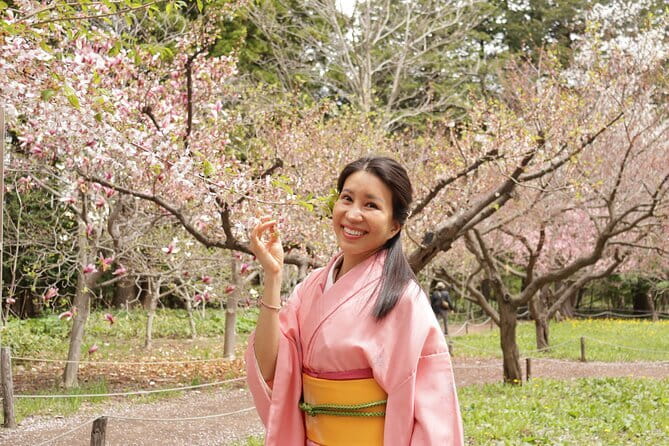
Many kimono activities are built around getting dressed, taking a few pictures, and returning the outfit. This one gives the clothing a setting and a purpose. You wear the kimono to a shrine, learn a little about shrine manners, take part in a traditional prayer, and walk through Sapporo’s seasonal scenery.
That difference matters. A kimono can look beautiful in a studio, but the experience gains more meaning when you use it in a place where people actually pray, stroll, and observe the seasons. Keiko also explains basic etiquette, so you are not left guessing what to do at the shrine entrance or during prayer.
This is not presented as a formal fashion shoot. You should expect help with memory photos, but the mood is intended to stay relaxed. You can also take your own pictures along the way.
Our other Sapporo reviews may also help you decide


Meeting Keiko at 9:00 in Sapporo
The scheduled start is 9:00 a.m., and you can meet at your hotel or JR Sapporo Station. If meeting at the station, use Exit 6 and wait at the bottom of the stairs. Private pickup is useful here because you do not need to work out local transport while wearing a freshly arranged kimono.
The transfer is part of the experience, not an optional add-on. Private transportation is included, and the entire activity is limited to your own group. That gives Keiko room to adjust the pace, help with clothing, and respond to the day’s weather.
If you choose a hotel pickup, confirm the arrangement in advance. If you meet at Sapporo Station, allow enough time to find Exit 6 and reach the meeting spot before 9:00.
Choosing your kimono and accessories in Shinkawa
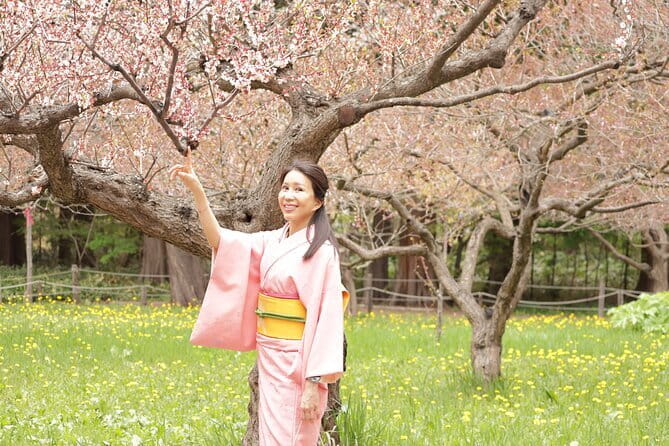
The dressing portion takes place in a quiet apartment-style space in Shinkawa. You choose your kimono and accessories, then Keiko helps you dress and arrange your hair. Plan on about 90 minutes for this part. That may sound long, but a proper kimono outfit has many layers and details, and comfort depends on getting the fit right.
Keiko’s bridal background is important. Bridal styling calls for balance, clean lines, and careful attention to how clothing and hair work together. The goal is not simply to put on a patterned robe. It is to create an outfit that sits well, photographs properly, and remains comfortable during your walk.
You should tell the provider whether you are male or female when booking, since the right kimono must be prepared in advance. Kimonos are available for both men and women. The stated size limits are men up to 6 feet 11 inches and 187.3 pounds, and women up to 5 feet 9 inches and 165.3 pounds.
For women, wear a soft bra if possible. Wired bras can affect the smooth silhouette of the kimono and may become uncomfortable under the layers. This is a small preparation tip, but it can make a real difference during a four-hour outing.
A pleasant extra reported during the experience is green tea in the dressing space. It is not listed as a main feature, so treat it as a possible touch rather than a guaranteed part of every booking.
Hokkaido Shrine: prayer, etiquette, and a proper setting
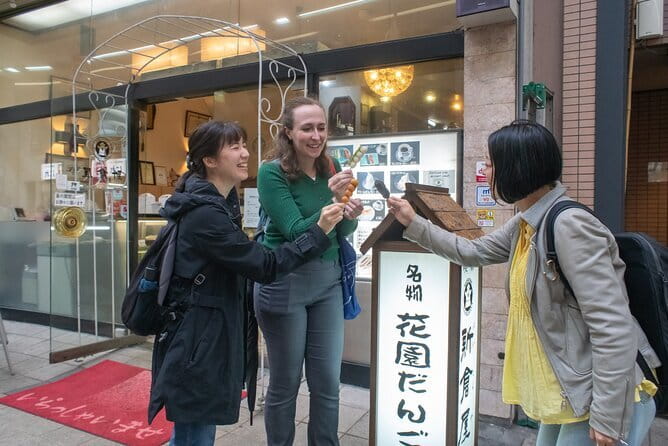
Hokkaido Shrine is the main cultural stop, with about an hour set aside for visiting, walking, and taking photos. Keiko guides you to recommended spots and explains basic shrine etiquette before leading you through a traditional prayer.
That guidance is valuable if this is your first shrine visit. You will not need to memorize a long list of rules, but learning the simple sequence helps you behave respectfully and makes the visit feel less like a backdrop for pictures.
You may also draw a fortune at the shrine. The activity does not state that the fortune fee is included, so carry some yen if you would like to try it. The shrine portion is more than a photo stop, but the exact experience can change with weather, crowd levels, and seasonal conditions.
Because this is a private activity, you can ask questions without holding up a large group. You also have more control over how much time you spend walking, praying, or taking photos within the planned schedule.
Nakajima Park and its seasonal change
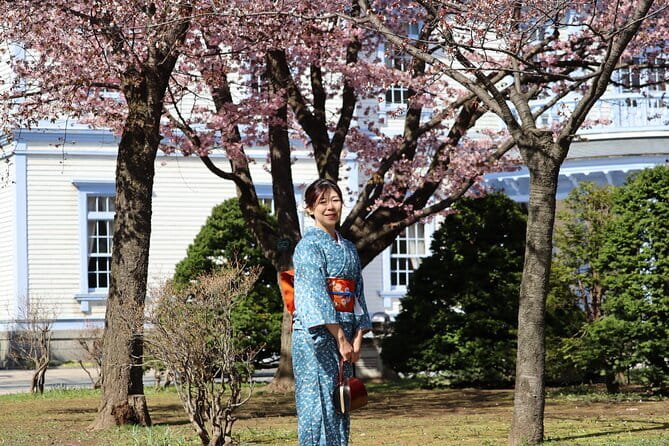
The route continues to Nakajima Park for about 30 minutes. Keiko accompanies you on a leisurely walk and points out places suited to the season. This gives the photos a different feel from the shrine grounds, with open park scenery and changing natural color through the year.
The Japanese Garden is part of the planned visit when it is open, but it closes during winter. That seasonal closure is worth noting if you are booking a cold-weather trip. You may still walk through the park, but you should not expect access to every garden area in winter.
Summer has its own adjustment. Breathable summer kimono are provided, and dressing takes place in an air-conditioned Western-style room rather than a tatami room. That makes the hot season more comfortable, although it also means the setting is less traditional during the preparation stage.
The park walk is short, so this is not a long nature excursion. Think of it as a gentle outdoor segment that lets you enjoy the kimono in a public setting and gives Keiko more chances to take natural memory photos.
You can also read our reviews of more private tours in Sapporo


Imihiko Shrine and the final short stop
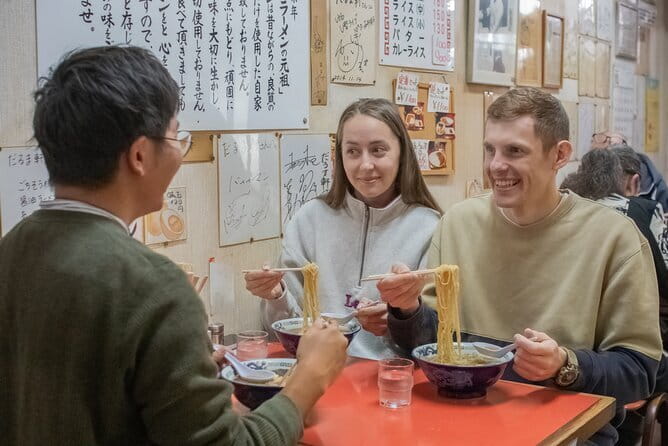
The final listed stop is Imihiko Shrine, about 15 minutes. It is near Nakajima Park and dates to 1912. The shrine is associated with craftsmanship and learning, which gives the brief visit a distinct character from Hokkaido Shrine.
Fifteen minutes is enough for a quiet look and a few photographs, but not for a long visit. That short timing keeps the overall activity within roughly four hours. It also means the day has a clear rhythm: preparation, major shrine visit, park walk, and a final small shrine stop.
The route can shift with the weather and season. The provider describes choosing a location suited to conditions, such as a local shrine or park. You should see the published stops as a useful outline, not a promise that every outdoor section will look identical on every date.
What the photo service really provides
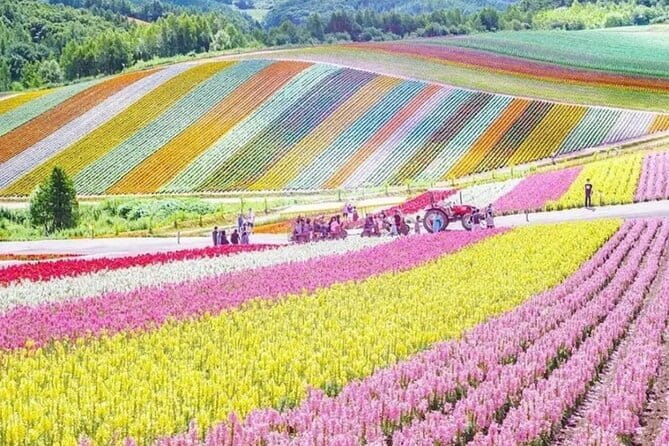
The photos are memory photos taken during the outing, not a separate fashion production with a studio schedule. That distinction will matter to you if you want natural moments and a cultural activity rather than a long portrait session.
Professional photos can be sent the same day, and one particularly strong result reported was more than 100 images within hours. That is an unusually useful feature for anyone who wants to share the experience while still in Sapporo. You can also take your own pictures, so you are not dependent on the professional set.
Still, keep your expectations sensible. The tour description specifically says this is not a photo shoot. Keiko’s attention is split between dressing, guiding, explaining shrine manners, transportation, and taking pictures. If your only goal is a large, highly directed portrait session, a dedicated photography service may suit you better.
For most people, the balance is the attraction. You get photographs that record the day, but you also get the day itself.
Is $130.31 per person good value?
At $130.31 per person, the price is not the cheapest way to put on a kimono in Sapporo. A basic rental can cost less because it may not include private transport, hair styling, personal dressing help, shrine guidance, or a four-hour outing.
Here, the value comes from combining several services:
- A private activity for only your group
- Pickup or meeting support near central Sapporo
- Kimono and accessory use
- Hair arrangement
- Professional assistance with dressing
- Private transportation
- Shrine etiquette and prayer guidance
- Seasonal sightseeing
- Memory photos
If you would otherwise pay separately for transport, a kimono rental, hair styling, and a photographer, the price becomes easier to justify. It is also a good fit for a special occasion, a couple, a family, or anyone who wants a carefully managed cultural morning.
The value is lower if you want to choose everything independently or spend most of the day at one location. The schedule is fairly structured, and the outdoor route depends on weather and seasonal access.
Weather, shoes, and clothing advice
Sapporo’s weather can change the feel of the experience. The provider chooses outdoor locations according to season and conditions, and a rainy or snowy day may alter the route. When snow covers the ground, you wear the shoes you arrived in for the photographs. That is practical and safer than trying to walk through snow in traditional footwear, but it may not give you the most formal look.
Summer clothing is adapted with breathable summer kimono. Dressing takes place in an air-conditioned Western-style room, which should be more comfortable on a hot day. In winter, the Japanese Garden at Nakajima Park is closed, so the park segment may be shorter or more limited.
Wear clothing that makes changing easy and follow the soft-bra advice if applicable. Since the dressing process takes about 90 minutes, comfort under the kimono matters as much as the final appearance.
Who will enjoy this private Sapporo experience
I would choose this for you if you want a personal introduction to kimono, especially if you have never worn one before. Keiko’s help with fit, hair, and etiquette removes much of the uncertainty that can make a first attempt awkward.
It also suits couples and small families who want their own pace. The private format means your group does not have to follow strangers through every photo or wait for a large party to finish dressing.
This is a good morning activity for someone who values service and keepsake images. The same-day photo delivery is especially handy if you have only a short stay in Sapporo.
I would think twice if you dislike structured activities, have limited mobility for walking between outdoor stops, or want a long, highly staged photography session. The experience includes outdoor walks and shrine visits, and the route can be affected by snow, weather, or garden closures.
Most people can participate, but the stated height and weight limits matter. Check them before paying, and provide the requested gender information so the right clothing can be prepared.
Booking details and cancellation flexibility
Confirmation is provided at booking, and this experience is offered near public transportation. It is often reserved well ahead of time, with the average booking made about 46 days in advance, so popular dates may be worth planning early.
Free cancellation is available if you cancel at least 24 hours before the 9:00 a.m. start time. Changes or cancellations inside that window are not accepted and are not refunded. The cutoff follows local Sapporo time.
Lunch, alcoholic drinks, and soda are not included. Since the activity lasts about four hours and starts early, plan your morning food and drinks around the pickup or station meeting point.
Should you book it?
Book this if you want more than a rental counter and a costume photo. The strongest parts are Keiko’s careful bridal styling, the private transport, the real shrine visit, and the useful photo package delivered quickly.
Skip it if you want complete independence, a long professional portrait session, or a guaranteed winter garden visit. For everyone else, $130.31 buys a well-organized cultural morning with a personal host and a clear memory of your time in Sapporo.
FAQ
Where does the experience begin?
You can arrange pickup from your hotel or meet at JR Sapporo Station. At the station, leave through Exit 6 and wait at the bottom of the stairs. The scheduled start time is 9:00 a.m.
How long does the activity last?
The experience lasts approximately four hours. The listed schedule includes about 10 minutes at the station meeting point, 90 minutes for kimono dressing and hair styling, one hour at Hokkaido Shrine, 30 minutes at Nakajima Park, and 15 minutes at Imihiko Shrine.
Is the experience private?
Yes. Only your group participates in the activity.
Are transportation and kimono accessories included?
Yes. Private transportation and a kimono accessories set are included. Pickup is offered, and the activity also includes a guide.
Are kimono available for both men and women?
Yes. Kimonos are available for both men and women. You need to tell the provider whether you are male or female so the clothing can be prepared.
What are the stated size limits?
Men can be up to 6 feet 11 inches tall and 187.3 pounds. Women can be up to 5 feet 9 inches tall and 165.3 pounds.
What should women wear under the kimono?
Women are asked to avoid wired bras when possible. Soft bras are recommended because wired styles can affect the kimono’s shape and comfort.
Is Nakajima Park’s Japanese Garden open in winter?
No. The Japanese Garden is closed during the winter season. The outdoor route may also change based on snow and weather conditions.
More Private Tours in Sapporo
More Tour Reviews in Sapporo


More Private Tours in Sapporo
Other Sapporo tours worth your shortlist




Japanese Culture Experiences, side by side.
 ★ 5.0Mondo’s most popular plan! Experience making soba noodles and the king of Japanese cuisine, tempura, in Sapporo!From $85.7971 reviews
 ★ 5.0Chopsticks Making Experience in SapporoFrom $42.358 reviews
 ★ 5.0Calligraph Name in Japanese and Dress in KimonoFrom $42.824 reviewsWedding & Kimono Tours | Parks, Lakes & ShrineFrom $2,064
The lists this tour appears in