
Hakodate saves its best surprise for the top of Mount Hakodate, where the city narrows into a slender strip of land between two bodies of water. I like this tour for two reasons: it ties that famous view to the port that made Hakodate important, and its private English-speaking format lets you ask questions as you walk. The main drawback is the physical effort. Cobblestones, slopes, and a 75-minute mountain stop require comfortable shoes and steady legs.
In This Article
- Key points at a glance
- Why Hakodate works best as a walking story
- Red-brick warehouses and Hakodate’s trading past
- Hachimanzaka Hill and the view down to the harbor
- The Old British Consulate and a city facing outward
- Funadama Shrine and Motomachi’s mixed architecture
- Riding the Hakodate Ropeway to the summit
- Daytime or evening: choosing the better version
- Is $86 a fair price?
- Who should book this Hakodate tour?
- Should you book it?
- FAQ
- Where does the Hakodate tour begin?
- Where does the tour finish?
- How long does the experience last?
- Is the tour available in English?
- Is this a private tour?
- Does the tour include the Hakodate Ropeway ride?
- Is private transportation included?
- Can I choose a daytime or evening tour?
- What should I bring?
- Is the route physically demanding?
I also like the choice between a daytime visit and an evening outing. Daylight brings out the old consulates, churches, harbor, and warehouse details. The evening option aims for Hakodate’s celebrated night view, but timing and weather matter, and the ropeway observation area may be busy at the most popular hour.
Key points at a glance

- Mount Hakodate finish: Ride the ropeway for a broad view of the city pinched between sea and sky.
- Historic port setting: Walk among Hakodate’s red-brick warehouses, reminders of its early trade with foreign nations.
- Motomachi on foot: See Hachimanzaka Hill, Western-style buildings, churches, merchant homes, and old consulates.
- Old British Consulate: Visit restored rooms and exhibits tied to Hakodate’s late 19th-century foreign relations.
- Day or evening choice: Pick sunlight for architectural detail or darkness for the city’s famous necklace-like lights.
- Private English tour: Meet your guide at Lucky Pierrot Marina Suehiro, with the walk ending at the ropeway’s lower station.
Why Hakodate works best as a walking story

Hakodate was one of Japan’s earliest international ports. That fact is easy to miss if you only ride to the mountain viewpoint, snap a picture, and leave. This tour gives you the missing background: ships, foreign consulates, sailors, trade, and the Western influence that shaped the city.
You begin in front of the Lucky Pierrot Marina Suehiro store. Look for the yellow sign marked DeepExperience. From there, the route moves through the waterfront and old port area before climbing toward Motomachi and Mount Hakodate.
The setting changes in a useful way as you go. Near the harbor, the red-brick warehouses point to commerce and shipping. Higher up, Hachimanzaka and Motomachi show the city’s social and diplomatic side. At the summit, you see how geography controlled Hakodate’s growth.
I like that order. You are not just given a pretty view with no explanation. You first see why Hakodate developed as it did, then look down on the narrow strip of land from above.
The total time is listed as two to three and a half hours, depending on the selected option and schedule. The route is compact enough for a short port call, though you should not treat it as a relaxed, flat stroll.
Our other Hakodate reviews may also help you decide


Red-brick warehouses and Hakodate’s trading past
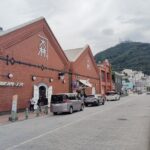
The waterfront section lasts about 45 minutes. Your guide leads you past the red-brick warehouse buildings, once tied to ships and overseas trade and now among Hakodate’s most recognizable sights.
The value here is visual context. These buildings are not simply attractive backdrops. They help explain how Hakodate became a northern gateway for Japan, where foreign merchants, diplomats, and new ideas arrived by sea.
The warehouse area also gives you a gentle start before the route turns uphill. You can take photographs of the brick facades and harbor setting, but the guide’s explanation is what makes the stop worthwhile. Ask about the port’s role in opening Japan to international exchange if that subject interests you.
The tour does not include private transportation. That is important to understand before booking. The experience is built around walking, the public ropeway, and the city’s historic streets. If you want a vehicle from one stop to another, this is not that kind of tour.
Hachimanzaka Hill and the view down to the harbor

The route then reaches Hachimanzaka Hill, one of Hakodate’s best-known slopes. From the top, the street drops toward the harbor, framed by cobblestones and Western-style houses.
This is one of the strongest photo stops during daylight. The view has a clear sense of direction: you can see the port below, the street leading toward it, and the older buildings that give Hakodate its distinct look.
The hill is also the point where the tour becomes more demanding. The cobblestones and incline can be tiring, especially in poor weather or stiff footwear. Bring shoes with a firm sole, and allow yourself time on the slope instead of rushing for photographs.
For the evening option, Hachimanzaka gives you a different mood. The street and harbor become part of the transition from daylight to the city lights above. The route is attractive at either time, but the daytime version is better for studying building details.
The Old British Consulate and a city facing outward

The Old British Consulate offers a closer look at Hakodate’s foreign connections. The building once housed diplomats involved in the city’s early relations with Britain and other overseas powers.
Inside, restored rooms and exhibits explain how Hakodate linked Japan to the wider world during the late 19th century. This stop gives the walk a human scale. Instead of thinking only about trade and ships, you get a sense of the officials, negotiations, and daily work that supported international contact.
I find this kind of visit especially useful if you are new to Hakodate. The city can look like a collection of charming old buildings until someone explains why those buildings appeared here. The consulate helps connect the architecture with the political and economic changes of the period.
The tour includes a guided visit, but the supplied details do not promise a long museum session. If the building is a major priority for you, ask the guide how much time is planned there on your chosen departure.
Funadama Shrine and Motomachi’s mixed architecture
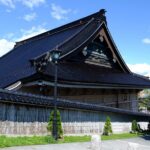
Funadama Shrine brings the sea back into focus. Sailors once prayed here for safe voyages, making it a fitting stop in a city shaped by maritime travel.
I like the contrast between this shrine and the foreign buildings nearby. Hakodate’s character comes from both traditions. Japanese religious customs, Western consulates, churches, merchant homes, and port commerce all occupy the same historic area.
The walk continues through Motomachi, the preserved district on the hillside. You pass churches, consulates, and older homes that reflect the meeting of Japanese and Western styles.
Motomachi rewards slow looking. Notice how the streets rise from the harbor and how the buildings use the slope. The route is not just a checklist of facades. It shows how a port city developed around contact with the outside world while keeping its own religious and local traditions.
The exact sequence of the waterfront, consulate, shrine, and Motomachi stops can vary with the selected tour timing. The stated walking segments cover about 45 minutes, 30 minutes, and one hour before the Mount Hakodate portion. That makes the walking section substantial, not a quick photo stop.
You can also read our reviews of more walking tours in Hakodate


Riding the Hakodate Ropeway to the summit

The final major part is Mount Hakodate, with about 75 minutes listed for the visit, including the guided sightseeing and walking time. The ropeway ride carries you from the lower station to the summit, where observation areas reveal Hakodate’s unusual shape.
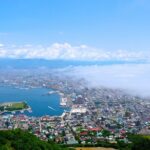
The city stretches across a narrow sandbar, with water on both sides. From street level, that shape is hard to grasp. From the mountain, it becomes obvious, and the view explains why Hakodate is so often photographed from above.
In daylight, you can study the harbor, city grid, and surrounding water. This is the better choice if you prefer geography, architecture, and clear outlines to glowing lights.
The evening tour aims for the city’s famous night scene. As darkness settles, the harbor lights, streets, and reflections form a narrow band between the two dark sides of the sea. The view is often described as one of Japan’s top three nightscapes, and the phrase necklace of jewels fits the shape well.
That popularity is also the evening tour’s main consideration. The night view is the headline attraction, so the summit may feel less quiet than Motomachi. Weather can affect visibility, and the most attractive timing depends on the season and sunset. Still, if Hakodate is one of your stops on a clear evening, this is a memorable way to see the city.
The ropeway ride is included, but private transportation is not. You finish at the Hakodate Ropeway lower station, not back at the original meeting point. Plan your next move from there.
Daytime or evening: choosing the better version

Choose the daytime tour if you want to focus on buildings and history. Sunlight makes the Old British Consulate, red-brick warehouses, shrine, churches, and hillside streets easier to examine. You also get the clearest sense of the city’s physical shape from Mount Hakodate.
Choose the evening tour if the summit view is your main reason for booking. Hachimanzaka and the port still matter, but the route builds toward the lights. You will want weather-appropriate clothing, since the summit can feel cooler than the lower streets.
The activity description allows a duration from two hours to 210 minutes. Check the available starting time carefully, especially for the evening choice. The tour needs to reach the ropeway at the right point in the day, and a late start may be designed around sunset or nightfall.
Is $86 a fair price?

At $86 per person, this tour is not the cheapest way to see Hakodate. You can walk through Motomachi independently, visit public sights on your own, and reach Mount Hakodate without a private guide.
The price makes more sense if you want several pieces handled in one outing: an English-speaking guide, a planned route, the ropeway ride, the waterfront, Motomachi, and the mountain viewpoint. The private group format is another reason to consider it, particularly if you prefer asking questions or setting a comfortable walking pace.
Value depends on your priorities. If you already know Hakodate’s history and only want the summit, pay-as-you-go sightseeing may cost less. If you have limited time, are visiting for the first time, or want the old port and mountain view connected by one explanation, the fee is easier to justify.
I would also factor in the walking time. You are paying for a guided city experience, not a bus tour. The route’s value comes from seeing the connections between the port, foreign district, shrine, and mountain.
Who should book this Hakodate tour?

This is a good fit for a first visit, especially if you have only a few hours in town. It suits people who want history but do not want a long museum-heavy program.
You should also consider it if you enjoy photography. Hachimanzaka gives you a strong daytime street view, while Mount Hakodate supplies the major panorama. The red-brick warehouses and Motomachi buildings add variety.
The tour works well for couples, families, or small private groups who want an English-language guide. Since the group is private, you may find it easier to ask about the places that interest you most.
I would be cautious about booking it if steep streets are difficult for you. The route includes slopes and cobblestones, and the walking portions total a substantial part of the experience. Comfortable shoes are not optional advice here.
Bring a camera and clothing suited to the forecast. The tour’s appeal depends heavily on what you can see from the streets and summit, so poor weather may reduce the payoff.
Should you book it?
Book this tour if you want Hakodate explained as a port city, not just viewed from a mountain. The strongest feature is the connection between the old waterfront, foreign district, Motomachi, and Mount Hakodate.
Choose daytime for architecture and historical detail. Choose evening for the famous city lights. At $86, it is best value for a first-time visitor with limited time who wants a private English guide and the ropeway included.
Skip it if you prefer independent wandering, need a flat route, or only want a quick ride to the summit. For everyone else, this is a focused way to see why Hakodate feels different from other Japanese cities.
FAQ
Where does the Hakodate tour begin?
The meeting point is in front of the Lucky Pierrot Marina Suehiro store. Your guide will hold a yellow sign marked DeepExperience.
Where does the tour finish?
The tour finishes at the Hakodate Ropeway lower station, listed as 函館山ロープウェイ山麓.
How long does the experience last?
The duration is listed as two to 210 minutes. Check the available starting times when you book.
Is the tour available in English?
Yes. The experience includes a live English-speaking tour guide.
Is this a private tour?
Yes. The group type is listed as a private group.
Does the tour include the Hakodate Ropeway ride?
Yes. The ropeway ride and observation of Hakodate’s view are included.
Is private transportation included?
No. Private transportation is not included. The experience is based on walking and the ropeway ride.
Can I choose a daytime or evening tour?
Yes. You can choose between a daytime adventure and an evening option focused on the Mount Hakodate night view, subject to available start times.
What should I bring?
Bring comfortable shoes, a camera, and clothing suitable for the weather.
Is the route physically demanding?
The tour includes cobblestone streets and climbing slopes. You should be prepared for a substantial amount of walking, including the uphill streets of Motomachi and Hachimanzaka.
More Tours in Hakodate


More Tour Reviews in Hakodate
More Hakodate Tours in Hakodate

Other Hakodate tours worth your shortlist




Hakodate Tours, side by side.
 ★ 5.0Hakodate 6hr Private Tour with Government-Licensed GuideFrom $269.3217 reviews
 ★ 4.5Hakodate Exploration Tour with Private GuideFrom $407.209 reviews
 ★ 5.0Hakodate 4hr Private Tour with Government-Licensed GuideFrom $221.527 reviews
 ★ 4.44-Hour Cultural and Historical Highlights TourFrom $4165 reviews
The lists this tour appears in