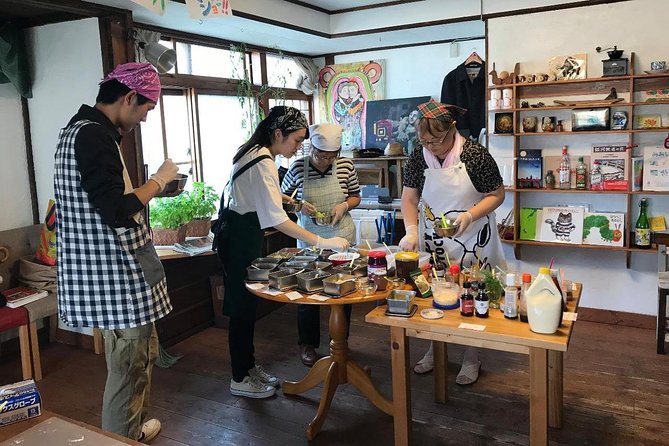
Hakodate’s Russian connection comes to life in a hands-on piroshki class at an 80-year-old renovated house. You’ll shape dough, choose fillings, and bake the pastries rather than deep-frying them, the traditional Hakodate way. I like the local ingredients, especially Ezo deer and maitake mushrooms, and the short walk during the dough’s resting time. The main drawback is the strict non-refundable policy, so book only when your schedule is firm.
In This Article
- Key points at a glance
- Why Hakodate piroshki makes sense here
- Inside the renovated café at 11 a.m.
- Rolling, filling, and baking the piroshki
- What happens while the dough rests
- The food at the end
- Is $43.57 a fair price?
- Who will enjoy this two-hour outing?
- How to fit it into a Hakodate day
- Should you book the Hakodate piroshki class?
- FAQ
- Where does the piroshki experience begin and end?
- What time does the activity start?
- How long does the experience last?
- Is the activity suitable for beginners?
- Can the activity accommodate gluten-free requests?
- How many people can join the tour?
I also like that this is more than a cooking lesson. You get time in a café used by local people, an English city guide, and a look at churches and quiet spots around Motomachi. The small maximum of 10 people should keep the instruction personal, but the tour may feel brief if you want a long neighborhood walk or a full meal.
Key points at a glance
- Bake the Hakodate way: Make oven-baked piroshki, not the deep-fried version common elsewhere in Japan.
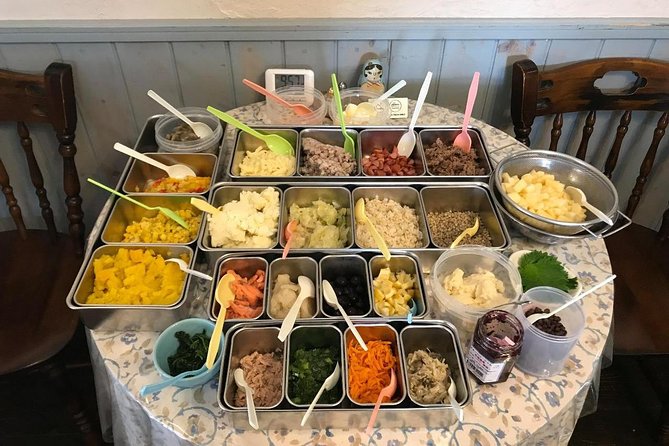
- Use local fillings: The café’s original recipes include Hokkaido deer and Ezo-maitake mushrooms.
- Cook in an old Motomachi house: The café occupies a renovated building about 80 years old.
- Walk while the dough rests: An English-speaking guide takes you to churches, parks, and less-publicized local places.
- Keep the group manageable: No more than 10 people can join.
- Plan around the fixed booking: The experience starts at 11 a.m., lasts about two hours, and cannot be refunded or changed.
Why Hakodate piroshki makes sense here
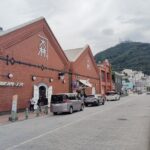
Piroshki arrived in Japan through contact with Russian culture, and Hakodate is a particularly fitting place to explore that connection. The city developed as an international settlement, and Japan’s first Russian consulate was founded here. That history is not just a plaque in a museum. It appears in food, buildings, streets, and the mix of cultural influences around Motomachi.
Piroshki is familiar across Japan, but the cooking method differs by region. Deep-fried versions are common in many parts of the country. In Hakodate, oven-baked piroshki remain part of the local tradition. That gives this class a clear sense of place. You are not simply making a popular snack. You are learning the Hakodate version of it.
The recipe also uses ingredients tied to Hokkaido. Ezo-shika means Hokkaido deer, while Ezo-maitake refers to a local maitake mushroom. These fillings give the class a stronger regional character than a standard bread workshop using only familiar supermarket ingredients.
I would not treat this as a formal lesson in Russian culinary history. The experience is shorter and more practical. But the food offers a useful way to understand how outside influences were adapted to local ingredients and local tastes.
Our other Hakodate reviews may also help you decide


Inside the renovated café at 11 a.m.
You meet at Marutama Goya, at 2-3 Motomachi in Hakodate, at 11 a.m. The café is set in a renovated house about 80 years old, which gives the activity a warmer setting than a modern cooking studio. You are joining a working café space that serves as a place of relaxation for people in the local community.
That setting matters. A cooking activity in a dedicated tourist facility can feel polished but detached from the city. Here, the old-house setting and café atmosphere connect the food to the neighborhood. You get a small look at how Motomachi’s older buildings are being used today.
The workshop provides everything needed for the cooking portion. You do not need to bring special equipment or ingredients. A Western-style toilet is available, but free Wi-Fi is not provided at the café. If you need a connection nearby, free Wi-Fi is available at the Mount Hakodate Ropeway area near Marutama Goya.
The group limit is 10 people. That is large enough for a social activity but small enough that the instructor should be able to show you the basic steps. The class has received top marks from three published participants, including one person who joined alone and still received the cooking experience as a solo booking. Availability can vary, so do not assume you will always have the room to yourself.
Rolling, filling, and baking the piroshki
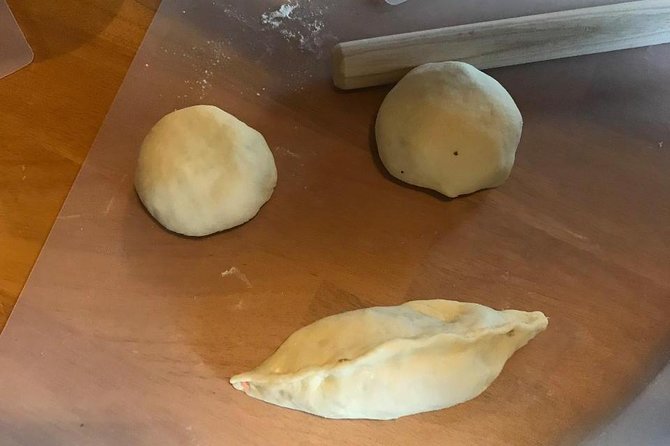
The central part of the activity is hands-on. You roll out the dough, add fillings, shape the piroshki, and prepare them for baking. This is not a demonstration where you watch someone else make the food and then receive a sample. You do the work yourself, with guidance designed for beginners.
That beginner-friendly approach is useful if you have little baking experience. Piroshki can look simple, but getting the dough thickness and filling balance right takes some care. A patient instructor can make the difference between a pastry that opens in the oven and one that holds its shape.
The café’s original recipes include both sweet and savory possibilities. The available information points to a broad choice of fillings, and the class is described as offering many ways to handcraft the pastries. Exact fillings may vary, so you should not book expecting one fixed menu.
The Ezo deer and maitake mushroom options are the most distinctive choices. Deer gives you a taste of Hokkaido’s local food culture, while maitake adds an earthy mushroom flavor. These are more interesting than the standard potato or meat filling you might find in a generic piroshki class, though anyone with a limited diet should ask questions before booking.
There is one firm restriction: the activity cannot accommodate gluten-free requests. Since dough is the heart of the class, this is not a minor issue. If you need gluten-free food, this experience is not a suitable choice.
The pastries are oven-baked. That makes them different from the crisp, oily piroshki you may have tried elsewhere in Japan. Baking produces a softer, breadier result and links the class to Hakodate’s older Russian-influenced style.
What happens while the dough rests
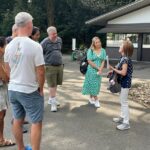
Piroshki dough needs time to ferment before baking. Rather than leave you sitting at the café, the guide uses that pause for a short city walk. You receive an English city guide while the dough rests, then head out to see parts of Motomachi.
The walk includes Hakodate’s well-known churches, along with parks and less-publicized places that may not appear in standard guidebooks. The exact route is not specified, so you should think of it as a guided neighborhood outing rather than a guaranteed list of named sights.
This is a smart use of the cooking schedule. You get a second activity without extending the tour beyond about two hours. It also gives the food a stronger connection to place. You see the streets shaped by Hakodate’s international past, then return to eat something that grew from that same mixture of cultures.
The walk is also a practical way to get your bearings in Motomachi. The meeting point is near public transportation and close to the Mount Hakodate Ropeway area. If you are sightseeing before or after the class, the location is convenient for building the activity into a day around the historic district.
Still, keep your expectations measured. This is not a full walking tour of Hakodate. The guide walks while the dough ferments, so the time is limited. If churches and local streets are your main interest, you may want to return later for a longer, independent look.
The food at the end
After the walk, you return to the café for the baking and tasting portion. The best part is the direct connection between your work and the finished food. You see the dough change, handle the fillings yourself, and then eat the baked piroshki while they are still central to the experience.
An optional serving of homemade borshch may also be available. It was included as an extra tasting for at least one participant, but it is not listed among the standard inclusions. Treat it as a possible addition rather than something guaranteed in the base price.
Food and drinks outside what the workshop provides are not included. Personal expenses are also your responsibility. Ask about any extra food or drink before ordering, especially if you are trying to keep the outing within a fixed budget.
The cooking class may be especially appealing to people who enjoy food with a story. You are not just collecting a snack between sightseeing stops. You are learning why this baked style matters in Hakodate and tasting ingredients that point to Hokkaido.


Is $43.57 a fair price?
At $43.57 per person, this is not the cheapest way to eat piroshki in Japan. You are paying for the ingredients, instruction, use of the café, preparation, and the short English-guided walk. The value depends on how much you want an activity rather than a finished meal.
For a simple lunch, the price is high. For a two-hour cultural experience in a small group, it is more reasonable. The class gives you a local recipe, practical participation, food to eat, and a guided look at Motomachi. You also avoid spending time figuring out where to find the baked Hakodate style on your own.
The maximum of 10 people helps support the price. A larger group could make the cooking feel like an assembly line. With fewer people, you have a better chance to follow the shaping process and ask questions.
The booking pattern is another planning clue. This experience is booked an average of 38 days ahead, suggesting that you should not leave it until the last moment if it fits your schedule. Confirmation arrives within 48 hours of booking, subject to availability.
There is an important financial catch. The activity is non-refundable and cannot be changed for any reason. If you are still uncertain about your Hakodate dates, wait before booking. A flexible cancellation policy would make the price easier to accept, but this one requires a firm plan.
Who will enjoy this two-hour outing?
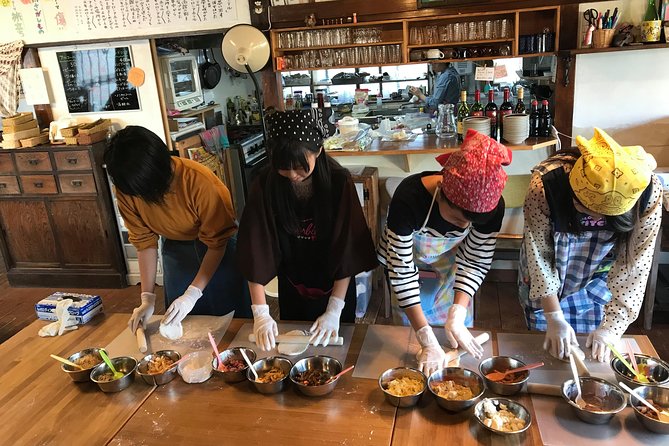
I would recommend it most strongly to you if you enjoy food, old neighborhoods, and small cultural encounters. It works well for couples, friends, solo visitors, and beginners who want something more active than sightseeing. One person joined alone and still had a full cooking experience, so you do not need a large party to make the booking worthwhile.
It is also a good choice for anyone who has already seen Hakodate’s major sights and wants a different angle. The churches may be familiar from guidebooks, but the short walk also includes quieter places. The food gives you a reason to look at the neighborhood through its international past.
Families may find the hands-on format appealing, although the supplied details do not state a minimum age or child policy. Ask before booking if you are traveling with children.
This is less suitable for you if you need gluten-free food, dislike participating in group activities, or want a substantial multi-course meal. It may also disappoint if you expect a long guided tour or a formal culinary school lesson.
The experience is conducted with friendly, careful instruction, but no guide names are provided. You can expect an English city guide during the fermentation break, though the exact staffing and route may vary.
How to fit it into a Hakodate day
The 11 a.m. start makes this easy to place in a morning or afternoon schedule. You could visit another part of Hakodate first, arrive at Marutama Goya for the class, then continue sightseeing after the activity ends back at the same meeting point.
The location near Motomachi and the Mount Hakodate Ropeway area is useful because the class does not strand you far from the city’s main sightseeing zone. You can continue on foot or by nearby public transportation, depending on your plans.
Allow yourself enough time to reach the café before 11 a.m. The supplied details confirm that the start time is fixed, but they do not provide a late-arrival policy. Since cooking activities depend on timing, arriving early is the sensible choice.
Wear something you can work comfortably in. Specific clothing or apron details are not provided, so do not assume that special protective clothing will be supplied. The workshop includes the necessary cooking items, but personal comfort remains your responsibility.
Should you book the Hakodate piroshki class?
Book this experience if you want to make a local food, not simply buy one, and if a short neighborhood walk adds value for you. The combination of baked piroshki, Hokkaido ingredients, an old café, and Motomachi’s international setting gives the activity a clear identity.
I would skip it if you need a flexible cancellation policy, gluten-free food, or a long sightseeing tour. I would also compare the cost against your food budget, since the price reflects instruction and culture as much as the meal itself.
For the right visitor, this is a compact and personal way to understand Hakodate. You leave with a better sense of how Russian influence became part of local Japanese life, plus the memory of shaping and eating your own piroshki.
FAQ
Where does the piroshki experience begin and end?
It begins and ends at Marutama Goya, 2-3 Motomachi, Hakodate, Hokkaido 040-0054, Japan.
What time does the activity start?
The activity starts at 11 a.m.
How long does the experience last?
The experience lasts approximately two hours.
Is the activity suitable for beginners?
Yes. The instruction is described as friendly and careful, and beginners can join.
Can the activity accommodate gluten-free requests?
No. Gluten-free requests cannot be accommodated.
How many people can join the tour?
The maximum group size is 10 people.
More Tour Reviews in Hakodate
More Hakodate Tours in Hakodate
Other Hakodate tours worth your shortlist




Hakodate Tours, side by side.
 ★ 5.0Hakodate 6hr Private Tour with Government-Licensed GuideFrom $269.3217 reviews
 ★ 4.5Hakodate Exploration Tour with Private GuideFrom $407.209 reviews
 ★ 5.0Hakodate 4hr Private Tour with Government-Licensed GuideFrom $221.527 reviews
 ★ 4.44-Hour Cultural and Historical Highlights TourFrom $4165 reviews
The lists this tour appears in