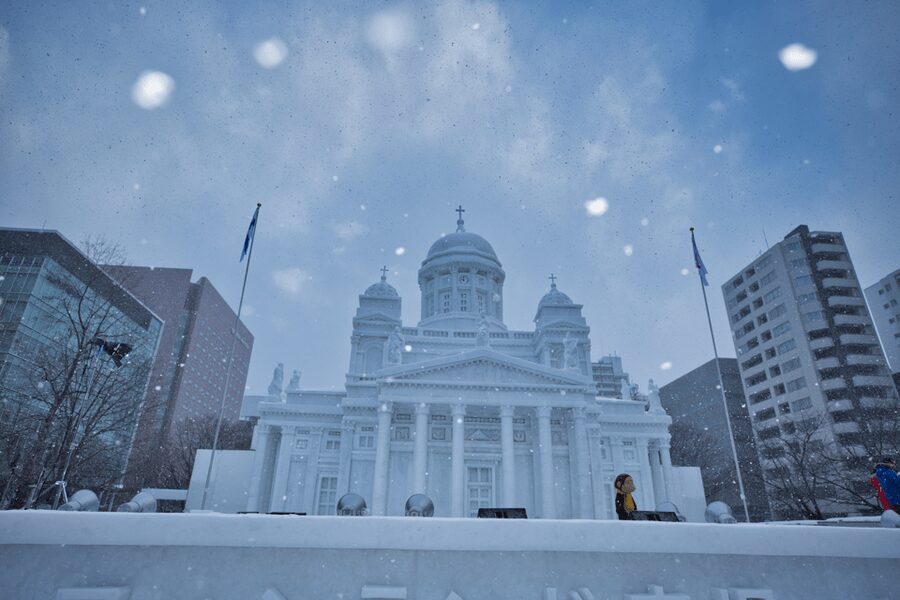
Sapporo’s best-known sights fit neatly into this three-hour city walk, with a useful bonus: admission to the Sapporo TV Tower Observatory. You’ll see the Red Brick Office, Clock Tower, Odori Park, and central shopping streets while a local guide explains what you are looking at.
In This Article
- Key points to know before booking
- A brisk introduction to central Sapporo
- Starting at Sapporo Station
- The Red Brick Office and Sapporo’s early government center
- Sweets at Kitakaro, Snow Brand Parlor, or another local choice
- The Clock Tower and a small lesson in Sapporo history
- Odori Park, Sapporo’s open-air spine
- The Sapporo TV Tower view
- Afternoon additions: Tanuki Koji and Nijo Fish Market
- What the guides add to the walk
- Snow, rain, footwear, and the underground route
- Is $58 a good value?
- Who should book this Sapporo walk?
- Should you book it?
- FAQ
- How long does the Sapporo Walking Tour last?
- Which sights are included?
- Is the Sapporo TV Tower admission included?
- Is food included?
- What language is the tour offered in?
- How large is the group?
- What happens if it rains or snows?
I like the small groups of up to eight and the chance to ask direct questions about restaurants, neighborhoods, and daily life. I also like the practical winter plan: when snow shrinks the sidewalks, the route may shift underground. The main drawback is that the meeting point can vary by booking option, and the exact route changes with the weather and time of day.
Key points to know before booking
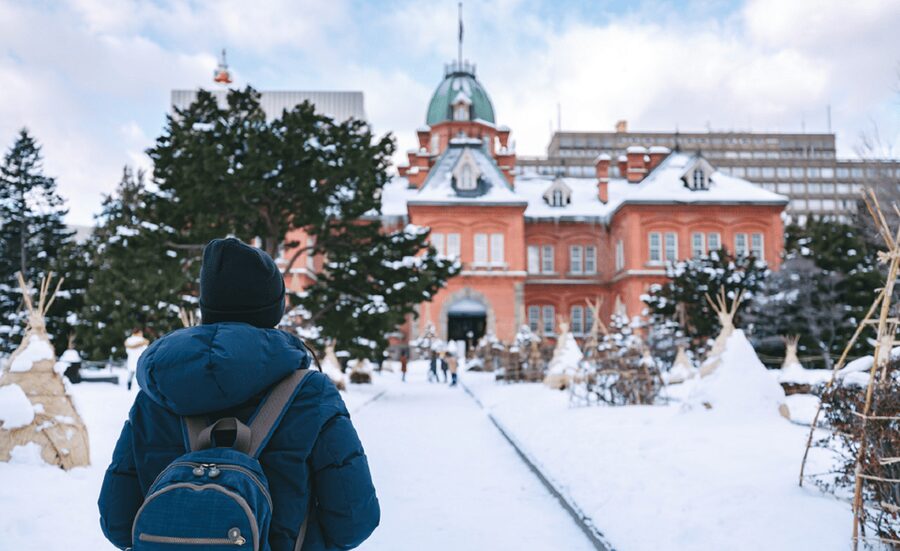
- Local guides such as Jessica and Hiro lead the walk in clear English and add personal insight about Sapporo.
- The TV Tower Observatory ticket is included, giving you a useful city view without an extra admission charge.
- Afternoon tours add Tanuki Koji Shopping Street and Nijo Fish Market, two stops with a more everyday Sapporo feel.
- Snow can change the route, with underground walkways replacing narrow or slippery sidewalks.
- The group is limited to eight people, though a one-person booking is still guaranteed to operate.
- The $58 price is fair for a short orientation, especially if you value local advice and the tower admission.
A brisk introduction to central Sapporo
This walk works best as an early trip orientation. Sapporo’s center is orderly and easy to cover on foot, but the city’s sights make more sense when someone explains how its government buildings, parks, shopping arcades, and food markets fit together.
The advertised duration ranges from three hours to one day depending on the option you choose, so check the available start times and route before paying. The core experience is a walking tour, not a long sightseeing bus ride, so you should be ready to spend much of the time on your feet.
The route includes several of Sapporo’s classic sights. That makes it a sensible first look if you have only a short stay, or a useful first morning before you return to the places that catch your interest.
Our other Sapporo reviews may also help you decide


Starting at Sapporo Station
Sapporo Station is more than a transport hub. It is the natural reference point for understanding central Sapporo, and it gives you an easy starting place for the city’s main north-south sights.
Your meeting point may differ according to the option booked, so read those instructions closely. One useful warning comes from a past meeting problem: the meeting place was inside a building rather than outside it, and the directions were not clear enough. I would arrive early and confirm the exact indoor location before the tour begins.
From the station, your guide can help you get a sense of the city’s layout. That matters in Sapporo, where wide avenues, underground passages, parks, department stores, and covered shopping streets can make the center feel larger than it first appears.
The Red Brick Office and Sapporo’s early government center
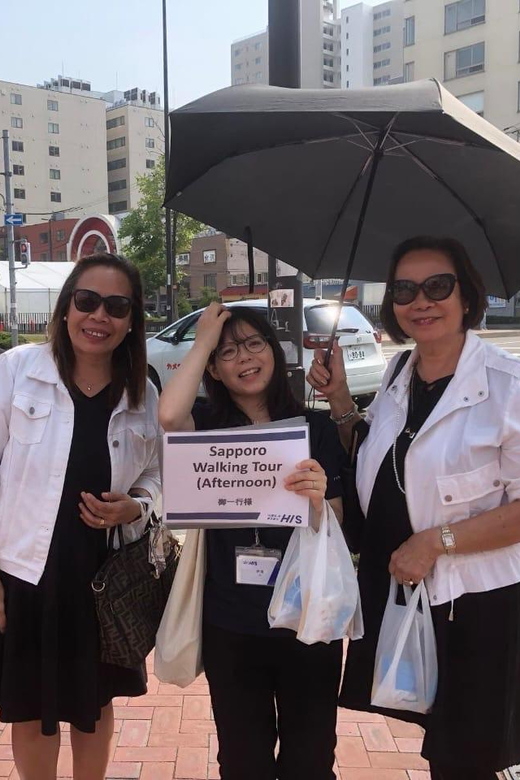
The Former Hokkaido Government Office Building, usually called the Red Brick Office, is one of the city’s most recognizable historic buildings. Its brick exterior gives the walk an immediate visual change from the modern station area.
This stop is valuable because it puts Sapporo’s development into context. The city is younger in feel than many famous Japanese destinations, and the government office helps explain the role of Hokkaido’s administration during the city’s early growth.
Your guide can point out details you might otherwise walk past, then connect the building to the wider story of Sapporo. The attraction itself is easy to photograph, but the explanation is what turns it from a quick picture stop into a useful part of the tour.
Do not expect a long museum visit here unless your chosen option says otherwise. The experience is built around walking between several landmarks, so each stop receives a focused introduction rather than an extended indoor tour.
Sweets at Kitakaro, Snow Brand Parlor, or another local choice
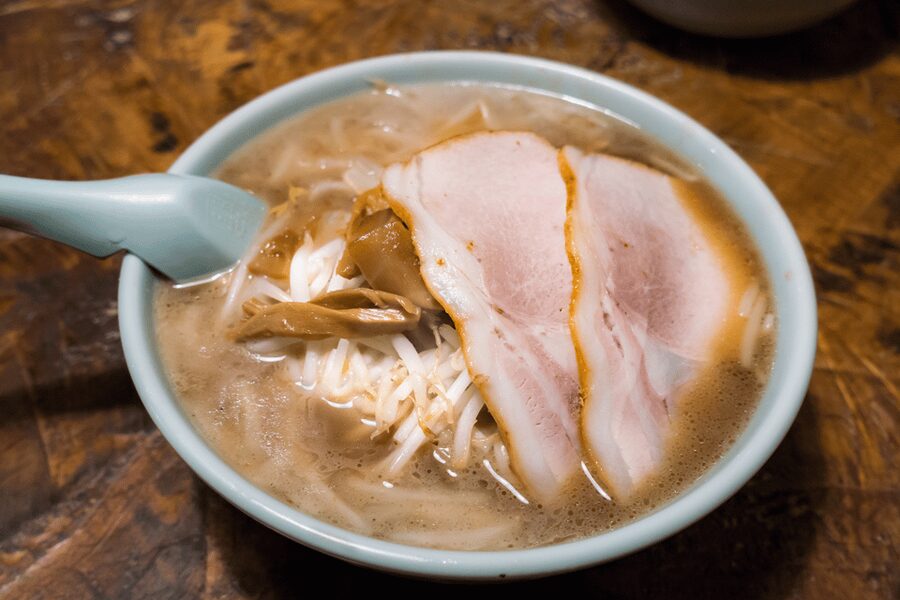
A sweets stop adds a lighter note to the historic sights. The route may include Kitakaro, Snow Brand Parlor, or another shop recommended by your guide.
Food is not included in the $58 price, so anything you buy is your own expense. That is a small but important detail. You can treat this as a chance to sample something, browse, or simply ask the guide what local sweets are worth trying without being pushed into a fixed meal.
The flexible shop choice is useful because local advice often matters more than a standard tasting menu. If you have a sweet tooth, ask your guide what is special at the shop you visit. If you are saving room for lunch, you can keep the stop brief.
This is also one of the few places where the tour can feel less like a checklist and more like a conversation with someone who lives in Sapporo. Guides such as Jessica are praised for being friendly and easy to talk with, which makes questions about food and local habits especially worthwhile.
The Clock Tower and a small lesson in Sapporo history

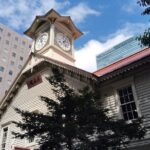
Sapporo Clock Tower is another familiar city symbol. It is not a huge attraction, so do not expect a full morning here. Its value comes from its place in the city center and the story attached to the building.
A good guide helps you see why this modest structure matters. The Clock Tower links Sapporo’s historic development with the modern streets around it, and its location makes it an efficient stop on a central walking route.
This is also a practical photo point. The building sits among taller modern structures, so your guide can help you understand its setting rather than presenting it as an isolated monument.
The tour’s history content is one of its strongest features. Mary specifically appreciated learning about the history of Sapporo’s buildings, and that is the kind of detail that can make a short city walk worthwhile. You get enough background to recognize the city’s character when you explore on your own later.
You can also read our reviews of more walking tours in Sapporo


Odori Park, Sapporo’s open-air spine
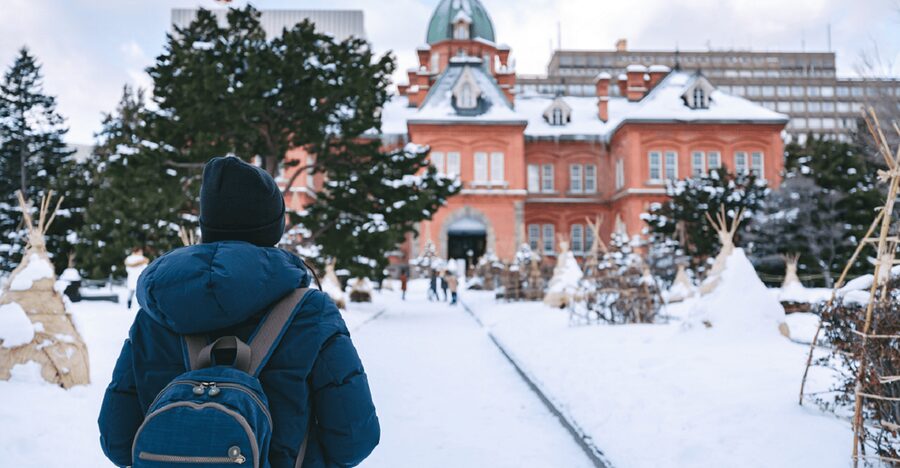
Odori Park cuts through the center of Sapporo and gives the walking route a welcome stretch of open space. After several buildings and city streets, the park helps you see how the central districts are arranged.
Your guide may discuss the park’s role in city life, but the supplied information does not promise a festival, seasonal display, or special event. Treat it as a central public space and an orientation point rather than booking the tour for a particular event.
Odori Park is especially helpful for first-time visitors because it provides a simple way to organize your map. From here, you can better understand the location of the TV Tower, shopping streets, and nearby attractions.
In winter, the park and surrounding sidewalks may be affected by snow and ice. Wear boots with good traction and warm clothing. The tour continues in rain or snow when conditions allow, but weather can change how much time you spend outdoors.
The Sapporo TV Tower view
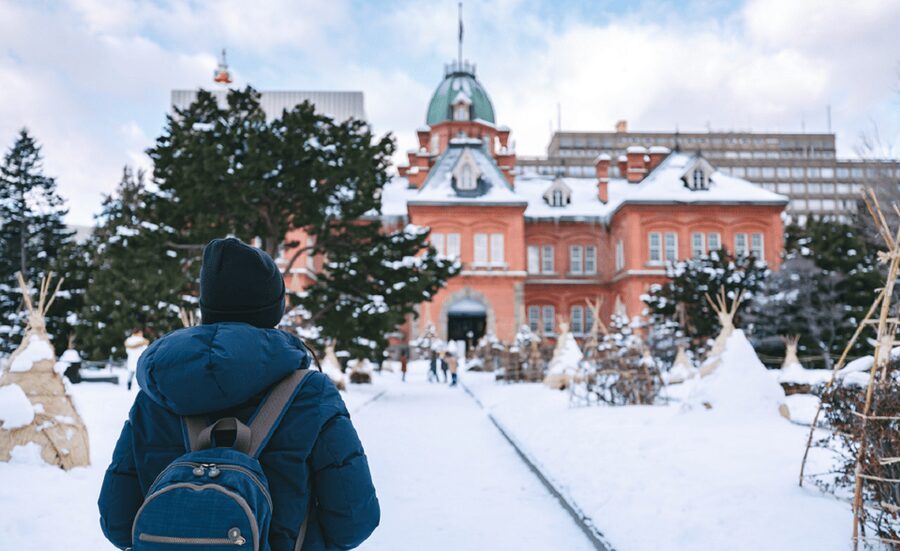
The included Sapporo TV Tower Observatory admission is the clearest extra value in the tour. A city walk shows you the streets from ground level, while the tower gives you a quick visual map of the area you have just covered.
You will see Sapporo from above and gain a better sense of Odori Park and the surrounding central districts. The view is most useful as an orientation tool. Afterward, streets that seemed disconnected on foot become easier to place.
Because admission is included, you do not need to decide at the tower whether the extra cost is worth it. That helps the $58 price compare well with a simple private guide arrangement, especially when the group is small.
The tower visit also gives the tour a clear high point. You move from street-level history to a broad city view, which creates a pleasant change of pace. Mary singled out the TV Tower view as a highlight, and it is easy to see why it works well in a short itinerary.
Afternoon additions: Tanuki Koji and Nijo Fish Market
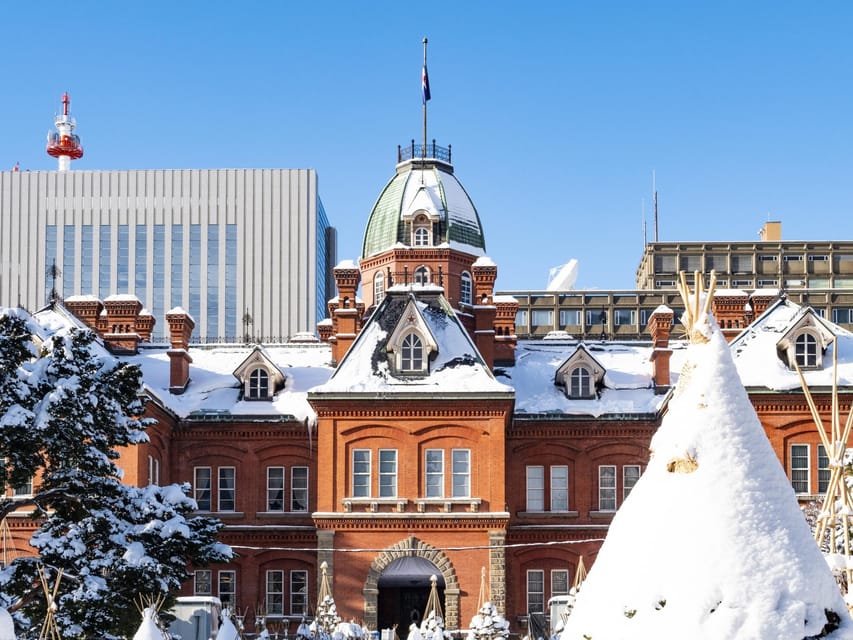
The afternoon option includes Tanuki Koji Shopping Street and Nijo Fish Market. These stops add more commercial and food-related flavor than the morning landmarks.
Tanuki Koji is a covered shopping street, making it especially practical in poor weather. You can ask your guide about shops, snacks, and the sort of souvenirs worth considering. The information provided does not promise purchases or tastings, so plan to pay for anything you choose to buy.
Nijo Fish Market brings the route closer to Sapporo’s food identity. It is a useful place to ask about seafood, local eating habits, and where to go for a meal after the tour. Food and drinks are not included, so budget separately if you plan to eat there.
If your priority is Sapporo’s major historic sights, the morning route may be enough. If you want more help with shopping and food, the afternoon route offers a better match. Check the exact option carefully, since these two stops are listed for the afternoon tour only.
What the guides add to the walk

The strongest part of this experience is the chance to speak with a Sapporo-based guide in a small group. Jessica is described as friendly, clear in English, and willing to discuss both city history and ordinary local life. Hiro also receives praise for explaining Sapporo’s buildings and making the walk enjoyable.
That personal contact matters. A standard sightseeing route can show you the Clock Tower, but a local guide can help you decide which areas deserve a return visit. You can ask where to eat, what to explore later, or how to make sense of a neighborhood that you would otherwise pass through quickly.
The group limit of eight keeps the format more personal than a large coach tour. A solo booking is still guaranteed to run, and one person has experienced it almost like a private walk. That is a real advantage if you enjoy conversation and want room for questions.
The tradeoff is that a small-group tour cannot promise a guide who matches your exact interests. The route is set around the main sights, so if you want a specialist focus on architecture, food, or shopping, ask questions during the walk rather than expecting a separate themed tour.
Snow, rain, footwear, and the underground route
Sapporo weather can shape the experience. When snow piles up, sidewalks become narrow, and the guide may use underground walkways for safety. This is sensible, but it means the outdoor route may not look exactly like the route you pictured when booking.
The underground sections are also part of understanding how Sapporo functions in winter. They can keep you moving when snow and wind make the streets unpleasant. Still, you should not book this as a guaranteed outdoor stroll through every landmark.
Wear comfortable shoes in any season. In winter, use warm boots and clothing that protect you from cold conditions. For rain, bring your own umbrella and suitable rain shoes. The tour continues in rain or snow when weather allows, but poor conditions can reduce comfort and visibility.
You may be walking in places that feel unfamiliar, including snowy streets and underground passages. Good footwear is not a minor suggestion here. It can decide whether the tour feels easy or tiring.
Is $58 a good value?
At $58 per person, this tour offers reasonable value if you want three things together: a local English-speaking guide, a compact introduction to central Sapporo, and the TV Tower admission.
The price is less attractive if you only want to photograph the outside of the Clock Tower and Red Brick Office. You can see central Sapporo independently, and food, drinks, shopping, and personal expenses are extra.
The value improves for a first visit. In three hours, you get a map of the central sights, building history, a city view, and direct advice about restaurants and later sightseeing. That can save time during a short Hokkaido stay.
The flexible cancellation policy also reduces booking risk. You can cancel up to 24 hours in advance for a full refund, and you can reserve now and pay later. The exact meeting point still needs careful checking, and the available duration and start time depend on the option selected.
Who should book this Sapporo walk?
I would choose this tour for a first visit, a short stay, or the first day of a longer trip. It gives you enough context to decide what deserves a second look, and the local questions are often more useful than another hour of formal sightseeing.
It also suits solo visitors and couples who prefer a personal guide without paying for a fully private tour. The eight-person limit keeps the group manageable, while the guaranteed operation for one person makes it dependable when plans are set.
Families and older visitors should think about the walking demands and winter conditions. The route may shift indoors, but you still need comfortable shoes and suitable clothing. Anyone who dislikes walking, snow, or weather changes may find the format less comfortable.
Food-focused visitors should consider the afternoon option, since Tanuki Koji Shopping Street and Nijo Fish Market are included then. If historic landmarks and a morning orientation matter most, choose the option that follows the main central route.
Should you book it?
Book this tour if you want a friendly local introduction to Sapporo rather than a simple list of photo stops. Jessica and Hiro bring a personal touch, the TV Tower ticket adds clear value, and the small group leaves room to ask about restaurants and future plans.
Skip it if you already know central Sapporo well or prefer exploring entirely on your own. Also check the meeting instructions, route option, and weather before setting out. For most first-time visitors who want a practical start, $58 is a fair price for a well-organized city overview.
FAQ
How long does the Sapporo Walking Tour last?
The available duration is listed as three hours to one day, depending on the option booked. Check availability for the exact starting time and duration.
Which sights are included?
The route includes Sapporo Station, the Former Hokkaido Government Office Building, a sweets shop such as Kitakaro or Snow Brand Parlor, Sapporo Clock Tower, Odori Park, and Sapporo TV Tower. Afternoon tours also include Tanuki Koji Shopping Street and Nijo Fish Market.
Is the Sapporo TV Tower admission included?
Yes. Admission to the Sapporo TV Tower Observatory is included in the tour price.
Is food included?
No. Food and drinks are not included, and personal expenses are separate. You may buy something at the sweets shop or market at your own cost.
What language is the tour offered in?
The tour is offered in English, with an English-speaking guide or greeter.
How large is the group?
The tour is limited to eight participants. It is also guaranteed to operate on scheduled dates even if only one person books.
What happens if it rains or snows?
The tour continues in rain or snow when weather conditions allow. In winter, the guide may use underground walkways when snow makes outdoor sidewalks too narrow or unsafe. Bring suitable footwear, warm clothing, and your own umbrella when needed.
More Tours in Sapporo


More Tour Reviews in Sapporo


More Sapporo City Tours in Sapporo



Other Sapporo tours worth your shortlist





Sapporo City Tours, side by side.
 ★ 4.7Sapporo TV Tower Admission TicketFrom $621 reviews
 ★ 5.01 Day Tour to Hill of the Buddha, Sapporo and SakeFrom $165.495 reviews
 ★ 4.5Sapporo TV TowerFrom $6.505 reviews
 ★ 5.01-Day Sapporo Historical Village and Sapporo Beer Museum TourFrom $180.583 reviews
The lists this tour appears in