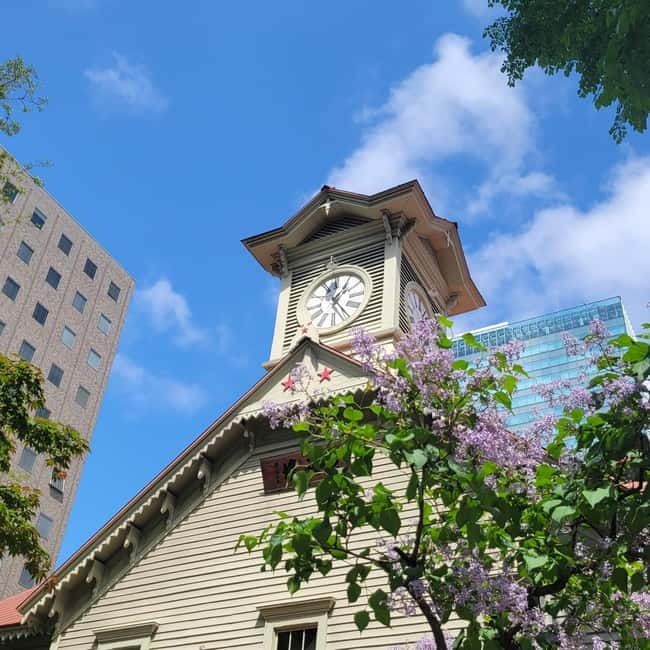
Sapporo’s best introduction may be a morning walk that begins high above the city. This two-hour route combines a TV Tower panorama with the Clock Tower, city hall, old government district, and the street trees and roads that reveal how Sapporo was planned. I like the efficient route and the chance to hear local stories rather than simply collect photographs. I also like the small groups, limited to eight, which make it easier to ask questions and adjust the pace.
In This Article
- Key points for your Sapporo morning
- Why this route works as a first look at Sapporo
- Meeting beneath Sapporo TV Tower at 10:00
- Sapporo City Hall and the question of city planning
- The Sapporo Clock Tower at 10:45
- Walking Kita-1-Jou Dori
- Aka-Renga Plaza and the red-brick story
- Finishing at the Red Brick Government Building at noon
- What Tom and Iku bring to the walk
- Is $36 a fair price?
- Who should book, and who should skip it?
- Final verdict: a smart first morning in Sapporo
- FAQ
- How long is the Sapporo Highlights walking tour?
- How far do you walk?
- Where does the tour start?
- Where does the tour finish?
- Is entry to Sapporo TV Tower included?
- Is the Sapporo Clock Tower ticket included?
- What languages are available, and how large is the group?
The main consideration is the weather. You’ll walk about 3.2 kilometers, and Sapporo can be wet, snowy, or sharply cold. The Clock Tower ticket costs about 200 Japanese yen extra, and the tour is not suited to wheelchair users or anyone carrying heavy luggage. Still, at $36, the included TV Tower entry and personal guidance make this a useful first morning in town.
Key points for your Sapporo morning
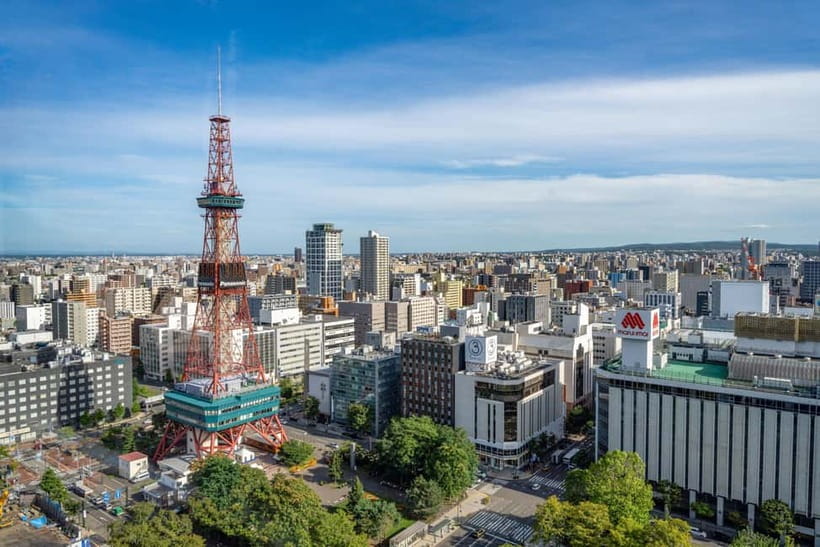
- Start above the city: Your included Sapporo TV Tower ticket gives you an early view that helps you understand central Sapporo’s broad grid.
- A compact 3.2-kilometer route: You cover the main downtown sights in two hours without spending a whole day on a formal city tour.
- Small groups feel personal: With no more than eight people, you can ask about food, transport, neighborhoods, and local customs.
- Guides add personality: Tom is praised for his clear English, friendly manner, and practical help. Iku brings history, restaurant suggestions, and good rainy-day energy.
- Look beyond the postcard sights: The guide connects the buildings with Sapporo’s roads, trees, city plan, and pioneer-era ambitions.
- Plan for a real walk: Comfortable shoes, weather protection, and light luggage matter more here than fancy clothing.
Why this route works as a first look at Sapporo
Sapporo can feel easy to navigate, thanks to its straight streets and spacious blocks. That simplicity can also make the city seem less layered at first. This tour gives you a framework: first a view from above, then a walk through the political and civic center, with explanations tying the pieces together.
I like that the route does not try to cover every corner of Sapporo. It focuses on a small area and gives each major stop a reason to matter. You see famous sights, but you also hear why the roads run as they do and how the city’s early planners imagined its future.
The morning timing is smart. You finish at noon near the Red Brick Government Building, leaving the rest of the day for lunch, museums, shopping, or a longer visit to another part of the city. If you have just arrived, this is a good way to get your bearings before tackling Sapporo on your own.
You can also read our reviews of more walking tours in Sapporo


Meeting beneath Sapporo TV Tower at 10:00
The tour starts at ground level beneath Sapporo TV Tower. Look for the guide holding a board marked KAPPO SAPPORO. The stated start time is 10:00, though you should check the available date and time when booking.
The opening stop is more than a quick photograph. Your admission to the tower is included, and the high viewpoint gives you a broad picture of Sapporo before you begin walking. From up there, the city’s organized streets make more sense, and you can better place the sights you’ll visit later.
A tower visit also gives the guide a natural way to explain what you are seeing. The experience description points to panoramic views and a wider understanding of what Sapporo offers. One participant was pleasantly surprised that the tour included going to the top, so do not assume this is only an outside photo stop.
Allow about 35 minutes here, including the guided visit, sightseeing, and photographs. In poor weather, the view may be less impressive, but the tower still gives you a useful sense of direction. Bring a phone or camera if you want your own record of the city from above.
Sapporo City Hall and the question of city planning
After the tower, you walk for about 10 minutes to Sapporo City Hall. The stop lasts around 20 minutes and shifts the focus from views to civic identity.
The guide uses city hall as a prompt for a larger question: has modern Sapporo become what its founders imagined two hundred years ago? That question gives the tour a little more bite than a standard list of dates and building names.
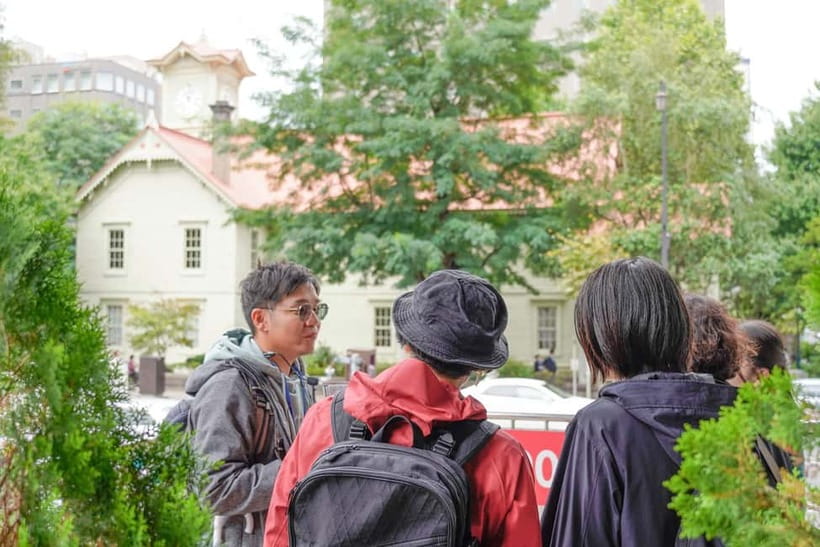
You should expect commentary about the city’s origins and development, though the exact discussion can vary with the guide and the group. Tom’s style has been described as relaxed, friendly, and clear in English. Iku has also been praised for explaining Sapporo’s layout and bringing out details that are easy to miss when you walk alone.
This is a good point to ask questions. If you are curious about how Sapporo differs from older Japanese cities, or why its center feels so spacious and geometric, this is the place to raise it. The small group makes that sort of conversation more practical than it would be on a large coach tour.
The Sapporo Clock Tower at 10:45
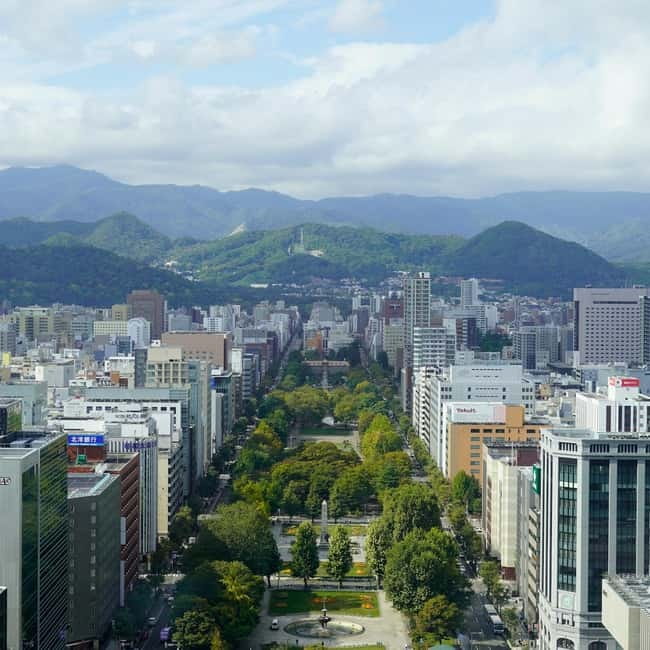
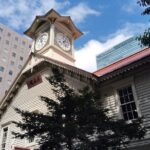
The Clock Tower is one of Sapporo’s most familiar symbols, but it is easy to treat it as a quick photo stop and move on. The guide presents it as a building with a quirky past, giving you a reason to look beyond the clock face.
You spend about 15 minutes here. That includes a photo stop, a guided visit, and passing by the building. The ticket is not included, with admission listed at approximately 200 yen per person. That is a small extra cost, but you should carry some Japanese yen if you want to enter rather than only view the exterior.
The short timing is both a strength and a limit. It keeps the morning moving, which suits someone who wants an overview. If you are especially interested in the Clock Tower’s architecture or exhibits, you may want to return on your own after the tour, since 15 minutes will not allow a long independent visit.
I like this stop because the guide can explain why the building matters to local people, not just point out that it is old. The tour’s larger theme is that Sapporo’s past remains visible in ordinary streets, public buildings, and the way the city is arranged.
Walking Kita-1-Jou Dori
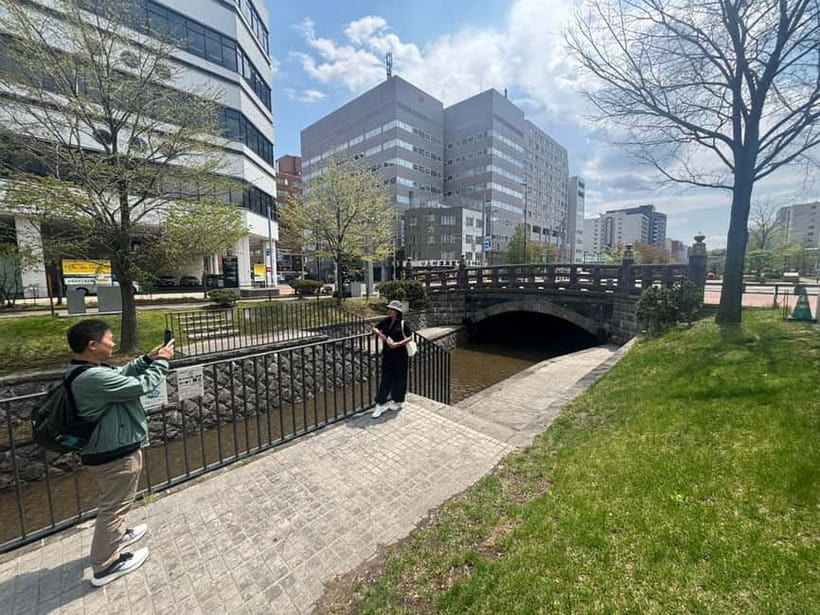
From the Clock Tower, the group continues on foot toward Kita-1-Jou Dori. This section lasts about 10 minutes and is where the tour becomes less about individual landmarks.
Roads and street trees can seem like background scenery when you are sightseeing. Here, the guide draws attention to those details as traces of Sapporo’s early planning and growth. That is useful because Sapporo’s character is not contained in a single monument. It is also found in the spacing between buildings and the broad movement of the streets.
This part rewards looking up and around instead of walking with your eyes fixed on a map. The guide may also take you to local photo spots that are not obvious from a standard sightseeing list. Personalized photographs are one of the advertised features, so have your camera ready, but keep expectations sensible: this remains a walking tour, not a dedicated photo session.
The route is manageable for someone with moderate fitness, but it is not a stationary city talk. In rain or snow, the walking sections will feel more demanding. Wear shoes with good grip and bring rain gear rather than relying on a small umbrella alone.
You can also read our reviews of more guided tours in Sapporo


Aka-Renga Plaza and the red-brick story
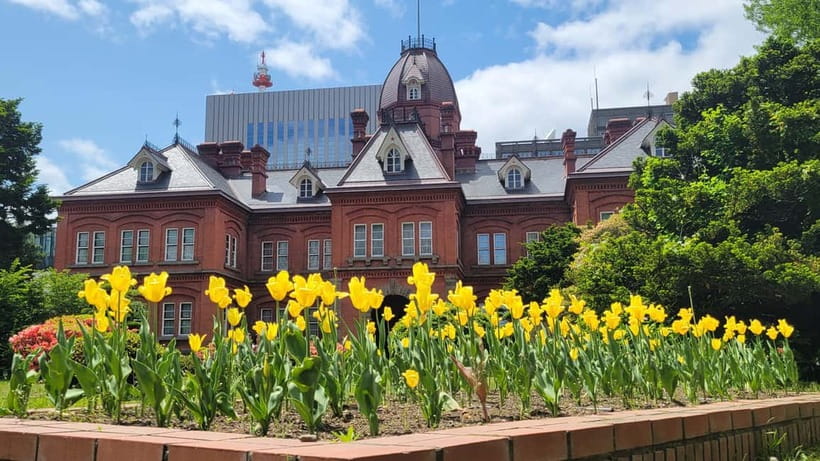
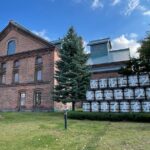
The group reaches Aka-Renga Plaza at about 11:30. You spend around 15 minutes here for a guided visit and photographs before continuing to the final stop.
Aka-Renga means red brick, and the plaza provides a natural lead-in to Sapporo’s former government district. The bricks are not just decorative. They connect to the city’s political development and to the pioneer spirit emphasized throughout the tour.
This is one of the better places to pause and consider how Sapporo presents its past. The city is modern and practical, but its older government buildings still shape the center’s identity. A guide can point out links that you might miss if you only arrive, take a picture, and leave.
The open plaza can feel exposed in bad weather. That is worth remembering if you visit during a cold season. The upside is that the space gives you room for photographs and a clear view of the building’s exterior.
Finishing at the Red Brick Government Building at noon
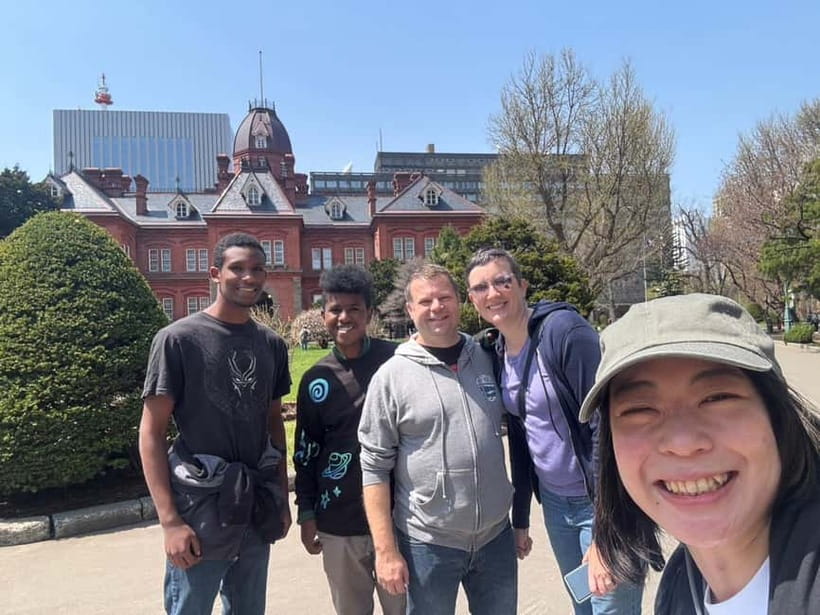
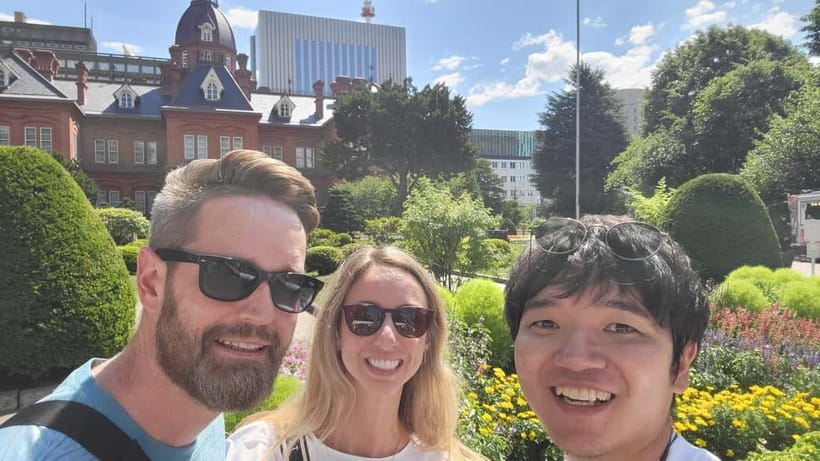
The tour ends at the former Hokkaido Government Office, commonly called the Red Brick Government Building. This is the final stop, scheduled for 12:00.
The building represents Hokkaido’s political heart and gives the tour a strong finish. The guide’s comments connect the structure to the people and plans that shaped Sapporo, rather than treating it as an isolated architectural object. The route’s message is clear: the city’s story lives in public buildings, streets, trees, and civic choices.
Ending here is convenient. You are not returned to the starting point, so the tour works best if you want to continue exploring central Sapporo afterward. You may also want lunch nearby, though food and drinks are not included.
Because the tour ends at a major landmark, you can use the guide’s final minutes for practical questions. Past participants received restaurant and sento suggestions, and one guide helped with directions after the walk. That kind of advice can be particularly useful on your first day, when you are still working out the city’s layout.
What Tom and Iku bring to the walk
The guide can make or break a short city tour. With only two hours, there is little time for a slow start or a long pause while the group adjusts.
Tom receives especially strong praise for his English, easygoing personality, local knowledge, and willingness to help after the tour. On one outing, only two people joined, making the experience feel almost like walking around with a local friend. Another small group included senior citizens and found the pace comfortable and the atmosphere close to private guiding.
Iku has a slightly different strength. She kept the tour engaging in heavy rain, explained Sapporo’s past and layout, and offered suggestions for restaurants and a sento. Even someone who had already visited Sapporo several times found new details in her explanations.
The guide assigned to your date may be Tom, Iku, or another member of the team. The language options are Japanese and English. You should expect friendly explanation and room for questions, but the exact stories and recommendations will naturally depend on who leads your group.
Is $36 a fair price?
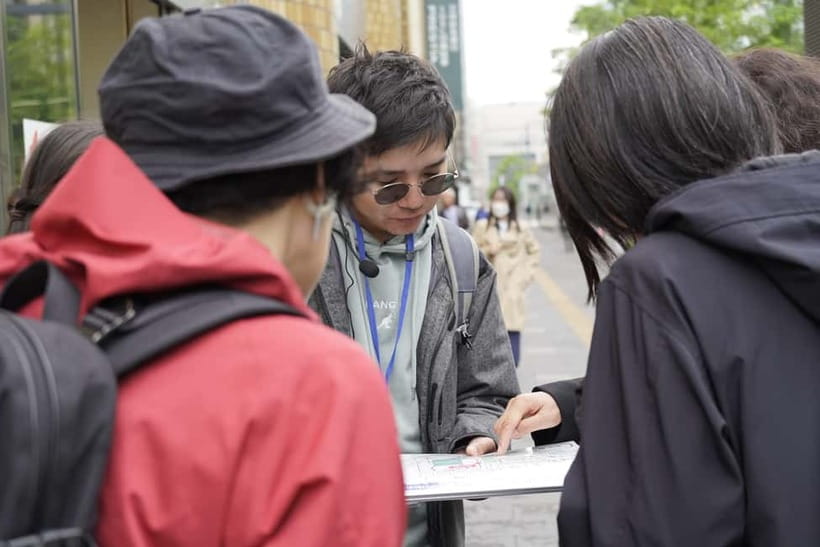
At $36 per person, this is priced as a short guided introduction rather than a full-day cultural tour. The value comes from three things: the included TV Tower ticket, the small group, and the guide’s interpretation of the city.
If you visited all the exterior sights alone, you could spend less. The Clock Tower is inexpensive, and the downtown route is walkable. But independent sightseeing would not give you the same running explanation about city planning, local history, or the connections between the buildings.
The small-group limit is important. A maximum of eight people allows the guide to answer questions and take more personal photographs. If the group is smaller, the tour can feel almost private, as happened on some dates.
I would call the price fair for a first morning, especially if you value context and want help choosing what to do next. If you have already spent several days studying Sapporo’s history or prefer to explore silently at your own pace, the value is less obvious.
Who should book, and who should skip it?
This walk suits first-time visitors, couples, solo visitors, and small families who want a clear introduction without giving up an entire day. It also works well for repeat visitors who want a fresh explanation of the city’s layout and political past.
You do not need advanced fitness, but you do need to manage two hours on foot. The stated distance is 3.2 kilometers, with several short walking sections between stops. Comfortable clothing and shoes are essential.
The tour is not suitable for wheelchair users, people with a cold, or people over 95. Large bags, oversize luggage, bikes, drones, pets, smoking, alcohol, and party groups are not allowed. Assistance dogs are allowed, but other pets are not.
Do not bring your suitcase to the meeting point. Heavy bags will make the walk less pleasant, and the tour specifically advises against luggage. Bring drinks, rain gear, and a change of clothes if the forecast is poor.
The cancellation policy is forgiving: you can cancel up to 24 hours ahead for a full refund. You can also reserve and pay later, which helps if your Sapporo plans may change.
Final verdict: a smart first morning in Sapporo
Book this tour if you want Sapporo’s major central sights explained in plain language, with a guide who can add local suggestions and keep the group relaxed. The included TV Tower entry, short route, and small-group format give the experience a useful balance of structure and personal attention.
Skip it if you want a long interior visit at every landmark, dislike walking in poor weather, or already know central Sapporo well. For most first visits, though, the route is well judged: start with the city from above, walk through its civic center, and finish with a better idea of what to see next.
FAQ
How long is the Sapporo Highlights walking tour?
The tour lasts two hours, beginning at 10:00 and ending at approximately 12:00.
How far do you walk?
The tour covers about 3.2 kilometers on foot and requires a moderate level of fitness.
Where does the tour start?
Meet your guide at ground level beneath Sapporo TV Tower. The guide will hold a board marked KAPPO SAPPORO.
Where does the tour finish?
The tour ends at the former Hokkaido Government Building, also called the Red Brick Government Building.
Is entry to Sapporo TV Tower included?
Yes. Entry to Sapporo TV Tower is included in the tour price.
Is the Sapporo Clock Tower ticket included?
No. Entry costs approximately 200 Japanese yen per person and is paid separately.
What languages are available, and how large is the group?
The tour is available in Japanese and English, with a maximum of eight participants.
More Walking Tours in Sapporo


More Tours in Sapporo


More Tour Reviews in Sapporo


Other Sapporo tours worth your shortlist



Morning, side by side.
 ★ 4.5Sapporo Highlights: Golden Route Morning Walking TourFrom $37.2314 reviews
 ★ 5.0Sapporo Morning Walking TourFrom $56.904 reviews
 ★ 5.0Morning Market Tour with Seafood Tasting OptionsFrom $1251 reviews
 Guided Morning HikeFrom $45
The lists this tour appears in