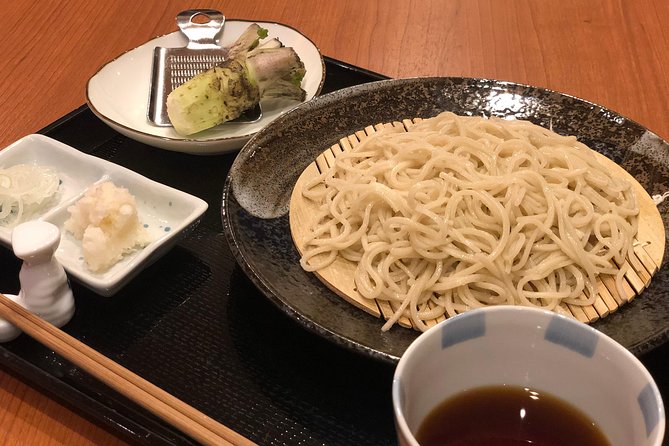
The unusual part here is that you make soba in a working restaurant, not a polished cooking studio built only for sightseeing. You mix the buckwheat flour, bring the dough together, stretch it, cut it, and then eat the noodles fresh. I like that complete process, and I like the meal that follows: seasonal Hokkaido tempura plus three local sakes served at different temperatures.
In This Article
- Key points to know before booking
- Making soba in a real Sapporo restaurant
- The full four-step noodle process
- Freshly boiled soba tastes different
- Hokkaido tempura prepared by a chef
- Three local sakes, served two ways
- A small group changes the experience
- What the location means for your day
- Is $123.79 a fair price?
- Who will enjoy this most?
- Practical details before you reserve
- Should you book this Sapporo soba experience?
- FAQ
- Where does the soba experience take place?
- How long does the experience last?
- Is this a private activity?
- What parts of soba making will I do?
- Will I eat the soba I make?
- What food is served with the soba?
- How many kinds of sake are included?
- Can people under 20 participate?
- What is the cancellation policy?
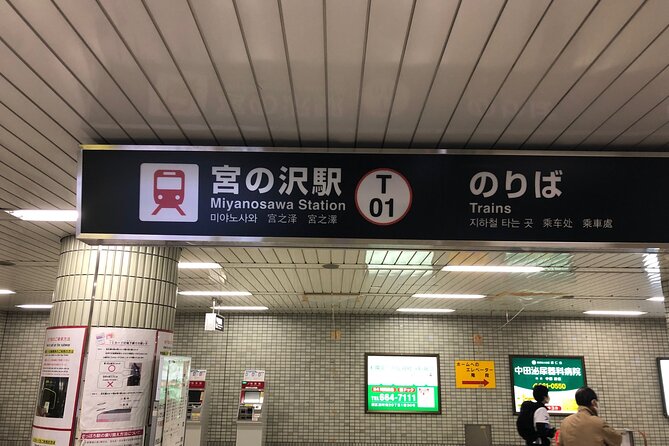
I also like the small-group format, which keeps you close to the soba craftspeople and makes it easier to ask questions. The main consideration is language. One instructor speaks some English, but communication may be limited, and the restaurant sits at the end of the orange subway line, about 40 minutes by subway from central Sapporo.
Key points to know before booking
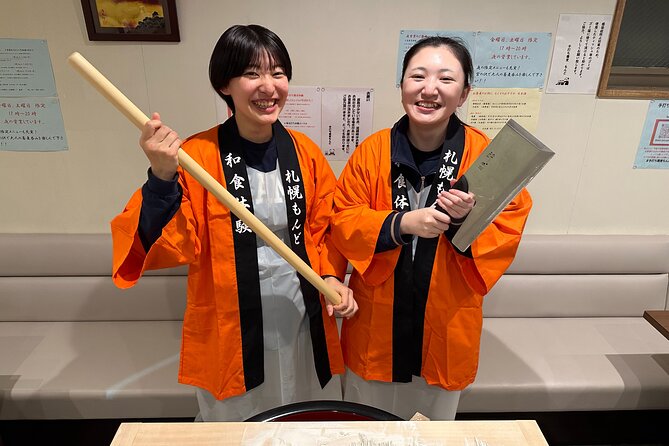
- Make soba from flour to bowl: You take part in mixing, kneading, stretching, cutting, and boiling the noodles.
- Eat your own noodles fresh: The soba is served soon after preparation, with warm broth and tenkasu available for Japanese-style variations.
- Pair three Hokkaido sakes: Taste two chilled sakes and one warmed sake to compare how temperature changes flavor.
- Try seasonal tempura: A Japanese chef prepares Hokkaido ingredients, since guests do not handle the hot frying oil.
- Expect a real neighborhood restaurant: This is an operating soba shop rather than a tourist-only facility.
- Plan for transport and language limits: The restaurant is reached by subway, and English support may be basic.
Making soba in a real Sapporo restaurant
This experience begins at 9-chōme-17-28 Hassamu 6 Jō in Sapporo’s Nishi Ward. It is not in the center of the city, so you need to allow roughly 40 minutes by subway according to the available directions. The trip matters because this is part of the appeal: you are going to a real handmade soba restaurant, not simply walking into a downtown activity designed around a quick tourist visit.
Once there, you work with a soba artisan who makes and serves noodles as part of daily restaurant life. That setting gives the class a practical feel. You are learning a food craft in the place where it is actually used, with the restaurant’s normal identity still intact.
The experience lasts about 1 hour and 15 minutes. That is a fairly short window for both cooking and eating, so you should expect a focused introduction rather than a long culinary course. The format works best if you want to learn the basic sequence and then sit down to enjoy the result.
You can also read our reviews of more food & drink experiences in Sapporo


The full four-step noodle process
Many food activities let you perform one attractive part of the job, such as cutting dough or shaping a finished product. Here, you work through the complete soba sequence:
- Mix buckwheat flour
- Bring the dough together
- Stretch the dough
- Cut the noodles
The first stage shows why soba can be tricky. Buckwheat flour behaves differently from wheat flour, and the dough needs careful handling. You will not simply stir ingredients and wait for a machine to finish the work. The point is to feel the dough and see how the texture changes as it comes together.
Stretching is where the craft becomes more obvious. The dough must become thin enough for noodles, but it still needs to hold together. Cutting also requires care because noodle thickness affects the final bite. Even in a short class, you get a clear sense of why soba making depends on repetition and touch.
Instructions are given directly by the restaurant’s soba makers. If your English is limited, watch closely and copy the motions. The activity is still possible, but you may need to rely on demonstrations, gestures, and simple explanations rather than a long English lecture.
Freshly boiled soba tastes different
The best payoff comes when your noodles are boiled and served right away. Fresh soba has a stronger aroma and a different texture from noodles that have been sitting in a restaurant kitchen or packaged for later use.
You can eat the soba with a warm dipping or serving broth, depending on the preparation offered during the session. Tenkasu, the crisp pieces of fried batter commonly used with soba, is also available for a distinctly Japanese way to adjust the dish.
This part is simple, but it gives the class a clear purpose. You are not making noodles as a souvenir or taking them home. You are making them to eat at their best, while the connection between your work and the finished meal is still clear.
The meal is also described as filling. That matters because the price includes more than a small sample of your noodles. You receive the soba, seasonal tempura, and a three-sake comparison, making this closer to a compact meal and cultural lesson than a basic cooking demonstration.
Hokkaido tempura prepared by a chef
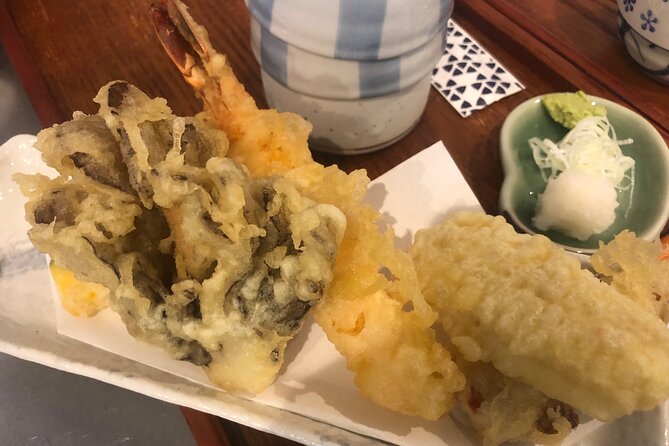
The tempura is made by a Japanese chef rather than by participants. That is both a safety measure and a sensible choice. Hot oil can cause serious burns, and the experience specifically limits tempura preparation to the chef.
The ingredients are mainly seasonal products from Hokkaido. The cooking is meant to keep the natural flavor of the ingredients clear and to work well with soba, rather than overwhelm it with heavy seasoning.
You should not expect to choose the exact vegetables or seafood in advance. The selection depends on what is seasonal and available, but that is part of the local character of the meal. Hokkaido is known for its farm and seafood products, and this pairing gives you a taste of that produce without turning the meal into a formal tasting menu.
The tempura also breaks up the hands-on portion of the activity. You make the noodles, while the chef handles the more dangerous cooking. That division keeps the class safe and lets you focus on the soba technique.
Three local sakes, served two ways
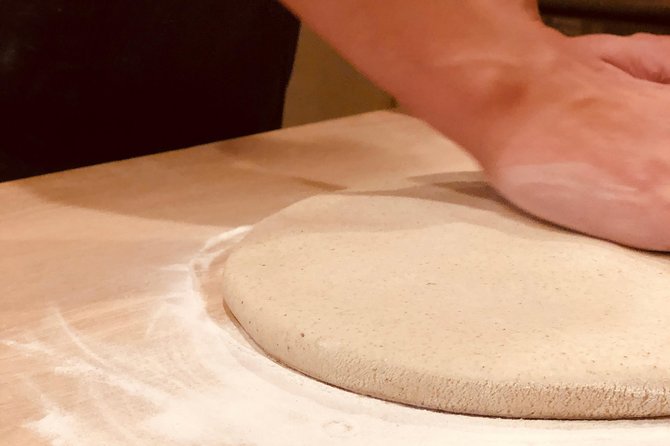
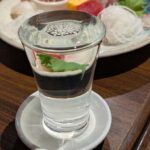
The sake portion includes three Hokkaido selections chosen by a local sake master. You taste two kinds cold and one kind warm. The temperature comparison is useful because it shows that sake is not one fixed flavor. Heating can change the aroma and the way the drink works with food.
The selections are intended to be approachable for people who are new to sake. You do not need a developed palate or prior knowledge. Taste each one with the soba and tempura rather than treating the drinks as separate shots. The pairing is designed to show sake as part of a meal.
This is one of the more valuable parts of the experience for a first-time sake drinker. You can compare chilled and warmed versions in one sitting, with food available to soften the alcohol and give you a clear point of reference.
The activity is limited to people aged 20 and over. That rule applies even if you do not plan to drink much, so it is not suitable for younger members of a family group.
You can also read our reviews of more drinking tours in Sapporo


A small group changes the experience
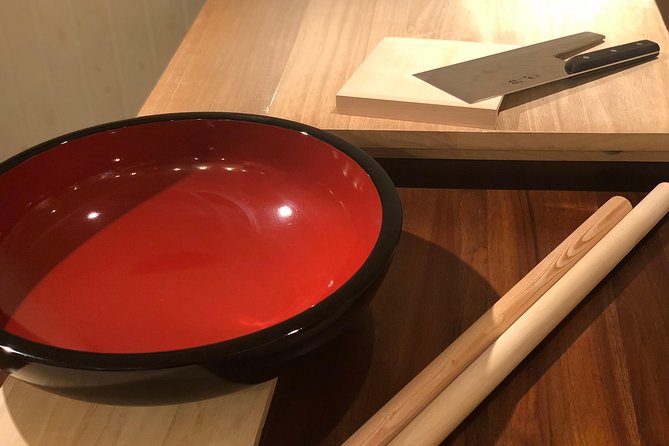
This is a private activity for a small number of people, meaning only your group participates. That gives you more direct contact with the craftspeople than you would get in a large class.
A small group is especially helpful during the dough work. You can see the instructor’s hands, get corrections, and ask for help without waiting behind a crowd. It also keeps the meal calm and gives the restaurant a less commercial feel.
The tradeoff is that the experience may not have the polished production of a large English-language cooking school. One available account describes a very friendly young woman who did not speak English, along with another English-speaking staff member who was less engaging. The activity delivered the expected food and instruction, but the quality of communication may vary.
I would book this for someone comfortable with a little nonverbal learning. If you need detailed explanations in English at every stage, this may feel less smooth than a class built specifically for international visitors.
What the location means for your day
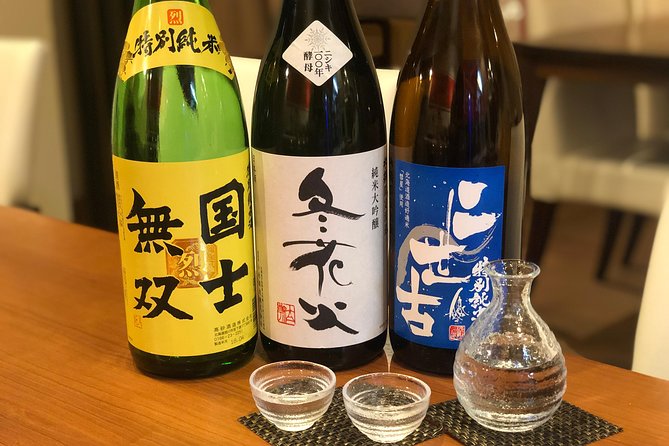
The meeting point is in Hassamu 6 Jō, Nishi Ward, and the activity ends back at that same point. It is near public transportation, but it is not a quick walk from Sapporo’s main sightseeing areas.
The subway journey takes about 40 minutes according to the available directions. Build that ride into your schedule in both directions, especially if you have a train reservation, airport transfer, or another timed activity afterward.
The location can work well on a cold day because you spend the main part of the experience indoors with warm food and sake. One participant specifically described enjoying the class as a way to come in from the cold. Still, do not book it as a convenient central Sapporo stop unless the subway ride fits your plans.
The restaurant setting also means you should arrive ready for a genuine local environment, not a staged attraction. That is a plus for people who want a more ordinary Japanese food setting, but it may feel less instantly accessible if you are expecting a fully translated tourist program.
Is $123.79 a fair price?
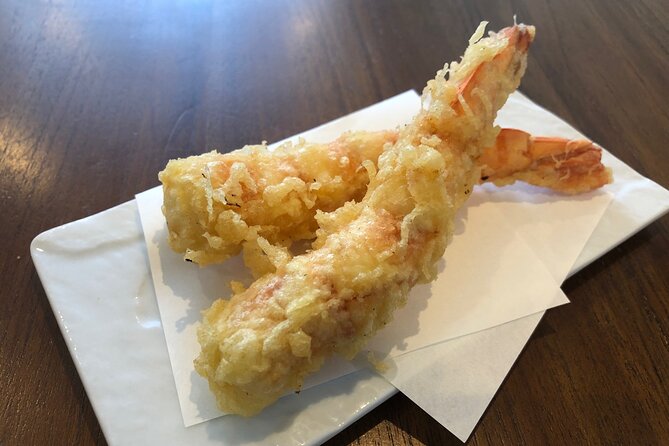
At $123.79 per person, this is not a cheap way to eat soba. The value comes from combining several parts in one short session:
- Direct instruction from soba makers
- A complete noodle-making process
- Freshly boiled soba
- Seasonal Hokkaido tempura
- Three local sakes
- A private small-group format
If you only want a bowl of noodles, the price is high. If you want a meal, a hands-on lesson, and a guided introduction to local sake, the calculation looks better.
The 1-hour-15-minute duration is compact. You are paying for quality and combination rather than a long class. The experience does not appear designed for leisurely sipping over several hours or for advanced noodle training. It is better viewed as a concentrated food culture activity.
Group discounts may reduce the per-person cost for eligible bookings. Since this is a private activity, the value also improves when you can share the session with people you know and keep the instruction within your own group.
Who will enjoy this most?
I would recommend it to adults who enjoy food enough to care how it is made. You do not need to be a skilled cook, but you should be willing to handle dough, follow demonstrations, and accept that the noodles may not come out perfectly even with help.
It suits:
- First-time visitors seeking a Japanese food experience
- Soba fans who want to understand the work behind the dish
- Adults interested in trying Hokkaido sake
- Couples and small groups who prefer private activities
- People who like local restaurants more than tourist facilities
- Anyone looking for an indoor activity during cold Sapporo weather
It may not suit young families because participation is limited to age 20 and over. It may also disappoint visitors who want a fluent English-speaking guide, a central location, or a long, detailed cooking course.
Practical details before you reserve
Confirmation is provided when you book, and mobile tickets are supported. You should keep the ticket available on your phone and check the meeting address carefully, since the location is outside the most central parts of Sapporo.
The activity requires a minimum number of participants. If that minimum is not reached and the session is canceled, you are offered another date or experience, or a full refund.
Free cancellation is available up to 24 hours before the local start time. Changes or cancellations inside that 24-hour window are not accepted for a refund.
The experience has an overall rating of 4.8 from eight reviews, with the strongest praise focused on the fun of making soba, the patience of the instructor, the good meal, and the quality of the sake. The small number of ratings means I would treat that score as encouraging rather than final proof of a perfect experience.
Should you book this Sapporo soba experience?
Book it if you want to make food in a real restaurant, eat the result immediately, and try Hokkaido sake in a relaxed small group. The full noodle process and the warm-cold sake comparison give the session more substance than a quick cooking photo opportunity.
Skip it if you need a central location, fluent English instruction, or a family activity for anyone under 20. Also skip it if the $123.79 price feels high for a meal, since the value depends on your interest in the preparation and cultural context.
For the right person, this is a memorable Sapporo morning: flour on your hands, fresh soba in your bowl, tempura from Hokkaido, and three sakes that show how much serving temperature can change a drink.
FAQ
Where does the soba experience take place?
It starts and ends at 9-chōme-17-28 Hassamu 6 Jō, Nishi Ward, Sapporo, Hokkaido 063-0826, Japan.
How long does the experience last?
The activity lasts approximately 1 hour and 15 minutes.
Is this a private activity?
Yes. It is a private activity for a small number of people, and only your group participates.
What parts of soba making will I do?
You take part in mixing buckwheat flour, bringing the dough together, stretching it, cutting it, and completing the process through boiling.
Will I eat the soba I make?
Yes. Your soba is served freshly made and boiled during the experience.
What food is served with the soba?
The meal includes tempura made by a Japanese chef, mainly using seasonal ingredients from Hokkaido. Warm soba broth and tenkasu are also offered as ways to enjoy the noodles.
How many kinds of sake are included?
You taste three Hokkaido sake selections: two served cold and one served warm.
Can people under 20 participate?
No. Participation is limited to people aged 20 and over.
What is the cancellation policy?
You can cancel up to 24 hours before the local start time for a full refund. Cancellations or changes made less than 24 hours before the start are not accepted for a refund.
More Drinking Tours in Sapporo
More Food & Drink Experiences in Sapporo

More Tour Reviews in Sapporo


Other Sapporo tours worth your shortlist


Soba & Ramen Making, side by side.
 ★ 5.0Popular in SapporoExperience authentic hand-made soba at a real soba shop!From $72.6777 reviews
 ★ 5.0Mondo’s most popular plan! Experience making soba noodles and the king of Japanese cuisine, tempura, in Sapporo!From $85.7971 reviews
 ★ 5.0in Sapporo! Hand-made soba experience and shabu-shabu experience plan of Yezo deer meat (Gibier meat) from HokkaidoFrom $85.6629 reviews
 ★ 4.8Authentic Handmade Soba Experience!From $7011 reviews
The lists this tour appears in