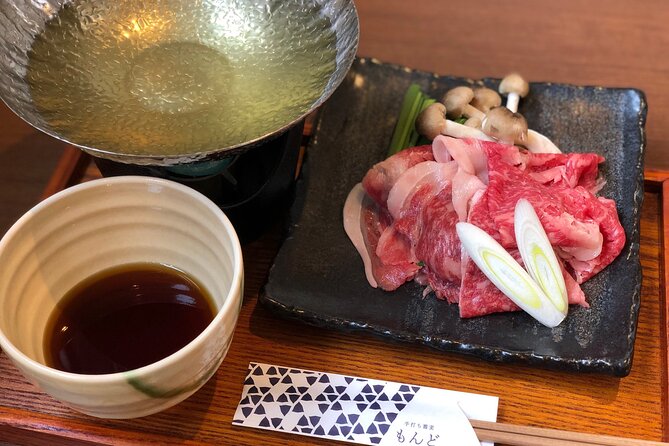
Making soba from buckwheat flour is the heart of this experience, but the best part comes when your uneven noodles hit the pot and become lunch or dinner. Taku and Mai guide you through kneading, rolling, cutting, and eating the finished noodles, then serve Hokkaido Yezo deer in shabu-shabu broth.
In This Article
- Key points at a glance
- Why making soba beats simply ordering it
- The small Sapporo shop and its local hosts
- Kneading, rolling, and cutting your noodles
- The Yezo deer shabu-shabu meal
- A useful stop near Miyanosawa and Shiroi Koibito Park
- What the private format changes
- Is $85.66 a fair price?
- Who should book this experience?
- My booking advice
- FAQ
- Where does the soba and shabu-shabu experience take place?
- How do I reach the meeting point by subway?
- How long does the activity last?
- What will I do during the class?
- Is the activity suitable for beginners?
- Is the class conducted in English?
- Is this a private activity?
- Is parking available?
- Can I cancel for a full refund?
I like two things right away: you make the food yourself, and the meal uses a distinctly Hokkaido ingredient rather than a standard restaurant menu. I also like the small-shop setting, where simple Japanese and English can make the class feel friendly and personal. The main drawback is communication: the hosts can help, but this is not a fully English-led class, so clear meeting instructions matter.
Key points at a glance
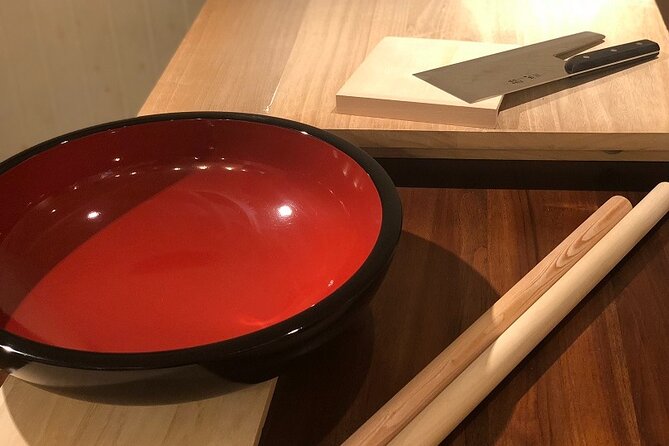
- Make soba from scratch: Knead the dough, roll it, cut it, and taste the noodles you produced.
- Try Yezo deer shabu-shabu: Hokkaido sika deer gives the meal a local character you will not get from an ordinary soba lunch.
- Get close guidance: Taku, Mai, and another instructor identified as Taka have helped first-timers and families through the process.
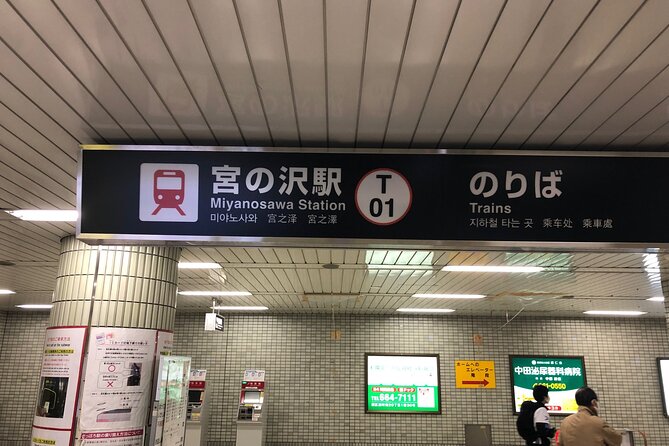
- Reach it easily: Miyanosawa Station on the Sapporo Subway Tozai Line is about a three-minute walk away.
- Pair it with Shiroi Koibito Park: The shop is within walking distance of the popular chocolate attraction.
- Plan for a small, private class: Only your group participates, and the full experience lasts about one hour.
Why making soba beats simply ordering it
Soba has been part of Japanese food culture since the Edo period. In a restaurant, you usually see the finished bowl and perhaps a tray of condiments. Here, you see the work that comes before it: flour becomes dough, dough becomes a sheet, and that sheet becomes thin strands with a knife.
That simple sequence gives you a better feel for the food. Soba making is not difficult because the ingredients are exotic. It is difficult because the dough needs care. Too much force, too little moisture, or uneven cutting can change the final texture. The instructor steps in to show you the technique, so you are not left guessing.
The class is designed for first-timers. Children around the age of 13 have taken part successfully, and the instruction includes explanations of the ingredients and hands-on demonstrations. You may not produce restaurant-perfect noodles on your first attempt, but that is part of the fun. The result is yours, crooked pieces included.
The class also includes a traditional way of eating soba. That matters because Japanese noodles come with their own habits, timing, and table customs. You get more than a cooking task. You get a small lesson in how the dish fits into everyday Japanese food culture.
We have reviewed more tours and experiences across Sapporo; these are worth comparing before you book.


The small Sapporo shop and its local hosts
The setting is a working soba restaurant in Sapporo City, run by a couple who take part in the teaching and meal preparation. The shop is not presented as a large culinary school with rows of workstations. That smaller scale helps keep the experience personal.
Taku is repeatedly identified as the soba instructor, while Mai helps prepare the shabu-shabu and takes part in hosting. One account also refers to the instructor as Taka, so the name used on the day may vary. The important point is that the class is led by the restaurant’s own soba craftspeople, not by a detached guide who simply explains the process from a distance.
Communication uses simple Japanese and English. That can make the class feel relaxed and genuine, but you should not book it expecting a polished English lecture at every stage. The hosts have supported international visitors, yet one serious complaint involved difficulty reaching the host and confusion at the meeting point in winter weather. Take the meeting instructions seriously, arrive at the exact address, and keep your booking contact details handy.
Kneading, rolling, and cutting your noodles
The practical portion covers three central jobs: soba making, soba cutting, and tasting. The instructor explains the ingredients, demonstrates the technique, and then lets you work with the dough.
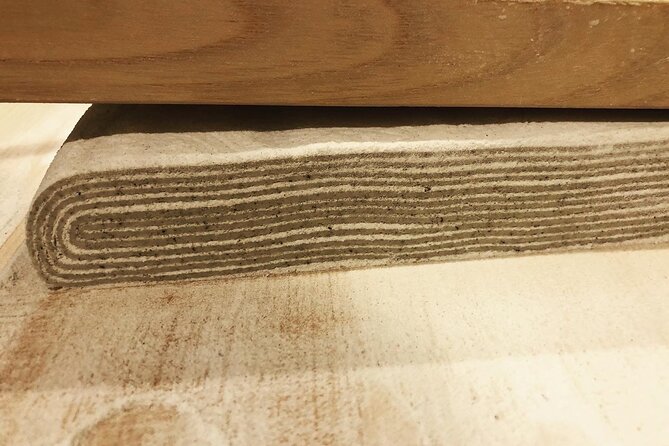
Kneading is where you start to understand why handmade soba takes skill. The mixture has to come together without being overworked. Rolling turns the dough into a broad, thin sheet, and cutting requires a steady hand. You might begin with confidence and soon discover that uniform noodle width is harder than it looks.
One particularly playful detail from the class is the instructor’s Spiderman technique. That nickname suggests a lively teaching style rather than a stiff demonstration. The lesson is meant to be fun, and the hosts use humor to keep you moving when the dough refuses to cooperate.
After cutting, you taste the noodles you made. Fresh soba has a directness that makes the cooking process feel worthwhile. The food is not just a souvenir photograph or a demonstration you watched from the side. You handled the main ingredient and then sat down to eat the result.
The one-hour duration is short enough to fit into a busy Sapporo day. It also means the class focuses on the essential steps instead of trying to turn you into a professional noodle maker. If you want a long culinary workshop with several dishes, this is too brief. If you want one memorable Japanese food activity, the timing works well.
The Yezo deer shabu-shabu meal
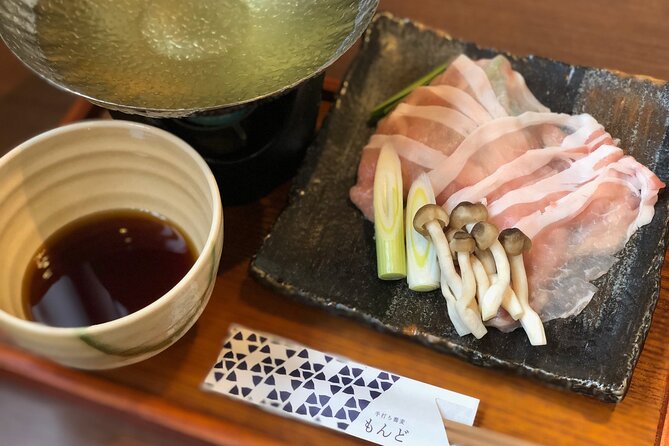
The second half of the experience brings in Hokkaido sika deer, also called Yezo deer. In Japan, deer is classed as gibier, or game meat. Serving it as shabu-shabu gives you a chance to try a local ingredient in a warm, social meal rather than as a novelty sample.
Shabu-shabu is cooked at the table by swishing thin pieces of meat through hot broth. The method is simple, but it makes the meal interactive. You control how long the meat cooks, then eat it with the accompanying broth and ingredients provided by the restaurant.
The deer adds a clear Hokkaido identity. A normal soba class could take place in many Japanese cities. Handmade soba followed by Yezo deer shabu-shabu feels tied to this northern region. It is especially appealing for dinner, when a hot broth and warm meal suit Sapporo’s cold climate.
You should also know that deer is not the same as familiar beef or pork. Its appeal is its lean, game-meat character. If you want only mild, predictable flavors, this meal may be outside your comfort zone. If you like trying regional food, the deer is one of the strongest reasons to choose this plan instead of a basic soba-making class.
Mai helps prepare the shabu-shabu, giving the meal a second host and a different rhythm from the noodle lesson. The combination makes the experience feel like a complete Hokkaido meal rather than a single cooking exercise.
A useful stop near Miyanosawa and Shiroi Koibito Park
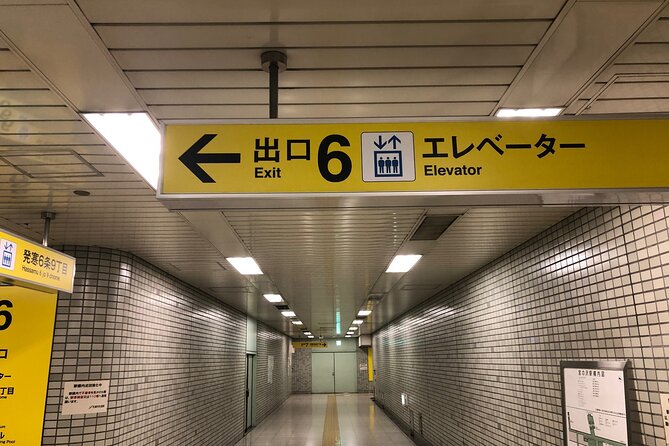
The meeting point is at 9-chōme-17-28 Hassamu 6 Jō, Nishi Ward, Sapporo, Hokkaido 063-0826. The nearest stated subway access is Miyanosawa Station on the Tozai Line, with Exit 6 about a three-minute walk from the shop.
That is good news if you are staying in central Sapporo and using public transportation. You do not need to arrange a long transfer to a rural cooking venue. The shop is also within walking distance of Shiroi Koibito Park, making it possible to combine the class with one of west Sapporo’s best-known attractions.
The order of your day depends on the start time. A daytime class could follow a visit to the park, while an afternoon or evening booking could work before dinner plans. The advertised duration is about one hour, but you should leave extra time for getting there, finding the entrance, and finishing the meal without rushing.
Two parking spaces are available. That is helpful if you have a rental car, though limited parking means you should not assume a place will always be open. The venue is near public transportation, so the subway is the safer choice if you do not need a car for the rest of your day.
The activity begins and ends at the same meeting point. This makes the logistics simple, especially in winter, when you do not want to finish a meal in an unfamiliar neighborhood and then work out where to go next.


What the private format changes
Only your own group takes part. A private class can be a real advantage here because soba making involves movement around a work area, and you can ask for help without competing with a large crowd.
Families may appreciate the format. A 13-year-old has enjoyed the full process, and the hands-on work gives children something concrete to do. The class also suits couples, small groups of friends, and solo visitors who prefer a direct exchange with the host instead of a large tour.
The trade-off is that a private activity can feel less anonymous. You are not hiding in a crowd if you arrive late or have trouble finding the location. Be precise with the address and start time. One difficult experience involved a 4:30 p.m. booking, a snowy park meeting point, cold weather, a poor phone signal, and trouble communicating by telephone. The provider gave a response about the communication problem, but the practical lesson remains: do not rely on a last-minute phone call to solve meeting confusion.
The activity allows service animals and is near public transportation. The supplied information does not explain the shop’s full physical accessibility, seating arrangement, or whether the noodle work can be adapted for every mobility need. If that affects your booking, contact the provider before paying.
Is $85.66 a fair price?
At $85.66 per person, this is not the cheapest lunch in Sapporo. You are paying for instruction, private participation, hands-on food preparation, fresh soba, and a Yezo deer shabu-shabu meal in one short package.
I think the price makes the most sense when you value the activity as much as the food. If you only want to eat soba, a restaurant meal will cost less and take less time. If you want a local cooking memory, the price covers more than a bowl of noodles. You learn a traditional preparation, work with a soba craftsman, and try game meat associated with Hokkaido.
Group discounts may improve the value for families or small parties. Since only your group participates, the cost can also feel more reasonable when shared across several people who will actively take part.
The class is booked an average of 46 days ahead. That suggests you should not leave it until the final day of a short Sapporo visit, especially if your schedule depends on a particular dinner time. Free cancellation is available if you cancel at least 24 hours before the start time. Within 24 hours, the payment is not refunded, and changes are not accepted. If the minimum number of participants is not met and the provider cancels, you receive a different option or a full refund.
Who should book this experience?
I would choose this for anyone who wants food to tell a place-specific story. The soba connects you with a long-running Japanese staple, while the deer points directly to Hokkaido. Together, they offer more character than a standard cooking class built around ingredients available everywhere.
It is a good match for families with older children who can take part in kneading and cutting. It also suits couples who want a quiet shared activity, and small groups who enjoy eating what they have made.
You should think twice if you need a fully English-speaking instructor, dislike game meat, or want a long, highly structured workshop. The class uses simple Japanese and English, and the tone may be more relaxed than formal. You will get the most from it if you are comfortable asking questions, watching demonstrations closely, and laughing at imperfect noodles.
The activity also works well for repeat visitors to Sapporo. If you have already seen the main city sights, a local food session near Miyanosawa gives you a different kind of day. Pair it with Shiroi Koibito Park and you can turn the west side of the city into a full outing.
My booking advice
Book this experience if you want to make a traditional Japanese food, eat a Hokkaido specialty, and spend time with a small local business. The strongest points are the hands-on instruction, the warm personal hosting from Taku and Mai, and the unusual combination of soba with Yezo deer shabu-shabu.
Before booking, confirm the start time, meeting address, and language expectations. Arrive with a little spare time, especially in snow or poor weather. If those details work for you, the class offers strong value as a cultural activity, not just a meal.
FAQ
Where does the soba and shabu-shabu experience take place?
It takes place at 9-chōme-17-28 Hassamu 6 Jō, Nishi Ward, Sapporo, Hokkaido 063-0826, Japan.
How do I reach the meeting point by subway?
Take the Sapporo Subway Tozai Line to Miyanosawa Station and use Exit 6. The shop is about a three-minute walk away.
How long does the activity last?
The experience lasts approximately one hour.
What will I do during the class?
You will make soba from scratch, including making the dough, cutting the noodles, and tasting them. The plan also includes Hokkaido deer meat shabu-shabu.
Is the activity suitable for beginners?
Yes. A soba-making craftsman supports participants throughout the process, and first-timers can take part.
Is the class conducted in English?
The hosts use simple Japanese and English to communicate. The available information does not describe it as a fully English-led class.
Is this a private activity?
Yes. Only your own group participates in the activity.
Is parking available?
Yes. The venue has two parking spaces.
Can I cancel for a full refund?
You can receive a full refund if you cancel at least 24 hours before the experience start time. Cancellations or changes made less than 24 hours before the start time are not refunded or accepted.
More Tour Reviews in Sapporo
Other Sapporo tours worth your shortlist


Soba & Ramen Making, side by side.
 ★ 5.0Popular in SapporoExperience authentic hand-made soba at a real soba shop!From $72.6777 reviews
 ★ 5.0Mondo’s most popular plan! Experience making soba noodles and the king of Japanese cuisine, tempura, in Sapporo!From $85.7971 reviews
 ★ 4.8Authentic Handmade Soba Experience!From $7011 reviews
 ★ 5.0Gluten-free only.Soba making experience plan!From $84.709 reviews
The lists this tour appears in