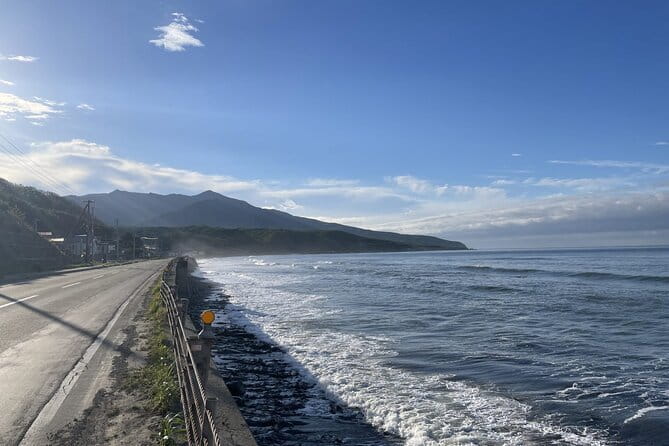
Samani’s Manma Association mothers turn a simple cooking class into a friendly taste of the Hidaka region. You will clean Kajika fish, mix its cooked meat with liver to make Tomoae, then create one original bag of trail food to take home.
In This Article
- Key points at a glance
- Cooking local seafood at the foot of the Hidaka
- Meeting the Manma Association mothers
- Making Tomoae from Kajika fish
- Choosing one bag of original trail food
- Sharing the meal for about one hour
- What the $99.59 price includes
- Timing, meeting point, and transport
- Who will enjoy this Samani cooking class
- Cancellation and booking details
- Should you book this Hidaka food experience?
- FAQ
- Where does the experience begin and end?
- What time does the activity start?
- How long does the experience last?
- Is this a private activity?
- What is included in the price?
- Can I cancel for a full refund?
I like the hands-on use of local seafood, especially the chance to work with an underused fish and kombu from the area. I also like the relaxed hour of eating, tea, dessert, and conversation with local women who keep Samani’s food traditions in everyday use. The main drawback is that the menu can change with ingredient supply, and the fish-and-liver preparation may not suit every palate.
Key points at a glance
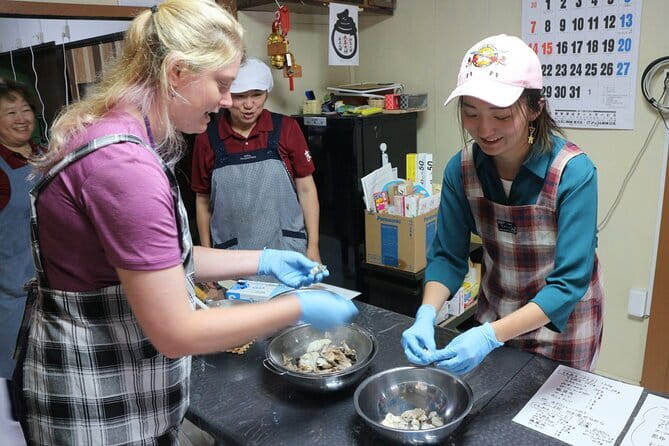
- Prepare Kajika Tomoae: Clean and cook the local fish, then combine the meat with its liver.
- Choose your trail food: Make one bag from options such as Tomoae pasta, Tomoae risotto, Tsubu rice, or Tako rice.
- Eat with the local cooks: Set aside about an hour for the meal, tea, dessert, and conversation.
- Expect a changing menu: Pasta, pizza, rice, mountain vegetables, octopus, whelk, and kombu may appear according to supply.
- Private three-hour activity: Only your group takes part, starting and ending at 1-chōme-15 Honchō in Samani.
- Take home something useful: The included original trail food gives you a small edible reminder of the Hidaka coast.
Cooking local seafood at the foot of the Hidaka
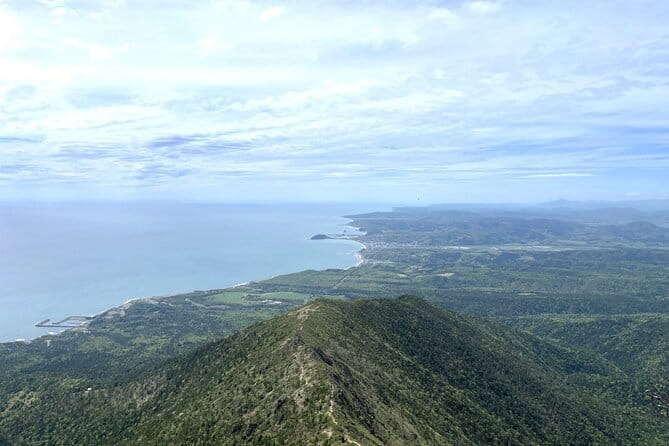
This is not a polished restaurant demonstration where you sit back and watch someone else handle the food. You take part in the work. The class gives you a close look at how a small harbor town uses what comes from its waters, including Kajika, a fish that is not always the first choice on a seafood menu.
Kajika forms the heart of the Tomoae preparation. You clean and prepare the fish, boil the meat, and mix it with the liver. That last step is important because it gives Tomoae its particular character, but it also makes this part of the class more suited to adventurous eaters than to anyone who avoids strong seafood flavors.
The experience takes place in Samani, in Hokkaido’s Hidaka region. The meeting point is at 1-chōme-15 Honchō, Samani, Samani District, and the activity begins at 10:00 in the morning. It finishes back at the same place after roughly three hours.
Because this is a private activity, only your group participates. That gives you room to ask questions and work at a comfortable pace, though the experience may feel less social if you are hoping to meet people outside your own party.
You can also read our reviews of more food & drink experiences in Hokkaido

Meeting the Manma Association mothers
The cooking is taught by women from the Manma Association, a local group active in and beyond Samani. Their role is one of the most appealing parts of the experience. You are not simply following a generic recipe from a cooking school. You are learning food practices tied to the town and its nearby coast.
The information provided does not name individual instructors, so you should not expect a particular guide by name. You can expect the class to be led by the association’s local mothers, who are described as lively and committed to preserving regional flavors.
That setting matters. Food is often the easiest way to understand a place without turning the visit into a lecture. Here, the local connection comes through the ingredients, the preparation, and the time spent eating together. The conversation is part of the activity, not just empty time between cooking steps.
You will want to arrive ready to participate. The class includes cleaning fish, boiling it, mixing ingredients, and assembling your own trail food. If you prefer an activity with no hands-on food preparation, this is not the right choice.
Making Tomoae from Kajika fish
The first cooking stage is Tomoae. You begin by cleaning and preparing Kajika. The fish is then boiled, and the cooked meat is mixed with the liver.
This is a useful introduction to local cooking because it makes use of more than the most familiar part of the fish. Kajika is described as an underutilized fish, so the lesson is not only about flavor. It also shows how local food traditions can make practical use of available seafood.
The Tomoae mixture then becomes part of several possible dishes. You may use it in pasta, risotto, or pizza, depending on the activity’s menu and the ingredients available that day.
The fish and liver combination deserves a clear warning. If you enjoy trying regional seafood, it is one of the more distinctive elements here. If you dislike liver or prefer mild dishes, tell the organizers when appropriate and look for the mountain vegetable option, which is listed for vegetarians and for people who do not like liver.
The supplied information does not specify dietary procedures beyond that option. If you have allergies or strict dietary needs, confirm what can be changed before booking rather than assuming every ingredient can be removed.
Choosing one bag of original trail food
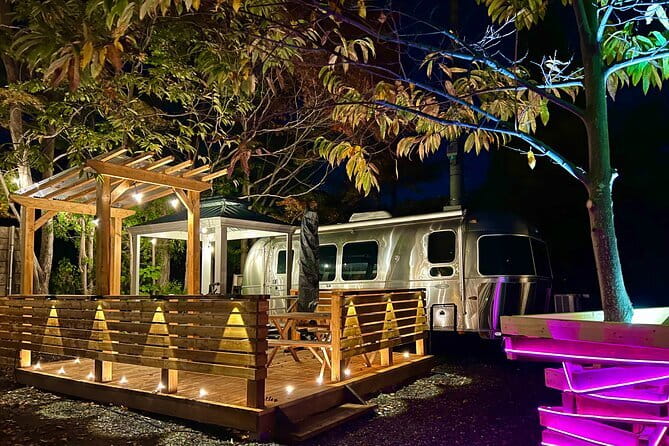
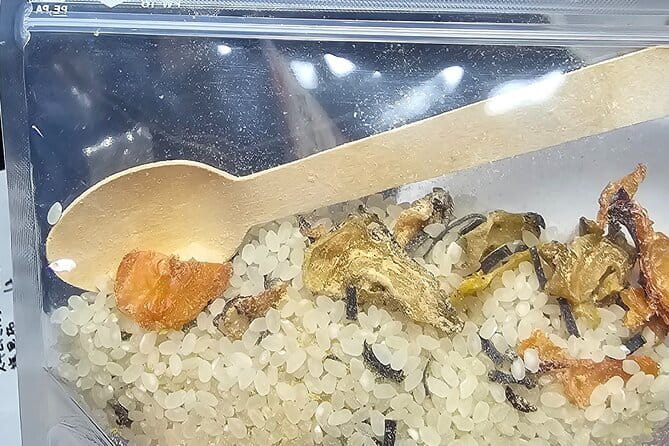
After making Tomoae, you choose one original trail food to prepare. The stated choices are:
- Tomoae pasta
- Tomoae risotto
- Tsubu rice, using whelk shellfish
- Tako rice, using octopus
Each participant makes one bag of original trail food to take home. That small take-home portion adds value because the class continues after you leave the venue. You get both the memory of preparing the dish and a finished item connected to the town’s ingredients.
The menu is not fixed in the way a standard restaurant course might be. Available ingredients can change, so the choices offered on your date may differ. The broader cooking menu also includes Tomoae pizza, pasta or pizza with mountain vegetables, Tako rice, Tsubu rice, and kombu and mountain vegetable rice.
This flexibility is worth understanding before you book. You should see the experience as a seasonal local cooking session, not as a guaranteed order for one exact dish. If you have your heart set on Tsubu rice or Tomoae pasta, check availability in advance.
The four listed trail-food choices also give you a useful range. Tomoae pasta and risotto keep the fish preparation at center stage. Tsubu rice brings in whelk, while Tako rice shifts the focus to octopus. The mountain vegetable choices provide a non-liver route for vegetarians and for anyone who prefers vegetables to fish.
Sharing the meal for about one hour
The final part of the experience is a shared meal lasting about an hour. The meal includes a main dish, either pasta or rice, along with tea, water, kombu tea, and dessert.
This is where the pace slows down. The cooking portion gives you tasks to complete, while the shared table gives you time to talk and socialize with the Manma Association mothers. That exchange is a real part of the value, especially if you want more than a quick food sample.
Kombu tea is a fitting touch. Kombu is identified as a regional specialty and is used in the dashi, so it links the drink and the cooking to the same local pantry. The meal should help you understand how seafood, kelp, shellfish, octopus, and mountain vegetables work together in Hidaka-style food.
The main dish is subject to ingredient availability. You may receive pasta, rice, pizza, or a mountain vegetable version rather than one fixed combination. The activity information specifically lists tea, water, kombu tea, and dessert, but does not give the dessert type.
Our other Hokkaido reviews may also help you decide

What the $99.59 price includes
The price is $99.59 per person. That is not a small add-on cost for a quick tasting, so the value depends on how much you want from a local food activity.
You receive the trail-food making experience, one original trail food to take home, and the venue rental. The price also covers the shared meal, since the meal is part of the three-hour program. Personal expenses are not included.
I see the price as easier to justify for someone who values instruction and local contact, rather than someone who only wants to eat inexpensive Hokkaido food. You are paying for the hands-on preparation, the local teaching, the meal, the take-home item, and the private format.
The private setup can be especially useful for a family or small group with shared interests. Group discounts are available, although no discount amount is provided. You will need to check the final price for your party when booking.
There are no published reviews or rating at this time, so you should make your decision from the program itself. The strongest reason to book is the specific local focus, not a proven popularity record.
Timing, meeting point, and transport
The activity starts at 10:00 a.m. and lasts about three hours. It begins and ends at 1-chōme-15 Honchō, Samani, Samani District, Hokkaido 058-0026, Japan.
The location is described as being near public transportation. No exact station, bus route, transfer time, or pickup service is provided, so you should confirm your route before the day of the class. The operator is Hokkaido Treasure Island Travel Inc.
A morning start makes this easiest to pair with other plans in Samani later in the day. You should allow enough time to reach the meeting point without rushing, since the first cooking task begins at the stated start time.
The mobile ticket is convenient, but confirmation is sent within 48 hours of booking and remains subject to availability. Book with that response window in mind, especially if you are arranging a tight Hokkaido schedule.
Who will enjoy this Samani cooking class
I would recommend this experience to you if you like local food, small-group instruction, and meals with a strong sense of place. It suits people who want to handle ingredients themselves instead of simply photographing a finished dish.
It is also a good match for visitors interested in seafood beyond the usual salmon and crab. Kajika, whelk, octopus, and kombu give the class a clear connection to the Hidaka area.
Families may appreciate the private format, provided everyone is comfortable with fish preparation. The group discount may also help with the cost, though the actual savings are not stated.
Vegetarians and people who do not like liver have a possible alternative through pasta or pizza with mountain vegetables. Still, you should confirm the exact menu and preparation details before booking if your diet is strict.
I would be more cautious about recommending it to you if you dislike seafood, do not want to clean fish, or need a guaranteed menu. Tomoae is central to the experience, and ingredient changes mean the final dishes are not locked in advance.
Cancellation and booking details
You can cancel for a full refund up to 24 hours before the local start time. Cancellations or changes made less than 24 hours before the experience are not accepted for a refund.
The activity requires a minimum number of participants. If the operator cancels because that minimum is not reached, you will be offered another date or experience, or a full refund.
Since the activity is private for your group, make sure the number of people in your booking is correct. Confirmation arrives within 48 hours and is subject to availability.
Should you book this Hidaka food experience?
Book it if you want a hands-on taste of Samani, especially one built around local seafood and the women who keep regional cooking in use. The Tomoae preparation, kombu dashi, take-home trail food, and shared meal give the three hours a clear purpose.
Skip it if you want a fixed menu, a short tasting, or a cooking class without fish and liver. The strongest appeal is its local character and personal contact, while the main risks are the price, the changing menu, and the adventurous seafood preparation.
For the right person, this is a practical way to connect a harbor town, its ingredients, and its people in one morning. You leave with food you made yourself, a meal in your stomach, and a better sense of what makes Hidaka cooking different.
FAQ
Where does the experience begin and end?
It begins and ends at 1-chōme-15 Honchō, Samani, Samani District, Hokkaido 058-0026, Japan.
What time does the activity start?
The activity starts at 10:00 a.m.
How long does the experience last?
It lasts approximately three hours, including the cooking, meal, conversation, and socializing.
Is this a private activity?
Yes. Only your group participates.
What is included in the price?
The price includes the trail-food making experience, one original trail food to take home, and the venue rental fee. The shared meal is part of the activity.
Can I cancel for a full refund?
Yes. You can cancel at least 24 hours before the local start time for a full refund. Cancellations or changes made less than 24 hours before the start are not accepted for a refund.
More Food Experiences in Hokkaido
More Food & Drink Experiences in Hokkaido
More Tour Reviews in Hokkaido


Other Hokkaido tours worth your shortlist



Food, side by side.
 ★ 5.0Sapporo Bar Hopping Food TourFrom $108.11232 reviews
 ★ 4.9Sumo Show Experience with Japanese food & PhotoFrom $7781 reviews
 ★ 4.5Sapporo Sumo Show Experience with Japanese Food and PhotoFrom $79.0738 reviews
 ★ 4.8Eat Like a Local in Sapporo – Private & Custom Food TourFrom $18811 reviews
The lists this tour appears in