
Sapporo’s best seasonal show is not inside a museum. It is out in Odori Park, where lilacs, beer tents, dancing, or local food take over the city center at different times of year. This tour pairs that changing public life with two of Sapporo’s key sights: the Clock Tower and Former Hokkaido Government Office Building.
In This Article
- Key points at a glance
- Why Odori Park gives this tour its character
- Sapporo Clock Tower, a small landmark with a big role
- The Former Hokkaido Government Office Building in red brick
- Mid-May: lilacs and the first festival option
- Mid-July to mid-August: Sapporo Beer Garden
- Mid-August: Hokkai Bon Dance
- September: Autumn Fest and local food
- What the $460 price really means
- Four hours, two meeting points, and a simple route
- Who will get the most from this experience
- Should you book the Sapporo city and Odori Park tour?
- FAQ
- How long does the Sapporo city and Odori Park tour last?
- Where does the tour begin?
- Where does the tour end?
- Which seasonal events can be included?
- Are food, drinks, shopping, and entrance fees included?
- Is this a private tour, and can I cancel it?
I like the local companion format, which gives you help with city-center orientation instead of sending you from sight to sight alone. I also like the timing of the two-part plan: first a compact look at Sapporo’s landmarks, then time for an event that only exists during your visit. The main caution is the $460 price for roughly four hours. It makes the most sense for a private group sharing the cost, not for a solo visitor seeking the cheapest introduction.
Key points at a glance

- Two different sides of Sapporo: See the city’s early Western-style landmarks, then join a seasonal public event in Odori Park.
- The festival changes by date: Lilacs appear in mid-May, the beer garden runs from mid-July to mid-August, Bon dancing comes in mid-August, and Autumn Fest takes place in September.
- Private group format: Only your party participates, so the pace and questions can stay focused on your interests.
- Central meeting points: Begin at Sapporo TV Tower and finish in Odori Park, both in the city center.
- Four hours with practical support: The guide covers sightseeing spots, helps at the festival, and handles the included tax.
- Check the calendar before booking: The appeal depends heavily on which Odori Park event is running during your visit.
Why Odori Park gives this tour its character

Odori Park is not simply a strip of grass to cross on the way to another attraction. It is a long central public space where Sapporo gathers for major events throughout the year. That makes the second half of this experience flexible in the best possible way: the setting stays familiar, but the food, music, flowers, and customs change with the season.
Your guide takes you through the event taking place during your visit. This matters because festivals can be easier to enjoy when someone helps you understand what is happening and where to go. The included festival support is not the same as covering your food, drinks, shopping, or optional admissions, so plan to pay for those yourself.
The tour description presents the city walk as an evening stroll before the seasonal event. Since the exact start time is not provided, confirm the schedule when you book. The four-hour length should give you a useful introduction without taking up an entire day, but you will want to manage your time if you plan to eat a full meal at the festival.
Our other Sapporo reviews may also help you decide


Sapporo Clock Tower, a small landmark with a big role
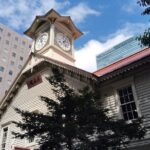
The Sapporo Clock Tower is the first named sight on the city-center walk. Its appeal comes from its historical appearance, attractive setting, and working bell. The bells ring every hour, so the timing of your visit may add a pleasant sound to the stop.
A stage is set in front of the tower for commemorative photographs. That gives you an easy place for a group picture without having to search for a good angle. The stop is listed as part of a one-hour visit to central Sapporo, not as an extended museum session, so expect an orientation and photo opportunity rather than a long, detailed indoor tour.
The Clock Tower also helps explain Sapporo’s character. The city has a relatively planned, modern feel, and this landmark offers a visible link to its early development. You get a compact piece of local history while remaining close to the rest of the downtown sights.
One practical point: admission is not charged for the listed stop, but the tour does not promise entry into every attraction along the route. If you want to go inside a building or pay for an optional admission, that cost is yours. The guide can help you understand the area, but the package is built around guiding and festival support rather than paid entrance tickets.
The Former Hokkaido Government Office Building in red brick
The Former Hokkaido Government Office Building is another central landmark, and its red-brick exterior gives the walk a different look from the Clock Tower. Built in 1888, it was an unusual Western-style building for its time and has a formal appearance tied to Hokkaido’s development.
I like the contrast between these two stops. The Clock Tower is compact and easy to photograph. The Red Brick Office gives you a more substantial architectural reference point and a clearer sense of the era when Hokkaido’s government was taking shape. Together, they make the first hour feel more purposeful than a generic downtown stroll.
The available details do not specify how much time you spend inside the building, nor do they confirm a separate admission. Treat it primarily as a guided exterior and city-center sight unless your guide confirms otherwise. That is useful to know if you are choosing this tour mainly for museum interiors or long historical explanations.
Mid-May: lilacs and the first festival option

The Sapporo Lilac Festival takes place around mid-May, when the city’s lilacs are in full bloom. The event includes a parade, music festival, food fair, and craft fair. For a first visit to Sapporo, this may be the gentlest festival choice because it combines flowers, performances, and browsing rather than focusing on one activity alone.
The date matters. The festival is tied to the bloom, so the experience is seasonal by nature. If you arrive outside the stated mid-May period, you should not expect this event to be running. Confirm the festival calendar before paying for the tour, especially if the flowers are the main reason you are considering it.
The guide’s role here is to support your visit, not to provide meals or shopping money. You can decide how much time to spend at the food and craft fair, and any purchases remain personal expenses. That flexibility is useful for groups with different tastes, but the cost of food and souvenirs is not built into the tour price.
Mid-July to mid-August: Sapporo Beer Garden

The Sapporo Beer Garden runs from mid-July to mid-August and is described as one of the world’s largest beer gardens. This is the most food-and-drink-focused option among the listed events. It suits you if you want to see Sapporo in a social summer setting and are happy to spend extra on what you eat and drink.
Do not read the included festival support as an all-inclusive meal. Personal expenses, including eating and drinking, are excluded. The guide can help you enjoy the event, but your bill at the beer garden is separate.
This season may also affect the value calculation. A group that plans to stay for food and drinks may see the tour as a convenient private introduction followed by an easy transition into the park event. A budget-minded solo visitor may find the $460 price difficult to justify, particularly when the park itself has no admission fee listed.
You can also read our reviews of more city tours in Sapporo



Mid-August: Hokkai Bon Dance

The Hokkai Bon Dance takes place in mid-August during the Obon holiday season. It is a traditional Japanese dance festival held in Sapporo, giving this option a stronger cultural focus than the beer garden.
You should choose this date if you are interested in seeing a public festival built around music, movement, and seasonal custom. The tour gives you a local companion for the event, which may make it easier to follow the flow of the evening and find your place around the park.
The description does not promise dance instruction, costume rental, or participation. It promises support at the festival. Keep that distinction in mind. You will be seeing a traditional event with a guide’s help, not booking a formal class.
September: Autumn Fest and local food
Autumn Fest takes place in September and is described as a large culinary event. The available details do not spell out its full program, so you should confirm the food stalls and schedule for your date. Still, this is the natural choice if you want the park experience to center on Hokkaido food.
Food festivals can quickly become expensive because tasting several dishes adds up. Since eating and drinking are excluded, set a personal budget before you arrive. The guide can support your festival visit, but the price of trying local dishes is yours to cover.
I would choose September for this tour if you want the city walk to end with sampling rather than dancing or beer. Just remember that the seasonal event is the main variable. The landmarks remain the same, but the character of the second half changes sharply by month.
What the $460 price really means
The listed price is $460 for about four hours. That is a high figure if you compare it with the cost of walking to Odori Park or viewing the named landmarks independently. Both stops are central, admission is listed as free, and the festival itself does not carry a stated entry fee.
The value comes from the private arrangement and the guide’s time. Only your group participates, so you are not sharing the experience with strangers. A family or group of friends can divide the cost, making the per-person amount more reasonable. For one or two people, the price is harder to defend unless private guidance and festival help are priorities.
The tour also saves you from planning two separate activities: a short city-center orientation and a seasonal park visit. That convenience has a real value, especially if you have limited time in Sapporo or want help making sense of a festival. It is less valuable if you already know the city, speak comfortably with locals, or prefer to explore at your own pace.
Group discounts are available, though the exact reduced price is not provided. Ask how the discount applies to your party before booking. Since the activity is private, this is one of the most important points to clarify when comparing options.
Four hours, two meeting points, and a simple route
The tour begins at Sapporo TV Tower, at 1 Chome Odorinishi in Chuo Ward. That is a useful central starting point and should be easy to connect with using public transportation. The first part covers city-center sights, including the Clock Tower and Red Brick Office.
The experience ends at Odori Park, covering the area from Odori Nishi 1 to 12. This finish is practical because you can continue enjoying the event after the guided portion ends, assuming the festival is still open and you wish to stay. The end point is not a return transfer to your hotel, so plan your onward route.
A mobile ticket is provided, which is handy for a short urban activity. Confirmation is sent within 48 hours of booking, subject to availability. Most people can participate, and public transportation is nearby. No special access details are provided, so contact the provider if your group has specific mobility needs.
The tour is operated by Hokkaido Treasure Island Travel Inc. No individual guide name is supplied, so you should not expect to select a named Sapporo Explorer in advance. The guide is described as a local person living in Sapporo who acts as your companion around the city.
Who will get the most from this experience
I would recommend this tour for a first visit to Sapporo when you want a quick orientation and your dates match a festival. The private format is especially helpful for families, couples, or friends who want to ask questions without keeping pace with a large group.
It also fits people who prefer public life to a long list of indoor attractions. You see two important central buildings, then spend more time in a park where Sapporo residents gather for seasonal events. That combination gives you a more varied afternoon or evening than a landmark-only walk.
The tour is not the best match for a strict budget, a museum-focused schedule, or anyone who wants a full-day city tour. Four hours goes quickly, and the package does not include food, drinks, shopping, or entrance fees. You also need to check that the event running during your visit is one you actually want to attend.
Free cancellation is available if you cancel at least 24 hours before the local start time. Inside that window, the payment is not refunded, and changes are not accepted. That policy is reasonable, but it makes checking your festival date and group plans important before the final day.
Should you book the Sapporo city and Odori Park tour?
Book it if you value a private local companion, have a group to share the $460 cost, and are visiting during one of Odori Park’s named seasonal events. The best reason to choose it is the pairing of fixed landmarks with a festival that changes through the year.
Skip it if you are traveling alone on a tight budget or mainly want free sightseeing. You can see the Clock Tower, Red Brick Office, and Odori Park without paying for a private guide, though you will give up the personal support and organized flow.
Before booking, confirm the exact festival for your date, the start time, the group discount, and what the guide’s festival support includes. If those details match your plans, this can be a pleasant way to see Sapporo’s center and finish with the city doing what it does best: gathering in Odori Park.
FAQ
How long does the Sapporo city and Odori Park tour last?
The experience lasts approximately four hours. The city-center sightseeing portion takes about one hour, while the Odori Park festival portion takes about three hours.
Where does the tour begin?
The tour begins at Sapporo TV Tower, located at 1 Chome Odorinishi, Chuo Ward, Sapporo, Hokkaido 060-0042, Japan.
Where does the tour end?
The tour ends in Odori Park, in the Odori Nishi 1 to 12 area of Sapporo.
Which seasonal events can be included?
The possible events are the Sapporo Lilac Festival in mid-May, Sapporo Beer Garden from mid-July to mid-August, Hokkai Bon Dance in mid-August, and Autumn Fest in September.
Are food, drinks, shopping, and entrance fees included?
No. Personal expenses such as shopping, eating, and drinking are not included. Entrance fees are also excluded if admission is requested.
Is this a private tour, and can I cancel it?
Yes. Only your group participates. You can receive a full refund by canceling at least 24 hours before the experience start time. Cancellations or changes made within 24 hours are not accepted for a refund.
More Tours in Sapporo


More Tour Reviews in Sapporo


More Sapporo City Tours in Sapporo


Other Sapporo tours worth your shortlist






Sapporo City Tours, side by side.
 ★ 4.7Sapporo TV Tower Admission TicketFrom $621 reviews
 ★ 4.9Sapporo Walking TourFrom $5817 reviews
 ★ 5.01 Day Tour to Hill of the Buddha, Sapporo and SakeFrom $165.495 reviews
 ★ 4.5Sapporo TV TowerFrom $6.505 reviews
The lists this tour appears in