Otaru’s best sights fit neatly into one walkable day, from the canal warehouses that recall Hokkaido’s trading past to the small details of glass, music, steam, and beer. This tour gives you a useful first look at the port city without asking you to sort out every stop on your own.
In This Article
- Key points to know before you book
- Starting at Sapporo Station at 9 a.m.
- Otaru Canal and the port city’s trading past
- Lunch around Sakaimachi Street
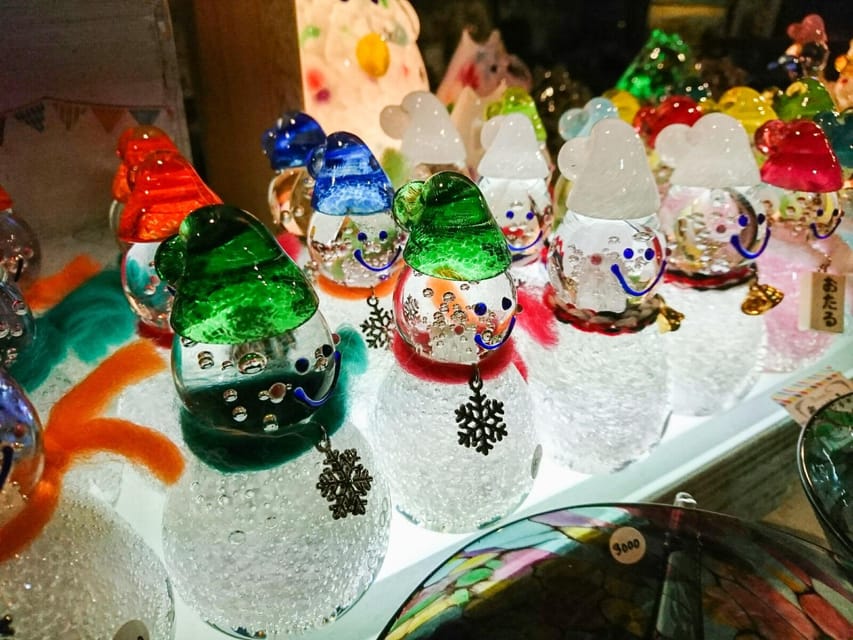
- Making glassware at the Kitaichi Glass Factory
- Music boxes and the Aeolian pipe organ
- Otaru Steam Clock and its Vancouver connection
- Beer beside the canal at Warehouse #1
- Is $170 a fair price for 8.5 hours?
- Pace, walking, and who should book
- Booking flexibility and useful preparation
- Should you book this Otaru day trip?
- FAQ
- Where does the tour meet?
- What time does the tour start?
- Is lunch included?
- Are the glassware and music box activities included?
- Is a drink included at the brewery?
- Is the tour suitable for wheelchair users?
I like the leisurely pace, which leaves room to look around rather than rush from photo stop to photo stop. I also like the mix of hands-on craft work and local drinking culture, especially the chance to make glassware and finish with a drink beside the canal.
The main drawback is the long day and the extra cost of optional activities. Lunch is not included, and people with mobility limitations may find the walking and standing unsuitable.
Key points to know before you book
- Otaru Canal sets the tone: Brick and stone warehouses show how important the port was during Japan’s Meiji and Taisho periods.
- Glassmaking is optional but memorable: You can try making a glass product at the Kitaichi Glass Factory for an additional fee.
- The music box stop adds a quieter note: An Aeolian pipe organ and antique music boxes give the tour a change of pace.
- The Steam Clock has a Canadian connection: Vancouver gave Otaru the clock in 1994, and it sounds every 15 minutes and hourly.
- The brewery visit includes one drink: A non-alcoholic option is available, with German-style food sold separately.
- The day lasts 510 minutes: Meet at 9 a.m. outside Sapporo Station and expect a full day on foot.
Starting at Sapporo Station at 9 a.m.
Your day begins in front of MYOMU, the circular white stone structure near the South Exits of Sapporo Station. After leaving the main JR gates, turn left and walk a short distance toward the South Exits. The guide wears a Snow Monkey Resorts tour tag.
This meeting point matters because Sapporo Station is large and easy to misread, especially if you are handling luggage or moving through the station’s many corridors. Give yourself enough time to find MYOMU before 9 a.m. The instructions are clear, but arriving at the station just before departure leaves little room for error.
The tour includes transportation from Sapporo Station to the listed stops and activities. That saves you from piecing together the day yourself, though the supplied details do not specify the exact vehicle, group size, or travel time between Sapporo and Otaru.
Guide Scott led one recent outing at a relaxed pace and brought worldly discussions into the day. Guides can vary, but that detail is useful if you prefer a tour that includes conversation and context rather than a basic transfer between attractions.
Our other Sapporo reviews may also help you decide


Otaru Canal and the port city’s trading past
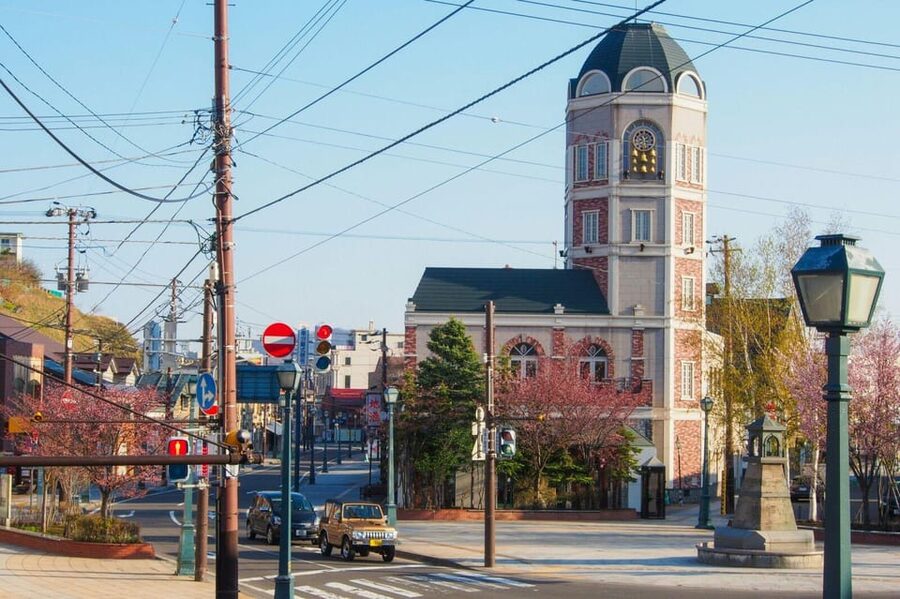
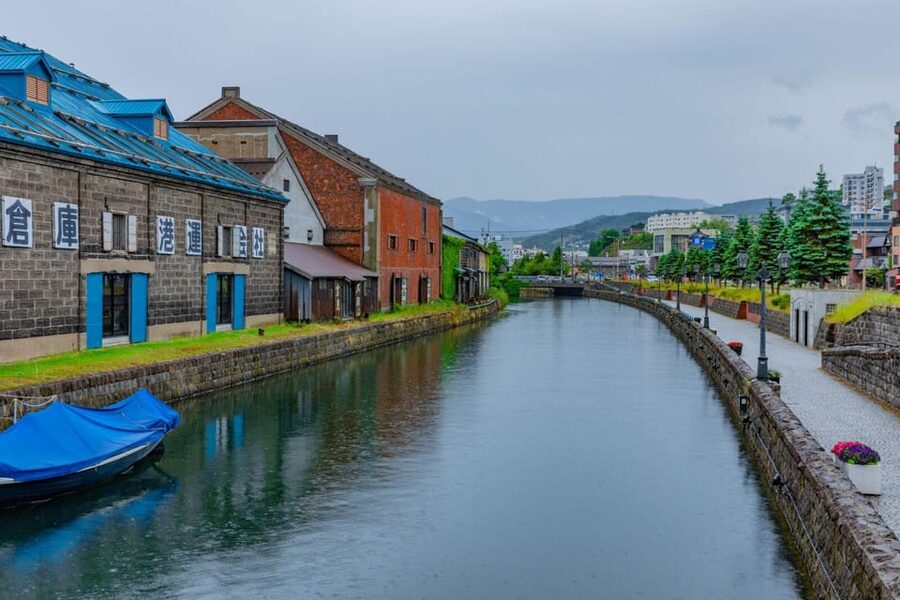
The Otaru Canal is the natural opening act. Its stone embankments and brick warehouses recall the period when Otaru served as a major trading port for Hokkaido during Japan’s rapid industrial growth in the Meiji and Taisho eras.
You will walk along the canal with time to look at the old warehouse fronts and the waterway itself. The canal is a symbol of Otaru, but its appeal is not only visual. It helps explain why the city developed as it did, with storage buildings, shipping activity, and a strong connection to overseas trade.
I like this first stop because it gives the rest of the tour a clear setting. The glass shops, music boxes, and beer hall are not random attractions. They sit within a port city shaped by commerce and contact with the outside world.
The canal can also be the busiest-feeling part of the day. You are visiting a famous Otaru sight, so do not expect a private stroll. The tour’s relaxed pace helps, but you should still be ready for a popular sightseeing area with plenty of photo stops.
Bring comfortable shoes. This is a walking tour, and you will continue on foot through the Sakaimachi area. Warm clothing is sensible in Hokkaido, and the activity notes also recommend carrying water and a camera.
Lunch around Sakaimachi Street
After the canal, the route heads toward Sakaimachi Street for lunch. This is a practical place to pause because the area has many eateries, giving you some choice rather than locking you into one included restaurant.
Lunch is not part of the $170 price, so plan your spending accordingly. The tour description does not set a fixed restaurant or menu, which means your meal options may depend on the group and the day.
For me, this arrangement is a mixed point. Some people like choosing what they want and controlling the cost. Others prefer a fully arranged meal with no decisions to make. If you are traveling with dietary needs or a firm budget, check the available food choices when the group reaches Sakaimachi Street.
The break also gives you a chance to rest before the craft and museum visits. This is useful because the day is 510 minutes, or about eight and a half hours, from start to finish.
Making glassware at the Kitaichi Glass Factory
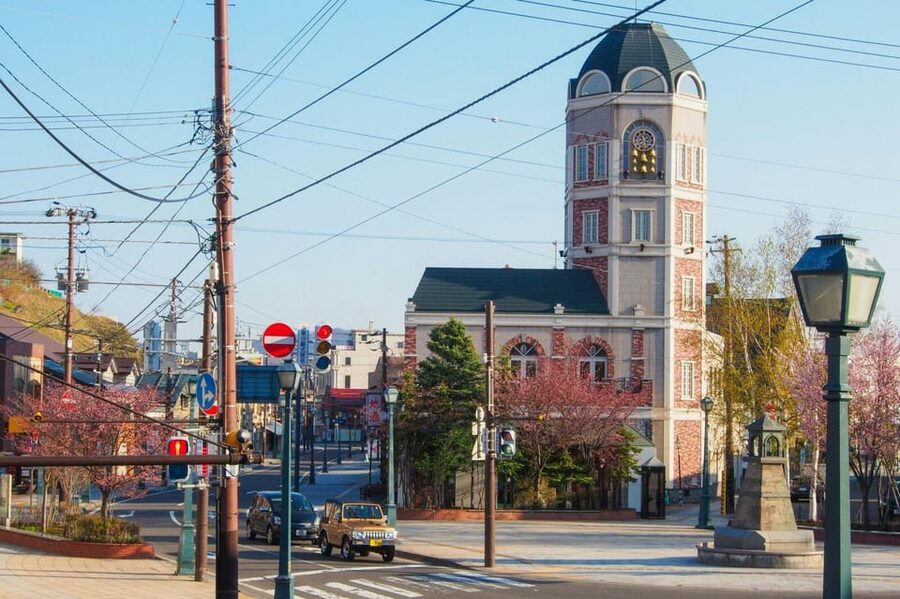
The Kitaichi Glass Factory brings a hands-on element to the day. You learn about the factory’s background and can try making your own glassware product to take home.
This is one of the tour’s more distinctive features. Looking at finished glass is pleasant, but shaping or making an item gives you a stronger connection to Otaru’s craft tradition. It also gives you a physical reminder of the city instead of another souvenir bought from a shelf.
Glassmaking is optional and costs extra. That should be clear before you book, since the base price does not cover every activity mentioned in the day. If you want to keep the tour at $170 plus lunch, you can skip the workshop and continue with the included sightseeing.
The supplied information does not specify the exact glass product, workshop length, or whether your item is ready to take home immediately. Ask the guide or staff about those details before paying for the activity.
If you choose to take part, wear practical clothing and follow the workshop instructions closely. You are handling a craft process, not simply watching a demonstration. The tour does not list the activity as suitable for wheelchair users or people with mobility impairments, so the workshop may be difficult if you cannot stand or walk comfortably.
Music boxes and the Aeolian pipe organ
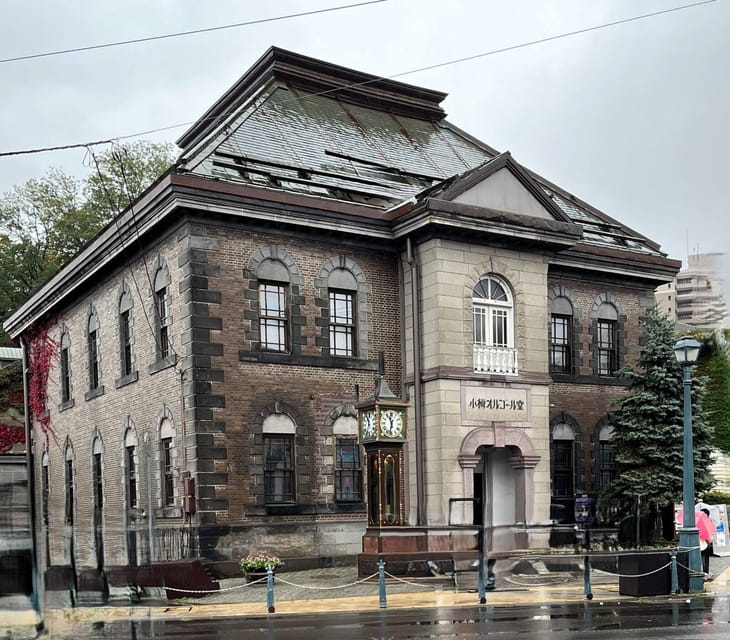
Next comes the Otaru Music Box Museum, a change from the industrial feel of the canal and glass factory. Here you can hear an Aeolian pipe organ and see rare local antique music boxes.
The organ is the key moment. Its sound gives the visit a calm, almost old-fashioned feel, and it helps explain why music boxes became such a recognizable part of Otaru’s shopping streets and souvenir culture.
You can also make your own music box at the Handicraft Studio. Like the glass workshop, this activity is optional and has an additional fee. It is best suited to people who enjoy making a personal souvenir and do not mind using more of the day’s budget.
The museum stop is a good fit for families, couples, and anyone who likes small mechanical objects. It may be less appealing if you prefer outdoor sights or large historical sites. Still, its compact focus gives the itinerary variety and prevents the day from becoming one long sequence of warehouses and shops.
This is also a good place to use your camera, though you should follow any photography rules posted inside. The activity notes specifically recommend bringing a camera for memories, but they do not promise that every display can be photographed.
You can also read our reviews of more city tours in Sapporo




Otaru Steam Clock and its Vancouver connection
The Otaru Steam Clock is a short but unusual stop. Vancouver gave it to Otaru in June 1994, creating a small link between the Japanese port city and its Canadian counterpart.
The clock is powered by a boiler that sends steam into the display. Its whistle sounds hourly, while every 15 minutes it plays the same melody associated with the chimes of Westminster Abbey in London.
Timing matters here. If you arrive between soundings, you can still see the clock, but you may miss the reason it draws a crowd. The tour schedule may not allow the group to wait for a particular performance, so treat the sounds as a welcome bonus rather than a guaranteed centerpiece at the exact moment you arrive.
I like this stop because it is easy to understand and genuinely different from the other attractions. It combines a working mechanical object, a Canadian gift, and a British musical reference in one compact Otaru landmark.
Do not expect a long visit. The Steam Clock is a brief sightseeing stop rather than a museum requiring an hour. That is useful on a full-day tour, since you get a memorable detail without spending too much of your limited time indoors.
Beer beside the canal at Warehouse #1
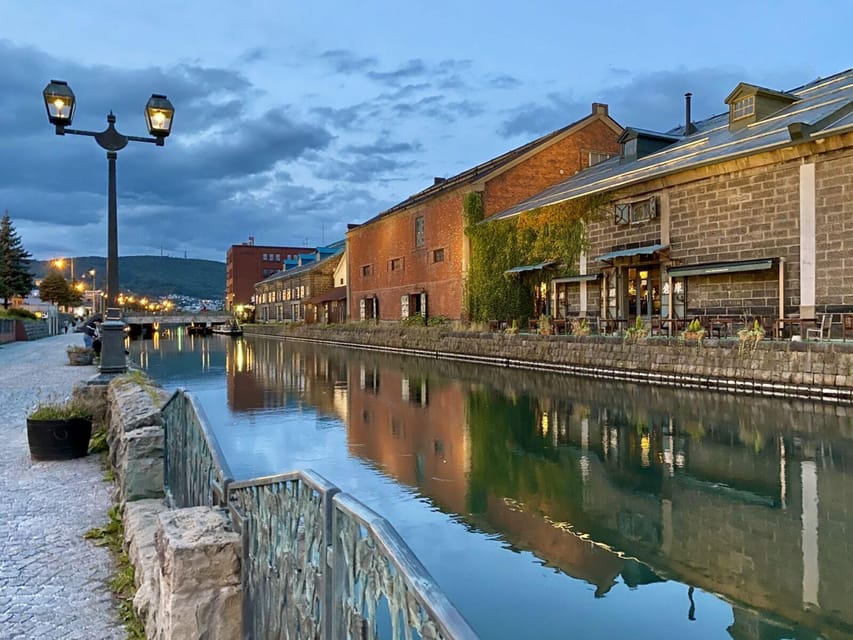
The final stop is the Germain Beer Brewery at Warehouse #1, located in a rustic warehouse beside the canal. Inside, you will find a wooden beer-hall setting and shiny copper tanks.
The tour includes one glass of an alcoholic or non-alcoholic beverage. That makes the brewery visit more than a photo stop, and it gives you a chance to sit down after the day’s walking.
Food is available for separate purchase, including German-style pretzels and schnitzel. These dishes fit the brewery setting, but they are not included in the tour price. If you want a full meal here, budget for it on top of lunch and any craft activities.
This is a fitting finish because it returns you to Otaru’s warehouse district and gives the day a social ending. You can enjoy a beer if you drink, or choose the non-alcoholic option if you do not. The included drink adds real value to the final stop, though the overall price still makes the most sense for people who want the guide, transport, admissions, and organized route.
The atmosphere is described as rustic, with wood and copper tanks rather than a sleek modern tasting room. If you want a polished craft-beer flight or a technical brewery lesson, this may feel simple. If you want one drink in a memorable setting beside the canal, it fits the day well.
Is $170 a fair price for 8.5 hours?
At $170 per person, this is not the cheapest way to see Otaru. The price includes an English-speaking guide, transportation from Sapporo Station to the listed destinations, admission tickets, and one brewery beverage.
That bundle has practical value. You do not have to arrange each transfer, locate every attraction, or pay separate entry fees as you go. You also receive explanation and structure throughout a full 510-minute day.
The value drops if you plan to visit Otaru independently, skip the optional glassmaking, and are comfortable handling public transportation. The tour does not include lunch, accommodation, glassware making, or music box making, so your final cost will be higher if you add both crafts and eat at the brewery.
I would look at this as a convenience purchase rather than a bargain outing. You are paying for a guided route from Sapporo, a clear schedule, included admissions, and a drink at the end. For a first visit to Otaru, that can be worth it. For repeat visitors who already know the canal and Sakaimachi Street, the price may be harder to justify.
Pace, walking, and who should book
The relaxed pace is one of the strongest reasons to choose this tour. A recent outing with Scott was described as leisurely, and that suits Otaru, where the pleasure comes from noticing details in warehouses, glass displays, music boxes, and old mechanical objects.
You should still expect a physically active day. The route includes walking along the canal and through the Sakaimachi area, time at several attractions, and optional craft work. Comfortable shoes are essential, and warm clothing is recommended.
The tour is not suitable for wheelchair users or people with mobility impairments. The supplied information does not provide a step-free route, accessible transport details, or seating arrangements at every stop, so contact the provider before booking if you have any mobility concern.
This experience suits you best if you:
- Want to see Otaru as a day trip from Sapporo
- Prefer an English-speaking guide and arranged transportation
- Like a mix of history, crafts, music, and food
- Enjoy a calm schedule rather than a rushed checklist
- Are interested in optional hands-on souvenirs
- Want a brewery stop without making the whole day about beer
It is less suited to you if you want a free afternoon for shopping, need a fully inclusive meal package, or prefer to explore every stop at your own speed.
Booking flexibility and useful preparation
You can cancel up to 24 hours in advance for a full refund, and the reserve-now, pay-later option lets you hold a place without paying immediately. Availability and starting times should still be checked when you book, even though the stated meeting time is 9 a.m.
Meet in front of MYOMU, not simply somewhere inside Sapporo Station. Wear warm, comfortable clothing, bring water, and keep room in your bag for a glassware or music box purchase if you choose one.
Because lunch is separate, carry enough money for your meal and any extra food at Warehouse #1. The brewery includes one beverage, but pretzels and schnitzel cost extra.
Should you book this Otaru day trip?
Book it if you want a well-paced first look at Otaru with transport, admissions, a guide, and a brewery drink handled in one day. The canal, glass factory, music box museum, Steam Clock, and warehouse beer hall make a varied route, and the optional craft work adds a personal touch.
Skip it if you are comfortable organizing your own day, want to spend hours shopping, or need wheelchair access. At $170, this is best for someone who values structure and local explanation more than the lowest possible price.
For most first-time visitors staying in Sapporo, I would consider it a solid choice, especially if you like small museums, working crafts, and a final drink in an old warehouse. Just budget separately for lunch and the optional workshops, and arrive at MYOMU before 9 a.m.
FAQ
Where does the tour meet?
The meeting point is in front of MYOMU, the circular white stone structure near the South Exits of Sapporo Station. After exiting the main JR gates, turn left and walk toward the South Exits.
What time does the tour start?
The tour starts at 9 a.m. You should be at the MYOMU meeting point by that time.
Is lunch included?
No. Lunch is not included. You will have time to eat at one of the many eateries around Sakaimachi Street.
Are the glassware and music box activities included?
No. Making glassware at the Kitaichi Glass Factory and making a music box at the Handicraft Studio are optional activities with additional fees.
Is a drink included at the brewery?
Yes. The tour includes one glass of an alcoholic or non-alcoholic beverage at the Germain Beer Brewery or Warehouse #1.
Is the tour suitable for wheelchair users?
No. The activity is not suitable for wheelchair users or people with mobility impairments.
More Tours in Sapporo


More Tour Reviews in Sapporo


More Otaru Tours in Sapporo


Other Sapporo tours worth your shortlist







Otaru Tours, side by side.
 ★ 4.5Lake Toya, Bear Ranch and Sapporo Otaru Full Day TourFrom $85.6633 reviews
 ★ 3.5Hokkaido Noboribetsu Lake Toya, Otaru Panoramic Tour From SapporoFrom $120.0028 reviews
 ★ 4.9Otaru Asarigawa Ski Resort Day Trip with GearFrom $18527 reviews
 ★ 4.4Hokkaido, Sappro, Otaru & Cape Kamui One-day TourFrom $6621 reviews
The lists this tour appears in