
Otaru’s appeal comes into focus on foot, especially when a local guide connects its old canal, seafood trade, glass workshops, and sweet shops. This private tour gives you a personal route through the city, with guides such as Tracy and Katsuko available within the guide network.
In This Article
- Key points at a glance
- Why a private walk fits Otaru so well
- Starting with Otaru Canal
- Tasting Otaru at Sankaku Ichiba
- Otaru Music Box Museum and the pleasure of browsing
- Seeing Otaru through Kitaichi Glass
- Letting the guide shape the day
- Four hours or six hours?
- The real value of $106 per person
- Weather, confirmation, and planning details
- Who will get the most from this walk?
- Should you book it?
- FAQ
- How long does the Otaru walking tour last?
- How much does the tour cost?
- Is the tour private?
- Which languages are available?
- Can the itinerary be customized?
- What sights are included in the suggested route?
- Is food included?
- Are entrance fees and transportation included?
- Where can pickup take place?
- Is the tour wheelchair accessible?
- Does the tour operate in bad weather?
- When is the tour confirmed?
- Can you cancel for a refund?
I like the custom itinerary, which lets you focus on food, culture, shopping, or major sights. I also like the nationally licensed guide, since the certification requires a strong grasp of Japanese culture and history. The main drawback is cost: at $106 per person, this makes the most sense for a small group that values personal attention.
Key points at a glance
- Otaru Canal on foot: Take a relaxed walk beside the city’s best-known sight and central historic route.
- Sankaku Ichiba seafood: Visit the triangular market, founded in 1957, with food available at your own expense.
- Glass and music boxes: See Otaru craftsmanship at Kitaichi Glass and browse the nostalgic Otaru Music Box Museum.
- A route built around you: Choose a four or six-hour outing, suggest stops, or let the guide plan the day.
- Private guiding: You get a guide for your group rather than joining a large shared party.
- Useful practical terms: Pickup is possible on foot from a nearby accommodation, and the tour runs rain or shine.
Why a private walk fits Otaru so well
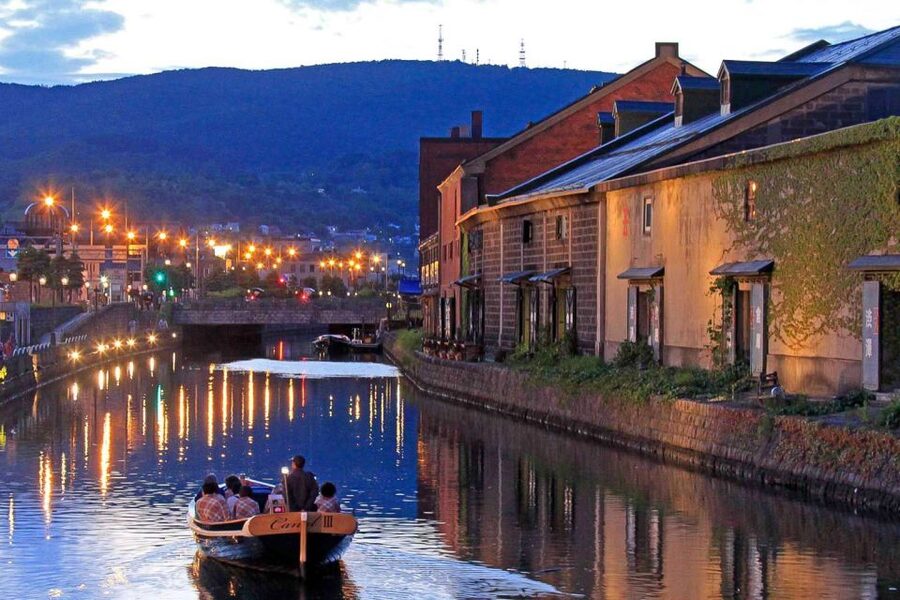
Otaru is easy to picture as a quick canal photo stop. That would miss much of the point. The city’s character comes from the links between its waterfront, markets, craft shops, and older commercial buildings. A guide can explain those links while you walk, rather than leaving you to guess why a glass company matters here or how the canal shaped the town.
The private format is the biggest advantage. You can tell the guide what you care about before the day begins, then adjust the pace as you go. If you want food and local shops, the route can lean that way. If you prefer the main sights and cultural background, the guide can build around them.
You can book four or six hours. Four hours should suit a focused introduction to the central sights. Six hours gives you more breathing room for browsing, food stops, questions, and a slower pace. Since the price is $106 per person, a small party can spread the cost while still keeping the guide’s attention to itself.
This is a walking experience, not a sightseeing bus. You need to be comfortable spending several hours on foot. The tour is listed as wheelchair accessible, but the exact route should be discussed with the local team before the day, especially if you have specific mobility needs.
Our other Otaru reviews may also help you decide


Starting with Otaru Canal
The Otaru Canal is the natural first chapter. It runs through the center of town and is the city’s most famous sightseeing spot. Its footpath gives you an easy way to get your bearings before moving into markets, shops, and craft buildings.
A guide adds value here by supplying context that a photograph cannot. You can ask how the canal fits into Otaru’s past, what made the waterfront important, and how the city changed into a popular holiday destination. The tour description does not promise a long formal lecture, and that is probably a good thing. The best use of this stop is conversation while walking.
The canal area can also be the most predictable part of the outing. If you have already seen it on your own, tell your guide. The private format means you do not need to spend half the tour repeating familiar ground. Ask for more time in places you have not yet reached, or use the canal as a short orientation walk.
Tasting Otaru at Sankaku Ichiba
Sankaku Ichiba gives the tour a practical local flavor. This triangular market was established in 1957 and is known for fresh seafood. It is a useful stop for anyone who wants to understand Otaru through food, not just buildings.
Food is not included, so bring room in your budget for anything you choose to eat. The guide can introduce you to the market and help explain what you are seeing, but the supplied tour terms do not promise a meal or a set tasting menu. That distinction matters. Think of this as a market visit with optional eating, not an all-inclusive food tour.
I would schedule the market when you are ready for a proper break. Four to six hours of walking is easier when you are not rushing from sight to sight. You can also tell the guide in advance if seafood is a priority, since the route can be tailored to your requests.
If you do not eat seafood, this stop may have less appeal. It is still useful as part of Otaru’s commercial story, but ask your guide to balance it with other stops. The itinerary is flexible, and you are not locked into one food-centered route.
Otaru Music Box Museum and the pleasure of browsing
The Otaru Music Box Museum is a good change of pace after the canal and market. Its brick-clad main building has a nostalgic feel, and the attraction is as much about atmosphere and browsing as it is about a single landmark.
This is one of the places where a guide can help you avoid a rushed visit. You can ask for background on the building and the role of music boxes in Otaru’s souvenir trade, then take time to look for something to bring home. The tour includes an introduction to the city’s best shops and sweet shops, so this stop can fit naturally into a wider shopping route.
Any purchases are your responsibility. The tour does not include entrance fees, food, drinks, or souvenirs. That keeps the basic price clear, but you should expect extra spending if you plan to eat, shop, or enter attractions that charge admission.
The museum may be especially useful for families and visitors who want a souvenir with a strong connection to Otaru. If shopping is not your priority, tell the guide. The route can give more attention to history, food, or glasswork instead.
Seeing Otaru through Kitaichi Glass
Kitaichi Glass is the most distinctive craft stop in the advertised route. You can see glasswork made in Otaru and learn how the company’s story connects with the city’s fishing industry. That connection gives the visit more weight than a simple retail stop.
I like this kind of explanation because it ties an object in a shop to the place around it. Otaru’s glass tradition did not appear out of nowhere. The tour presents it alongside the city’s maritime past, giving you a clearer idea of why glass became important here.
The experience is described as a chance to feel and touch Otaru craftsmanship. That suggests a hands-on sense of the work, though the exact activities can vary. Your guide can explain the company’s background and point out details you might otherwise pass without noticing.
Kitaichi Glass also gives you another chance to buy something. Keep in mind that the price covers guiding, not purchases. If your group has limited time, let the guide know if you want a short look or a longer browsing stop.
Our other Otaru reviews may also help you decide


Letting the guide shape the day
The most useful question to answer before booking is simple: what do you want from Otaru? The route can be customized, and the local team communicates with you before the tour to confirm the details. Use that contact well.
You can request a food-focused outing, a first-time introduction, a shopping route, a craft-centered day, or a mix of the main sights. You can also let the guide plan everything. That last option works well if Otaru is one stop in a larger Hokkaido trip and you have not had time to research the city.
A nationally licensed Tour Guide-Interpreter leads the experience. This is a Japanese government certification requiring good knowledge of Japanese culture and history. It does not mean every guide will use the same style, so be clear about how much explanation you want and how much free time you prefer.
English and Japanese are available. Past guide names associated with this experience include Tracy and Katsuko. Tracy was specifically praised for her English, cheerful manner, and introduction to Otaru, while Katsuko led a lovely full day around the city. Guide assignment is not guaranteed, so treat these names as examples rather than a promise.
Four hours or six hours?
The duration is listed as four to six hours, with a choice of a four or six-hour tour. This is a meaningful difference, not a minor timing detail.
Choose four hours if you want the central highlights and a straightforward introduction. You could focus on the canal, Sankaku Ichiba, the music box museum, and Kitaichi Glass, though the exact order and time at each stop will depend on your interests and pace.
Choose six hours if you want a calmer day. The extra time can help if you want to browse shops, pause for food, ask more questions, or include additional local stops. It also gives the guide more room to adjust the route without turning every stop into a quick look.
Pickup can take place at your accommodation on foot if it is within a reasonable distance. The guide can also meet you outside the train station or at another requested address. You are told to expect the guide in the hotel lobby or at the meeting point 10 minutes before the scheduled pickup time.
Transportation during the tour is not included. The experience is designed as a walking tour, but any public or private transport needed along the way costs extra. Ask about the planned route before departure if you want to limit transport expenses.
The real value of $106 per person
At $106 per person, this is not the cheapest way to see Otaru. You can walk along the canal and visit shops without hiring a guide. The price is justified only if you will use the guide’s time well.
For a couple or small private group, the value comes from the ability to ask questions, change the pace, and avoid a one-size-fits-all route. It can also save planning time. A good guide helps connect sights that might otherwise feel like separate stops.
The price does not include food, drinks, admission fees, or transport. Build those costs into your day. The tour is best viewed as a private orientation and cultural walk, not a package that covers every expense.
I would be more cautious for a solo visitor on a tight budget. The per-person price may be hard to defend if you are happy exploring independently. It is easier to recommend for families, couples, or friends who want a private guide and can share the experience.
The overall rating is 4.6 from seven reviews, which suggests a strong experience but is still a small sample. The clearest positive pattern is personal preparation and friendly guiding. One guest said the guide prepared around requested points of interest, while another singled out the cheerful and capable introduction to Otaru. That makes your pre-tour requests important.
Weather, confirmation, and planning details
The tour runs rain or shine. Otaru’s canal walk and market visit can still work in poor weather, but you should dress for several hours outdoors and bring suitable rain gear. The supplied details do not promise indoor alternatives, so ask the local team if weather is a serious concern for your group.
Your booking is not fully confirmed until a guide contacts you. Most guides make contact within seven days. If no guide has accepted the tour, the local team continues searching and sends weekly updates until 24 hours before the scheduled start.
That process is worth understanding before you build a tight travel plan around the activity. If a guide cannot be found, you will be informed. You can cancel without a fee up to 24 hours before the start, with a full refund under the stated policy.
You can also reserve now and pay later. That helps if your Hokkaido schedule is still shifting, though you should still watch for the guide’s confirmation and the final meeting details.
Who will get the most from this walk?
This tour suits you if Otaru is new to you and you want more than a canal photograph. It is also a good fit if you prefer conversation to a recorded audio guide, or if your group has different interests that need to be balanced.
Families may appreciate the private format and the mix of seafood, sweets, music boxes, and glasswork. Couples and friends can ask for a slower shopping route or a focused food day. Visitors with a short stay in Otaru can use the four-hour option as a structured introduction.
Independent explorers should think carefully. If you enjoy doing your own research and are comfortable finding the main sights, the cost may not offer enough extra value. You are paying for interpretation, planning, flexibility, and personal attention.
The tour is also a reasonable choice for cruise passengers, but the timing deserves care. One past participant visited Otaru from a cruise and felt the city did not justify a special visit. That is a personal judgment, not a rule, but it is useful advice: if your ship call is short, confirm that the four to six-hour schedule fits your departure time and decide if a private guide adds enough to your brief stop.
Should you book it?
Book this private Otaru walking tour if you want a guide to connect the canal, seafood market, music boxes, and glasswork into one understandable day. It is particularly worthwhile for a small group that can share the $106 per-person cost and for anyone who wants a custom route rather than a fixed group schedule.
Choose the four-hour option for a focused first look. Pay for six hours if you want food, browsing, and a slower pace. Skip it if you are on a strict budget, have already seen Otaru’s central sights, or prefer exploring without help. Before booking, send clear requests about food, shopping, mobility, and your preferred pace. That is the best way to turn a pleasant city walk into a day shaped around you.
FAQ
How long does the Otaru walking tour last?
You can choose a four-hour or six-hour private tour.
How much does the tour cost?
The listed price is $106 per person.
Is the tour private?
Yes. It is a private group experience with a personalized walking route.
Which languages are available?
The tour is available with a live guide speaking English or Japanese.
Can the itinerary be customized?
Yes. You can request a route based on your interests, or let the guide plan the itinerary.
What sights are included in the suggested route?
The suggested route includes Otaru Canal, Otaru Sankaku Ichiba, Otaru Music Box Museum, and Kitaichi Glass.
Is food included?
No. Food and drinks are not included in the tour price.
Are entrance fees and transportation included?
No. Entrance fees and any public or private transportation used during the tour cost extra.
Where can pickup take place?
Pickup is available on foot from your accommodation if it is within a reasonable distance. The guide can also meet you outside the train station or at a requested pickup address.
Is the tour wheelchair accessible?
Yes. The activity is listed as wheelchair accessible.
Does the tour operate in bad weather?
Yes. The experience takes place rain or shine.
When is the tour confirmed?
The booking is not confirmed until a guide contacts you. Most guides make contact within seven days, and the local team continues searching if a guide has not yet accepted the tour.
Can you cancel for a refund?
Yes. You can cancel up to 24 hours in advance for a full refund.
More Tour Reviews in Otaru

More Private Tours in Otaru
More Otaru Tours in Otaru
Other Otaru tours worth your shortlist




Otaru Tours, side by side.
 ★ 4.5Lake Toya, Bear Ranch and Sapporo Otaru Full Day TourFrom $85.6633 reviews
 ★ 3.5Hokkaido Noboribetsu Lake Toya, Otaru Panoramic Tour From SapporoFrom $120.0028 reviews
 ★ 4.9Otaru Asarigawa Ski Resort Day Trip with GearFrom $18527 reviews
 ★ 4.4Hokkaido, Sappro, Otaru & Cape Kamui One-day TourFrom $6621 reviews
The lists this tour appears in