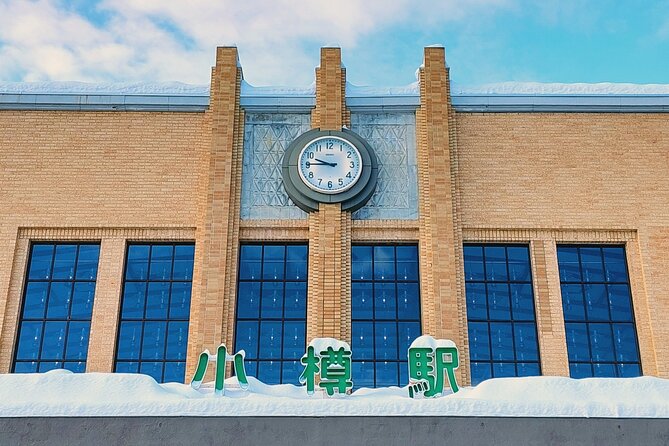
Otaru’s appeal comes from how much of its port-town past still sits within an easy walking route. In four hours, you can move from seafood stalls and old railway tracks to the canal, former Bank of Japan, glass studios, and sweet shops, all with a private English-speaking guide at your side.
In This Article
- Key points at a glance
- Why this private Otaru walk works
- Starting at JR Otaru Station at 10:15 AM
- One hour at Sankaku Market
- Fifteen quiet minutes on the Temiya Line
- The former Bank of Japan building
- Thirty minutes beside Otaru Canal
- Two hours on Sakaimachi Street
- What the guide adds to the walk
- Walking demands, timing, and practical value
- Who will get the most from this tour
- Should you book the Otaru private walking tour?
- FAQ
- How long does the Otaru private walking tour last?
- Where does the tour start?
- Where does the tour end?
- Is the tour private?
- Is the guide English-speaking?
- What places does the tour visit?
- Are admission tickets included?
- Are food, sweets, and shopping included in the price?
- Can I cancel for a full refund?
I like the custom route, which lets you put more time into food, architecture, shopping, history, or photography. I also like the small private setting, especially for cruise passengers who want a calm introduction instead of a large group moving from stop to stop. The main consideration is pace: two hours on Sakaimachi Street leaves less room for long meals or extensive shopping elsewhere.
Key points at a glance
- Sankaku Market gives you a sensory start, with Hokkaido seafood displayed in a compact, lively setting.
- The former Temiya railway line adds quiet history, offering a change from Otaru’s busier streets.
- Your itinerary can shift around your interests, including photography, architecture, local industry, food, or sweets.
- Sakaimachi Street gets the longest visit, with glass workshops, confectionery shops, and old-town character.
- Cruise passengers can arrange a port meeting, while the standard meeting point is JR Otaru Station.
- English-speaking guides Jun Shirakata and Seiko are named examples, with Seiko specifically praised for meeting a group at the dock and explaining local industry clearly.
Why this private Otaru walk works
Otaru is easy to picture as a canal town, but the canal is only one piece of the story. The city grew as a port linking Hokkaido with the rest of Japan, and its older commercial buildings reflect that role. This tour gives you several ways to read the city: through seafood, rail transport, banking, warehouses, craft shops, and sweets.
The private format matters here. You are not locked into a fixed group pace, and the guide can shape the conversation around what catches your eye. If you care about photographs, you can ask for attractive viewpoints. If local industry interests you, you can give that subject more weight. If you simply want a gentle orientation before exploring alone, the route provides a useful first look.
The tour runs for about four hours, starting at 10:15 AM and finishing around 2:15 PM. It begins at JR Otaru Station or, for some arrangements, at the port. The listed meeting point is JR Otaru Station in Inaho, but cruise passengers should confirm the port pickup details before booking.
At $100.69 per person, this is not the cheapest way to see Otaru. You are paying for a private guide, a flexible plan, and direct conversation rather than admission tickets or transportation. The value is strongest for small groups that can share the cost, families with different interests, and cruise passengers who want someone to manage the route and return them to the station or port.
Our other Otaru reviews may also help you decide


Starting at JR Otaru Station at 10:15 AM
The opening stop lasts only about five minutes, but it serves an important purpose. Your guide meets you at the station or port, helps you get oriented, and sets the tone for the walk. In an unfamiliar city, that first contact can save time and reduce the small stress of finding the right direction.
The guide is described as a local friend rather than a formal lecturer. That suggests a more conversational style, with room for questions and adjustments. Two named guides connected with this experience are Jun Shirakata and Seiko. Seiko is specifically noted for meeting a group at the dock, speaking clear English, and explaining local industry along with broader Japanese culture. Jun Shirakata is associated with a warm and enjoyable visit, together with an unnamed companion guide.
The private arrangement also means you can explain your limits at the start. If you need a slower walking pace, want to avoid too much shopping, or hope to focus on pictures, say so early. The itinerary is designed to adapt.
One hour at Sankaku Market
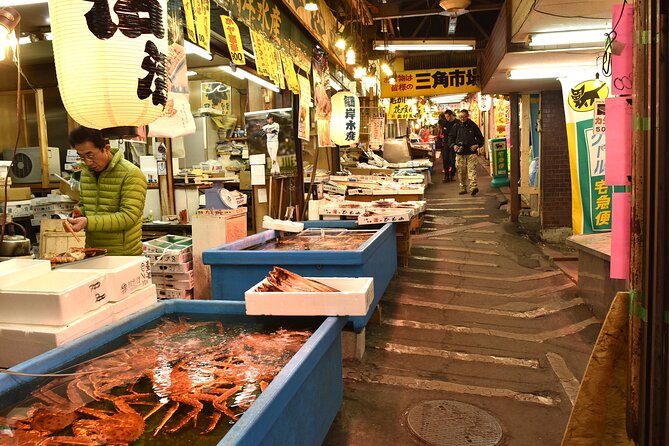
Sankaku Market is the tour’s most direct introduction to Hokkaido’s food culture. Seafood is displayed in abundance, so this is a place to look closely, smell the stalls, and see the produce that has long supported Otaru’s port economy.
The one-hour stop gives you enough time to take in the market rather than simply pass through it. You can ask your guide about local seafood and the role of the market in daily life. Personal expenses are not included, so anything you choose to buy is extra.
This is also the stop where a private guide can be especially useful. Markets can feel confusing when you do not read the language or know what you are seeing. Your guide can help explain the setting and point out details that would otherwise blur into a quick walk through a food hall.
There is a practical tradeoff. If you are not interested in seafood, an hour may feel long. The itinerary is customizable, so ask for a shorter market visit if architecture, photography, or the canal matters more to you. If food is one of your reasons for visiting Otaru, this is one of the tour’s strongest sections.
Fifteen quiet minutes on the Temiya Line
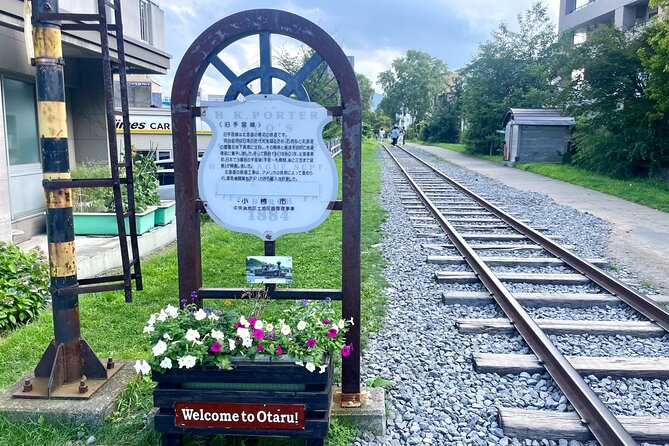
The former Temiya Line is now a walking path. Rusting rail remnants recall Hokkaido’s pioneering period and offer a clear reminder that Otaru was not built only around pretty warehouses and canal views. It was also a working port supported by rail.
The scheduled visit is about 15 minutes, so think of this as a compact historical pause rather than a long trail walk. That short length is useful in a four-hour tour because it gives you a quieter stretch without taking too much time from the canal and Sakaimachi Street.
I like this stop because it changes the rhythm. After the market, the railway path gives you room to look down, notice the old rails, and hear the story of how goods and people once moved through the city. It may be less visually dramatic than the canal, but it adds context that a simple shopping walk would miss.
The former Bank of Japan building
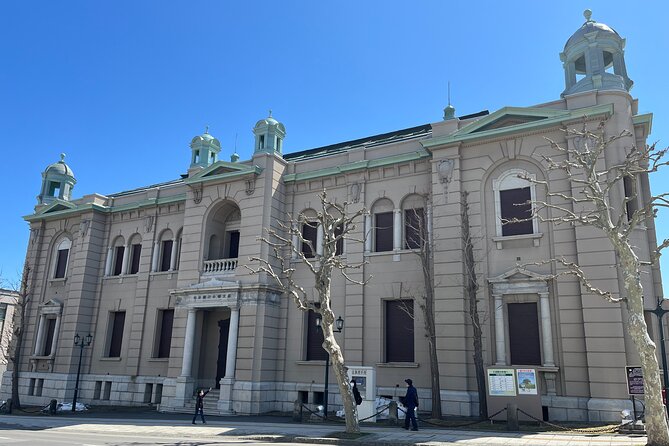
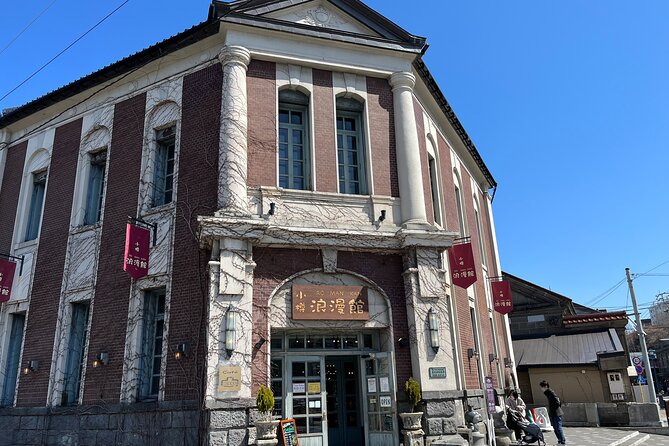
The former Bank of Japan Otaru Branch represents the city’s years as a prosperous port center. Its formal brick architecture reflects the financial importance Otaru gained through trade and shipping.
The schedule allows about five minutes at the Otaru Museum, Bank of Japan stop. The information provided does not specify an extended interior visit, so you should treat this as a brief architecture and history stop unless your guide confirms otherwise. Admission is listed as free.
Five minutes is enough to view the building and hear why it matters, but it is not enough for a detailed museum visit. If banking history or architecture is a major interest, tell the guide at the beginning. The flexible format may allow more explanation, but the tour still has to protect its time at the market, canal, and Sakaimachi Street.
Our other Otaru reviews may also help you decide


Thirty minutes beside Otaru Canal
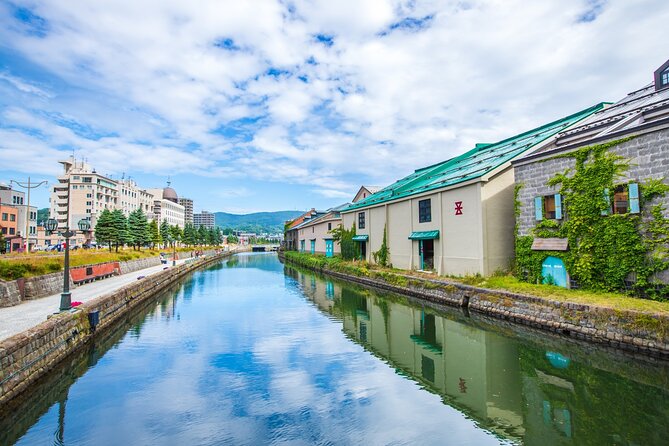
Otaru Canal is the familiar postcard scene, yet seeing it in daylight gives you something different from the evening atmosphere often associated with the waterfront. Sunlight falls across the brick warehouses, and the water reflects the sky and surrounding buildings.
The half-hour walk is long enough for photographs and a short explanation without turning the tour into a canal-only visit. This is a good place to ask your guide how the waterfront relates to Otaru’s port past and how the warehouses fit into the city’s older commercial life.
The timing also protects you from spending the whole morning at the most obvious sight. You get the canal, but you also see the less polished parts of Otaru’s story, including the market and former railway line. If your main goal is extensive canal photography, you may want to return on your own after the tour.
For cruise passengers, the return to the port after the walk is a useful feature, but do not assume the ship will wait for a delayed activity. Confirm the pickup and return arrangements, and allow yourself a sensible buffer before departure.
Two hours on Sakaimachi Street
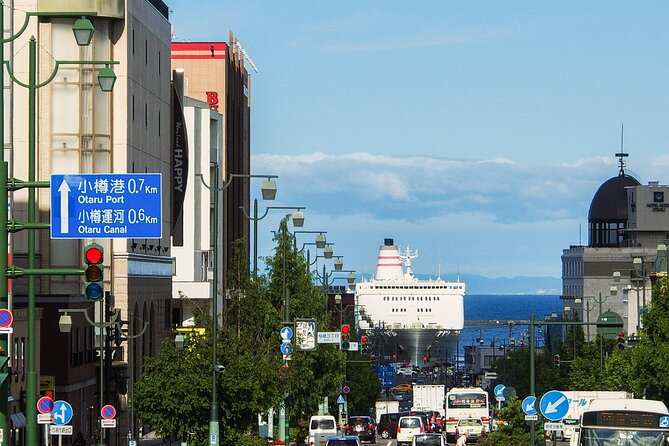
Sakaimachi Street receives the largest share of the tour, and that makes sense. This nostalgic shopping street brings together old-looking facades, artisan glass studios, sweet shops, and other stores that make Otaru easy to browse.
The two-hour block is where you can use the tour’s flexibility most. You might spend part of the time watching glasswork, learning about local craft, sampling sweets at your own expense, or asking your guide to point out architectural details. The route is not only about buying things. It is also about seeing how craft and food fit into Otaru’s visitor economy and older streetscape.
Glass is one of the area’s best-known draws, and the tour highlights delicate glass workshops. If you are buying fragile items, remember that personal purchases are not included and you will be responsible for carrying them afterward. A private guide can help you avoid wandering without a plan, but you still control how much time you spend in each shop.
The drawback is that Sakaimachi Street can dominate the experience. Two hours is generous for shoppers and people who enjoy browsing, but it may feel excessive if you prefer quiet streets, museums, or food markets. Tell your guide if you want to cut shopping time and add more history or photography.
What the guide adds to the walk
The guide is the main reason to choose this tour over a self-guided route. Otaru’s streets are pleasant to explore alone, but the meaning of the rails, bank building, warehouses, and market is easier to grasp when someone connects them.
You can expect commentary on history, culture, and photography. The guide can also introduce local industry and point out places that are easy to miss without local knowledge. Seiko’s role in explaining both Otaru and Japan more broadly is particularly useful if you want more than directions from one stop to the next.
English ability is important for this experience, and the available information identifies the guide as English-speaking. Seiko is specifically described as expressing herself very well in English. Jun Shirakata is also named as a local guide connected with a highly enjoyable visit.
Because only your group participates, you can ask basic questions without worrying about holding up strangers. That is helpful for families, older visitors, and anyone who wants a more relaxed exchange. The private format does not guarantee a perfect match in style, though. If you prefer a tightly timed historical lecture, make that clear. If you prefer casual conversation and local suggestions, say that too.
Walking demands, timing, and practical value
The route lasts about four hours and is built around walking. The information does not give a total distance or a detailed accessibility rating, but most travelers can participate, the meeting point is near public transportation, and service animals are allowed.
Wear comfortable shoes and keep your day bag light. You will be moving through a market, a former rail path, a canal area, and a shopping street. The tour ends back at the meeting point, which is useful if you need to continue by train or return to a ship.
The $100.69 price includes the English-speaking local guide, a customizable itinerary, and tax. It does not include personal expenses, so market food, sweets, glass items, and other purchases come from your own budget. There are group discounts, but the exact savings are not provided, so check the total for your party before you decide.
For one person, the price may feel high compared with walking independently. For a private group, the cost can make more sense because you are buying time, local explanation, and flexibility. I would see it as a practical orientation service rather than a ticketed attraction package.
Confirmation arrives within 48 hours of booking, subject to availability. Free cancellation is available until 24 hours before the start time. Inside that window, the payment is not refunded and last-minute changes are not accepted.
Who will get the most from this tour
I would recommend this walk to you if you want several sides of Otaru in one morning and prefer conversation to a recorded audio guide. It suits small groups, families, first-time visitors, photographers, and cruise passengers who want the route handled with care.
It is also a good choice if your party has mixed interests. One person can ask about port history, another can focus on glass, and someone else can spend more time on seafood and sweets. A private guide can adjust the emphasis instead of forcing everyone through the same script.
You may want to skip it if you already know Otaru well, dislike shopping streets, or want a full museum visit. The Bank of Japan stop is brief, and the tour does not include admission or personal purchases. Independent walkers can cover the canal and Sakaimachi Street without paying for a guide, though they will miss the added context and local help.
Should you book the Otaru private walking tour?
Book it if you value a flexible route, clear English, and local explanation more than the lowest possible price. The best parts are the combination of major sights with quieter historical stops, plus the chance to shape the four-hour visit around your group.
Before booking, decide what you want from Sakaimachi Street. If you love glass and sweets, the two-hour stop is a strength. If you prefer history and scenery, ask the guide to adjust the balance. Cruise passengers should confirm the port meeting point and return timing, while rail passengers can use JR Otaru Station as the stated meeting place.
At $100.69 per person, this is a considered purchase, but it can offer good value for a small group that wants more than a quick canal photo. The strongest reason to choose it is simple: you get Otaru’s market, railway past, banking district, canal, and craft street in one private walk, with room to ask questions along the way.
FAQ
How long does the Otaru private walking tour last?
The tour lasts approximately four hours, from about 10:15 AM to 2:15 PM.
Where does the tour start?
The listed meeting point is JR Otaru Station in Otaru. Cruise passengers may also be met at the port, but you should confirm those arrangements before booking.
Where does the tour end?
The activity ends back at the meeting point, either Otaru Station or the arranged port meeting location.
Is the tour private?
Yes. Only your group participates in the activity.
Is the guide English-speaking?
Yes. The tour includes an English-speaking local guide. Jun Shirakata and Seiko are named guides associated with this experience.
What places does the tour visit?
The route includes JR Otaru Station, Sankaku Market, the former Temiya Line, the former Bank of Japan Otaru Branch, Otaru Canal, and Sakaimachi Street.
Are admission tickets included?
The included features list the guide, customizable itinerary, and tax. The stops are listed with no admission ticket charge, while personal expenses are not included.
Are food, sweets, and shopping included in the price?
No. Personal expenses are not included, so food, sweets, glass items, and other purchases cost extra.
Can I cancel for a full refund?
Yes, if you cancel at least 24 hours before the experience start time. Cancellations or changes made less than 24 hours before the start time are not accepted for a refund.
More Tour Reviews in Otaru
More Private Tours in Otaru
More Otaru Tours in Otaru
Other Otaru tours worth your shortlist




Otaru Tours, side by side.
 ★ 4.5Lake Toya, Bear Ranch and Sapporo Otaru Full Day TourFrom $85.6633 reviews
 ★ 3.5Hokkaido Noboribetsu Lake Toya, Otaru Panoramic Tour From SapporoFrom $120.0028 reviews
 ★ 4.9Otaru Asarigawa Ski Resort Day Trip with GearFrom $18527 reviews
 ★ 4.4Hokkaido, Sappro, Otaru & Cape Kamui One-day TourFrom $6621 reviews
The lists this tour appears in