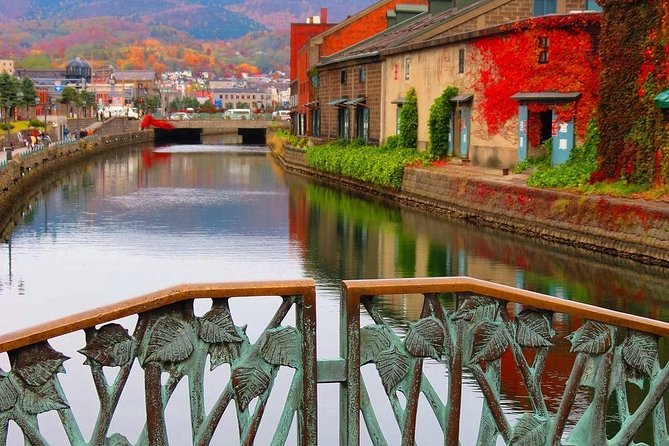
Otaru’s best feature is choice. With a government-licensed local guide, you can shape six hours around the parts of town you care about, from canal warehouses and glass shops to sake, sweets, and the view from Mt. Tengu. Guides such as Tom, Roy, and Akiko have each brought a personal touch to this experience.
In This Article
- Key points to know before booking
- Why a private six-hour visit works well in Otaru
- Starting beside the Otaru Canal
- Otaru Art Base and the city’s old buildings
- Sakaimachi Street for shopping and sweets
- Tanaka Sake Brewing Kikkogura
- Mt. Tengu for a wider view of Otaru
- What the guides add to the day
- The walking format and daily pace
- Is $153.50 per person good value?
- Who should book this Otaru tour?
- Final call: a smart first look at Otaru
- FAQ
- How long does the Otaru private tour last?
- Is the tour private?
- Is hotel pickup included?
- How many sights can I choose?
- Which places can be included?
- Is transportation included?
- Are admission fees included?
- Is lunch included?
- Can I cancel for a full refund?
I like the private format, since you can ask for help with food, history, shopping, and pacing without waiting for a large group. I also like the useful local help: Akiko adapted a visit for very cold weather and assisted with ordering vegetarian food. The main drawback is clear: this is a walking tour with no private vehicle, and transportation, admission fees, lunch, and personal purchases cost extra.
Key points to know before booking
- Choose three or four sights: You help select the stops that matter most to you.
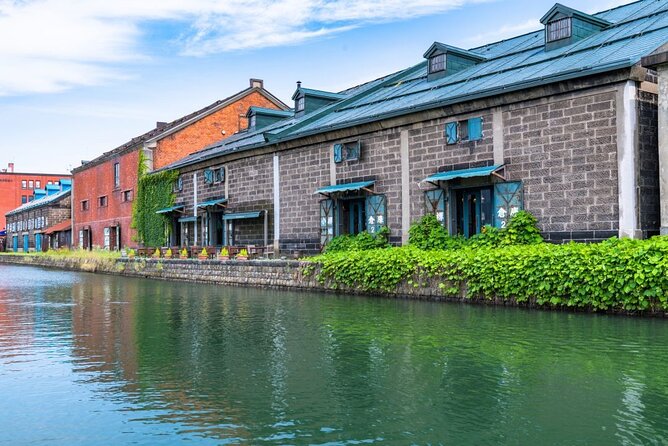
- Walk Otaru’s historic core: The canal, Sakaimachi Street, and Otaru Art Base fit naturally into a town visit on foot.
- Add local flavor: Tanaka Sake Brewing Kikkogura offers a look at traditional Japanese brewing.
- Save time for the view: Mt. Tengu Ropeway and Ski Museum give your day a higher viewpoint over Otaru and the Sea of Japan.
- Get personal guidance: Tom, Roy, and Akiko are named guides connected with especially warm guest feedback.
- Budget beyond the tour fee: The $153.50 per-person price covers the guide, but not your transport, meals, admissions, or shopping.
Why a private six-hour visit works well in Otaru
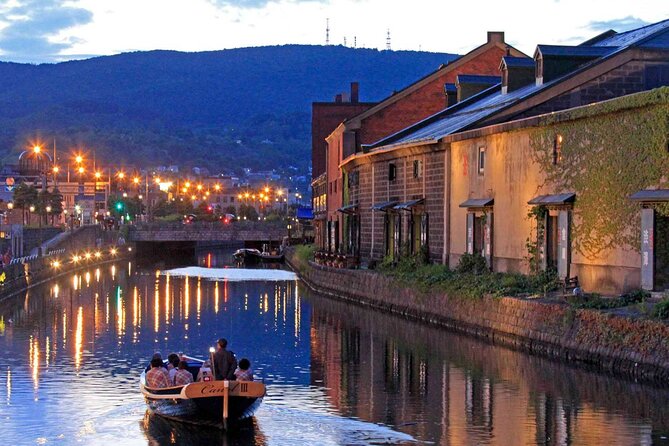
Otaru is easy to picture as a pretty canal town, but a first visit can become a string of guesses. This tour solves that problem by giving you a local guide and a flexible plan rather than forcing you into a fixed route.
You choose three or four places from the available sightseeing list. That matters because six hours is long enough for a useful visit, but not long enough to see every corner of Otaru at a relaxed pace. If you care most about architecture and crafts, you can build around the canal, Otaru Art Base, and Sakaimachi Street. If food and local tradition matter more, Tanaka Sake Brewing Kikkogura may deserve a place. You can also use one of your stops for Mt. Tengu.
The private setup suits people who want to ask questions as they go. You can stop to ask why a building matters, request help choosing food, or change the pace when the weather turns cold. The experience is not a private car tour, however. You meet the guide on foot within a designated area of Otaru, and the day takes place mainly by walking and local transport at your own expense.
Our other Otaru reviews may also help you decide


Starting beside the Otaru Canal
The Otaru Canal is the natural opening for a first visit. It was once part of the city’s distribution network, when Otaru was a major commercial center and its population even surpassed Sapporo’s. The canal’s old warehouses now give you a quick sense of how goods moved through the city.
A guide adds useful context here. Without one, you may see a pleasant waterfront and a row of old buildings. With one, you can connect the canal to Otaru’s growth and its role in Hokkaido’s past. That kind of explanation is one of the strongest reasons to choose a licensed guide rather than simply strolling alone.
Allow roughly an hour if the canal is one of your selected stops, though the exact pace depends on your group and the rest of the plan. The area is also a practical place to get your bearings before moving toward the town’s shops and cultural sights.
Do not expect a full day centered only on the waterfront. The canal is a starting point, not the whole Otaru experience. If you want photographs, architecture, food, and a high viewpoint, treat it as one important part of a broader route.
Otaru Art Base and the city’s old buildings
Across Rinkosen Street from the canal, Otaru Art Base uses early twentieth-century buildings as spaces for tourism and art. The setting is valuable in its own right. You are not simply entering a modern gallery; you are seeing how Otaru’s older commercial buildings continue to serve a public purpose.
This stop suits you if you like architecture, art, and the feel of a historic town. Your guide can help explain what you are seeing and place the building in the story of Otaru. Admission is not included, so plan for an extra charge if you want to enter. The tour information also notes that guide entry fees are covered for sights listed in the expected stops, but your own entrance fees remain outside the tour price.
The one-hour estimate gives you enough time to look around without letting a single attraction take over the day. If art is not a priority, you may prefer to use those sixty minutes for food or shopping. The customized format lets you make that call.
Sakaimachi Street for shopping and sweets
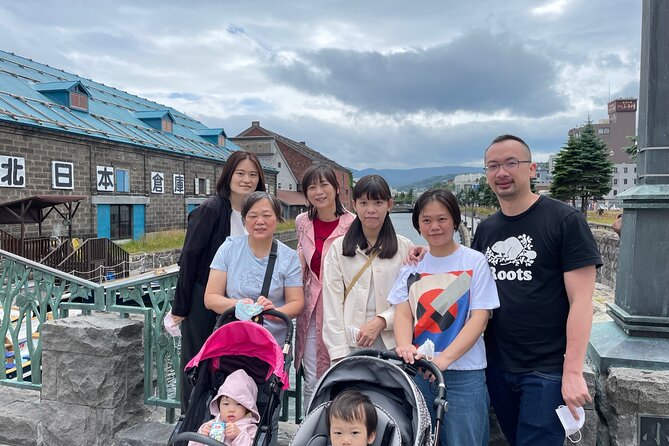
Sakaimachi Dori runs inland from Rinkosen Street, parallel to the canal. This is the place to combine shopping with eating, which makes it an especially useful stop for a first-time visit.
You can browse the kind of shops that make Otaru appealing as a holiday town, including glass crafts and sweets, both noted in the tour description. The guide can help you sort through the choices and point out places that fit your interests. If you want souvenirs, this is likely to be one of the most practical sections of the walk.
I would keep some spending money free here. The tour price does not cover lunch, sweets, shopping, or other personal expenses. That is not a flaw, but it changes how you should read the advertised price. The fee buys private guiding and planning, while the things you eat and purchase are yours to pay for.
An hour is a sensible amount of time for a guided introduction. It gives you a taste of the street without leaving too little time for the canal or the mountain. If you are serious about shopping, ask to make this one of your main stops and be ready to shorten another section.
Tanaka Sake Brewing Kikkogura
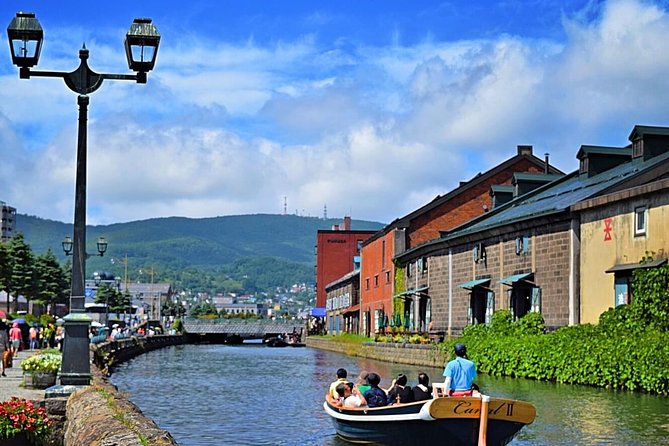
Otaru is often linked with Western-style buildings and glasswork, but Tanaka Sake Brewing Kikkogura offers a different side of the city. This stop presents the long-running tradition of Japanese sake brewing and gives the day a stronger connection to local culture.
I like the contrast. After the canal and shopping street, a sake brewery changes the subject from scenery and souvenirs to a Japanese craft with its own methods and history. You do not need to make the entire tour about drinking to appreciate the stop. The value is in seeing a traditional industry represented in Otaru.
The visit is listed at about one hour, and admission is not included. If you do not drink alcohol, ask your guide how best to use the stop before committing to it. The information provided does not specify tasting arrangements, so you should not book this expecting a particular tasting program.
This is also a good place to use your guide’s local knowledge. A licensed guide can explain the cultural role of sake and help you understand what makes the brewery relevant to Otaru, rather than leaving you to read signs on your own.
Our other Otaru reviews may also help you decide


Mt. Tengu for a wider view of Otaru
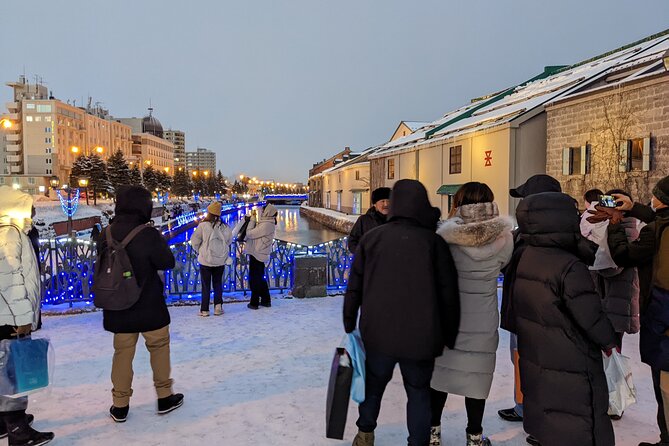
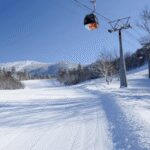
Mt. Tengu rises above Otaru and looks out toward the seaside city and the Sea of Japan. The ropeway and Ski Museum offer a change of scale after several hours among streets and buildings.
The ride or mountain visit is listed as an approximately one-hour stop. It is a strong choice if you want scenery and a clear sense of Otaru’s position beside the sea. On a clear day, the high viewpoint can help tie the town together in your mind. The tour information does not promise specific weather or visibility, so keep expectations sensible.
This stop also requires more planning than the central walking sights. The experience is described as a walking tour with no private vehicle, and transportation fees are not included. Ask the guide how the group will reach the mountain and budget for the required local transport and any admission charges.
Mt. Tengu may be less useful if you have limited mobility or want to spend the full six hours in the central shopping area, though the activity says most people can participate. It is best viewed as a choice for variety, not an automatic part of every itinerary.
What the guides add to the day
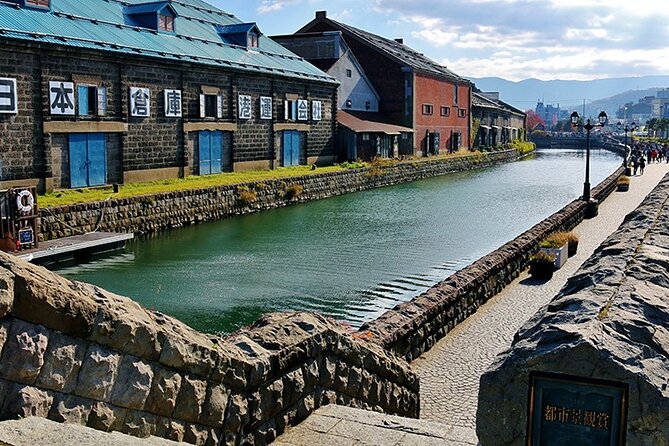
The strongest praise centers on personal attention and clear explanations. Tom is described as helpful, interesting, and well informed about Otaru. Roy is noted for explaining local history and showing what makes the city work as a community. Akiko researched an itinerary for one person, adjusted it for very cold weather, and helped with vegetarian food ordering.
Those details show what you can reasonably ask for. Tell the operator your priorities before the day begins. Mention food needs, weather concerns, favorite subjects, and any stop you consider essential. The more specific you are, the more useful the six-hour plan can become.
The guides are government-licensed interpreters, a certification that requires a good understanding of Japanese culture and history. That does not mean every guide will have the same personality or specialize in the same subjects. Your assigned guide may be Tom, Roy, Akiko, or someone else, so treat the names as examples of the personal approach available rather than a guarantee of assignment.
The tour is offered with an English-speaking guide, and the experience describes multilingual guiding as available. Confirm your preferred language when booking if that matters to your group.
The walking format and daily pace
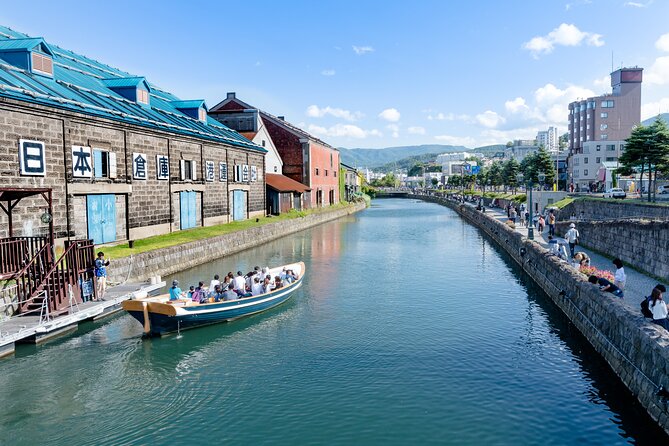
This is a private activity for your group only, but it is not a private-vehicle excursion. Pickup means meeting the guide on foot within the designated Otaru area. That distinction is easy to miss and important to understand.
The central stops can work well together on foot. The canal, Otaru Art Base, and Sakaimachi Street are all connected to the same part of town. The brewery and Mt. Tengu require you to think more carefully about timing and local transportation. Since the tour lasts about six hours, every transfer takes time away from sightseeing.
Wear comfortable shoes and bring clothing that suits the season. The cold-weather example shows why conditions can affect the day, even though no specific clothing list is provided. If you need frequent breaks or want a slower pace, say so when arranging the itinerary.
The tour has a 4.9 rating from 16 reviews, with 100 percent recommending it. That is a strong result, though the sample is small. I would treat it as evidence of consistent satisfaction with the guides and the private format, not as a promise that every possible itinerary will suit every person.
Is $153.50 per person good value?
At $153.50 per person, this is not the cheapest way to walk around Otaru. You are paying for a private guide, route planning, cultural explanations, and help with practical matters such as food choices. If you are a couple or a small private group, the price may make sense when you value flexibility and personal attention.
The cost is easier to justify if you have only one day in Otaru or want to avoid spending time working out what to see. It is also useful if you have special food needs, a strong interest in history, or a group with mixed priorities. A guide can keep the day moving while still adapting the plan.
The value drops if you want a completely self-guided shopping day or dislike paying separately for local transport and admissions. You should also add lunch, snacks, entrance fees, and purchases to your budget. Group discounts are available, but the experience cannot combine multiple tour groups, so this is not a shared excursion designed to lower the price through strangers joining in.
The tour is booked an average of 73 days ahead, which suggests planning early is sensible. That may matter most if you need a particular date, language, or guide preference.
Who should book this Otaru tour?
I would recommend it to a first-time Otaru visitor who wants the city explained rather than simply photographed. It is especially suited to couples, families, and private groups that want to set their own priorities.
It also fits you if you want three or four distinct experiences in one day: canal scenery, old buildings, shopping, sake, and a mountain viewpoint. The guide’s ability to help with vegetarian ordering and cold-weather changes makes the private format useful for personal needs.
I would think twice if you want a car, a fixed all-inclusive price, or a very slow visit to one attraction. This is a walking tour, and the flexibility works best when you are willing to make choices. You cannot see every stop in depth during six hours.
Free cancellation is available if you cancel at least 24 hours before the local start time. Changes or cancellations inside that window are not accepted for a refund, so keep the deadline in mind.
Final call: a smart first look at Otaru
Book this tour if your priority is a well-shaped first visit with a local guide, not just a checklist of sights. The canal and Sakaimachi Street give you the classic Otaru experience, while Otaru Art Base, Tanaka Sake Brewing Kikkogura, and Mt. Tengu let you adjust the day toward art, Japanese tradition, or views.
Before booking, decide on your three must-see stops and ask about the walking route, transport to Mt. Tengu, and expected extra costs. If you do that homework, the $153.50 fee can buy something valuable: six hours that feel tailored to your interests instead of six hours spent finding your way.
FAQ
How long does the Otaru private tour last?
The tour lasts approximately six hours.
Is the tour private?
Yes. Only your group participates, and multiple tour groups cannot be combined.
Is hotel pickup included?
The tour offers a meetup on foot within a designated area of Otaru. It does not include a private vehicle.
How many sights can I choose?
You can customize the tour around three or four sites from the available list.
Which places can be included?
Possible stops include the Otaru Canal, Otaru Art Base, Sakaimachi Street, Tanaka Sake Brewing Kikkogura, and the Otaru Tenguyama Ropeway Ski Museum.
Is transportation included?
No. Transportation fees are not included, and the tour does not provide a private vehicle.
Are admission fees included?
Your entrance fees are not included. Guide entry fees are covered only for sights listed under the tour’s expected stops.
Is lunch included?
No. Lunch, food, shopping, and other personal expenses are separate.
Can I cancel for a full refund?
Yes, if you cancel at least 24 hours before the experience start time. Cancellations or changes made less than 24 hours before the start time are not refunded or accepted.
More Tour Reviews in Otaru
More Private Tours in Otaru
More Otaru Tours in Otaru
Other Otaru tours worth your shortlist



Otaru Tours, side by side.
 ★ 4.5Lake Toya, Bear Ranch and Sapporo Otaru Full Day TourFrom $85.6633 reviews
 ★ 3.5Hokkaido Noboribetsu Lake Toya, Otaru Panoramic Tour From SapporoFrom $120.0028 reviews
 ★ 4.9Otaru Asarigawa Ski Resort Day Trip with GearFrom $18527 reviews
 ★ 4.4Hokkaido, Sappro, Otaru & Cape Kamui One-day TourFrom $6621 reviews
The lists this tour appears in