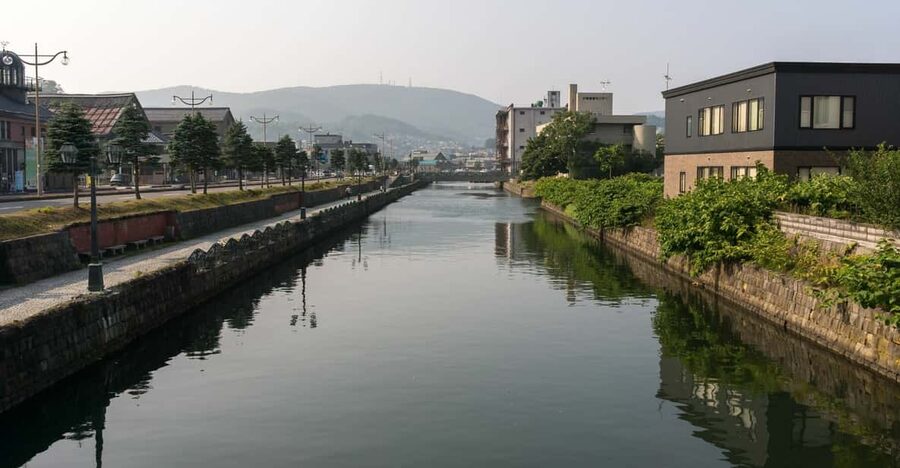
Otaru’s old canal, glass workshops, music boxes, and port-era buildings give you a very different view of Hokkaido than Sapporo’s modern streets. The best part is the private guide match, which lets you shape the day around crafts, food, history, or quiet backstreets.
In This Article
- Key points to know before booking
- Why Otaru makes a fine change from Sapporo
- The train from Sapporo sets the pace
- Sakaimachi-dōri, where Otaru’s merchant past survives
- Nichigin-dōri and the Wall Street of the North
- The canal, warehouses, and evening light
- Handmade glass and the Music Box Museum
- Food stops, from squid ink ice cream to fried chicken
- How the private guide changes the experience
- Winter, weather, and walking comfort
- What the $191 price means
- Who should book this Otaru day?
- Should you book it?
- FAQ
- How long does the tour last?
- How do I get from Sapporo to Otaru?
- Where is the meeting point?
- Is the tour private?
- Which languages are available?
- Are attraction tickets included?
- Is food included?
- Can the route include extra transportation in Otaru?
I like the easy 30-minute train ride from Sapporo, with tickets included, and the freedom to choose between glass shops, the Music Box Museum, sake tasting, beer, or local food. The main drawback is time: six hours includes the return journey, so a long canal cruise, several museums, and a leisurely meal may be too much for one outing.
Key points to know before booking
- A private day with a personal route: Your guide adjusts the walk to your interests instead of taking you through a fixed group itinerary.
- Otaru by train: The ride from Sapporo takes about 30 minutes each way, and return rail tickets are included.
- Historic streets and canal: See preserved western-style buildings on Sakaimachi-dōri, old financial buildings on Nichigin-dōri, and warehouses beside the canal.
- Choose your craft stop: Spend time with Otaru glass, visit the Music Box Museum, or customize a music box.
- Local tastes included: Your host selects one glass of sake, beer, or a soft drink. Extra food and drinks cost more.
- Strong guide feedback: Past outings led by Toru, Ryuki, Karen, Emilio, and Akihiro received especially warm comments, though your assigned guide may be different.
Why Otaru makes a fine change from Sapporo

Sapporo is broad, modern, and easy to navigate. Otaru feels smaller and more tied to its port past. That contrast is the reason to make the trip.
The city grew as a major port on Ishikari Bay, and its older streets still show that commercial role. Instead of focusing on temples and shrines, you see warehouses, merchant buildings, glass workshops, old markets, and western-style architecture from the late 19th century.
I like that this outing gives you cultural context without making you sit through a long formal lecture. You walk, browse, taste, and ask questions as the day unfolds. A good guide can explain why Otaru looks the way it does while pointing out details you might otherwise pass without noticing.
The private format matters here. Otaru’s main sights are close enough to explore on foot, but your interests can change the feel of the day. You might spend more time on handmade glass, stop for food, or head toward a quieter part of town instead of ticking off every headline attraction.
Our other Otaru reviews may also help you decide

The train from Sapporo sets the pace
The tour begins with hotel pickup from central Sapporo, although the stated meeting point is in front of the tourist information center inside JR Sapporo Station. Confirm the exact arrangement before the day, especially if you are staying outside the central pickup area.
The train ride to Otaru takes about 30 minutes. That is one of the outing’s practical strengths. You avoid arranging a taxi or navigating a separate private vehicle, and you get a look at the route between the two cities along the way.
Your six hours includes travel time, so you should expect roughly five hours for the Otaru portion, depending on the train schedule and how the day is arranged. That is enough for a well-planned walk and a few stops, but it is not an open-ended full-day visit.
Return train tickets are included. Additional transportation in Otaru is not, though your host can suggest public transport or a private taxi if your chosen route needs it. Most of the described sights work well as a walking day, but ask before adding a distant stop.
Sakaimachi-dōri, where Otaru’s merchant past survives
Sakaimachi-dōri is one of the clearest windows into Otaru’s port-era character. The street is lined with preserved western-style buildings that recall the city’s commercial importance in the late 19th century.
Today, many buildings hold shops, cafes, and craft businesses. That makes the street easy to enjoy, since you can combine architecture with browsing rather than treating the area as an outdoor museum.
I would let your guide set the pace here. A quick pass gives you the general look of the street, but stopping at a few local shops makes the visit more personal. The private format is useful if you want to focus on Japanese-made goods instead of rushing through every storefront.
The trade-off is that this is one of Otaru’s popular zones. If you prefer quiet streets, tell your guide early. The point of this tour is not simply to repeat a standard route. It is to shape the walk around what you actually want to see.
Nichigin-dōri and the Wall Street of the North
Near Sakaimachi-dōri, Nichigin-dōri offers another piece of Otaru’s business history. Its old financial buildings earned it the nickname Wall Street of the North.
This stop works best for travelers who enjoy buildings and city history more than formal attractions. Look up as you walk. The architecture gives the street a different mood from the canal and shopping areas.
It is also a good place to ask your guide about Otaru’s rise as a port city. The experience does not promise a full museum-style history program, so the depth of explanation will depend on your guide and your questions. That is a strength for some people and a weakness for those wanting a tightly scripted historical tour.
The canal, warehouses, and evening light

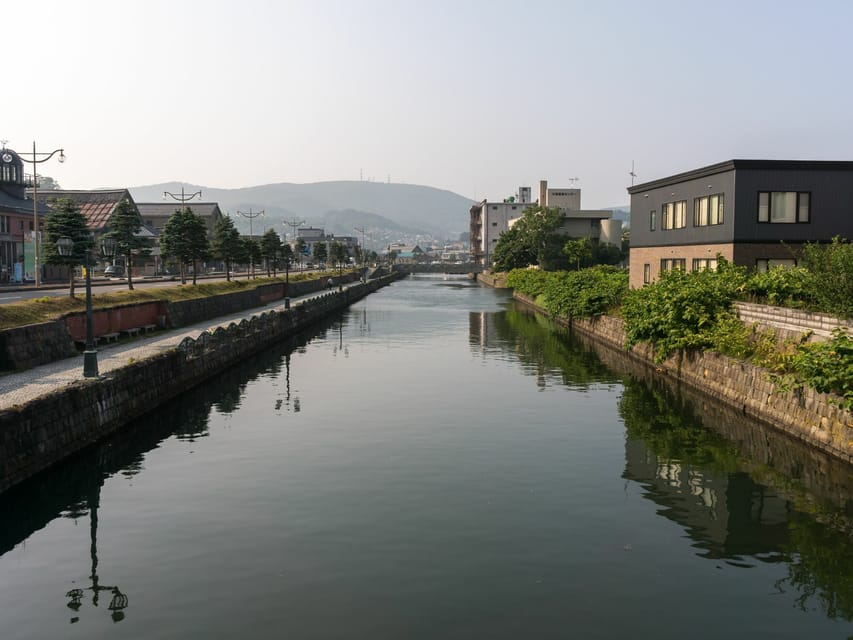
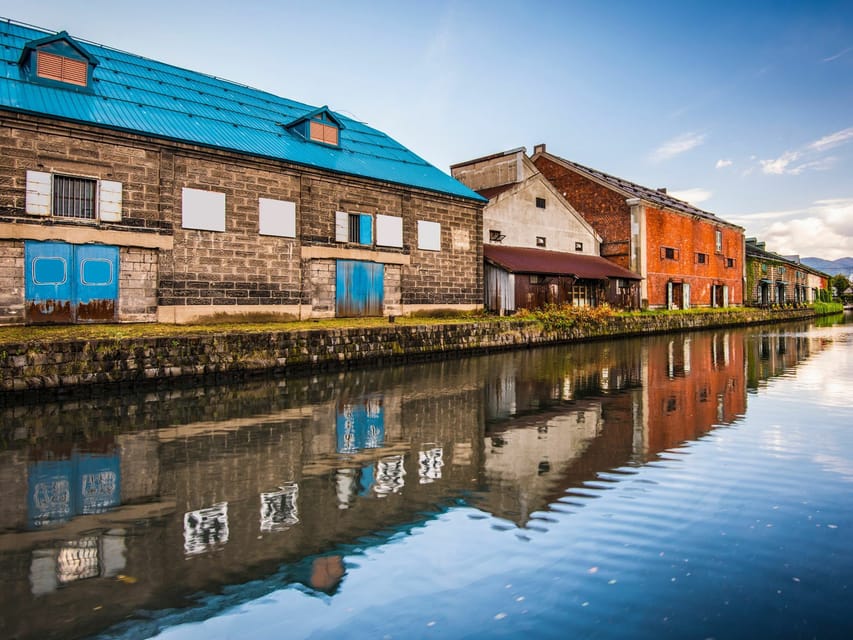
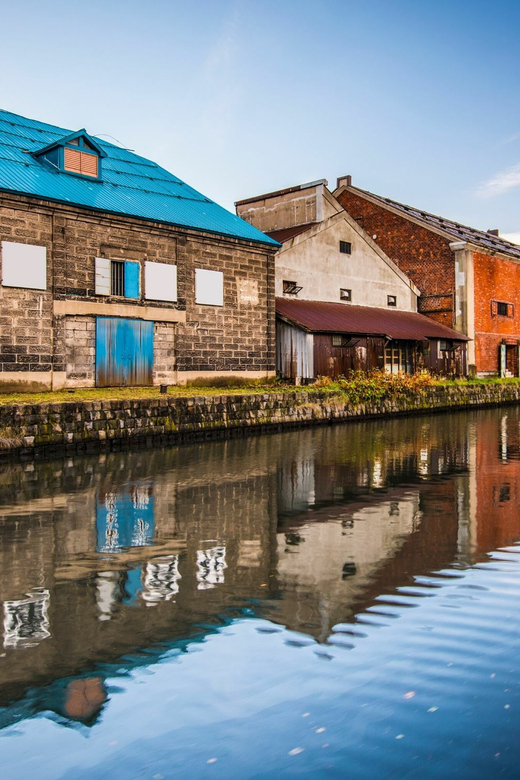
Otaru’s canal is the city’s signature sight. The old promenade follows the water beside Ishikari Bay, with former warehouses converted into cafes, antique shops, and other businesses.
The canal is especially atmospheric later in the day, when oil lamps cast a warm glow along the walkway. The supplied schedule does not guarantee an evening arrival, so do not book this tour solely for the lamps. Still, your guide can help you understand when the canal fits best into your route.
You can walk along the cobbled pathways or ask about a canal cruise. The cruise is optional and attraction tickets are not included, so it adds both cost and time. I would choose it if you want a seated view and a slower look at the warehouses. If your main interests are glass and music boxes, keep walking and save the time for those stops.
The canal area is visually pleasing but compact. Do not expect hours of uninterrupted sightseeing. Its value comes from the combination of water, warehouses, lamps, and the surrounding old streets.
Our other Otaru reviews may also help you decide


Handmade glass and the Music Box Museum
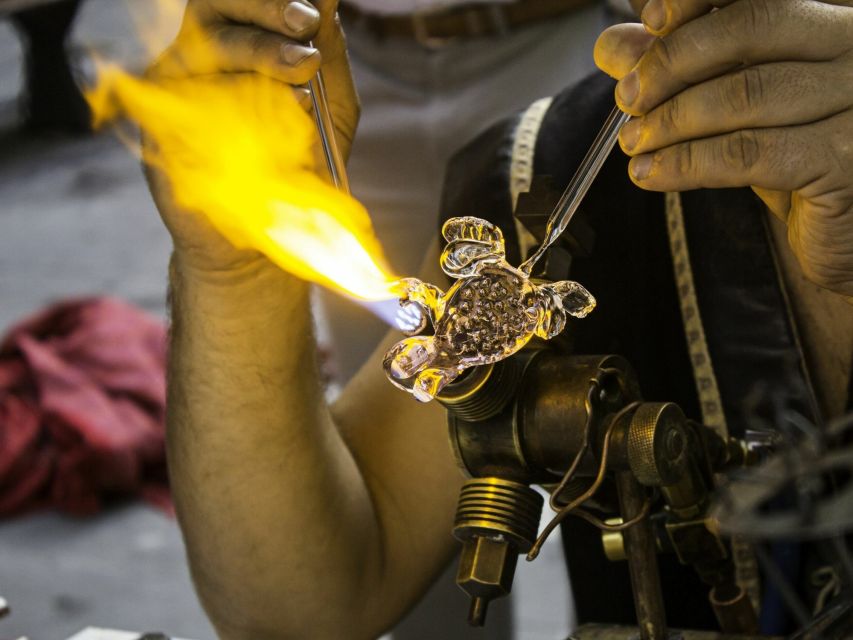
Otaru is known for glass blowing, and the glass shops give you a chance to see a local craft tradition up close. The focus here is on intricate handmade pieces that also work as souvenirs.
Past outings have included visits to glass shops run by local artists. That detail matters if you prefer individual work over generic gift stores. Ask your guide to point out pieces made in Japan and to explain what makes the shops different.
The other main choice is the Otaru Music Box Museum, with a collection of about 25,000 music boxes. You can browse the collection or customize a new one. This is a good stop for families, gift hunters, and anyone who enjoys small mechanical objects with a strong sense of place.
You probably will not have time to give both glass and music boxes unlimited attention. If you want to shop carefully, tell your guide at the start. The private arrangement helps, but the six-hour limit still applies.
Food stops, from squid ink ice cream to fried chicken

Otaru is also a useful place to try something unusual. Squid ink ice cream is one option for the adventurous. It is not included, and it may not appeal to everyone, but it gives the day a distinctly local talking point.
You can also stop for food, with past outings including especially good fried chicken. The tour description does not promise a particular restaurant, so treat food as a flexible part of the day rather than a set tasting tour.
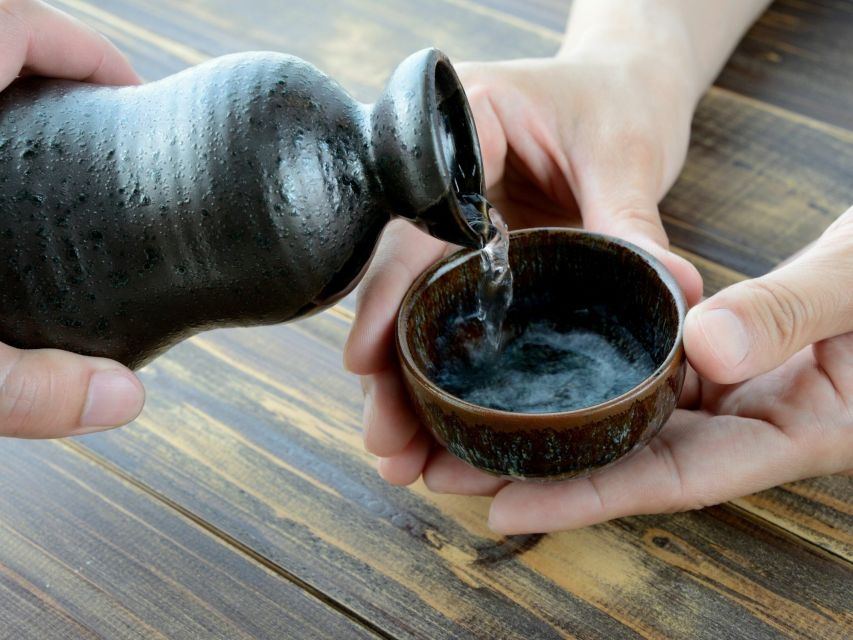
For drinks, you may visit the Bavarian-style Otaru Brewery beer hall for freshly brewed draft beer or sample sake at Tanaka Sake Brewery. One glass of sake, beer, or a soft drink is included, selected by your host. Any further drinks or food are extra.
Tanaka Sake Brewery is the better fit if you want to connect the tasting to local production. The beer hall suits you if you prefer a hearty break and a brewed drink in a casual setting. You can discuss the choice with your guide rather than trying to squeeze both into a short visit.
How the private guide changes the experience
The guide match is the main reason to choose this outing over a standard group excursion. You are paired with a local host based on your interests, with English and Japanese available.
Guide names associated with particularly well-received outings include Toru, Ryuki, Karen, Emilio, and Akihiro. Toru was praised for arranging an off-the-beaten-path Otaru day, while Ryuki combined local glass shops and Japanese-made music boxes with an extra stop at Sapporo’s Olympic Museum.
Karen’s winter outing included food, handmade glass, and the Snow Path Festival. Emilio guided a snowy Otaru visit that included a hilltop view and a ropeway ride. Those examples show the range a private guide can offer, but they are not guaranteed parts of your booking.
Your host may suggest a different route based on your interests, weather, opening hours, and available time. If you have a firm priority, say so before leaving Sapporo. Good requests include glass, architecture, food, music boxes, a quieter walk, or a particular seasonal event.
The guide can also recommend places to explore elsewhere in Sapporo after the tour. That extra advice can be valuable if you have another day in the city and want ideas beyond the most visited areas.
Winter, weather, and walking comfort
Otaru can be beautiful under snow. One past winter outing included snowy streets, a hilltop view, and a ropeway ride, while another took place during the Snow Path Festival.
Those seasonal details can add a lot, but they also require sensible planning. The tour is primarily a walking experience, with cobbled paths, shopping streets, and outdoor canal sections. Wear shoes suited to winter conditions if you visit during snow season.
The activity is listed as wheelchair accessible, but the specific route can change depending on shops, canal access, weather, and optional transportation. If you use a wheelchair, discuss your preferred stops with the provider before the day so the route can be set accordingly.
What the $191 price means
At $191 per person, this is not the cheapest way to see Otaru. The price covers a private and personalized experience, central Sapporo hotel pickup, six hours with a guide including travel time, return train tickets, a walking tour, and one selected drink.
The value depends heavily on your group size and priorities. A couple pays more than it would on a basic train-and-walk outing, but you receive personal attention and do not have to plan the route yourself. For a family or small private group, the cost may feel more reasonable when divided across the group, though the listed price is per person.
You are still paying for attraction tickets, extra food and drinks, canal cruises, and any additional transportation in Otaru. Keep a little room in your budget if glass shopping or a museum visit is important to you.
I see the price as fair for a custom day with a strong human element, not as a bargain sightseeing ticket. If you already know exactly what you want to see and are comfortable using the train and a map, an independent visit will cost less. If you value local advice and flexible pacing, the extra cost has a clearer purpose.
Who should book this Otaru day?
This tour suits you best if you want a private day and do not want to build every detail yourself. It is also a good fit if your interests are specific, such as handmade glass, music boxes, architecture, sake, food, or seasonal winter sights.
Families may appreciate the ability to adjust the pace and choose between crafts, sweets, food, and the canal. Couples can create a slower route, perhaps with a drink and time for browsing. First-time visitors to Hokkaido may like the simple train connection and the chance to compare Otaru with Sapporo.
You may want a different option if you want a full day of museums, a long canal cruise, extensive shopping, or several distant attractions. Six hours passes quickly once the train rides are counted.
Free cancellation is available up to 24 hours before departure, and you can reserve now while paying later. The tour operates as a private group and is offered in English or Japanese.
Should you book it?
Book this outing if you want Otaru to feel personal rather than formulaic. The combination of train travel, old port streets, canal warehouses, local glass, music boxes, and a flexible guide gives you a useful first look at the city without the strain of arranging every stop.
Before booking, decide what matters most. If it is glass, tell your host. If it is food, ask for time to eat. If you want the canal at lamp-light, check the start time. And if you hope to add a ropeway, festival, cruise, or distant museum, confirm that the six-hour schedule can handle it.
For an easy, private introduction to Otaru from Sapporo, I would choose it. For the lowest-cost visit, take the train independently and spend the difference on lunch and souvenirs.
FAQ
How long does the tour last?
The experience lasts six hours, including the travel time between Sapporo and Otaru.
How do I get from Sapporo to Otaru?
You travel by train, with the journey taking about 30 minutes each way. Return train tickets are included.
Where is the meeting point?
The host waits in front of the tourist information center at JR Sapporo Station. Hotel pickup is included from central Sapporo, so confirm the exact pickup arrangement when booking.
Is the tour private?
Yes. It is a private group experience with a personalized route.
Which languages are available?
The tour is offered with a live guide in English or Japanese.
Are attraction tickets included?
No. Tickets for attractions such as the Music Box Museum or a canal cruise are not included.
Is food included?
Additional food and drinks are not included. Your host selects one included glass of sake, beer, or a soft drink. Other food and drinks cost extra.
Can the route include extra transportation in Otaru?
Your host can suggest public transport or a private taxi if needed, but additional transportation costs are not included.
More Private Tours in Otaru


More Otaru Tours in Otaru
More Day Trips from Sapporo in Otaru
Other Otaru tours worth your shortlist




Otaru Tours, side by side.
 ★ 4.5Lake Toya, Bear Ranch and Sapporo Otaru Full Day TourFrom $85.6633 reviews
 ★ 3.5Hokkaido Noboribetsu Lake Toya, Otaru Panoramic Tour From SapporoFrom $120.0028 reviews
 ★ 4.9Otaru Asarigawa Ski Resort Day Trip with GearFrom $18527 reviews
 ★ 4.4Hokkaido, Sappro, Otaru & Cape Kamui One-day TourFrom $6621 reviews
The lists this tour appears in