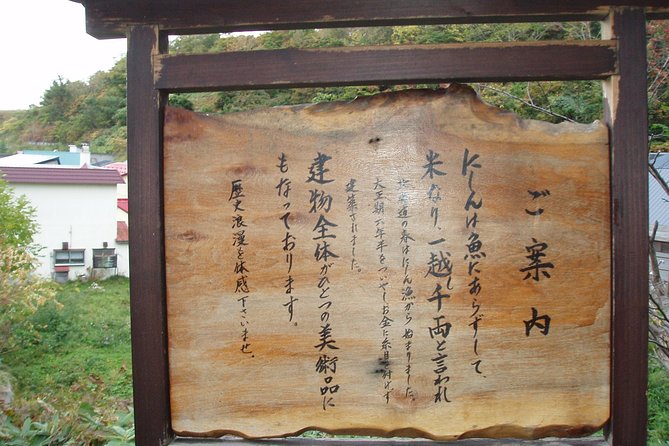
Otaru Kihinkan is more than an old house. It is a lavish reminder of the money made during Hokkaido’s herring boom, built from the dream of 17-year-old Masae Aoyama. Inside, you get polished Japanese rooms, fine details, and a clear sense of how wealthy fishing families once lived.
In This Article
- Key points to know before you go
- Why Otaru Kihinkan matters
- Entering the former Aoyama Villa
- The story of Masae Aoyama
- The herring-fishing connection in Shukutsu
- Dining at the villa
- How much time to allow
- Opening hours and seasonal planning
- What the $10.70 price includes
- The paper ticket and booking conditions
- Who will enjoy this visit most
- Should you book Otaru Kihinkan?
- FAQ
- Where is Otaru Kihinkan located?
- What is included with the ticket?
- How much does admission cost?
- How long does the visit take?
- What are the opening hours from April through December?
- What are the opening hours from January through March?
- Is the villa open every day?
- Is parking included?
- Can I cancel or change the booking?
I like the villa’s strong connection to Shukutsu’s herring trade, and I like that you can pair the visit with a meal in the on-site restaurant. The main drawback is simple: parking costs extra, and the ticket is non-refundable, so you need to be sure of your plans before booking.
Key points to know before you go
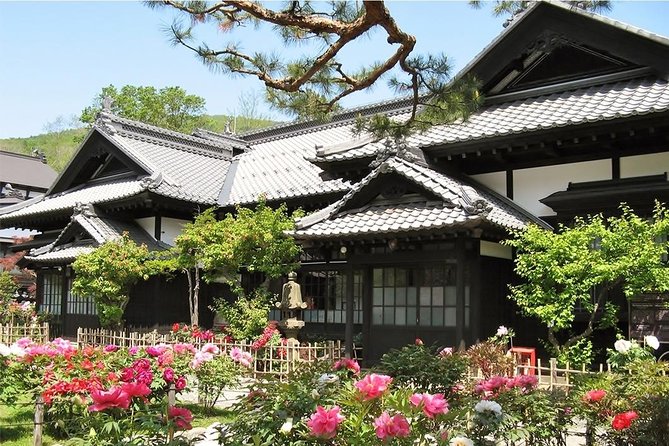
- A 17-year-old’s ambitious dream: Masae Aoyama inspired the villa, which was built with little concern for expense.
- A symbol of herring wealth: The house reflects the golden period of herring fishing in Shukutsu.
- A recognized cultural property: Otaru City has designated the building as a registered tangible cultural property.
- Restaurant on the grounds: Plan time for food and seasonal views as well as the house itself.
- Shorter winter hours: From January through March, entrance runs from 9:00 a.m. to 4:00 p.m.
- Simple admission, limited flexibility: The $10.70 ticket includes entry, but parking and any meal cost extra.
Why Otaru Kihinkan matters
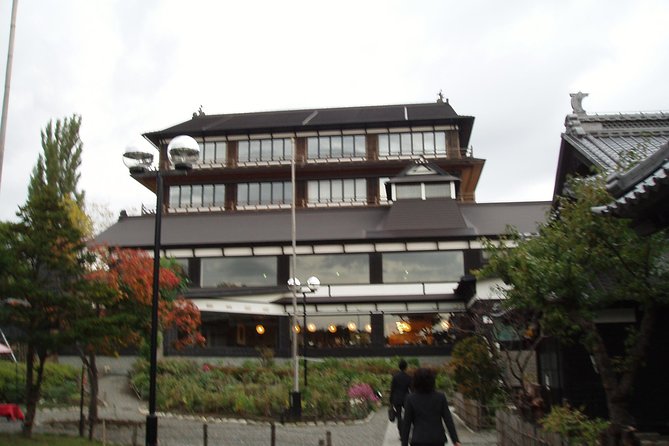
Otaru is often associated with its canal, warehouses, and port. Kihinkan gives you a different view of the city, one tied to the fishing economy that helped make Otaru wealthy.
The former Aoyama Villa was created during the golden age of herring fishing in Shukutsu. Herring was not a minor local catch. It shaped work, trade, and family fortunes across Hokkaido. The villa lets you see the private side of that success, expressed through a grand Japanese-style home.
That background makes the visit more useful than a quick look at an attractive building. You are not only seeing traditional architecture. You are seeing how one family turned fishing wealth into an impressive home designed to signal taste, status, and prosperity.
Otaru City recognizes the building as a registered tangible cultural property. That official status matters because it confirms the villa’s value as part of the city’s built heritage. You can take your time with the rooms rather than treating the house as a simple photo stop.
Our other Otaru reviews may also help you decide


Entering the former Aoyama Villa
The main attraction is the villa itself. The supplied information does not provide a room-by-room route or guided commentary, so you should expect a self-directed visit rather than a structured tour with a named guide.
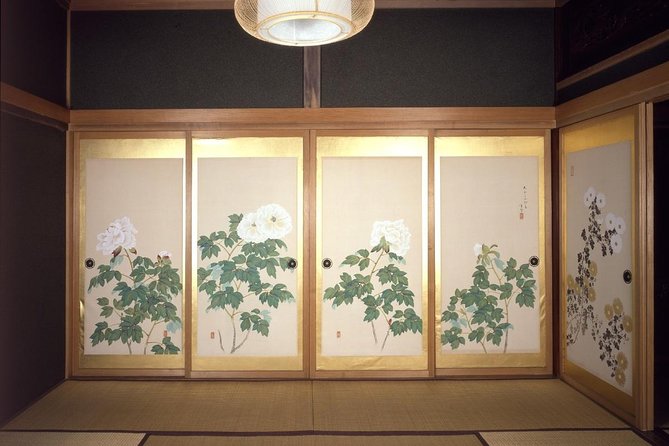
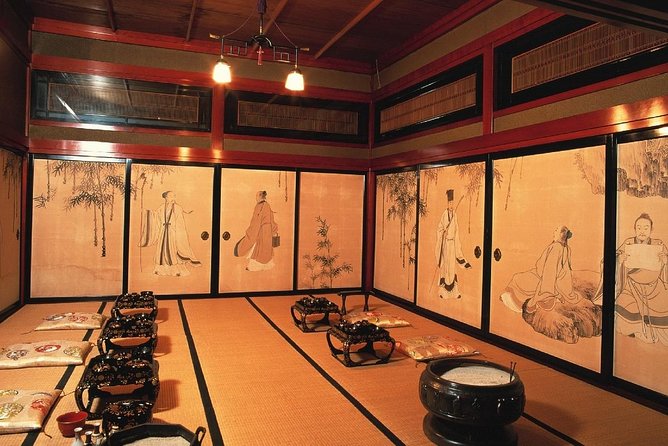
The experience centers on the house’s Japanese style and luxurious fittings. The villa was furnished with every luxury during the herring boom, and that is the point to keep in mind as you move through it. Look for the care given to materials, room design, and presentation. The building was made to impress.
I would allow roughly three hours for the full experience, especially if you want to examine the building carefully and eat at the restaurant. If you only want a quick look at the house, you may need less time. The three-hour estimate gives you room to slow down.
This is a good place for you if historic homes appeal more than high-energy sightseeing. The pace is quiet. You can focus on structure, decoration, and atmosphere without trying to keep up with a guide or a large group.
The story of Masae Aoyama
The most memorable detail here is the age of the person behind the dream. Masae Aoyama was only 17 when the vision for the villa began.
That fact gives the building a human angle. The house is not simply an anonymous monument to a wealthy family. It reflects the ambition of a young woman living during a period when herring fishing could create great fortunes.
You should keep this story in mind as you look at the villa’s expensive design. The scale of the home makes more sense when you connect it to the boom years of Shukutsu. The building expresses confidence, family pride, and the desire to create something lasting.
The supplied details do not identify an on-site guide or provide a formal talk about Masae Aoyama. Read the available information at the property and take the story at your own pace. If you enjoy making connections between local industry and personal lives, this part of the visit may stay with you longer than the visual details alone.
The herring-fishing connection in Shukutsu
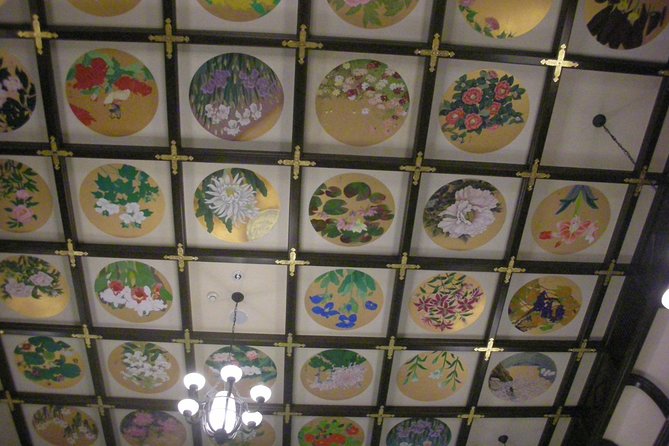
Shukutsu gives the villa its setting and its meaning. The house was born from the success of the local herring industry, so the visit helps explain why such an elaborate home appeared here.
You can think of Kihinkan as a private record of an economic boom. Instead of seeing only docks, fishing equipment, or commercial buildings, you see how prosperity entered domestic life. Fine rooms and costly furnishings became a way to display the rewards of the trade.
That link also makes the property valuable for visitors who want more than Otaru’s best-known sights. The villa adds social and economic context to the city. It shows that Otaru’s past was not only about shipping and commerce, but also about families who built grand homes from local industries.
The information provided does not say how much original furniture remains or identify particular artworks inside. Avoid arriving with a fixed list of specific objects to find. Come for the overall impression of luxury and for the connection to the herring era.
Dining at the villa
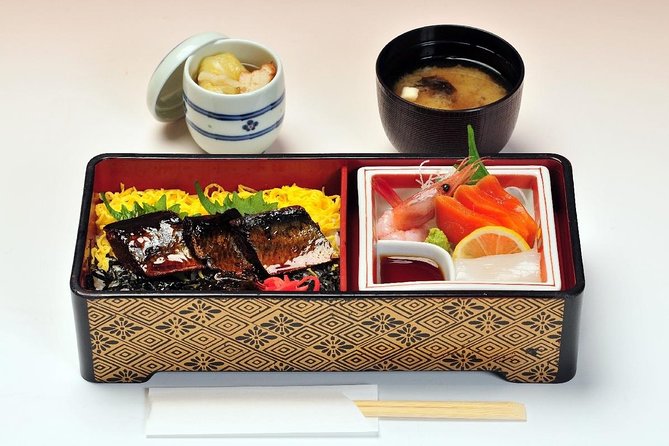
The on-site restaurant is one of the strongest practical reasons to plan a relaxed visit. You can combine sightseeing with a meal instead of treating the villa as a short stop between other attractions.
The restaurant is presented as a place for Japanese food and views of the old villa through the seasons. Since no menu, prices, or meal times are provided, you should not assume that food is included in the $10.70 admission price. The ticket covers entry only.
I like this pairing because it gives the building more time to work on you. A hurried visit can reduce a historic villa to a few rooms and photographs. Sitting down for food can help you appreciate the setting and the seasonal character of the property.
Still, keep your plans flexible. The available information does not confirm restaurant hours, reservations, menu choices, or seating arrangements. If eating there is central to your day, check those details before you go.


How much time to allow
The experience is estimated at about three hours. That is a useful planning figure if you intend to inspect the villa, pause for views, and eat at the restaurant.
You can shorten the visit if you only want admission and a look around. On the other hand, the villa rewards a slower pace more than a rushed one. Traditional homes often reveal their value through small design choices, and you need time to notice them.
I would avoid placing Kihinkan between two tightly scheduled activities. A loose morning or afternoon works better. The property is in Shukutsu at 3-63 Shukutsu, Otaru, Hokkaido 047-0047, so check your transport plans carefully and leave room for the visit itself.
No transportation service is included. The information provided also says parking fees are not included. If you drive, add that cost to your budget. If you are arranging your own transport, allow extra time for finding the property and redeeming the paper ticket.
Opening hours and seasonal planning
The villa’s entrance hours change with the season:
- April through December: 9:00 a.m. to 5:00 p.m.
- January through March: 9:00 a.m. to 4:00 p.m.
The listed operating period runs from November 20, 2024, through March 31, 2026, with daily hours of 9:00 a.m. to 4:00 p.m. for that period. The winter schedule is the one to remember if you are visiting between January and March.
The shorter winter day can affect your plans, especially if you want time for both the villa and the restaurant. Arriving earlier gives you more breathing room. You should also confirm current hours close to your visit, since seasonal attractions can change their schedules.
The villa is open Monday through Sunday during the stated operating period. That daily schedule is helpful if you are building a flexible Otaru day rather than planning around a single weekday.
What the $10.70 price includes
At $10.70 per person, the ticket is reasonably priced for a cultural stop that can occupy part of an afternoon. Admission is included, and the property offers both architecture and local economic history rather than a single photo opportunity.
The value depends on how you use the visit. If you rush through in 30 minutes, the price may feel less convincing. If you spend time with the villa, connect it to Shukutsu’s herring trade, and enjoy the restaurant, you get a fuller experience for the same admission fee.
Remember that the price does not include parking. It also does not include food at the restaurant. Those extra costs can change the total, so budget separately if you plan to drive or dine on site.
There is no guide fee listed, and no named guide is provided. That keeps the basic price clear, but it also means you should not book expecting a personal guided tour or a detailed live lecture.
The paper ticket and booking conditions
Your admission comes as a paper ticket. The ticket redemption point is in Otaru, Hokkaido, at the Kihinkan location.
Confirmation is received at the time of booking. The average booking time is 19 days before the visit, which suggests that many people arrange this stop ahead of their Otaru plans. You do not necessarily need to copy that timing, but early planning helps if you have a fixed day in town.
The ticket is non-refundable and cannot be changed for any reason. That is the biggest booking caution. Only purchase once your date and schedule are firm, especially during a trip with several moving parts.
Most people can participate according to the supplied information. No special participation restrictions are listed. Specific accessibility details are not provided, so contact the provider if you need information beyond that general statement.
Who will enjoy this visit most
I would recommend Otaru Kihinkan to you if you enjoy historic homes, Japanese architecture, and local stories tied to business and family life. It is also a good choice if you want a quieter stop away from the usual city highlights.
Families may find Masae Aoyama’s story an approachable way into the site. The villa’s luxury gives children something visual to notice, while the herring connection provides a simple explanation of how local industries shaped the town.
Food-focused visitors have another reason to come, thanks to the restaurant on the grounds. Just remember that the meal is separate from admission, and details about the menu are not provided.
You may be less satisfied if you want a guided tour, a packed schedule of activities, or extensive information about individual rooms and objects. The available details describe a villa visit, not a full-day program or a guided cultural workshop.
Should you book Otaru Kihinkan?
Book it if you want to see how herring wealth shaped a Japanese home, and if you have enough time to enjoy the villa without rushing. The combination of a recognized cultural property, a memorable founding story, seasonal views, and an on-site restaurant gives the visit more substance than a basic admission ticket.
Skip it if your Otaru schedule is already crowded or if you need flexible cancellation. The non-refundable policy is strict, parking costs extra, and there is no named guide or detailed guided program included.
For the best value, plan about three hours, arrive within the correct seasonal opening hours, and treat the restaurant as part of the experience rather than an afterthought. At $10.70, it is a sensible cultural stop for a relaxed day in Otaru.
FAQ
Where is Otaru Kihinkan located?
Otaru Kihinkan is at 3-63 Shukutsu, Otaru, Hokkaido 047-0047, Japan.
What is included with the ticket?
The admission ticket is included. Food, parking, and other personal costs are not included.
How much does admission cost?
The listed price is $10.70 per person.
How long does the visit take?
The experience takes approximately three hours.
What are the opening hours from April through December?
Entrance is open from 9:00 a.m. to 5:00 p.m. from April through December.
What are the opening hours from January through March?
Entrance is open from 9:00 a.m. to 4:00 p.m. from January through March.
Is the villa open every day?
Yes. The stated operating schedule runs Monday through Sunday.
Is parking included?
No. Parking fees are not included in the ticket price.
Can I cancel or change the booking?
No. The ticket is non-refundable and cannot be changed for any reason.
More Tour Reviews in Otaru
More Otaru Tours in Otaru
Other Otaru tours worth your shortlist




Otaru Tours, side by side.
 ★ 4.5Lake Toya, Bear Ranch and Sapporo Otaru Full Day TourFrom $85.6633 reviews
 ★ 3.5Hokkaido Noboribetsu Lake Toya, Otaru Panoramic Tour From SapporoFrom $120.0028 reviews
 ★ 4.9Otaru Asarigawa Ski Resort Day Trip with GearFrom $18527 reviews
 ★ 4.4Hokkaido, Sappro, Otaru & Cape Kamui One-day TourFrom $6621 reviews
The lists this tour appears in