Sapporo is spread out, and this private eight-hour tour lets you shape the day around what you actually want to see. Choose four or five stops, then let your guide handle the route, bookings, and transport within the city. That is far more useful than racing through a fixed checklist.
In This Article
- Key points at a glance
- Building a Sapporo day around your interests
- Moerenuma Park: a giant artwork on Sapporo’s edge
- Sapporo Beer Museum: a taste of Japan’s brewing story
- The Historical Village: Hokkaido buildings in an open-air setting
- Nijo Market and Sapporo Jogai Market: choosing your seafood stop
- Susukino: Sapporo after dark, even on a daytime tour
- Sapporo Factory: shopping on the site of Japan’s first brewery
- Odori Park: the easiest central starting point
- What your guide adds to the day
- Transport, timing, and the real cost
- The planning rules you should not overlook
- Is this private Sapporo tour right for you?
- FAQ
- How long is the Sapporo private tour?
- How many destinations can I choose?
- Is hotel pickup included?
- Is transportation included?
- Is the tour private?
- Are meals, drinks, and attraction fees included?
- How early should I book?
I like the freedom to skip places you have already visited, and I like the chance to mix major sights with everyday Sapporo, especially its markets and food districts. Guides such as Yasushi Konno and Masaru-san have been praised for being cheerful, helpful, and well informed.
The catch is price: at $250.82 per person, this makes the most sense for a small group that values private service. You also need to submit the custom-tour form at least seven days before departure, and the cancellation terms are strict.
Key points at a glance
- Pick four or five stops: Build the day around parks, museums, markets, beer, shopping, or nightlife.
- Moerenuma Park adds a bold design break: Isamu Noguchi’s large park is unlike a standard city garden.
- Food choices are built into the plan: Nijo Market and Sapporo Jogai Market focus on Hokkaido seafood and produce.
- A private English-speaking guide leads the day: Yasushi Konno and Masaru-san are named examples, though your assigned guide may differ.
- Transport is arranged within Sapporo: Depending on your booking, you use public transportation or a private vehicle.
- This is best for people who plan ahead: The operator recommends booking about three months ahead, especially for restaurants and timed venues.
Building a Sapporo day around your interests
The strongest part of this experience is not any single attraction. It is the ability to combine several sides of Sapporo in one day without following a rigid group schedule.
You can focus on food, city history, Japanese beer, architecture, shopping, or parks. A family might choose Moerenuma Park, the Historical Village, Odori Park, and a market. A couple could choose the Beer Museum, Sapporo Factory, Susukino, and a seafood lunch. A first-time visitor who wants the broad picture might select one park, one cultural site, one market, and one central neighborhood.
You choose four or five destinations, not all eight. That limit is sensible. Sapporo covers a large area, and trying to visit every listed place in eight hours would turn the day into a long series of quick stops. The guide can help you balance travel time with time at each site.
After booking, you receive a Sapporo form asking what you have already seen and what you want from the day. Fill it out carefully. This is where you can say you have no interest in repeating a familiar shopping area, or that you want more time for seafood, local history, or Japanese beer.
Our other Sapporo reviews may also help you decide


Moerenuma Park: a giant artwork on Sapporo’s edge
Moerenuma Park is the most unusual choice on the list. Designed by Japanese American sculptor Isamu Noguchi, it is a large park on the outskirts of Sapporo, created as a unified work of art rather than a simple patch of grass and paths.
You come here for scale, design, and open space. It gives you a very different view of Sapporo from the tight streets of the central districts. The park can be especially appealing if you enjoy modern art, architecture, or carefully planned public spaces.
The drawback is location. Since it sits outside the center, reaching it takes time that could otherwise go toward another central attraction. I would choose it when the park itself is a priority, not as a casual filler stop.
Wear shoes suited to walking and dress for changing weather. The tour requires a moderate level of physical fitness, and a large outdoor park can mean more walking than its calm appearance suggests.
Sapporo Beer Museum: a taste of Japan’s brewing story
The beer museum presents the history of beer in Japan and explains how beer is made. Tastings are available, giving you a chance to connect the displays with a local product.
This stop works well for adults who want a cultural visit that is not overly formal. Beer played an important part in Sapporo’s development, and the museum helps explain why the city’s name is so closely tied to Japanese brewing.
Tastings are optional and should not be confused with the tour price. Optional activities for you and your guide are not included, and meals and drinks are also excluded unless specifically arranged.
If you are traveling with children or do not drink, ask the guide to give this stop enough value through the exhibits and brewing story. You may prefer to spend your limited stop count elsewhere if beer is not one of your interests.
The Historical Village: Hokkaido buildings in an open-air setting
The open-air museum in Sapporo’s suburbs displays about 60 typical buildings from across Hokkaido. It offers a look at how the region developed through architecture rather than only through written displays.
This is a good pick if you want context beyond downtown Sapporo. The buildings help you see how homes, shops, and public structures differed across Hokkaido. It also gives the day a slower, more spacious rhythm after time in markets or central streets.
As with Moerenuma Park, the suburban location matters. You will spend part of the day getting there and back, so it is best paired with stops that fit the same side of the city. The exact amount of time available inside the museum depends on your other choices and the transport plan.
You should also expect outdoor walking. Dress for the weather, since the visit is not simply an indoor museum circuit.
Nijo Market and Sapporo Jogai Market: choosing your seafood stop
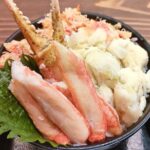
Sapporo gives you two strong market options. The central public market offers local produce and seafood such as crab, salmon roe, sea urchin, and fresh and prepared fish. Sapporo Jogai Market is one of the city’s largest markets, with Hokkaido seafood including crab, sea urchin, salmon roe, squid, and scallops, along with corn, melons, and potatoes.
You do not need both unless markets are the main purpose of your day. For most visitors, I would choose one and use the saved time for a different part of Sapporo.
These markets are valuable because they show Hokkaido through food. You can see the region’s dependence on seafood and agriculture, compare prepared items with raw produce, and ask your guide for help with unfamiliar choices. Seafood prices and meal costs are not included, so budget separately if you want to eat.
Market visits also work well for families and mixed-interest groups. One person can browse produce, another can look at seafood, and everyone can make the stop as short or long as the schedule allows. Keep in mind that a market is a working commercial space, not a quiet museum. Your guide can help you move through it sensibly.
You can also read our reviews of more private tours in Sapporo


Susukino: Sapporo after dark, even on a daytime tour
Susukino is Japan’s largest entertainment district north of Tokyo. Its streets include restaurants, bars, karaoke shops, pachinko parlors, stores, and adult-oriented businesses.
This is the right choice if you want to understand Sapporo’s nightlife and central entertainment culture. It can also be useful for finding dinner ideas, especially if your guide knows the area and can help with reservations.
Do not expect a historic neighborhood or a peaceful walking route. Susukino is commercial and adult in parts, so it may not suit every family or every visitor. The tour begins at 8:00 am, meaning a daytime visit will show you the district without the full evening atmosphere.
If you want dinner or drinks here, remember that food, beverages, and optional activities are extra. The operator can make reservations on your behalf when requested, but the custom form needs to be completed well before your tour date.
Sapporo Factory: shopping on the site of Japan’s first brewery
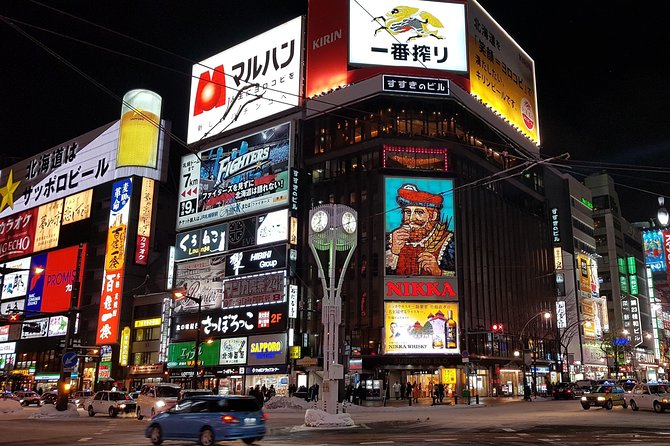
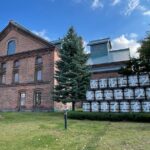
Sapporo Factory is a large shopping and entertainment complex built on the former site of Japan’s first beer brewery. It gives you a modern retail stop with a connection to the city’s brewing past.
This is a practical option when your group needs variety. You can shop, browse entertainment venues, or take a break from more history-focused stops. Its former brewery site also makes it a logical companion to the Beer Museum.
The limitation is that a shopping complex is not the most distinctive use of a private guide’s time if you have only one day in Sapporo. I would choose it if you want shopping or if someone in your group needs an indoor stop. Otherwise, a market or park may give you a clearer sense of the city.
Odori Park: the easiest central starting point
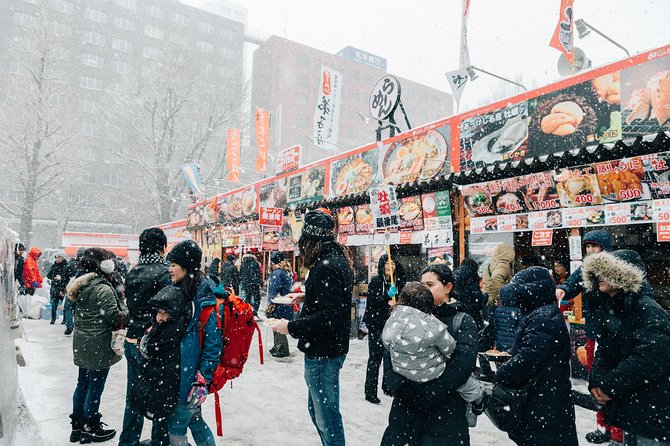
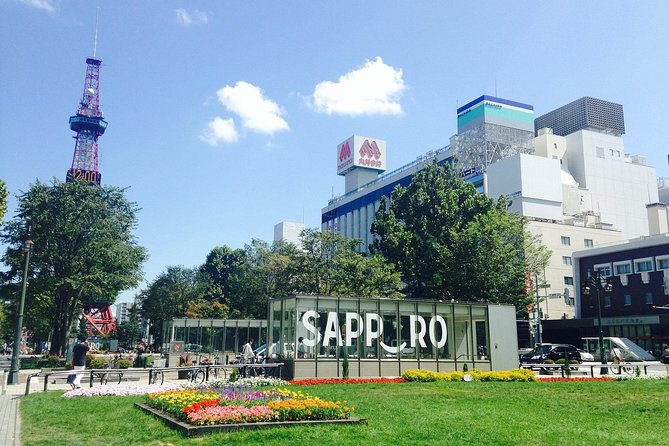
Odori Park is a pleasant public park in central Sapporo. It separates the city into north and south and gives you a simple way to understand the downtown layout.
I like this as a short orientation stop. It is central, easy to combine with other sights, and useful for getting your bearings before moving into markets, shopping areas, or entertainment districts.
Unlike the larger suburban park, Odori Park does not require a long journey. That makes it a smart choice for a packed day. You can also pair it with Sapporo Factory, Susukino, or a central market without spending the whole morning in transit.
The tradeoff is that it may feel modest beside Sapporo’s more specialized attractions. Choose it for its location and city context, not because it fills a full day by itself.
What your guide adds to the day
A private guide matters most when your interests are specific. You can ask for help deciding between the two markets, explain which places you have already seen, and adjust the pace as the day develops.
English-speaking guides are included, and the operator assigns a professional guide for your group. Yasushi Konno is described as helpful, cheerful, and extremely well informed. Masaru-san is described as driving guests around Hokkaido and arranging an omakase dinner with local sake. These are useful examples of the service, but you should not assume you will receive either guide unless the operator confirms it.
The tour is private, so only your group participates. That gives you more control than a standard sightseeing bus. It also means the experience depends heavily on how clearly you explain your interests before the itinerary is prepared.
Reservations and bookings can be made on your behalf. If you want a restaurant, tasting, or other optional activity, request it early. Fees for those activities, including the guide’s costs, are not part of the listed price.
Transport, timing, and the real cost
The tour lasts about eight hours and begins at 8:00 am. Hotel pickup and drop-off are included, while the stated meeting point is around Sapporo Station. Because those details do not perfectly match, confirm your exact pickup location after booking.
Transport within the city is included, using either public transportation or a private vehicle based on your booking. Ask which option applies to your group. Public transit can be efficient and practical, while a private vehicle may be more comfortable for families or groups carrying shopping bags. The supplied details do not promise private transport for every booking.
At $250.82 per person, the value depends on group size and your plans. A solo visitor pays the full per-person rate for a private day, so this is a significant expense. For a family or small group, the cost can make more sense because you are buying a dedicated guide, planning time, pickup, transport within the city, and help with reservations.
Group discounts are offered, but no discount amount is specified. Ask about the final price for your party before committing.
The tour is booked an average of 64 days ahead, and the operator recommends booking about three months before your date. That advice is practical. A custom route takes planning, and restaurant or venue requests may not be possible at short notice. Bookings made within seven days may be canceled with a full refund if the arrangements cannot be completed, but do not rely on last-minute availability.
The planning rules you should not overlook
Complete the custom-tour form accurately at least seven days before the tour. The operator uses your answers to prepare the route, avoid places you have already visited, and arrange requested bookings.
Arrive at least 10 minutes early. Your guide will wait up to 30 minutes after the start time, after which the tour can be canceled. You receive the guide’s phone number before the tour, so keep it accessible.
The cancellation information deserves careful attention. The experience is described as nonrefundable and unchangeable, while the additional terms list a 25 percent charge within 30 days, 50 percent within 21 days, and 100 percent within 14 days. They also state that 15 percent of the total service fee becomes nonrefundable after the custom itinerary is sent. Because these terms conflict, ask Japan Awaits to confirm which rule applies to your booking before payment.
Is this private Sapporo tour right for you?
Book it if you want a day built around your own interests, need an English-speaking guide, or are traveling with a small group that values convenience. It is especially useful for combining a suburban stop such as Moerenuma Park or the Historical Village with central markets and neighborhoods.
I would skip it if you prefer to explore independently, want a low-cost day, or have only one or two sights in mind. Sapporo’s central areas can be visited without a private tour, and the price is hard to justify for one person who does not need planning help.
For the best value, book early, choose four or five stops that fit together geographically, and use the form to be precise. A thoughtful mix, such as one park, one cultural site, one market, and one central district, will give you a fuller picture of Sapporo than trying to collect every stop.
FAQ
How long is the Sapporo private tour?
The tour lasts approximately eight hours and starts at 8:00 am.
How many destinations can I choose?
You can choose four to five sites for your personalized day.
Is hotel pickup included?
Yes. Hotel pickup and drop-off are included, although the stated meeting point is also listed near Sapporo Station. Confirm the exact pickup arrangement after booking.
Is transportation included?
Transportation within Sapporo is included. Depending on the booking, the tour uses public transportation or a private vehicle.
Is the tour private?
Yes. Only your group participates in this activity.
Are meals, drinks, and attraction fees included?
No. Meals, food, drinks, gratuities, and fees for optional tours or activities are not included unless specifically stated.
How early should I book?
The operator recommends booking about three months ahead, or at least one month before your travel date. Custom requests made within seven days may not be possible to arrange.
More Tours in Sapporo


More Tour Reviews in Sapporo


More Private Tours in Sapporo
Other Sapporo tours worth your shortlist


Full-Day, side by side.
 ★ 4.5Lake Toya, Bear Ranch and Sapporo Otaru Full Day TourFrom $85.6633 reviews
 ★ 5.0Full Day Private Skiing / Snowboarding Tour in SapporoFrom $230.6130 reviews
 ★ 5.0Full Day Indigenous Ainu of Hokkaido and JozankeiFrom $167.3625 reviews
 ★ 5.0Private Full Day Guided Tour In HakodateFrom $370.683 reviews
The lists this tour appears in