The best part of this Sapporo experience is that you do not simply sit down to eat soba. You make the noodles first, then try them four different ways, including Hokkaido yamawasabi and duck in warm dipping broth. I like the private setting, and I like that the meal introduces everyday Japanese flavors beyond the usual soy sauce and tempura. The main drawback is the price: $120.04 per person is a lot for a one-hour activity.
In This Article
- Key points at a glance
- Making soba after the restaurant closes
- Why Hokkaido is a natural place for a soba class
- Four toppings, four very different bowls
- Hokkaido yamawasabi
- Duck seiro
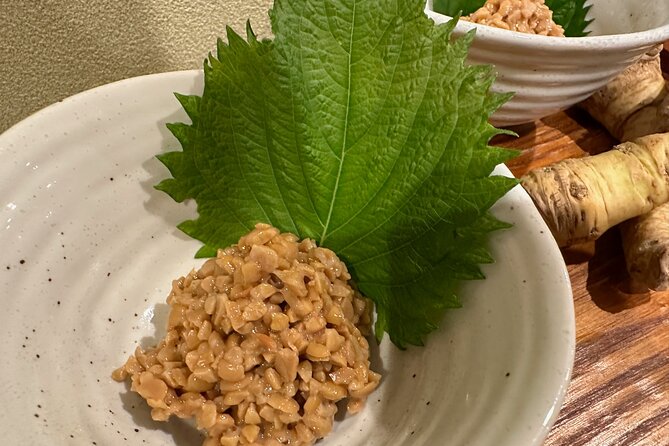
- Natto
- Grated plum with grated radish
- A one-hour itinerary with no wasted time
- Is $120.04 a fair price?
- Getting there and planning the meeting
- Who will enjoy this soba experience?
- Cancellation and timing advice
- Should you book it?
- FAQ
- Where does the soba-making activity begin?
- Where does the activity end?
- How long does the experience last?
- Is this a private activity?
- What toppings are served with the soba?
- Can I cancel for a refund?
You meet at a Sapporo soba restaurant after it has closed to regular customers, which gives the class a focused, personal feel. The four toppings are natto, duck seiro, yamawasabi, and grated plum with grated radish. Come hungry, since the plan is designed to provide a full meal, not just a taste.
Key points at a glance
- Private after-hours setting: Only your group takes part, inside a Sapporo soba restaurant after normal business hours.
- Hands-on noodle making: You prepare the classic Japanese noodles instead of only watching a demonstration.
- Four strong flavor choices: Try Hokkaido yamawasabi, duck seiro, natto, and grated plum with grated radish.
- A useful Hokkaido connection: Hokkaido is Japan’s leading buckwheat-producing region, and soba has a long local food tradition.
- Short and easy to fit in: The activity lasts about one hour and returns you to the meeting point.
- Best for curious eaters: You should be open to natto, pickled plum, grated radish, and other flavors that may be new to you.
Making soba after the restaurant closes
The class takes place at 9-chōme-17-29 Hassamu 6 Jō in Sapporo’s Nishi Ward. The restaurant normally serves customers, but this activity happens after closing, when the space is reserved for your private group.
That timing matters. You are not trying to follow a noodle lesson while other diners come and go. Instead, the setting is built around the activity. The one-hour schedule is compact, so you should expect a brisk introduction to soba making rather than a long cooking workshop with several separate dishes.
The plan description does not give a named instructor or a detailed minute-by-minute schedule. That means you should think of this as a simple, focused food activity. You will learn the basic process of making soba, then sit down to eat it with the featured condiments.
I like this format for a first introduction to Japanese cooking. Soba is an everyday food with deep roots in Japanese dining, but the class gives you something to do with your hands. You are not only consuming a local specialty. You are seeing how it comes together before tasting the result.
Our other Sapporo reviews may also help you decide


Why Hokkaido is a natural place for a soba class
Hokkaido is Japan’s largest buckwheat-producing region. Buckwheat is the key ingredient in soba, and the plan connects the meal to the food grown in the area.
That connection gives the class more meaning than a generic noodle lesson. Sapporo is often associated with miso ramen, seafood, and hearty winter foods, but soba is also an important part of Hokkaido’s food culture. The activity offers a quieter look at one of Japan’s classic staples.
Soba is usually made from buckwheat flour, sometimes combined with wheat flour to help hold the noodles together. The supplied information does not specify the exact flour blend or recipe used here, so you should not expect a technical lesson in regional soba styles. Still, the practical act of making and eating the noodles helps explain why soba remains such a favorite.
For you, the main value is the combination of local context and direct participation. You get a Sapporo food memory that is more specific than simply ordering a bowl at a restaurant.
Four toppings, four very different bowls
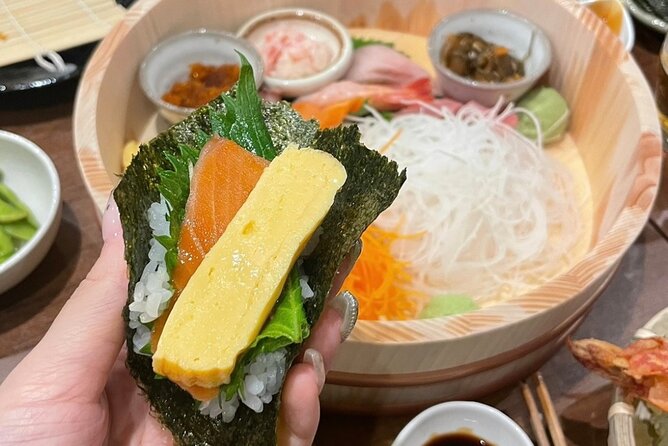
After making the noodles, you eat them with four Japanese favorites. This is where the activity becomes more unusual. Each topping changes the texture, smell, and character of the soba.
Hokkaido yamawasabi
Yamawasabi is a type of wasabi associated with Hokkaido. It is presented as a local option rather than the familiar powdered green paste often served with inexpensive sushi.
Wasabi adds heat, but it is not just about making your nose tingle. A small amount can sharpen the flavor of the noodles and dipping sauce. If you prefer milder tastes, start with a little and add more as you go. The plan specifically highlights yamawasabi as a flavor limited to Hokkaido, making it one of the most distinctive parts of the meal.
Duck seiro
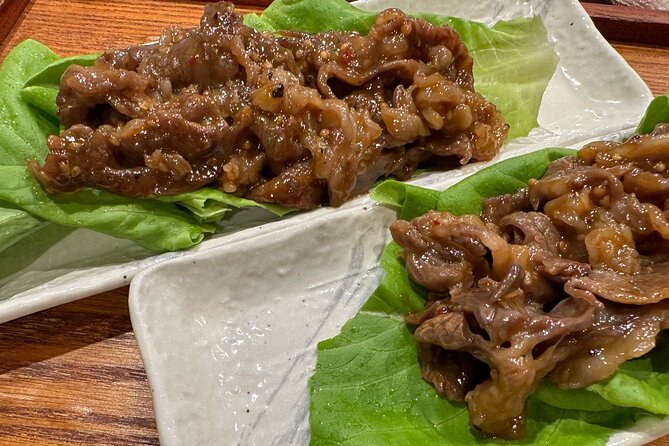
Duck seiro pairs soba with duck meat in a warm soup. The noodles and broth are served in separate components, allowing you to dip the soba into the hot soup.
This is a useful contrast to colder soba preparations. Duck gives the meal a fuller, more savory taste, while the warm soup makes the dish feel substantial. If natto or pickled plum sounds challenging to you, duck seiro is likely the most familiar and comforting choice of the four.
The information provided does not say how much duck is served or what other ingredients are in the soup. You should view it as one of four tasting styles rather than a separate full entrée.


Natto
Natto is fermented soybeans with a sticky texture and a strong smell. Many people in Japan enjoy natto with soba, but it can be a surprise if you have never tried it.
The important point is to approach it with curiosity rather than treating it as an ordinary bean topping. Natto changes the mouthfeel of the noodles, and its flavor is much more assertive than the mild taste of soba itself.
This is one of the reasons the class suits adventurous eaters. You get a chance to try a combination that may not appear on a standard tourist menu. If you already know that you dislike fermented foods or sticky textures, this topping may be the least appealing part of the meal. You can still enjoy the other three options, but natto is central to the plan’s effort to show how Japanese diners eat soba at home and in local restaurants.
Grated plum with grated radish
The fourth choice combines pickled plum and grated radish. It is served with fresh dipping sauce, giving the soba a sharper, lighter profile than the duck preparation.
Pickled plum, known for its sour and salty taste, can wake up the noodles. Grated radish adds freshness and a gentle bite. This combination should appeal to you if you like clean, bright flavors rather than rich sauces.
The four toppings are not minor garnishes. They give you four distinct ways to understand the same noodle. I see that as the strongest food lesson in the activity. You can compare the warm duck broth with the heat of yamawasabi, the sticky natto, and the sour plum mixture in one sitting.
A one-hour itinerary with no wasted time
The experience lasts about one hour. You meet at the restaurant, take part in soba making, and then eat the noodles with the four toppings before returning to the same location.
Because the activity is short, it works well beside other Sapporo plans. You will not lose half a day to transportation or a long meal. The tradeoff is that the class probably will not cover every stage in great technical detail. If you want a full cooking school with several dishes, recipes, and extended instruction, this is not that kind of program.
The private format should make the hour feel more personal than a large group class. Only your group participates, so you do not need to share the session with unrelated participants. That can be especially helpful if your group has children, first-time cooks, or people who want to ask questions at their own pace.
The exact group size is not stated, so I would not assume that the booking is limited to two or three people. The plan does offer group discounts, which may improve the value for families or friends booking together.
Is $120.04 a fair price?
At $120.04 per person, this is priced as a private food activity, not as a quick bowl of soba. The one-hour length makes the cost look high at first glance, especially if you compare it with the price of an ordinary restaurant meal in Sapporo.
The value comes from several parts:
- You receive a hands-on soba-making session.
- Your group has the restaurant privately after closing.
- You eat a full serving with four different topping styles.
- You try a Hokkaido-specific ingredient, yamawasabi.
- You get a food experience tied to local buckwheat production.
For a solo visitor or a couple watching every yen, I would think carefully before booking. A regular soba meal will cost much less, and you could order a familiar dish without committing an hour to the activity.
For a family or small group, the private format and group discounts may make the price easier to justify. The experience also has more value if you care about food traditions, want a structured activity, or have already done Sapporo’s better-known food stops.
The price does not include a long tour of Hokkaido agriculture, a market visit, or several cooked dishes. You are paying for a focused workshop and meal. That is reasonable if those are exactly the things you want, but less attractive if you are mainly looking for a cheap lunch.
Getting there and planning the meeting
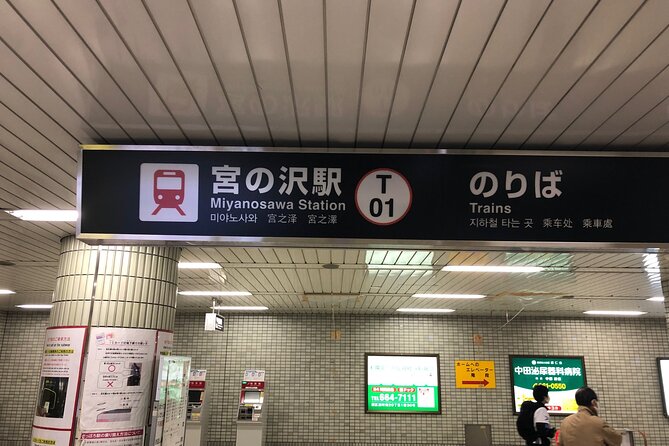
The starting point is 9-chōme-17-29 Hassamu 6 Jō, Nishi Ward, Sapporo, Hokkaido 063-0826. The location is near public transportation, though the supplied details do not identify a particular station, route, or travel time.
You should allow enough time to find the address before the start. Since the activity takes place after the restaurant closes, arriving at the correct entrance matters. The activity ends back at the meeting point, so you do not need to arrange a separate return transfer.
Confirmation is provided when you book. Service animals are allowed. These details make the activity easier to plan, but the listing does not state whether the cooking space has other accessibility features, so contact the provider if you need specific arrangements.
The provider is listed as もんど. No instructor name is supplied, so I would not book this expecting a particular named chef or guide.
Who will enjoy this soba experience?
I would recommend it most strongly to you if you enjoy food activities that mix making, tasting, and local context. It is also a good match for people who want to try Japanese flavors that are less familiar than sushi, ramen, or tempura.
Families may appreciate the private setup, especially if a shared public class feels awkward. Groups should check the available discount before booking, since the plan specifically includes group pricing.
This is also a sensible choice for repeat visitors to Sapporo. If you have already explored the city’s main attractions, making soba offers a different kind of memory. It is quiet, practical, and tied to a food people actually eat.
I would be more cautious if you dislike fermented foods, sour pickles, or strong condiments. The four choices are varied, but natto and pickled plum are not neutral flavors. You can still focus on duck seiro and yamawasabi, but the plan is designed to introduce you to all four.
The experience may also disappoint you if you expect a long culinary course. One hour gives you a taste of the craft and a meal, not advanced noodle-making training.
Cancellation and timing advice
You can cancel for a full refund up to 24 hours before the local start time. Cancellations made within 24 hours are not refunded, and changes inside that window are not accepted.
That policy is fairly flexible for a short activity, but you should be careful with a tight Sapporo schedule. If you are arranging transportation from another part of Hokkaido, leave room for delays. Once you are inside the 24-hour window, the booking is fixed.
Since the plan is booked an average of 34 days ahead, reserving early may be sensible during a busy visit. The supplied information does not promise that every date sells out, so treat the advance-booking figure as a planning signal rather than a guarantee.
Should you book it?
Book this soba class if you want a private, compact food experience and are willing to pay for more than the meal itself. The strongest reasons are the after-hours restaurant setting, hands-on noodle making, and four toppings that show very different sides of Japanese soba.
Skip it if your priority is a low-cost lunch, a long cooking course, or a detailed tour led by a named chef. At $120.04 for about one hour, the price only makes sense when the private format and unusual tasting menu matter to you.
For curious eaters, especially groups who want a hands-on memory of Sapporo, I think the plan is worth serious consideration. Arrive hungry, start gently with the stronger flavors, and treat the meal as a chance to compare how one humble noodle changes with each topping.
FAQ
Where does the soba-making activity begin?
It begins at 9-chōme-17-29 Hassamu 6 Jō, Nishi Ward, Sapporo, Hokkaido 063-0826, Japan.
Where does the activity end?
The activity ends back at the meeting point.
How long does the experience last?
It lasts approximately one hour.
Is this a private activity?
Yes. Only your group participates in the activity.
What toppings are served with the soba?
The four listed toppings are Hokkaido yamawasabi, duck seiro, natto, and grated plum with grated radish.
Can I cancel for a refund?
Yes. You can receive a full refund if you cancel at least 24 hours before the experience start time. Cancellations within 24 hours are not refunded.
More Food Experiences in Sapporo



More Tour Reviews in Sapporo
Other Sapporo tours worth your shortlist


Soba & Ramen Making, side by side.
 ★ 5.0Popular in SapporoExperience authentic hand-made soba at a real soba shop!From $72.6777 reviews
 ★ 5.0Mondo’s most popular plan! Experience making soba noodles and the king of Japanese cuisine, tempura, in Sapporo!From $85.7971 reviews
 ★ 5.0in Sapporo! Hand-made soba experience and shabu-shabu experience plan of Yezo deer meat (Gibier meat) from HokkaidoFrom $85.6629 reviews
 ★ 4.8Authentic Handmade Soba Experience!From $7011 reviews
The lists this tour appears in